

Mental Health for Dogs: Expert Strategies to Reduce Post-Pandemic Separation Anxiety
The global pandemic undeniably reshaped human lives, but its impact on our beloved canine companions often goes underestimated. For many dogs, the sudden increase in human presence during lockdowns was a dream come true – constant companionship, endless belly rubs, and never-ending attention. However, as routines shifted back towards normalcy, with owners returning to offices and social engagements, a significant challenge emerged for our furry friends: separation anxiety. At Furry Fable, we understand that your dog's mental well-being is just as crucial as their physical health. This comprehensive guide will equip you with expert strategies to help ease your dog's transition and reduce post-pandemic separation anxiety, fostering a calmer, happier home environment for everyone.
Understanding Post-Pandemic Separation Anxiety
Before we delve into solutions, it's vital to understand what separation anxiety looks like and why it became so prevalent after the pandemic.
What is Separation Anxiety?
Separation anxiety in dogs is more than just missing their human; it's a severe distress response triggered by being left alone. Dogs experiencing true separation anxiety exhibit a range of behavioral issues that go beyond typical boredom. Common symptoms include:
- Excessive Barking or Howling: Continuous vocalization when left alone, often heard by neighbors.
- Destructive Chewing: Damaging furniture, doors, or personal items, particularly around exit points.
- Inappropriate Urination/Defecation: House soiling even in house-trained dogs, unrelated to bladder control issues.
- Pacing and Restlessness: Constant movement, circling, or an inability to settle down.
- Escapism: Attempts to escape confinement, potentially leading to self-injury.
- Excessive Drooling or Panting: Signs of stress and panic.
Why is it More Prevalent Now?
The pandemic created an unprecedented shift in household dynamics. Dogs grew accustomed to constant human presence, forming strong attachments to owners who were suddenly home all day, every day. For many dogs, this was their first prolonged experience with such continuous companionship. When owners began returning to pre-pandemic routines, the abrupt change left many dogs feeling confused, abandoned, and intensely anxious. They hadn't been gradually prepared for the transition back to alone time, making the separation feel like a sudden, traumatic event.
Proactive Strategies to Prevent or Reduce Anxiety
Addressing separation anxiety requires patience, consistency, and a multi-faceted approach. Here are actionable strategies you can implement:
Gradual Desensitization and Alone Time Training
The key is to teach your dog that being alone is a normal, non-threatening part of their day. This needs to be done gradually.
- Practice Short Departures: Start by leaving your dog alone for very short periods (1-5 minutes), then returning. Gradually increase the duration as your dog shows comfort.
- "Fake Goodbyes": Perform your pre-departure routine (grab keys, put on coat) but don't actually leave. This helps decouple these cues from actual departure anxiety.
- Independence Training: Encourage your dog to spend time in another room or their bed while you are home, even if for short periods, to build independence.
Establish a Consistent Routine
Dogs thrive on predictability. A consistent daily schedule helps reduce uncertainty, which is a common trigger for anxiety.
- Feeding Times: Stick to regular meal schedules.
- Walks and Play: Ensure consistent exercise and playtime before you leave, helping to tire them out both physically and mentally.
- Potty Breaks: Regular potty breaks prevent accidents and discomfort.
Create a Safe and Calming Space
Your dog needs a designated "den" where they feel secure and comfortable during your absence.
- Comfortable Bed: Provide a cozy, comfortable bed in a quiet area. Explore our premium comfort beds designed for ultimate relaxation.
- Crate Training: If your dog is crate-trained and views their crate as a safe haven, it can be an excellent tool. Never use the crate as punishment, and ensure it's a positive experience. Learn more about positive crate training.
- Familiar Scents: Leave an old t-shirt or blanket with your scent to provide comfort.
Mental and Physical Stimulation
A tired dog is often a less anxious dog. Ensure your dog gets adequate physical exercise and mental engagement.
- Pre-Departure Exercise: A brisk walk, run, or vigorous play session before you leave can help them settle down for a nap while you're away.
- Puzzle Toys: Provide engaging interactive puzzle feeders filled with treats or their meal. These can keep them occupied and mentally stimulated for an extended period.
- Durable Chew Toys: Chewing is a natural stress reliever for dogs. Offer our selection of durable chew toys to redirect destructive behaviors and provide comfort.
Calming Aids and Supplements
For some dogs, natural calming aids can provide extra support. Always consult your veterinarian before introducing any new supplements.
- Natural Supplements: Ingredients like L-theanine, chamomile, or valerian root can help promote relaxation. Explore our range of natural calming supplements designed for canine well-being.
- Pheromone Diffusers/Collars: These mimic natural canine appeasing pheromones, helping to create a sense of security.
Avoid Exaggerated Goodbyes and Hellos
While it's hard not to shower your dog with affection, overly dramatic departures and arrivals can heighten their anxiety. Keep greetings and goodbyes low-key and calm to reinforce that your comings and goings are not a cause for alarm.
During Your Absence: Keeping Them Comfortable
What you provide for your dog while you're away can make a significant difference in their comfort level.
- Interactive Toys and Treats: A Kong stuffed with frozen peanut butter or cream cheese can keep your dog occupied for a long time. Long-lasting chews can also be helpful.
- Background Noise: Leaving a radio on (classical music often works well), a TV, or a white noise machine can provide comfort and mask external sounds that might trigger barking.
- Pet Cameras: A pet camera allows you to monitor your dog's behavior while you're away. Some even allow you to speak to your dog or dispense treats, though use this feature sparingly to avoid creating dependency.
When to Seek Professional Help
While these strategies are effective for many dogs, some cases of separation anxiety are severe and require professional intervention.
Recognizing Severe Symptoms
If your dog is:
- Causing significant self-injury attempting to escape.
- Exhibiting extreme and persistent destructive behavior.
- Showing signs of extreme panic or phobia when left alone.
These are indicators that you should seek expert guidance.
Consulting a Veterinarian or Certified Professional
Your first step should always be to consult your veterinarian to rule out any underlying medical conditions that might contribute to anxiety symptoms. For severe behavioral issues, they may refer you to:
- Veterinary Behaviorist: A veterinarian with specialized training in animal behavior, who can diagnose and prescribe medication if necessary.
- Certified Professional Dog Trainer (CPDT) or Certified Applied Animal Behaviorist (CAAB): Professionals skilled in implementing behavior modification programs tailored to your dog's specific needs.
Building a Stronger Bond Through Understanding
Helping your dog overcome separation anxiety is a journey that requires patience, consistency, and a deep understanding of their emotional needs. It's an opportunity to strengthen the bond you share, built on trust and security. Remember, your dog isn't acting out of spite; they are genuinely distressed. Your calm and consistent guidance will be their most significant source of comfort and reassurance.
At Furry Fable, we are dedicated to supporting the holistic well-being of your pets. Explore our range of premium products designed to comfort, stimulate, and delight your dog. For more insights into canine behavior and well-being, visit our blog for further insights into canine enrichment and other helpful guides. Together, we can help your dog adjust to the new normal and thrive.
FurryFable Recommendations
 FurryFable Calming Dog Anxiety Vest – Stress & Fear Relief
✓ Free USA Shipping✓ Fast Delivery✓ Secure Checkout✓ 100% Satisfaction
If you found this helpful, also read: best calming products for dogs.
If you found this helpful, also read: interactive puzzle toys.
If you found this helpful, also read: calming donut pet bed.
You Might Also Like

calming vest
Best Dog Anxiety Vest for Dogs: 2026 Guide
Sep 17, 2026
dog gear
Best Dog Puzzle Toy for Dogs: 2026 Guide
Sep 12, 2026
destroys toys
Why Your Dog Destroys Toys — & How to Finally Stop It
Sep 05, 2026
autumn puppy
Autumn Puppy Potty Training
Sep 05, 2026
collar leash
Best Dog Collar & Leash Set for Dogs: 2026 Guide
Sep 04, 2026
autumn dog
Autumn Dog Nail Care: Ditching the Drama & Embracing Healthy Paws
Sep 04, 2026
autumn dog
Autumn Dog Beds: Why Your Pup Still Gets Hot & How to Fix It
Sep 03, 2026
freedom fumble
Retractable Leashes: Freedom or Fumble?
Sep 03, 2026
bird gear
Best Chicken Coop Swing & Toy for Dogs: 2026 Guide
Sep 02, 2026
autumn paw
Autumn Paw Patrol: Stop Litter Tracks for Good
Sep 02, 2026
arms automatic
Tired Arms? Automatic Toys for Small Dogs That Actually Work
Sep 01, 2026
dog gear
Unleash Their Inner Athlete: Backyard Dog Agility Secrets
Sep 01, 2026
agility seesaw
Best Dog Agility Seesaw for Dogs: 2026 Guide
Aug 10, 2026
cat play
Dog-Proof Cat Play: Harmony in Your Shared Spaces
Aug 10, 2026
dog gear
Summer Dog Travel: for Stress-Free Adventures
Aug 10, 2026
anxious dog
Anxious Dog? : A Calming Bed That Actually Works
Jul 08, 2026
automatic cat feeder
Smart Automatic Pet Feeder vs. Gravity Feeder: Which is Best for Your Pet's Routine?
Jul 08, 2026
dog gear
Hiking with Your Dog: The Long Leash Dilemma Solved
Jul 08, 2026
mess solved
Paw Mess Solved
Jul 07, 2026
dog gear
Dog Eats Too Fast? Ragnor's Fix for Gulping & Bloat
Jul 07, 2026
beyond fetch
Summer Dog Games: Beyond Fetch
Jul 07, 2026
breathable dog car seat
Stay Cool on the Road: Top 5 Cooling Dog Car Seat Covers for Summer Adventures
Jul 07, 2026
invaders keep
Yard Invaders? How to Keep Stray Dogs Away (Kindly)
Jul 07, 2026
avoid drama
Clipping Dog Nails: Avoid the Drama & Do It Right
Jul 06, 2026
brachycephalic dog gear
Best No-Pull Harness for French Bulldogs: Comfort, Control & Style
Jul 06, 2026
bored dog
Bored Dog? Unleash Happiness with Vertical Play
Jul 06, 2026
clothes jackets
Best Dog Clothes & Jackets for Dogs: 2026 Guide
Jul 06, 2026
pet care gear
Best Portable Pet Water Bottle for Dogs: 2026 Guide
Jul 05, 2026
foes scratch
Furniture Foes: for Scratch-Proof Paws
Jul 05, 2026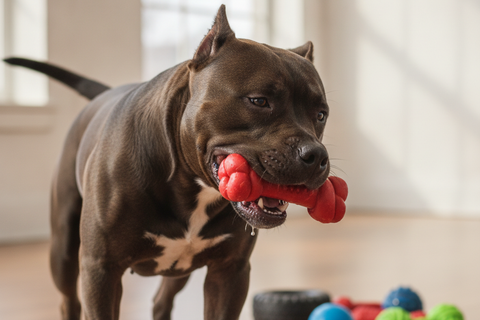
best dog toys
The Ultimate Guide: Choosing Indestructible Dog Toys for Aggressive Chewers
Jul 05, 2026
dog gear
Unleash Their Inner Olympian: Home Agility for Any Dog
Jul 05, 2026
dog gear
Lost Dog Panic? GPS Trackers Actually Work. Here's How.
Jul 05, 2026
anxiety regular
Dog Anxiety: Why Regular Beds Aren't Enough
Jul 04, 2026
dog gear
Summer Dog Safety
Jul 04, 2026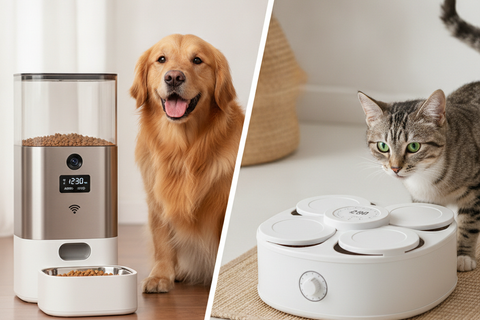
automatic pet feeder
Smart Automatic Pet Feeder vs. Timed Feeder: Which is Best for Your Pet?
Jul 04, 2026
dog gear
Summer Walks: Give Your Dog Freedom (Safely!)
Jul 04, 2026
dog gear
Summer Frisbee Fun: A Dog's Guide to Outdoor Play
Jul 03, 2026
pet care gear
Summer Scratch Solutions
Jul 03, 2026
dog gear
Unleash Their Inner Olympian: DIY Dog Agility for Happy Paws
Jul 03, 2026
dog safety at night
Reflective Dog Leashes & Collars: Enhance Nighttime Safety
Jul 03, 2026
chews that
Problem solved: Chews that stand up to your power chewer
Jul 03, 2026
dog gear
Potty Training a Puppy? Why Litter Boxes Are a Bad Idea
Jul 02, 2026
pet care gear
Summer Road Trips: Protect Your Car Seats
Jul 02, 2026
color what
Dog Pee Color: What It's Telling You (And What to Do)
Jul 02, 2026
dog gear
Summer Shedding: Stop the Dog Hair Avalanche!
Jul 02, 2026
automatic ball launcher for dogs
Choosing the Right Automatic Ball Launcher for Dogs: Endless Playtime
Jul 02, 2026
clipping dog
Clipping Dog Nails: Why It's Hard & What Truly Helps
Jul 02, 2026
dog gear
Dog Parkour? Elevate Their Chill
Jul 01, 2026
board dogs
Best Cat Scratching Post & Board for Cats: 2026 Guide
Jul 01, 2026
aggressive chewers
Top 5 Indestructible Dog Toys for Power Chewers: Built to Last
Jul 01, 2026