
dog
pet home decor
potty training
How to Stop Puppy Whining in Crate at Night: A 5-Step Guide

How to Stop Puppy Whining in Crate at Night: A 5-Step Guide
Bringing a new puppy home is an exciting adventure, filled with joyful moments and adorable cuddles. However, as the sun sets and bedtime approaches, many new pet parents find themselves facing a common challenge: a whining puppy in their crate at night. This can be heartbreaking for you and disruptive to your sleep, leaving both you and your little one exhausted.
At Furry Fable, we understand the importance of a good night's sleep for both pets and their devoted owners. Whining is a natural way for puppies to express their needs, fears, or discomfort, but it doesn't have to be a nightly ordeal. This comprehensive 5-step guide is designed to help you gently and effectively teach your puppy to love their crate and enjoy peaceful, whine-free nights.
Why Do Puppies Whine in Their Crate at Night?
Before we dive into solutions, it's crucial to understand the root causes of nighttime whining. Puppies are not being mischievous; they are communicating. Common reasons include:
- Loneliness or Separation Anxiety: Your puppy has just left their littermates and mother. Being alone can be scary and unfamiliar.
- Need to Potty: Young puppies have small bladders and cannot hold it for extended periods.
- Discomfort: The crate might be too hot, too cold, too hard, or too big, making them feel insecure.
- Hunger or Thirst: While less common at night if fed appropriately, it's a possibility.
- Fear or Uncertainty: New sounds, shadows, or being in an unfamiliar environment can cause anxiety.
- Seeking Attention: If whining has worked in the past to get your attention, your puppy will try it again.
Identifying the "why" will help you tailor your approach and ensure you're addressing your puppy's actual needs.
The 5-Step Guide to Stop Puppy Crate Whining
Step 1: Master the Crate Training Basics
A crate should be a safe, comfortable den, not a punishment. Positive association is key. Introduce the crate gradually and make it an inviting space from day one.
- Make it Inviting: Place soft bedding, a favorite toy, and an open door for exploration. Furry Fable's plush crate pads offer ultimate comfort.
- Positive Reinforcement: Lure your puppy into the crate with treats and praise. Feed meals inside the crate with the door open initially.
- Short, Positive Stays: Start with very short periods (a few minutes) with you nearby, gradually increasing the duration. Never force your puppy in.
- Location Matters: Place the crate in a quiet area where your puppy can still feel close to the family, especially at night. Often, having the crate in your bedroom for the first few weeks can provide comfort.
For a deeper dive into making the crate a happy place, explore our blog post on Crate Training Essentials for a Happy Pup.
Step 2: Establish a Solid Nighttime Routine
Consistency and predictability help puppies feel secure. A reliable routine signals that bedtime is approaching and helps them wind down.
- Evening Playtime: Engage your puppy in vigorous play or a walk an hour or two before bed to burn off excess energy.
- Final Potty Break: Take your puppy out for a final potty break right before you put them in their crate for the night. Make sure they eliminate.
- Wind-Down Period: After their last potty break, allow for a calm wind-down period indoors. Avoid stimulating games.
- Consistent Bedtime: Put your puppy to bed at roughly the same time every night. This helps regulate their internal clock.
Developing a strong potty training routine is crucial for minimizing nighttime accidents and associated whining.
Step 3: Ensure Comfort and Security in the Crate
A comfortable, safe, and secure crate environment can significantly reduce anxiety and whining.
- Right Size Crate: The crate should be just large enough for your puppy to stand up, turn around, and lie down comfortably. If it's too big, they might designate a "potty corner," which defeats the purpose. Many Furry Fable dog crates come with dividers to adjust the size as your puppy grows.
- Cozy Bedding: Provide a soft, comfortable bed or blanket. Ensure it's washable in case of accidents.
- Safe Chew Toy: A durable Furry Fable interactive toy or chew can offer comfort and a distraction. Avoid toys with small parts that could be choked on.
- Cover the Crate: Draping a blanket or towel over parts of the crate can create a den-like feel, blocking out distractions and providing a sense of security. Just ensure good ventilation.
- White Noise or Soft Music: A white noise machine or calming classical music can help mask household sounds and soothe your puppy.
Step 4: Address Potty Needs and Medical Concerns
Often, nighttime whining is a genuine plea to go potty. It's vital to differentiate between attention-seeking and a genuine need.
- Scheduled Potty Breaks: For very young puppies, you might need to take them out once in the middle of the night. Set an alarm to take them out quickly, quietly, and with minimal interaction. No playtime, just business.
- Listen to the Whine: A frantic, urgent whine often signals a potty need. A more continuous, less urgent whine might be attention-seeking. Learn your puppy's different cries.
- Avoid Rewarding Attention-Seeking: If you're certain your puppy doesn't need to potty, it's crucial not to immediately respond to attention-seeking whining. Waiting for a brief pause in whining before you approach can teach them that quiet gets your attention.
- Consult Your Vet: If your puppy is whining excessively and also experiencing diarrhea, frequent urination, or other unusual symptoms, a vet visit is warranted to rule out medical issues. Our blog on Puppy Health & Wellness Basics can offer more insights.
Step 5: Practice Patience and Consistency
Stopping puppy whining at night is a process that requires unwavering patience and consistency from you. There will be good nights and challenging nights.
- Stick to the Plan: Don't give in to whining that you know isn't for a potty break. Giving in just once teaches your puppy that persistent whining eventually works.
- Positive Reinforcement: When your puppy wakes up quietly in the morning, offer enthusiastic praise and a reward. Celebrate the quiet nights!
- Embrace the Journey: Puppyhood is a short but intense phase. With dedication, your puppy will learn to feel safe and content in their crate throughout the night. Your sleep will return, and your bond will strengthen.
Remember, building trust and a secure environment is paramount. Furry Fable is committed to supporting you every step of the way on your pet parenting journey. Browse our Furry Fable homepage for more premium products designed for your pet's comfort and happiness.
When to Seek Professional Help
While most puppies respond well to consistent training, some may exhibit severe separation anxiety or other behavioral challenges. If your puppy's whining is extreme, accompanied by destructive behavior in the crate, excessive drooling, or self-harm attempts, it's time to consult a professional dog trainer or a veterinary behaviorist. They can provide tailored guidance and support.
Conclusion
Dealing with a whining puppy at night can test any pet parent's resolve, but with the right approach, patience, and consistency, you can transform your puppy's crate experience from a source of anxiety into a haven of comfort. By focusing on positive crate training, establishing a predictable routine, ensuring ultimate comfort, addressing genuine needs, and remaining steadfast, you'll soon enjoy peaceful nights and a well-rested furry companion.
Furry Fable is dedicated to providing premium products and expert advice to help you and your pets thrive. We wish you many silent, serene nights ahead with your beloved puppy!
FurryFable Recommendations
 Dog Backpack | Portable Outdoor Travel Vest Bag for Small Dogs
★★★★★ 4.97 (29)
Save 34%$19.20 Shop Now
 TSA Approved Hard-Sided Pet Carrier | Ventilated Travel Crate
★★★★★ 4.78 (9)
Save 30%$58.06 Shop Now
✓ Free USA Shipping✓ Fast Delivery✓ Secure Checkout✓ 100% Satisfaction
If you found this helpful, also read: calming your anxious canine.
If you found this helpful, also read: how much sleep a puppy needs.
If you found this helpful, also read: mental stimulation for puppies.
You Might Also Like

calming vest
Best Dog Anxiety Vest for Dogs: 2026 Guide
Sep 17, 2026
dog gear
Best Dog Puzzle Toy for Dogs: 2026 Guide
Sep 12, 2026
destroys toys
Why Your Dog Destroys Toys — & How to Finally Stop It
Sep 05, 2026
autumn puppy
Autumn Puppy Potty Training
Sep 05, 2026
collar leash
Best Dog Collar & Leash Set for Dogs: 2026 Guide
Sep 04, 2026
autumn dog
Autumn Dog Nail Care: Ditching the Drama & Embracing Healthy Paws
Sep 04, 2026
autumn dog
Autumn Dog Beds: Why Your Pup Still Gets Hot & How to Fix It
Sep 03, 2026
freedom fumble
Retractable Leashes: Freedom or Fumble?
Sep 03, 2026
bird gear
Best Chicken Coop Swing & Toy for Dogs: 2026 Guide
Sep 02, 2026
autumn paw
Autumn Paw Patrol: Stop Litter Tracks for Good
Sep 02, 2026
arms automatic
Tired Arms? Automatic Toys for Small Dogs That Actually Work
Sep 01, 2026
dog gear
Unleash Their Inner Athlete: Backyard Dog Agility Secrets
Sep 01, 2026
agility seesaw
Best Dog Agility Seesaw for Dogs: 2026 Guide
Aug 10, 2026
cat play
Dog-Proof Cat Play: Harmony in Your Shared Spaces
Aug 10, 2026
dog gear
Summer Dog Travel: for Stress-Free Adventures
Aug 10, 2026
anxious dog
Anxious Dog? : A Calming Bed That Actually Works
Jul 08, 2026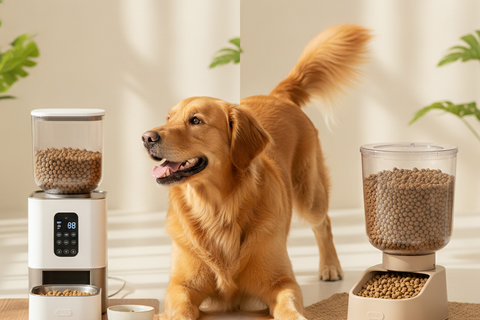
automatic cat feeder
Smart Automatic Pet Feeder vs. Gravity Feeder: Which is Best for Your Pet's Routine?
Jul 08, 2026
dog gear
Hiking with Your Dog: The Long Leash Dilemma Solved
Jul 08, 2026
mess solved
Paw Mess Solved
Jul 07, 2026
dog gear
Dog Eats Too Fast? Ragnor's Fix for Gulping & Bloat
Jul 07, 2026
beyond fetch
Summer Dog Games: Beyond Fetch
Jul 07, 2026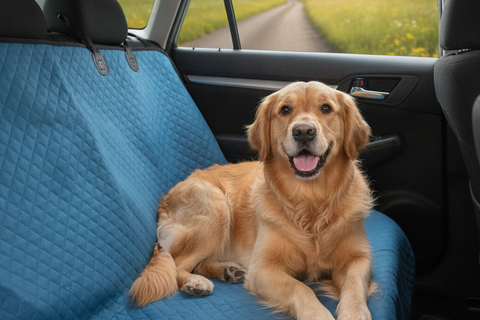
breathable dog car seat
Stay Cool on the Road: Top 5 Cooling Dog Car Seat Covers for Summer Adventures
Jul 07, 2026
invaders keep
Yard Invaders? How to Keep Stray Dogs Away (Kindly)
Jul 07, 2026
avoid drama
Clipping Dog Nails: Avoid the Drama & Do It Right
Jul 06, 2026
brachycephalic dog gear
Best No-Pull Harness for French Bulldogs: Comfort, Control & Style
Jul 06, 2026
bored dog
Bored Dog? Unleash Happiness with Vertical Play
Jul 06, 2026
clothes jackets
Best Dog Clothes & Jackets for Dogs: 2026 Guide
Jul 06, 2026
pet care gear
Best Portable Pet Water Bottle for Dogs: 2026 Guide
Jul 05, 2026
foes scratch
Furniture Foes: for Scratch-Proof Paws
Jul 05, 2026
best dog toys
The Ultimate Guide: Choosing Indestructible Dog Toys for Aggressive Chewers
Jul 05, 2026
dog gear
Unleash Their Inner Olympian: Home Agility for Any Dog
Jul 05, 2026
dog gear
Lost Dog Panic? GPS Trackers Actually Work. Here's How.
Jul 05, 2026
anxiety regular
Dog Anxiety: Why Regular Beds Aren't Enough
Jul 04, 2026
dog gear
Summer Dog Safety
Jul 04, 2026
automatic pet feeder
Smart Automatic Pet Feeder vs. Timed Feeder: Which is Best for Your Pet?
Jul 04, 2026
dog gear
Summer Walks: Give Your Dog Freedom (Safely!)
Jul 04, 2026
dog gear
Summer Frisbee Fun: A Dog's Guide to Outdoor Play
Jul 03, 2026
pet care gear
Summer Scratch Solutions
Jul 03, 2026
dog gear
Unleash Their Inner Olympian: DIY Dog Agility for Happy Paws
Jul 03, 2026
dog safety at night
Reflective Dog Leashes & Collars: Enhance Nighttime Safety
Jul 03, 2026
chews that
Problem solved: Chews that stand up to your power chewer
Jul 03, 2026
dog gear
Potty Training a Puppy? Why Litter Boxes Are a Bad Idea
Jul 02, 2026
pet care gear
Summer Road Trips: Protect Your Car Seats
Jul 02, 2026
color what
Dog Pee Color: What It's Telling You (And What to Do)
Jul 02, 2026
dog gear
Summer Shedding: Stop the Dog Hair Avalanche!
Jul 02, 2026
automatic ball launcher for dogs
Choosing the Right Automatic Ball Launcher for Dogs: Endless Playtime
Jul 02, 2026
clipping dog
Clipping Dog Nails: Why It's Hard & What Truly Helps
Jul 02, 2026
dog gear
Dog Parkour? Elevate Their Chill
Jul 01, 2026
board dogs
Best Cat Scratching Post & Board for Cats: 2026 Guide
Jul 01, 2026
aggressive chewers
Top 5 Indestructible Dog Toys for Power Chewers: Built to Last
Jul 01, 2026