

Calm Paws, Happy Home: Expert Tips for Easing Dog & Cat Anxiety
As devoted pet parents, we cherish the boundless joy and unconditional love our dogs and cats bring into our lives. Yet, sometimes, even the most cherished companions can exhibit signs of anxiety, turning a once serene home into a place of stress for both pet and owner. At Furry Fable, we understand that a pet's well-being extends beyond just physical health – it encompasses their emotional state too. Addressing anxiety is crucial for a happy, healthy life.
This comprehensive guide offers expert insights and practical strategies to help you identify, understand, and effectively ease anxiety in your beloved dogs and cats. Let's work together to create a calmer, happier home where every paw is a calm paw.
Understanding Pet Anxiety: What Does It Look Like?
The first step in helping your anxious pet is recognizing the signs. Anxiety can manifest differently in dogs and cats, and what might be subtle behavior for one could be a clear cry for help from another. Early recognition allows for timely intervention.
Signs of Anxiety in Dogs
- Excessive barking or howling, especially when left alone.
- Destructive chewing, digging, or scratching furniture, doors, or personal items.
- Pacing, restlessness, or repetitive behaviors.
- House soiling (urinating or defecating indoors) despite being house-trained.
- Trembling, shaking, or shivering even when not cold.
- Excessive licking or grooming, sometimes leading to raw spots.
- Hiding, cowering, or attempting to escape.
- Changes in appetite or sleep patterns.
- Aggression (growling, snapping, biting) when feeling threatened or overwhelmed.
- Clinginess or constant seeking of attention.
Signs of Anxiety in Cats
- Hiding more frequently or in unusual places.
- Changes in litter box habits (urinating/defecating outside the box).
- Excessive grooming, leading to bald patches or skin irritation.
- Increased vocalization (meowing, yowling) without an obvious reason.
- Aggression towards people or other pets.
- Changes in eating habits (overeating or loss of appetite).
- Pacing or restlessness, especially at night.
- Dilated pupils or flattened ears when no threat is present.
- Avoidance of social interaction.
- Compulsive behaviors like sucking on fabric or repetitive licking.
Common Triggers for Pet Anxiety
Understanding the root cause of your pet's anxiety is key to addressing it effectively. Anxiety is rarely without a trigger, though some can be subtle.
- Separation Anxiety: One of the most common forms, triggered by being left alone.
- Loud Noises: Thunderstorms, fireworks, construction, or even loud domestic sounds can be terrifying.
- Changes in Environment or Routine: Moving to a new home, new people or pets joining the household, or even just a change in your daily schedule.
- Traumatic Experiences: Past abuse, abandonment, or frightening events can leave lasting emotional scars.
- Lack of Socialization: Pets not properly socialized as puppies or kittens may be fearful of new situations.
- Pain or Illness: Underlying medical conditions can cause discomfort and lead to anxiety. Always rule out health issues with a vet.
- Age-Related Cognitive Decline: Senior pets can experience disorientation and increased anxiety as they age.
Proactive & Practical Strategies for a Calmer Companion
Once you've identified the signs and potential triggers, you can begin implementing strategies to help your pet feel more secure and content.
1. Create a Safe & Predictable Environment
A consistent routine provides a sense of security. Regular feeding times, walks, and playtime help your pet anticipate what's next. Designate a quiet, comfortable "safe space" where your pet can retreat when feeling overwhelmed. This might be a crate covered with a blanket, a cozy calming bed or nest, or a quiet room.
Consider using pet-specific calming pheromone diffusers or sprays, which mimic natural calming pheromones and can help reduce stress. Playing classical music or white noise can also mask startling sounds.
2. Exercise & Mental Stimulation are Key
A tired pet is often a calm pet. Ensure your dog receives adequate physical exercise appropriate for their breed and age. For cats, interactive play that mimics hunting can be incredibly beneficial. Mental stimulation is equally important; puzzle toys, treat-dispensing toys, and short training sessions can engage their minds and reduce boredom, a common precursor to anxiety.
Explore Furry Fable's interactive toys and enrichment products designed to challenge and entertain your pet, providing a healthy outlet for their energy.
3. The Power of Positive Reinforcement & Training
Positive reinforcement builds confidence and trust. Reward calm behavior with treats, praise, or gentle petting. Avoid punishment, as this can increase anxiety and fear. For specific triggers, consider desensitization and counter-conditioning techniques – gradually exposing your pet to the trigger in a controlled way, while associating it with positive experiences (e.g., treats during a thunderstorm). Basic obedience training also provides structure and helps your dog feel more secure in their role.
If your dog tends to chew destructively when anxious, redirect that energy to appropriate durable chew toys. This provides a safe and satisfying outlet for their stress.
4. Nutrition & Supplements: Supporting Calm from Within
A high-quality, balanced diet is fundamental to overall health, including mental well-being. Some premium pet foods are formulated with ingredients that support neurological health. Additionally, certain supplements, such as those containing L-Theanine, Tryptophan, or specialized probiotics, can help promote a sense of calm. Always consult your veterinarian before introducing any new supplements to ensure they are safe and appropriate for your pet.
While Furry Fable focuses on premium products, always discuss dietary changes and supplements with your vet. For information on general pet health, you might find our blog post, "The Importance of Routine for Your Pet," helpful.
5. Consider Calming Aids & Products
Beyond pheromones, several physical aids can help. Anxiety vests or wraps, like thunder shirts, apply gentle, constant pressure similar to a swaddle, which can have a calming effect on some dogs. Specialized calming treats, formulated with natural ingredients, can also be used as part of a multi-faceted approach.
Explore our selection of calming aids and accessories at Furry Fable, designed to complement your efforts in creating a stress-free environment.
When to Seek Professional Help
While many cases of mild anxiety can be managed with home strategies, some pets require professional intervention. If your pet's anxiety is severe, debilitating, or doesn't improve with your efforts, it's crucial to consult a professional:
- Your Veterinarian: The first step is always a vet visit to rule out any underlying medical conditions that might be causing or exacerbating the anxiety. They can also discuss prescription medications if necessary.
- Certified Professional Dog/Cat Behaviorist: For complex cases, a behaviorist can provide tailored strategies, behavioral modification plans, and direct guidance based on your pet's specific needs and triggers.
Remember, patience and consistency are paramount when addressing pet anxiety. It's a journey, not a sprint, and every small step towards a calmer demeanor is a victory. Your dedication can transform your anxious pet into a confident, happy companion.
At Furry Fable, we are committed to supporting pet parents in providing the best possible care for their beloved dogs and cats. Explore our premium range of products designed for comfort, enrichment, and well-being, helping you foster a happy and serene home environment.
FurryFable Recommendations
 FurryFable Calming Dog Anxiety Vest – Stress & Fear Relief
✓ Free USA Shipping✓ Fast Delivery✓ Secure Checkout✓ 100% Satisfaction
If you found this helpful, also read: calming vests and puzzle toys.
If you found this helpful, also read: interactive cat puzzle toys.
If you found this helpful, also read: best calming products for dogs.
You Might Also Like

calming vest
Best Dog Anxiety Vest for Dogs: 2026 Guide
Sep 17, 2026
dog gear
Best Dog Puzzle Toy for Dogs: 2026 Guide
Sep 12, 2026
destroys toys
Why Your Dog Destroys Toys — & How to Finally Stop It
Sep 05, 2026
autumn puppy
Autumn Puppy Potty Training
Sep 05, 2026
collar leash
Best Dog Collar & Leash Set for Dogs: 2026 Guide
Sep 04, 2026
autumn dog
Autumn Dog Nail Care: Ditching the Drama & Embracing Healthy Paws
Sep 04, 2026
autumn dog
Autumn Dog Beds: Why Your Pup Still Gets Hot & How to Fix It
Sep 03, 2026
freedom fumble
Retractable Leashes: Freedom or Fumble?
Sep 03, 2026
bird gear
Best Chicken Coop Swing & Toy for Dogs: 2026 Guide
Sep 02, 2026
autumn paw
Autumn Paw Patrol: Stop Litter Tracks for Good
Sep 02, 2026
arms automatic
Tired Arms? Automatic Toys for Small Dogs That Actually Work
Sep 01, 2026
dog gear
Unleash Their Inner Athlete: Backyard Dog Agility Secrets
Sep 01, 2026
agility seesaw
Best Dog Agility Seesaw for Dogs: 2026 Guide
Aug 10, 2026
cat play
Dog-Proof Cat Play: Harmony in Your Shared Spaces
Aug 10, 2026
dog gear
Summer Dog Travel: for Stress-Free Adventures
Aug 10, 2026
anxious dog
Anxious Dog? : A Calming Bed That Actually Works
Jul 08, 2026
automatic cat feeder
Smart Automatic Pet Feeder vs. Gravity Feeder: Which is Best for Your Pet's Routine?
Jul 08, 2026
dog gear
Hiking with Your Dog: The Long Leash Dilemma Solved
Jul 08, 2026
mess solved
Paw Mess Solved
Jul 07, 2026
dog gear
Dog Eats Too Fast? Ragnor's Fix for Gulping & Bloat
Jul 07, 2026
beyond fetch
Summer Dog Games: Beyond Fetch
Jul 07, 2026
breathable dog car seat
Stay Cool on the Road: Top 5 Cooling Dog Car Seat Covers for Summer Adventures
Jul 07, 2026
invaders keep
Yard Invaders? How to Keep Stray Dogs Away (Kindly)
Jul 07, 2026
avoid drama
Clipping Dog Nails: Avoid the Drama & Do It Right
Jul 06, 2026
brachycephalic dog gear
Best No-Pull Harness for French Bulldogs: Comfort, Control & Style
Jul 06, 2026
bored dog
Bored Dog? Unleash Happiness with Vertical Play
Jul 06, 2026
clothes jackets
Best Dog Clothes & Jackets for Dogs: 2026 Guide
Jul 06, 2026
pet care gear
Best Portable Pet Water Bottle for Dogs: 2026 Guide
Jul 05, 2026
foes scratch
Furniture Foes: for Scratch-Proof Paws
Jul 05, 2026
best dog toys
The Ultimate Guide: Choosing Indestructible Dog Toys for Aggressive Chewers
Jul 05, 2026
dog gear
Unleash Their Inner Olympian: Home Agility for Any Dog
Jul 05, 2026
dog gear
Lost Dog Panic? GPS Trackers Actually Work. Here's How.
Jul 05, 2026
anxiety regular
Dog Anxiety: Why Regular Beds Aren't Enough
Jul 04, 2026
dog gear
Summer Dog Safety
Jul 04, 2026
automatic pet feeder
Smart Automatic Pet Feeder vs. Timed Feeder: Which is Best for Your Pet?
Jul 04, 2026
dog gear
Summer Walks: Give Your Dog Freedom (Safely!)
Jul 04, 2026
dog gear
Summer Frisbee Fun: A Dog's Guide to Outdoor Play
Jul 03, 2026
pet care gear
Summer Scratch Solutions
Jul 03, 2026
dog gear
Unleash Their Inner Olympian: DIY Dog Agility for Happy Paws
Jul 03, 2026
dog safety at night
Reflective Dog Leashes & Collars: Enhance Nighttime Safety
Jul 03, 2026
chews that
Problem solved: Chews that stand up to your power chewer
Jul 03, 2026
dog gear
Potty Training a Puppy? Why Litter Boxes Are a Bad Idea
Jul 02, 2026
pet care gear
Summer Road Trips: Protect Your Car Seats
Jul 02, 2026
color what
Dog Pee Color: What It's Telling You (And What to Do)
Jul 02, 2026
dog gear
Summer Shedding: Stop the Dog Hair Avalanche!
Jul 02, 2026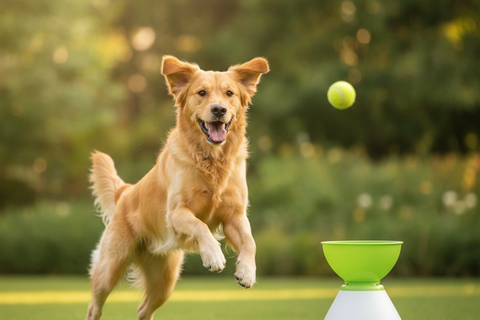
automatic ball launcher for dogs
Choosing the Right Automatic Ball Launcher for Dogs: Endless Playtime
Jul 02, 2026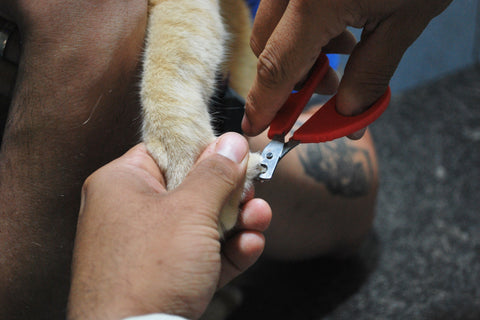
clipping dog
Clipping Dog Nails: Why It's Hard & What Truly Helps
Jul 02, 2026
dog gear
Dog Parkour? Elevate Their Chill
Jul 01, 2026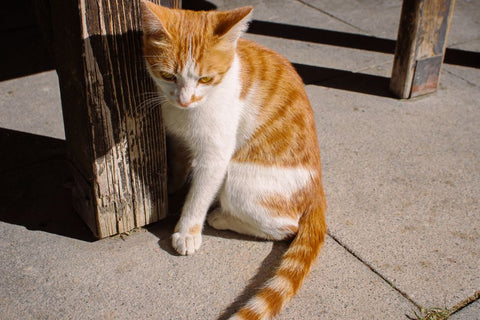
board dogs
Best Cat Scratching Post & Board for Cats: 2026 Guide
Jul 01, 2026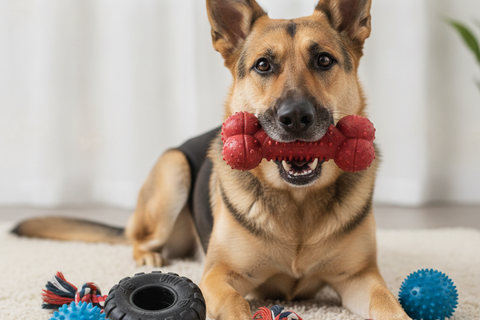
aggressive chewers
Top 5 Indestructible Dog Toys for Power Chewers: Built to Last
Jul 01, 2026