
best
dog
furryfable
Best Dog Leash for Dachshunds: 2026 Guide

Welcome to FurryFable.com, your trusted source for premium pet products and expert advice tailored for the unique needs of your beloved companions. Today, we're diving deep into a topic crucial for every Dachshund parent: finding the absolute best dog leash for Dachshunds. These delightful, long-bodied companions are full of personality, but their distinctive physique requires careful consideration when it comes to their walking gear. As of 2026, we’ve researched the latest innovations and gathered timeless wisdom to ensure your low-rider enjoys every stroll safely and comfortably.
Dachshunds, affectionately known as "wiener dogs," are renowned for their playful spirit, unwavering loyalty, and sometimes, a streak of stubbornness. Their long backs and short legs are adorable but also make them prone to specific health issues, most notably Intervertebral Disc Disease (IVDD). This predisposition means that selecting the right leash and harness isn't just about convenience; it's about protecting their delicate spine and ensuring their long-term well-being. A poorly chosen leash can put undue stress on their neck and back, exacerbating potential problems. Our comprehensive guide will walk you through everything you need to know to make an informed decision for your Doxie.
Quick Answer
The best dog leash for a Dachshund is typically a lightweight, fixed-length leash (4-6 feet) made from durable, comfortable material, always paired with a well-fitting, Y-front or H-style harness that distributes pressure away from their neck and spine. Prioritize comfort, control, and spinal health to ensure safe and enjoyable walks for your long-backed companion.
Why Dachshunds Need a Specialized Leash and Harness System
Understanding the unique anatomical and behavioral traits of your Dachshund is the first step in choosing appropriate walking gear. These aren't just small dogs; they're a breed with very specific requirements that set them apart from many other canines.
Their Unique Physique: The Long Back and Short Legs
The defining characteristic of a Dachshund is its elongated body and short, sturdy legs. This unique build, while charming, makes them susceptible to spinal problems. According to the American Kennel Club (AKC), Dachshunds are chondrodystrophic, meaning they have abnormal cartilage development that contributes to their distinctive shape. This also makes them particularly vulnerable to IVDD, where the discs between the vertebrae can rupture or bulge, causing pain, nerve damage, and even paralysis.
- Spinal Health is Paramount: Any sudden jerking or pulling on a collar can put immense strain on a Dachshund’s neck and, consequently, their entire spine. This is why a harness is almost universally recommended over a collar for walking a Dachshund.
- Low to the Ground: Their low stature means they experience the world differently. They're closer to potential hazards on the ground and can be harder to spot in certain environments.
Their Personality: Stubbornness and Prey Drive
Dachshunds were originally bred to hunt badgers, a task that required immense bravery, determination, and a healthy dose of stubbornness. These traits are still very much present in today's Doxies:
- Strong Prey Drive: A squirrel, a rabbit, or even a blowing leaf can trigger their instinct to chase. This means they can pull suddenly and strongly, regardless of their small size. A secure and comfortable leash-harness system is vital to manage these sudden lunges without causing harm.
- Independent Thinkers: Their stubborn streak can make leash training a challenge. They might decide they want to go in a different direction or stop entirely to investigate an interesting smell. A leash that offers gentle, consistent control without discomfort is key.
Small Size Considerations
While physically robust for their size, Dachshunds are still small dogs. This means:
- Lightweight Gear: Heavy leashes or cumbersome clips can be uncomfortable and impractical for a small dog.
- Visibility: Being low to the ground, especially in busy areas or at night, requires leashes with good visibility features.
Given these factors, it becomes clear that the best dog leash for Dachshunds isn't just any leash; it's part of a carefully selected system designed to protect their unique body and manage their spirited personality.
Harness vs. Collar & Leash for Dachshunds: The Definitive Choice
For Dachshunds, the debate between a collar and a harness isn't much of a debate at all among veterinarians and experienced Doxie owners. The overwhelming consensus is to use a harness for walks, reserving a collar primarily for identification tags.
The Case for a Harness
A well-fitting harness distributes pressure across your Dachshund's chest, shoulders, and back, effectively removing any strain from their delicate neck and spine. This is absolutely critical for preventing or minimizing the risk of IVDD flare-ups or worsening existing conditions. The ASPCA consistently advocates for harnesses for breeds prone to tracheal collapse or spinal issues, a category Dachshunds fall squarely into.
When selecting a harness, look for:
- Y-Front or H-Style Design: These designs avoid pressure on the throat and allow for free shoulder movement. They are the gold standard for Dachshunds.
- Proper Fit: The harness should be snug but not tight, allowing two fingers to slip comfortably under the straps. It should not chafe under the armpits or restrict movement. A poorly fitting harness can be just as detrimental as a collar.
- Soft, Breathable Materials: Especially important for their sensitive skin.
You can explore a wide range of suitable options in our Harness and Leash Collection, specifically looking for those designed for smaller breeds and spinal support.
When is a Collar Acceptable?
While not recommended for walking, a collar still serves an important purpose for your Dachshund:
- Identification: A lightweight collar with ID tags (including your phone number and rabies tag) is essential for safety, should your Doxie ever get lost. Consider pairing it with advanced tracking technology like those discussed in our guide: Never Lose Your Pet: A Buying Guide to the Best AirTag Pet Collars.
- Home Use: Some owners prefer a collar for very short periods indoors, but generally, it's best to remove it when unsupervised to prevent snagging.
Even for identification, ensure the collar is lightweight and fits correctly, allowing two fingers to slide underneath. Never attach a leash to a collar for a Dachshund walk.
Comparison Table: What to Look for in a Dog Leash for Dachshunds
Choosing the ideal leash involves balancing several factors. Here’s a quick reference guide to help you identify the features that matter most for your long-backed friend:
| Feature | Why it's Important for Dachshunds | Recommended Choice |
|---|---|---|
| Leash Type | Provides consistent control, prevents sudden jerks, safer for spinal health. Retractables are dangerous. | Fixed-length (Standard) Leash |
| Length | Allows exploration while maintaining control, prevents excessive pulling, keeps them close in traffic. | 4-6 feet (1.2-1.8 meters) |
| Material | Lightweight to avoid burdening small dogs, durable for strong pullers, comfortable for owner's grip. | Nylon, polyester, or lightweight leather |
| Width/Thickness | Proportional to their small size; avoids bulkiness while offering strength. | ½ to ¾ inch (1.25-2 cm) |
| Handle Comfort | Crucial for owner comfort, especially during walks with a determined Dachshund. Prevents hand strain. | Padded or ergonomically designed handle |
| Hardware (Clip) | Secure attachment to harness, lightweight to avoid discomfort. Easy to operate. | Lightweight, sturdy swivel snap (e.g., aluminum alloy) |
| Reflectivity/Visibility | Being low to the ground, they are harder to see, especially at dawn/dusk or in poor weather. Enhances safety. | Reflective stitching or bright colors |
| Weight of Leash | Heavy leashes can drag or be cumbersome for a small dog, potentially pulling on the harness. | Lightweight |
Key Features of the Best Dog Leash for Dachshunds
Now that we understand the foundational choice of a harness, let's break down the specific features that make a leash ideal for your Dachshund.
Leash Type: Fixed-Length Reigns Supreme
When it comes to the best dog leash for Dachshunds, a standard, fixed-length leash is almost always the superior choice. This type of leash provides consistent control, which is essential for managing a Dachshund's strong prey drive and stubborn tendencies without putting sudden stress on their spine.
- Standard Fixed-Length Leash: This is your go-to. It offers predictable control, teaches your Dachshund how much slack they have, and allows you to give gentle, consistent guidance. It’s perfect for loose-leash walking training.
- Hands-Free Leashes: These can be useful for owners who need their hands free, attaching around the waist. However, for a small, low-to-the-ground dog like a Dachshund, ensure the attachment point on the harness is appropriate (e.g., back clip) and that you maintain good awareness to prevent your Doxie from getting underfoot. Always choose one with a quick-release mechanism.
- Retractable Leashes: We strongly advise against retractable leashes for Dachshunds. These leashes offer very little control, encourage pulling, and can lead to sudden, severe jerks if your Dachshund lunges or reaches the end of the leash quickly. Such sudden impacts are incredibly dangerous for their delicate spines and can cause serious injury, including IVDD flare-ups. They also pose a risk of tangling and rope burns.
- Training Leashes (Long Lines): For controlled environments like a securely fenced yard, a long line (15-30 feet) can be beneficial for recall training. However, they are not suitable for everyday walks in public spaces due to the lack of immediate control. For more on training, check out our collection of Training & Control Gear.
Ideal Leash Length for Dachshunds
For most daily walks, a leash length of 4 to 6 feet (approximately 1.2 to 1.8 meters) is ideal for a Dachshund.
- 4-Foot Leash: Offers excellent close control, beneficial in crowded areas, for strong pullers, or during initial leash training. It keeps your Doxie close to your side.
- 6-Foot Leash: Provides a good balance of freedom and control, allowing your Dachshund to sniff and explore a bit more while still keeping them safely within reach. This is often the preferred length for general walks.
Anything longer than 6 feet can make it harder to manage a sudden dash, increasing the risk of spinal injury if they hit the end of the leash with force.
Material Matters: Durability, Comfort, and Weight
The material of the leash impacts its durability, your comfort, and your Dachshund's experience.
- Nylon: A popular choice for its durability, water resistance, and affordability. Look for woven nylon that is soft on the hands.
- Polyester: Similar to nylon but often with a slightly softer feel. It's also durable and resistant to mildew.
- Lightweight Leather: Offers a classic look and becomes softer over time. Choose thin, supple leather that won't be too heavy for a small dog. Ensure it's treated to be water-resistant.
- Rope Leashes: Can be durable but ensure the rope is soft and not abrasive, especially for the handle.
Regardless of material, ensure it's lightweight. A heavy leash can create unnecessary drag and discomfort for a small dog, even when attached to a harness. The leash should also be appropriately sized in width – typically ½ to ¾ inch (1.25-2 cm) wide is sufficient for a Dachshund, offering strength without bulk.
Handle Comfort for the Owner
You'll be holding this leash for every walk, so your comfort is important too!
- Padded Handles: A handle lined with neoprene, fleece, or soft rubber can prevent chafing and provide a much more comfortable grip, especially if your Dachshund pulls.
- Ergonomic Design: Some handles are shaped to fit the hand more naturally, reducing fatigue.
A comfortable handle helps you maintain a relaxed grip, which in turn leads to a more relaxed leash and a better experience for your Dachshund.
Secure and Lightweight Hardware
The clip that attaches the leash to the harness is a critical component.
- Swivel Snap: A high-quality swivel snap prevents the leash from tangling, even if your Doxie spins in circles.
- Lightweight but Strong: The clip should be sturdy enough to withstand a Dachshund's pull but not so heavy that it weighs down the harness or irritates their back. Aluminum alloy clips are often a good balance of strength and low weight.
- Easy to Attach/Detach: Look for a clip that is easy for you to operate with one hand, but secure enough that it won't accidentally open.
Reflectivity and Visibility for Safety
Dachshunds are low to the ground, making them less visible to drivers and cyclists, especially in low-light conditions.
- Reflective Stitching: Many modern leashes incorporate reflective threads that glow brightly when hit by light, significantly increasing visibility.
- Bright Colors: Opting for brightly colored leashes (and harnesses) can also improve daytime visibility.
For added safety during evening walks, consider reflective vests for your Doxie or even LED light attachments, which can be found in our Safety & High-Tech Gear collection.
Pairing Your Leash with the Right Harness for Optimal Dachshund Health
As emphasized, a leash is only as good as the harness it's paired with, especially for a Dachshund. The harness is the primary protector of their spinal health.
The Importance of a Y-Front or H-Style Harness
These harness styles are ideal because they avoid putting any pressure on your Dachshund's throat or shoulders. Instead, they distribute the pressure evenly across the chest and back.
- Y-Front: Features a strap that runs down the center of the chest, forming a 'Y' shape. This allows for full range of motion for the front legs and keeps pressure off the trachea.
- H-Style: Consists of two loops (one for the neck, one for the chest) connected by a strap along the back and another under the belly, forming an 'H'. Similar to the Y-front, it ensures no pressure on the throat.
Avoid step-in harnesses that can put pressure across the shoulders or harnesses that go straight across the chest, as these can restrict movement and potentially cause discomfort or injury over time, especially with a long-backed dog.
Achieving the Perfect Fit
A harness, no matter the style, is only effective if it fits correctly. A poorly fitting harness can chafe, restrict movement, or still allow pressure on sensitive areas.
- Measure Carefully: Always measure your Dachshund's chest girth (around the widest part of their rib cage, just behind the front legs) and neck circumference. Compare these measurements to the manufacturer's sizing chart.
- Two-Finger Rule: You should be able to comfortably slip two fingers under all straps of the harness. If you can't, it's too tight; if you can fit more, it's too loose.
- Check for Chafing: After the first few walks, inspect your Dachshund's armpits and chest for any signs of rubbing or irritation.
- No Restriction of Movement: Ensure the harness doesn't impede their natural gait or shoulder movement.
For a deeper dive into harness selection for small, stout breeds, you might find valuable insights in our guide: Best Harness for French Bulldogs: Comfort, Fit & Style Guide, as many principles apply to breeds with similar anatomical considerations.
Training Your Dachshund on Leash
Dachshunds are intelligent but can be notoriously stubborn. Leash training requires patience, consistency, and the right tools.
Addressing Stubbornness and Prey Drive
- Start Early: Begin leash and harness training as a puppy. Positive experiences early on are crucial.
- Positive Reinforcement: Always use treats, praise, and toys to reward desired behavior. Never punish pulling, as this can create a negative association with the leash.
- Short, Frequent Sessions: Dachshunds have short attention spans. Keep training sessions brief (5-10 minutes) and fun.
- Manage Distractions: Start training in a quiet environment and gradually introduce more distractions as your Doxie improves.
Loose-Leash Walking Techniques
The goal is a loose leash, where your Dachshund walks beside you without pulling. This prevents sudden jerks that could harm their spine.
- The "Stop and Go" Method: When your Dachshund pulls, stop walking immediately. Only resume once the leash slackens. They will learn that pulling gets them nowhere.
- Change Direction: If your Doxie starts to pull, calmly change direction. This teaches them to pay attention to you rather than forging ahead.
- Reward Good Behavior: Whenever your Dachshund walks with a loose leash, reward them generously.
Remember that the best dog leash for Dachshunds facilitates training; it doesn't do the training for you. Consistency is key. For more advanced training tools, explore our Training & Control Gear collection.
Safety Considerations for Dachshund Walks
Beyond spinal health, several other safety aspects are crucial for your Dachshund's walks.
Awareness of Surroundings
- Traffic: Due to their low stature, Dachshunds are harder for drivers to see. Always walk on a short leash near roads and consider highly visible gear.
- Other Dogs/Animals: Their brave and sometimes feisty nature means they might confront larger dogs. A secure leash allows you to quickly pull them to safety if needed. Their prey drive also means they might dart after small animals.
- Children: Ensure children understand how to interact gently with a Dachshund, especially avoiding rough play that could impact their back.
Environmental Factors
- Weather: Their short legs mean they are very close to hot pavement in summer or cold snow/ice in winter. Always check ground temperatures. For summer walks, our guide on Keeping Your Dog Cool This Summer offers essential tips.
- Hazards: Keep an eye out for sharp objects, toxic plants, or anything your Dachshund might try to eat off the ground.
Preventing Escapes
Dachshunds are clever and can be escape artists. Ensure your harness is snug enough that they cannot back out of it. A secure leash and harness system from our Harness and Leash collection will be your best defense against unexpected dashes.
Maintaining Your Dachshund's Leash and Harness
Proper care extends the life of your gear and ensures it remains safe and functional.
- Regular Cleaning: Leashes and harnesses can get dirty quickly. Most nylon or polyester items can be hand-washed with mild soap and water, then air-dried. Check manufacturer instructions.
- Inspect for Wear and Tear: Before each walk, quickly inspect the leash for frayed edges, stretched material, or weakening hardware. Pay close attention to the clip mechanism.
- Replace When Necessary: A worn leash or harness is a safety hazard. If you notice any significant damage, it's time to replace it. Investing in quality gear from the start, like those found at FurryFable.com, will generally offer better longevity.
A well-maintained leash and harness system is an investment in your Dachshund's safety and comfort.
Conclusion: The Right Leash for a Happy, Healthy Dachshund
Choosing the best dog leash for Dachshunds is a vital decision that directly impacts their health, safety, and enjoyment of walks. Given their unique long-backed physique and spirited personality, a standard fixed-length leash (4-6 feet) made from lightweight, durable material, always paired with a properly fitted Y-front or H-style harness, is the unequivocal champion. This combination protects their delicate spine, offers optimal control, and allows you to enjoy countless adventures together.
At FurryFable.com, we understand the special bond you share with your Dachshund. We're committed to providing premium products that meet their specific needs, ensuring they lead a comfortable, active, and long life. Don't compromise on their safety and well-being. Invest in a high-quality leash and harness system today and transform every walk into a joyous, worry-free experience for both of you.
Ready to find the perfect walking gear for your beloved Doxie? Explore our extensive Harness and Leash Collection now and discover options designed with your Dachshund's unique needs in mind!
Frequently Asked Questions About Dachshund Leashes
1. Is a retractable leash ever suitable for a Dachshund?
No, we strongly advise against using retractable leashes for Dachshunds. Their long backs are highly susceptible to spinal injuries, and the sudden jerks and uncontrolled stopping that often occur with retractable leashes can cause severe damage or exacerbate conditions like IVDD. A fixed-length leash provides much better control and safety for your Doxie's delicate spine.
2. What type of harness is best to pair with a Dachshund leash?
For Dachshunds, a Y-front or H-style harness is highly recommended. These designs distribute pressure evenly across the chest and shoulders, avoiding any strain on their throat or delicate spine. Always ensure the harness fits snugly but comfortably, allowing two fingers to slip underneath the straps, and doesn't restrict their shoulder movement.
3. How long should a leash be for a Dachshund?
An ideal leash length for a Dachshund is typically 4 to 6 feet (1.2 to 1.8 meters). A 4-foot leash offers excellent close control for busy areas or training, while a 6-foot leash provides a good balance of freedom for exploration and still allows you to maintain safe, consistent control without putting undue stress on their back.
4. Can I use a collar for walking my Dachshund?
While a lightweight collar is essential for holding identification tags, it is generally not recommended for walking a Dachshund. Attaching a leash to a collar can put direct pressure on their neck and spine, increasing the risk of injury, especially for a breed prone to IVDD. Always use a well-fitting harness for walks to ensure their safety and comfort.
5. What materials are best for a Dachshund leash?
For a Dachshund leash, look for lightweight yet durable materials such as high-quality nylon, polyester, or thin, supple leather. These materials offer strength to manage their spirited pulling while remaining comfortable for both your hand and your Doxie. Ensure the hardware (clip) is also lightweight but secure, and consider reflective stitching for added visibility.
FurryFable Recommendations
 FurryFable Reflective Dog Leash: Soft Foam Handle & No-Slip Grip
★★★★★ 4.96 (25)
Save 32%$14.80 Shop Now
 FurryFable Retractable Dog Leash – One-Touch Brake, Tangle-Free
★★★★★ 4.95 (19)
Save 32%$16.50 Shop Now
 Premium Soft Velvet Dog Leash & Collar Set by FurryFable
✓ Free USA Shipping✓ Fast Delivery✓ Secure Checkout✓ 100% Satisfaction
You Might Also Like

calming vest
Best Dog Anxiety Vest for Dogs: 2026 Guide
Sep 17, 2026
dog gear
Best Dog Puzzle Toy for Dogs: 2026 Guide
Sep 12, 2026
destroys toys
Why Your Dog Destroys Toys — & How to Finally Stop It
Sep 05, 2026
autumn puppy
Autumn Puppy Potty Training
Sep 05, 2026
collar leash
Best Dog Collar & Leash Set for Dogs: 2026 Guide
Sep 04, 2026
autumn dog
Autumn Dog Nail Care: Ditching the Drama & Embracing Healthy Paws
Sep 04, 2026
autumn dog
Autumn Dog Beds: Why Your Pup Still Gets Hot & How to Fix It
Sep 03, 2026
freedom fumble
Retractable Leashes: Freedom or Fumble?
Sep 03, 2026
bird gear
Best Chicken Coop Swing & Toy for Dogs: 2026 Guide
Sep 02, 2026
autumn paw
Autumn Paw Patrol: Stop Litter Tracks for Good
Sep 02, 2026
arms automatic
Tired Arms? Automatic Toys for Small Dogs That Actually Work
Sep 01, 2026
dog gear
Unleash Their Inner Athlete: Backyard Dog Agility Secrets
Sep 01, 2026
agility seesaw
Best Dog Agility Seesaw for Dogs: 2026 Guide
Aug 10, 2026
cat play
Dog-Proof Cat Play: Harmony in Your Shared Spaces
Aug 10, 2026
dog gear
Summer Dog Travel: for Stress-Free Adventures
Aug 10, 2026
anxious dog
Anxious Dog? : A Calming Bed That Actually Works
Jul 08, 2026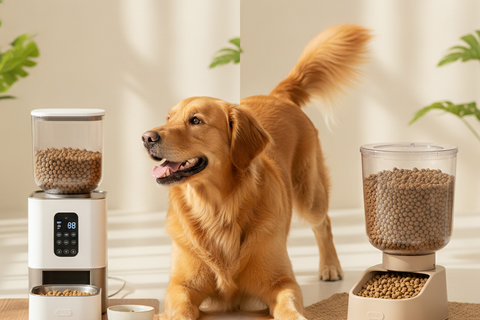
automatic cat feeder
Smart Automatic Pet Feeder vs. Gravity Feeder: Which is Best for Your Pet's Routine?
Jul 08, 2026
dog gear
Hiking with Your Dog: The Long Leash Dilemma Solved
Jul 08, 2026
mess solved
Paw Mess Solved
Jul 07, 2026
dog gear
Dog Eats Too Fast? Ragnor's Fix for Gulping & Bloat
Jul 07, 2026
beyond fetch
Summer Dog Games: Beyond Fetch
Jul 07, 2026
breathable dog car seat
Stay Cool on the Road: Top 5 Cooling Dog Car Seat Covers for Summer Adventures
Jul 07, 2026
invaders keep
Yard Invaders? How to Keep Stray Dogs Away (Kindly)
Jul 07, 2026
avoid drama
Clipping Dog Nails: Avoid the Drama & Do It Right
Jul 06, 2026
brachycephalic dog gear
Best No-Pull Harness for French Bulldogs: Comfort, Control & Style
Jul 06, 2026
bored dog
Bored Dog? Unleash Happiness with Vertical Play
Jul 06, 2026
clothes jackets
Best Dog Clothes & Jackets for Dogs: 2026 Guide
Jul 06, 2026
pet care gear
Best Portable Pet Water Bottle for Dogs: 2026 Guide
Jul 05, 2026
foes scratch
Furniture Foes: for Scratch-Proof Paws
Jul 05, 2026
best dog toys
The Ultimate Guide: Choosing Indestructible Dog Toys for Aggressive Chewers
Jul 05, 2026
dog gear
Unleash Their Inner Olympian: Home Agility for Any Dog
Jul 05, 2026
dog gear
Lost Dog Panic? GPS Trackers Actually Work. Here's How.
Jul 05, 2026
anxiety regular
Dog Anxiety: Why Regular Beds Aren't Enough
Jul 04, 2026
dog gear
Summer Dog Safety
Jul 04, 2026
automatic pet feeder
Smart Automatic Pet Feeder vs. Timed Feeder: Which is Best for Your Pet?
Jul 04, 2026
dog gear
Summer Walks: Give Your Dog Freedom (Safely!)
Jul 04, 2026
dog gear
Summer Frisbee Fun: A Dog's Guide to Outdoor Play
Jul 03, 2026
pet care gear
Summer Scratch Solutions
Jul 03, 2026
dog gear
Unleash Their Inner Olympian: DIY Dog Agility for Happy Paws
Jul 03, 2026
dog safety at night
Reflective Dog Leashes & Collars: Enhance Nighttime Safety
Jul 03, 2026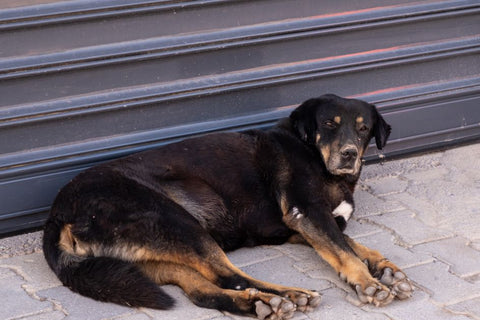
chews that
Problem solved: Chews that stand up to your power chewer
Jul 03, 2026
dog gear
Potty Training a Puppy? Why Litter Boxes Are a Bad Idea
Jul 02, 2026
pet care gear
Summer Road Trips: Protect Your Car Seats
Jul 02, 2026
color what
Dog Pee Color: What It's Telling You (And What to Do)
Jul 02, 2026
dog gear
Summer Shedding: Stop the Dog Hair Avalanche!
Jul 02, 2026
automatic ball launcher for dogs
Choosing the Right Automatic Ball Launcher for Dogs: Endless Playtime
Jul 02, 2026
clipping dog
Clipping Dog Nails: Why It's Hard & What Truly Helps
Jul 02, 2026
dog gear
Dog Parkour? Elevate Their Chill
Jul 01, 2026
board dogs
Best Cat Scratching Post & Board for Cats: 2026 Guide
Jul 01, 2026
aggressive chewers
Top 5 Indestructible Dog Toys for Power Chewers: Built to Last
Jul 01, 2026