

For pet parents of powerful pups, finding the right toys can feel like an endless quest. This ultimate guide is designed to help you navigate the vast market and select safe, durable, and engaging options that stand up to even the most determined jaws.
Indestructible dog toys for aggressive chewers are typically made from highly durable materials like natural rubber or tough nylon, designed to withstand intense chewing without breaking into small, dangerous pieces. These toys satisfy a dog's natural urge to chew, provide mental stimulation, and help prevent destructive behaviors on household items. When selecting, prioritize non-toxic materials, appropriate sizing, and solid construction to ensure both longevity and safety for your canine companion.
Why Do Dogs Become Aggressive Chewers?
Chewing is a natural and essential behavior for dogs of all ages, serving various purposes from exploration to stress relief. However, when this natural instinct turns destructive, it often signals an unmet need or underlying issue. Understanding these root causes is the first step toward finding appropriate solutions and the right dog toys.
- Teething in Puppies: Just like human babies, puppies experience discomfort as their adult teeth emerge, typically between three and six months of age. Chewing helps alleviate this pain and provides an outlet for their developing jaws.
- Boredom and Lack of Mental Stimulation: Dogs, especially those with high energy levels or working backgrounds, require significant physical and mental exercise. Without adequate stimulation, they may resort to chewing as a way to entertain themselves and expend pent-up energy.
- Anxiety and Stress: Chewing can be a self-soothing mechanism for dogs experiencing anxiety, frustration, or stress. Separation anxiety is a common culprit, where dogs may chew excessively when left alone, often targeting items with their owner's scent or exits like doors and windows.
- Natural Instinct: Some breeds are simply predisposed to being more aggressive chewers due to their powerful jaws and innate instincts. Breeds like Pit Bulls, German Shepherds, and Labradors often have a strong desire to gnaw and dissect objects.
- Hunger: Dogs on calorie-restricted diets might chew and destroy objects in an attempt to find additional sources of nutrition, often directing this behavior toward items that smell like food.
What Makes a Dog Toy "Indestructible" for Power Chewers?
While no dog toy is truly 100% indestructible, certain qualities make some toys far more resilient to aggressive chewing. The key lies in a combination of material science, design, and construction quality. When evaluating options, pet parents should prioritize durability and safety to prevent hazards like choking or dental damage.
Material Matters: The Safest & Toughest Options
The material composition is the most critical factor in a toy's ability to withstand aggressive chewing. Pet parents should look for materials that are durable yet have some "give" to protect their dog's teeth.
Natural Rubber: Natural rubber is widely considered the best overall material for aggressive chewers. It's durable yet flexible, compressing under pressure instead of cracking or splintering. This flexibility makes it gentler on a dog's teeth and gums while still providing a satisfying chew.
Tough Nylon: Nylon toys are known for their extreme longevity and resistance to tearing. However, pet parents should exercise caution, as some nylon can be very hard and potentially lead to tooth fractures or gum damage if too rigid. The pet toys should be firm enough to resist breaking, but still allow a slight indentation when pressed with a fingernail to ensure they aren't excessively hard.
Heavy-Duty Rubber Composites: These engineered blends are designed for enhanced durability, often being firmer than natural rubber and more resistant to tearing. They offer a robust option for dogs that quickly destroy other materials.
What to Avoid: Risky Materials and Designs
Certain materials and toy designs pose significant risks for aggressive chewers. Avoiding these can prevent serious health issues and expensive veterinary visits.
- Thin Plush Toys: Toys with thin fabric, minimal stuffing, or easily detachable parts (like glued-on eyes or ribbons) are quickly destroyed and can pose choking hazards or lead to intestinal blockages if ingested.
- Rawhide Chews: While popular, rawhide can be problematic. Aggressive chewers can break off large chunks that become choking hazards or cause intestinal blockages.
- Hard Bones or Antlers: Extremely hard natural chews, like some bones or antlers, can cause tooth fractures, especially in puppies with developing teeth or older dogs with compromised dental health.
- Toys with Squeakers or Small Parts: Dogs often feel compelled to "destroy" the source of a squeak. If the squeaker is easily removed or small parts detach, they can be swallowed, leading to choking or blockages.
- Toxic Materials: Some plastics and cheaper toys can contain harmful chemicals like BPA, phthalates, lead, cadmium, or chromium. Always look for toys labeled "BPA-free," "phthalate-free," and made from food-grade or certified non-toxic materials.
How to Choose the Right Indestructible Dog Toy for Your Aggressive Chewer
Selecting the perfect toy involves more than just material; it requires understanding your dog's specific chewing style, size, and preferences. A thoughtful selection ensures both safety and maximum enjoyment.
1. Assess Your Dog's Chewing Style and Strength
Every dog is unique. Observe how your dog interacts with toys to determine their chewing intensity:
- Gentle Chewers: May prefer softer toys or simply carry them around.
- Moderate Chewers: Enjoy a good gnaw but don't typically destroy toys in minutes.
- Aggressive/Power Chewers: These dogs are determined to rip, shred, or crush toys quickly. They need the toughest options available.
Matching the toy's durability to your dog's strength is paramount. For power chewers, toys designed for "heavy chewers" or "power chewers" are essential.
2. Consider Toy Size and Shape for Safety
The size of the toy is crucial for preventing choking hazards. A toy that is too small can easily be swallowed or become lodged in your dog's mouth or throat.
- For Large/Powerful Chewers: Always size up. The toy should be large enough that your dog cannot fit it entirely in their mouth. A good rule of thumb is that the toy should be larger than a tennis ball for most medium to large breeds.
- For Smaller Aggressive Chewers: Even small dogs can be aggressive chewers. Choose smaller, heavy-duty rubber toys, avoiding items that are overly dense or large, which could strain their teeth.
Look for solid, one-piece designs without weak points or detachable components. Ring-shaped and bone-style toys are often recommended for their durability and ease of handling.
3. Prioritize Non-Toxic and Safe Materials
Always check product labels for safety certifications and material transparency. Reputable brands will clearly state if their products are BPA-free, phthalate-free, and made from food-grade or certified non-toxic materials.
The safety & high-tech gear collection on FurryFable.com highlights products that meet stringent safety standards for your peace of mind.
4. Choose Interactive and Engaging Designs
Beyond durability, a good toy should provide mental stimulation and enrichment. Interactive toys can keep your dog engaged for longer periods, reducing boredom-induced destructive chewing.
- Treat-Dispensing Toys: These toys can be stuffed with kibble, peanut butter (xylitol-free!), or other treats, challenging your dog to work for their reward. This provides both mental and physical engagement.
- Tug Toys: For dogs that love tug-of-war, look for robust tug toys made from durable rubber or reinforced nylon straps. Always supervise tug play, especially with powerful chewers.
- Balls for Fetch: Solid rubber balls are excellent for fetch and can withstand vigorous chewing during play. Ensure they are appropriately sized to prevent choking.
For more options that combine play with mental stimulation, explore our guide on Choosing the Right Automatic Ball Launcher for Dogs: Endless Playtime.
Top Types of Indestructible Dog Toys for Aggressive Chewers
When seeking the best options, certain categories and brands consistently deliver on durability and safety for power chewers.
1. Solid Rubber Chew Toys
These are often the go-to for aggressive chewers due to their resilience and flexibility. Brands like KONG (especially their Extreme line) and Goughnuts are highly recommended by veterinarians and dog trainers.
- KONG Extreme: Made from ultra-durable black rubber, these toys are designed for the toughest chewers. They can be stuffed with treats, providing extended engagement.
- Goughnuts: Known for their two-layer safety system, Goughnuts toys feature an outer durable layer and a red inner safety indicator. If the red layer becomes visible, it's a signal to replace the toy. They are made from extremely strong rubber and are backed by a replacement guarantee.
- West Paw Zogoflex: Toys like the Hurley or Tux are made from a durable, buoyant, and recyclable material that can withstand aggressive chewing while being gentle on teeth. They are also BPA-free, phthalate-free, and dishwasher safe.
2. Durable Nylon Chew Bones
Nylon chew bones offer a firm, long-lasting chewing experience. Many are flavored to enhance appeal and have textured surfaces that can help clean teeth.
- Benebone: These flavored nylon bones come in various shapes (like wishbones) and are designed for serious chewers. They contain no chemicals or artificial flavors.
- Nylabone Dura Chew: A classic choice, Nylabone offers a range of nylon chew toys specifically for powerful chewers, often featuring textured surfaces for dental benefits.
While nylon is tough, remember the "fingernail test": if you can't make a slight indentation, it might be too hard for your dog's teeth.
3. Reinforced Tug and Fetch Toys
For dogs who love interactive play, specialized tug and fetch toys are built to endure.
- KONG Wubba: While not solely a chew toy, the Wubba's ballistic nylon exterior and reinforced stitching make it tough enough for vigorous tug-of-war sessions.
- Heavy-Duty Rope Toys: Choose rope toys made from high-tensile strength materials like hemp or tightly woven cotton, but always supervise play to prevent ingestion of frayed pieces.
Comparison Table: Popular Indestructible Dog Toy Materials
| Material | Pros | Cons | Best For |
|---|---|---|---|
| Natural Rubber | Durable, flexible, gentle on teeth, often treat-stuffable, non-toxic. | Can be expensive; some may not last as long as hard nylon for extreme chewers. | All aggressive chewers, especially those who enjoy interactive play and treat puzzles. |
| Tough Nylon | Extremely durable, long-lasting, good for dental health (scraping plaque), often flavored. | Can be too hard for some dogs, potentially causing tooth damage; requires supervision for rough edges. | Power chewers who love to gnaw for extended periods; dogs needing dental stimulation. |
| Rubber Composites | Enhanced durability, firmer than natural rubber, resistant to tearing. | May lack the flexibility of natural rubber; quality varies by brand. | Aggressive chewers who quickly destroy natural rubber. |
| Reinforced Fabric/Ballistic Nylon | Tough for tugging/shaking, often used in interactive or multi-material toys. | Not ideal for prolonged, intense gnawing; can still be ripped by determined chewers. | Dogs who enjoy tugging, fetching, and interactive play; supervised use. |
Why We Chose These for FurryFable
At FurryFable, our selection of indestructible dog toys is curated with the discerning pet parent in mind, focusing on safety, durability, and enrichment. We understand that aggressive chewers require more than just "tough" toys; they need products that can withstand their natural instincts without compromising their health. Our criteria for inclusion prioritize:
- Premium, Non-Toxic Materials: We rigorously vet all products to ensure they are made from high-quality, non-toxic materials like food-grade natural rubber or certified BPA-free nylon. This commitment to chemical safety is paramount, preventing exposure to harmful substances during intense chewing.
- Engineered Durability: We look for toys designed with aggressive chewers in mind, featuring solid construction, reinforced structures, and materials that resist splintering or breaking into ingestible pieces. Products with safety indicators, like Goughnuts' two-layer system, are highly valued.
- Appropriate Sizing and Design: Every toy in our collection is selected with careful consideration for size appropriateness, ensuring it can be safely enjoyed by various breeds and chewing strengths without becoming a choking hazard. We favor one-piece designs and avoid small, detachable components.
- Enrichment and Engagement: Beyond just lasting, our chosen toys offer mental and physical stimulation. Many are treat-dispensing or designed for interactive play, helping to alleviate boredom and redirect destructive behaviors positively.
- Reputation and Guarantees: We partner with brands known for their commitment to quality and customer satisfaction, often those offering replacement guarantees, which speaks volumes about their confidence in product longevity.
Our goal is to provide a selection of pet toys that not only withstand the test of time and teeth but also contribute positively to your dog's overall well-being and happiness.
Essential Safety Practices for Aggressive Chewers
Even with the most durable toys, proper safety practices are crucial to ensure your dog's well-being.
- Supervise Playtime: Always supervise your dog, especially with new toys or if they are known to be aggressive chewers. This allows you to intervene if pieces break off or if the toy becomes a hazard.
- Regularly Inspect Toys: Before each play session, check toys for cracks, splits, sharp edges, or signs of excessive wear. Discard any damaged toys immediately to prevent ingestion of small pieces.
- Rotate Toys: Keep a selection of durable toys and rotate them periodically to maintain your dog's interest and extend the life of each toy. This also prevents your dog from becoming fixated on a single item.
- Clean Toys Regularly: Wash toys with soap and water to prevent bacterial buildup. Many durable rubber and nylon toys are dishwasher safe.
- Consult Your Veterinarian: If you have any concerns about your dog's chewing habits, dental health, or toy safety, always consult your veterinarian. They can offer personalized advice and rule out any underlying medical conditions. The American Veterinary Medical Association (AVMA) emphasizes the importance of appropriate chew toys for canine dental health. For more detailed guidance on choosing safe toys, consider resources like the ASPCA's guide to dog toys.
Conclusion
Choosing the right indestructible dog toys for aggressive chewers is an investment in your dog's safety, happiness, and your peace of mind. By focusing on durable, non-toxic materials, appropriate sizing, and engaging designs, you can provide your powerful pup with outlets for their natural chewing instincts that last. Remember to always supervise playtime and regularly inspect toys for wear and tear. With the right approach, you can turn destructive chewing into a positive and enriching activity for your beloved canine companion.
Explore FurryFable's extensive collection of dog toys designed for durability and fun, and find the perfect match for your aggressive chewer today!
Frequently Asked Questions
What materials are considered truly indestructible for dog toys?
While no dog toy is 100% indestructible, the most durable options for aggressive chewers are typically made from natural rubber, tough nylon, or heavy-duty rubber composites. These materials are chosen for their ability to withstand intense gnawing without easily breaking or splintering.
How do I know if a toy is safe for my aggressive chewer?
To ensure a toy is safe, check for non-toxic materials like food-grade rubber and ensure it's BPA-free and phthalate-free. The toy should be appropriately sized so your dog cannot swallow it, and it should have a solid construction without small, detachable parts. A good test is if you can make a slight indentation with your fingernail, it's often firm enough for chewing while being gentler on teeth than extremely hard materials.
Can aggressive chewing be a sign of a problem?
Yes, while chewing is a normal dog behavior, excessive or destructive chewing can indicate underlying issues such as boredom, lack of mental stimulation, anxiety (including separation anxiety), or even teething pain in puppies. Addressing these root causes through exercise, enrichment, and appropriate chew toys is crucial.
Are plush toys ever safe for aggressive chewers?
Generally, traditional plush toys are not recommended for aggressive chewers as they are easily torn apart, and ingested stuffing or small pieces can lead to choking or intestinal blockages. Some brands offer "tough" plush toys with reinforced fabric and minimal stuffing, but these should always be used under strict supervision.
How often should I replace indestructible dog toys?
Even the most durable toys need regular inspection. Replace any toy that shows significant signs of wear, such as cracks, splits, sharp edges, or pieces breaking off. For toys with safety indicators (like Goughnuts), replace them when the inner color becomes visible. Consistent inspection ensures ongoing safety.
If you found this helpful, also read: right dog toys.
You Might Also Like

calming vest
Best Dog Anxiety Vest for Dogs: 2026 Guide
Sep 17, 2026
dog gear
Best Dog Puzzle Toy for Dogs: 2026 Guide
Sep 12, 2026
destroys toys
Why Your Dog Destroys Toys — & How to Finally Stop It
Sep 05, 2026
autumn puppy
Autumn Puppy Potty Training
Sep 05, 2026
collar leash
Best Dog Collar & Leash Set for Dogs: 2026 Guide
Sep 04, 2026
autumn dog
Autumn Dog Nail Care: Ditching the Drama & Embracing Healthy Paws
Sep 04, 2026
autumn dog
Autumn Dog Beds: Why Your Pup Still Gets Hot & How to Fix It
Sep 03, 2026
freedom fumble
Retractable Leashes: Freedom or Fumble?
Sep 03, 2026
bird gear
Best Chicken Coop Swing & Toy for Dogs: 2026 Guide
Sep 02, 2026
autumn paw
Autumn Paw Patrol: Stop Litter Tracks for Good
Sep 02, 2026
arms automatic
Tired Arms? Automatic Toys for Small Dogs That Actually Work
Sep 01, 2026
dog gear
Unleash Their Inner Athlete: Backyard Dog Agility Secrets
Sep 01, 2026
agility seesaw
Best Dog Agility Seesaw for Dogs: 2026 Guide
Aug 10, 2026
cat play
Dog-Proof Cat Play: Harmony in Your Shared Spaces
Aug 10, 2026
dog gear
Summer Dog Travel: for Stress-Free Adventures
Aug 10, 2026
anxious dog
Anxious Dog? : A Calming Bed That Actually Works
Jul 08, 2026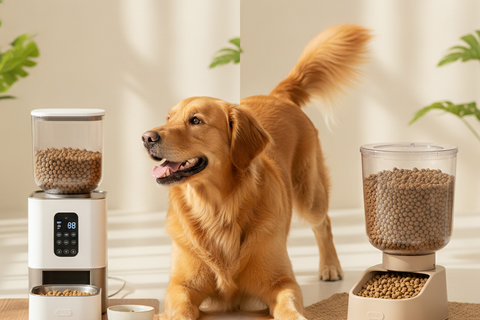
automatic cat feeder
Smart Automatic Pet Feeder vs. Gravity Feeder: Which is Best for Your Pet's Routine?
Jul 08, 2026
dog gear
Hiking with Your Dog: The Long Leash Dilemma Solved
Jul 08, 2026
mess solved
Paw Mess Solved
Jul 07, 2026
dog gear
Dog Eats Too Fast? Ragnor's Fix for Gulping & Bloat
Jul 07, 2026
beyond fetch
Summer Dog Games: Beyond Fetch
Jul 07, 2026
breathable dog car seat
Stay Cool on the Road: Top 5 Cooling Dog Car Seat Covers for Summer Adventures
Jul 07, 2026
invaders keep
Yard Invaders? How to Keep Stray Dogs Away (Kindly)
Jul 07, 2026
avoid drama
Clipping Dog Nails: Avoid the Drama & Do It Right
Jul 06, 2026
brachycephalic dog gear
Best No-Pull Harness for French Bulldogs: Comfort, Control & Style
Jul 06, 2026
bored dog
Bored Dog? Unleash Happiness with Vertical Play
Jul 06, 2026
clothes jackets
Best Dog Clothes & Jackets for Dogs: 2026 Guide
Jul 06, 2026
pet care gear
Best Portable Pet Water Bottle for Dogs: 2026 Guide
Jul 05, 2026
foes scratch
Furniture Foes: for Scratch-Proof Paws
Jul 05, 2026
dog gear
Unleash Their Inner Olympian: Home Agility for Any Dog
Jul 05, 2026
dog gear
Lost Dog Panic? GPS Trackers Actually Work. Here's How.
Jul 05, 2026
anxiety regular
Dog Anxiety: Why Regular Beds Aren't Enough
Jul 04, 2026
dog gear
Summer Dog Safety
Jul 04, 2026
automatic pet feeder
Smart Automatic Pet Feeder vs. Timed Feeder: Which is Best for Your Pet?
Jul 04, 2026
dog gear
Summer Walks: Give Your Dog Freedom (Safely!)
Jul 04, 2026
dog gear
Summer Frisbee Fun: A Dog's Guide to Outdoor Play
Jul 03, 2026
pet care gear
Summer Scratch Solutions
Jul 03, 2026
dog gear
Unleash Their Inner Olympian: DIY Dog Agility for Happy Paws
Jul 03, 2026
dog safety at night
Reflective Dog Leashes & Collars: Enhance Nighttime Safety
Jul 03, 2026
chews that
Problem solved: Chews that stand up to your power chewer
Jul 03, 2026
dog gear
Potty Training a Puppy? Why Litter Boxes Are a Bad Idea
Jul 02, 2026
pet care gear
Summer Road Trips: Protect Your Car Seats
Jul 02, 2026
color what
Dog Pee Color: What It's Telling You (And What to Do)
Jul 02, 2026
dog gear
Summer Shedding: Stop the Dog Hair Avalanche!
Jul 02, 2026
automatic ball launcher for dogs
Choosing the Right Automatic Ball Launcher for Dogs: Endless Playtime
Jul 02, 2026
clipping dog
Clipping Dog Nails: Why It's Hard & What Truly Helps
Jul 02, 2026
dog gear
Dog Parkour? Elevate Their Chill
Jul 01, 2026
board dogs
Best Cat Scratching Post & Board for Cats: 2026 Guide
Jul 01, 2026
aggressive chewers
Top 5 Indestructible Dog Toys for Power Chewers: Built to Last
Jul 01, 2026