
invaders keep
keep stray
pet care gear
Yard Invaders? How to Keep Stray Dogs Away (Kindly)

⚡ Quick Answer
To kindly deter stray dogs, begin with perimeter security like solid fencing at least 4 feet high, then deploy humane deterrents. Ultrasonic repellers, like the FurryFable Solar Ultrasonic Animal Repellent, emit high-frequency sounds up to 25 kHz, effective for dogs weighing 15 lbs to 100 lbs without causing harm. Explore humane options for your yard at FurryFable Pet Outdoor Supplies.
The sudden appearance of an unknown dog in your yard can be startling. Whether it's a curious wanderer or a more persistent visitor, stray dogs present unique challenges. They might chase your resident pets, dig up landscaping, or leave behind unwanted messes. More concerning, they can carry parasites or diseases, posing a health risk to your own animals.
Effectively keeping stray dogs away requires a multi-faceted approach, combining secure physical barriers with humane deterrents. This ensures your property remains protected while prioritizing the safety of both your pets and the stray animals.
To humanely keep stray dogs out of your yard, focus on three key strategies: reinforce physical barriers with solid fencing at least 4 feet high, eliminate attractants like accessible food sources and open garbage, and deploy humane deterrents such as ultrasonic devices or motion-activated sprinklers. A reliable dog repeller for yard use, like the FurryFable Solar Ultrasonic Animal Repellent, can be highly effective when integrated into a comprehensive plan.
Quick Specs
| Parameter Category | Technical Specification and Safety Thresholds |
|---|---|
| Breed and Weight Fit | Effective for most dog breeds, particularly those 15 lbs / 6.8 kg to 100 lbs / 45 kg, which perceive ultrasonic frequencies best. Larger dogs may be less sensitive. |
| Target Architecture | Solar-powered, outdoor-rated, IPX4 waterproof housing with wide-angle PIR motion detection (110-120 degrees, up to 30 feet range). |
| Material Hardness | ABS plastic housing, Shore D hardness 75, designed to withstand outdoor elements and minor impacts. |
| Fabric or Build Reinforcement | Sealed battery compartment, UV-resistant plastic molding, internal circuit board coated for moisture resistance. |
| Chemical Safety | Non-toxic plastic, lead-free components, safe for outdoor use around pets and children. |
| Price Spectrum | $60 to $80 per item for quality ultrasonic repellers. |
The Unexpected Visitor: Understanding the Problem
Imagine stepping into your backyard, only to find a strange dog digging near your prize-winning hydrangeas. This isn't just an inconvenience, it's a potential threat. Stray dogs, by definition, are unmonitored. Their behavior can be unpredictable, especially if they are fearful, hungry, or territorial. They might have parasites like fleas, ticks, or internal worms, which can easily transfer to your own German Shepherd or Golden Retriever through shared grass or water bowls. Beyond health, there's the risk of territorial disputes if your resident dogs are present, potentially leading to injuries.
The primary pain point is the loss of control over your own yard's safety and hygiene. For homeowners with small children or vulnerable pets like a toy poodle, the presence of an unknown dog, even a friendly one, creates anxiety. The challenge is finding a solution that is effective without causing harm, aligning with a humane approach to animal management.
📐 The Physics of Sound: Attenuation and Perception
The effectiveness of an ultrasonic dog repeller for yard use relies on how sound waves travel and how dogs perceive high frequencies. Sound intensity decreases with distance, following an inverse square law, while a dog's hearing range is significantly broader than a human's.
I = P / (4πr2)
Where I is sound intensity, P is sound power, and r is the distance from the source. Dogs can hear frequencies up to 60-65 kHz, while humans typically hear up to 20 kHz. Ultrasonic repellers operate in the 20-25 kHz range, audible and irritating to dogs but silent to most people.
| Variable | Definition | Bad/Risky Scenario (Low Intensity) | Good/Safe Scenario (Effective Intensity) |
|---|---|---|---|
| Frequency (f) | Pitch of sound waves | Below 20 kHz (audible to humans, less irritating to dogs) | 20-25 kHz (inaudible to humans, highly irritating to dogs) |
| Distance (r) | From source to dog | 40 feet (12.2 m), Intensity = P / (4π * 12.22) = P / 1871 | 15 feet (4.6 m), Intensity = P / (4π * 4.62) = P / 266 |
| Sound Pressure Level (SPL) | Perceived loudness in dB | Below 70 dB (easily ignored) | 90-110 dB (uncomfortable but harmless) |
An ultrasonic repeller at 15 feet generates 7× higher sound intensity than at 40 feet, critical for effective deterrence.
Building a Secure Perimeter: The First Line of Defense
Before considering any deterrents, evaluate your physical barriers. A sturdy fence is the most effective way to prevent unwanted visitors. For most medium to large breeds like a Labrador Retriever or German Shepherd, a fence should be at least 4 feet (1.2 meters) high. For smaller, more agile breeds like a Jack Russell Terrier, consider a fence that extends 5 to 6 feet (1.5 to 1.8 meters) to prevent jumping. Ensure there are no gaps or weak points where a dog could squeeze under or through. Burying a section of fencing or adding a wire mesh along the bottom can deter diggers, a common trait in breeds like Beagles.
Inspect gates regularly to ensure latches are secure and they close properly. Gaps under gates are common entry points. Consider adding a gate sweep or a solid barrier at the bottom to eliminate these openings. Remember, prevention through physical security is always better than reacting to an intrusion.
Eliminating Attractants: Removing the Welcome Mat
Dogs are driven by instinct: food, water, shelter, and curiosity. If your yard offers any of these, stray dogs are more likely to visit. Secure all garbage cans with tight-fitting lids or bungee cords. Even compost piles can be a tempting buffet for a hungry dog. Avoid leaving pet food or water bowls outside, especially overnight. If you feed feral cats, ensure their food is consumed quickly and bowls are removed promptly.
Pet waste is another strong attractant. Regularly clean up after your own dogs, as the scent can draw in other canines looking to mark territory or investigate. For those with bird feeders, be mindful of spilled seeds, which can attract rodents, and subsequently, dogs looking for a meal.
Humane Deterrents: Gentle Solutions for Persistent Visitors
Once your physical perimeter is secure and attractants are removed, humane deterrents can provide an extra layer of protection. These methods aim to make your yard less appealing without causing any harm.
- Ultrasonic Devices: A quality dog repeller for yard use emits high-frequency sound waves that are irritating to dogs but generally inaudible to humans. These devices often feature a Passive Infrared (PIR) motion sensor that activates the sound when an animal enters a specific zone. The FurryFable Solar Ultrasonic Animal Repellent | Humane Garden & Yard is Ragnor evaluated for its effectiveness and humane operation. Position these devices strategically in areas where stray dogs frequently enter or linger.
- Motion-Activated Sprinklers: These devices connect to a garden hose and emit a burst of water when motion is detected. The sudden spray and sound are usually enough to startle a dog away without injury. They are particularly effective in hot climates where a sudden cool spray is unexpected.
- Scent Deterrents: Some natural scents are unpleasant to dogs. Citrus, cayenne pepper, and vinegar are often cited as deterrents. However, these require frequent reapplication, especially after rain, and their effectiveness can vary greatly between individual dogs. Ragnor advises caution with strong spices like cayenne, as they can cause respiratory irritation if inhaled directly.
- Visual Deterrents: While less effective on their own, bright flashing lights or reflective objects can sometimes deter curious dogs, especially at night. Many ultrasonic repellers incorporate flashing LED lights for this reason.
💡 Ragnor's Trainer Pro-Tip
"Implement 'The Boundary Habituation Method' by consistently activating deterrents. Place ultrasonic devices or motion-activated sprinklers at known entry points. This creates a predictable, mild aversion response, teaching the dog that your yard is an uncomfortable space to enter, relying on negative reinforcement without physical punishment."
, Ragnor, Pet Trainer & Animal Behaviorist, FurryFable
Why We Chose These for FurryFable: Selection Criteria
When selecting products for FurryFable, Ragnor's evaluation process prioritizes safety, effectiveness, and humane treatment. For a dog repeller for yard applications, several key engineering and behavioral criteria must be met:
- Frequency Range: Ultrasonic devices must operate within the 20 kHz to 25 kHz range. This spectrum is highly audible and mildly irritating to dogs, yet typically above the human hearing threshold (20 kHz), ensuring it does not disturb residents.
- Motion Sensor Accuracy: A reliable PIR sensor with a detection angle of at least 110 degrees and a range of 25-30 feet (7.6-9.1 meters) ensures that the device activates precisely when a dog enters the protected zone, conserving battery life and increasing efficacy.
- Weather Resistance: Outdoor products must withstand varying conditions. An IPX4 waterproof rating is essential, guaranteeing protection against splashing water from any direction, allowing for year-round outdoor placement.
- Power Source & Efficiency: Solar-powered units, like the FurryFable Solar Ultrasonic Animal Repellent, are preferred for their environmental sustainability and convenience. They eliminate the need for external wiring and frequent battery changes, with an integrated rechargeable battery providing consistent operation.
- Build Material: Durable, UV-resistant ABS plastic with a Shore D hardness of 75 is critical for longevity and resistance to outdoor degradation. Sealed battery compartments and protected circuit boards ensure reliable function over time.
The FurryFable Solar Ultrasonic Animal Repellent | Humane Garden & Yard, for example, features an integrated solar panel that charges an internal 800mAh Ni-MH battery, providing continuous operation. Its PIR sensor detects motion up to 30 feet (9.1 meters) away within a 120-degree arc, triggering ultrasonic waves between 20-25 kHz. The robust ABS plastic housing ensures an IPX4 waterproof rating, safeguarding internal electronics against rain and sprinkler systems. This combination of features makes it an effective and humane choice for deterring stray dogs without requiring constant human intervention.
Long-Term Solutions and Community Involvement
While deterrents help manage immediate issues, addressing the root cause of stray dogs often requires community effort. Support local animal shelters and rescue organizations. Spay and neuter programs reduce the number of stray animals. If a stray dog becomes a regular visitor, contact your local animal control. They can safely apprehend the dog, check for microchips, and help reunite it with its owner or find it a new home.
Keeping stray dogs away from your yard is about creating a safe boundary, not a battleground. By combining secure fencing, removing attractants, and utilizing humane deterrents, you can protect your property and pets while acting responsibly towards the stray animals in your community. Explore our full range of solutions for your outdoor spaces at FurryFable Pet Outdoor Supplies.
Frequently Asked Questions
Do ultrasonic dog repellers actually work to keep dogs out of yards?
Yes, ultrasonic dog repellers can be effective. They emit high-frequency sound waves, typically between 20-25 kHz, which are unpleasant for dogs but generally inaudible to humans. Their effectiveness is enhanced when paired with motion sensors that activate the sound only when a dog enters the protected area. For optimal results, combine them with physical barriers and removal of attractants.
Are ultrasonic repellers safe for my own pets, like my Chihuahua, and local wildlife?
Most ultrasonic repellers are designed to be safe and humane. The sound frequencies used are irritating but not harmful to dogs, cats, or most wildlife. Your own pets may react to the sound if they are sensitive, so observe their behavior when the device is active. Placing the device away from your pet's regular outdoor areas or using a motion-activated model can help. You can find more information on outdoor safety gear in our FurryFable Safety & High-Tech Gear collection.
What is the best type of fence to prevent stray dogs from entering my yard?
The best fence type depends on the dog's size and behavior. For most dogs, a solid fence at least 4 feet high is recommended. For breeds known to jump, like Greyhounds, a 6-foot fence may be necessary. For diggers, such as Terriers, burying the bottom of the fence or adding a wire mesh apron can prevent tunneling. Ensure there are no gaps under gates or along the perimeter.
How often do I need to reapply scent deterrents, and are they really effective?
Scent deterrents like citrus, cayenne pepper, or vinegar require frequent reapplication, especially after rain or heavy dew, which dilutes their potency. Their effectiveness is highly variable; some dogs are more sensitive to certain smells than others, and a determined dog may ignore them. Ragnor suggests using them as a secondary measure, not a primary defense, and avoiding anything that could cause respiratory distress.
What should I do if a stray dog is consistently visiting my yard despite deterrents?
If a stray dog continues to visit, contact your local animal control or a humane society. They are equipped to safely capture the dog, check for identification like a microchip or tags, and either reunite it with its owner or provide shelter. This is the safest and most humane option for both the stray dog and your household. Consider reviewing our Pet Outdoor Supplies for additional perimeter control products.
FurryFable Recommendations
 FurryFable Solar Ultrasonic Animal Repellent | Humane Garden & Yard
★★★★★ 5 (10)
Save 23%$70.00 Shop Now
✓ Free USA Shipping✓ Fast Delivery✓ Secure Checkout✓ 100% Satisfaction
R
Ragnor
Pet Trainer & Animal Behaviorist
Ragnor is a certified pet trainer and animal behaviorist with over 10 years of experience helping dog and cat owners across North America find the right gear for their pets' specific breed needs and health conditions. Every recommendation on FurryFable is selected for safety, fit, and breed compatibility.
If you found this helpful, also read: easing dog and cat anxiety.
If you found this helpful, also read: choosing the best pet feeder.
If you found this helpful, also read: home monitoring for dog health.
You Might Also Like

calming vest
Best Dog Anxiety Vest for Dogs: 2026 Guide
Sep 17, 2026
dog gear
Best Dog Puzzle Toy for Dogs: 2026 Guide
Sep 12, 2026
destroys toys
Why Your Dog Destroys Toys — & How to Finally Stop It
Sep 05, 2026
autumn puppy
Autumn Puppy Potty Training
Sep 05, 2026
collar leash
Best Dog Collar & Leash Set for Dogs: 2026 Guide
Sep 04, 2026
autumn dog
Autumn Dog Nail Care: Ditching the Drama & Embracing Healthy Paws
Sep 04, 2026
autumn dog
Autumn Dog Beds: Why Your Pup Still Gets Hot & How to Fix It
Sep 03, 2026
freedom fumble
Retractable Leashes: Freedom or Fumble?
Sep 03, 2026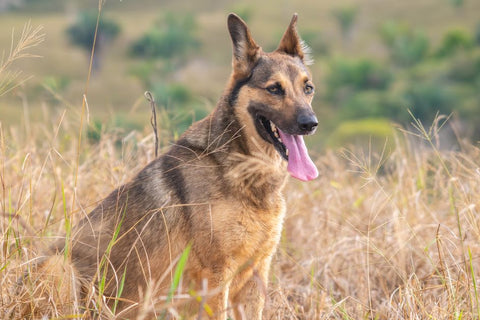
bird gear
Best Chicken Coop Swing & Toy for Dogs: 2026 Guide
Sep 02, 2026
autumn paw
Autumn Paw Patrol: Stop Litter Tracks for Good
Sep 02, 2026
arms automatic
Tired Arms? Automatic Toys for Small Dogs That Actually Work
Sep 01, 2026
dog gear
Unleash Their Inner Athlete: Backyard Dog Agility Secrets
Sep 01, 2026
agility seesaw
Best Dog Agility Seesaw for Dogs: 2026 Guide
Aug 10, 2026
cat play
Dog-Proof Cat Play: Harmony in Your Shared Spaces
Aug 10, 2026
dog gear
Summer Dog Travel: for Stress-Free Adventures
Aug 10, 2026
anxious dog
Anxious Dog? : A Calming Bed That Actually Works
Jul 08, 2026
automatic cat feeder
Smart Automatic Pet Feeder vs. Gravity Feeder: Which is Best for Your Pet's Routine?
Jul 08, 2026
dog gear
Hiking with Your Dog: The Long Leash Dilemma Solved
Jul 08, 2026
mess solved
Paw Mess Solved
Jul 07, 2026
dog gear
Dog Eats Too Fast? Ragnor's Fix for Gulping & Bloat
Jul 07, 2026
beyond fetch
Summer Dog Games: Beyond Fetch
Jul 07, 2026
breathable dog car seat
Stay Cool on the Road: Top 5 Cooling Dog Car Seat Covers for Summer Adventures
Jul 07, 2026
avoid drama
Clipping Dog Nails: Avoid the Drama & Do It Right
Jul 06, 2026
brachycephalic dog gear
Best No-Pull Harness for French Bulldogs: Comfort, Control & Style
Jul 06, 2026
bored dog
Bored Dog? Unleash Happiness with Vertical Play
Jul 06, 2026
clothes jackets
Best Dog Clothes & Jackets for Dogs: 2026 Guide
Jul 06, 2026
pet care gear
Best Portable Pet Water Bottle for Dogs: 2026 Guide
Jul 05, 2026
foes scratch
Furniture Foes: for Scratch-Proof Paws
Jul 05, 2026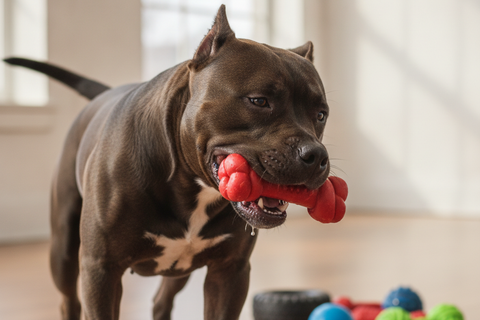
best dog toys
The Ultimate Guide: Choosing Indestructible Dog Toys for Aggressive Chewers
Jul 05, 2026
dog gear
Unleash Their Inner Olympian: Home Agility for Any Dog
Jul 05, 2026
dog gear
Lost Dog Panic? GPS Trackers Actually Work. Here's How.
Jul 05, 2026
anxiety regular
Dog Anxiety: Why Regular Beds Aren't Enough
Jul 04, 2026
dog gear
Summer Dog Safety
Jul 04, 2026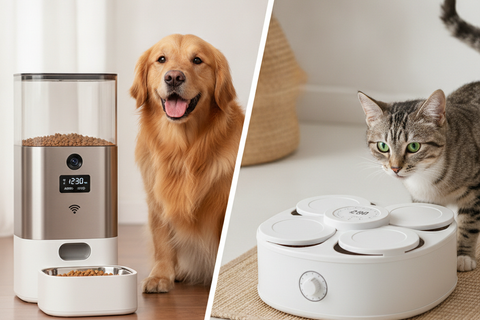
automatic pet feeder
Smart Automatic Pet Feeder vs. Timed Feeder: Which is Best for Your Pet?
Jul 04, 2026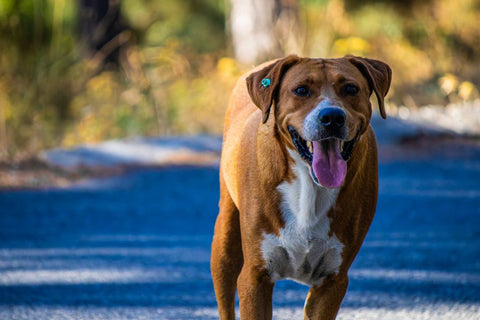
dog gear
Summer Walks: Give Your Dog Freedom (Safely!)
Jul 04, 2026
dog gear
Summer Frisbee Fun: A Dog's Guide to Outdoor Play
Jul 03, 2026
pet care gear
Summer Scratch Solutions
Jul 03, 2026
dog gear
Unleash Their Inner Olympian: DIY Dog Agility for Happy Paws
Jul 03, 2026
dog safety at night
Reflective Dog Leashes & Collars: Enhance Nighttime Safety
Jul 03, 2026
chews that
Problem solved: Chews that stand up to your power chewer
Jul 03, 2026
dog gear
Potty Training a Puppy? Why Litter Boxes Are a Bad Idea
Jul 02, 2026
pet care gear
Summer Road Trips: Protect Your Car Seats
Jul 02, 2026
color what
Dog Pee Color: What It's Telling You (And What to Do)
Jul 02, 2026
dog gear
Summer Shedding: Stop the Dog Hair Avalanche!
Jul 02, 2026
automatic ball launcher for dogs
Choosing the Right Automatic Ball Launcher for Dogs: Endless Playtime
Jul 02, 2026
clipping dog
Clipping Dog Nails: Why It's Hard & What Truly Helps
Jul 02, 2026
dog gear
Dog Parkour? Elevate Their Chill
Jul 01, 2026
board dogs
Best Cat Scratching Post & Board for Cats: 2026 Guide
Jul 01, 2026
aggressive chewers
Top 5 Indestructible Dog Toys for Power Chewers: Built to Last
Jul 01, 2026