
bird
furryfable
pet care
Bird Perches: Wood vs. Rope vs. More – What's Best?

Birds spend nearly all their lives on their feet, making proper perch selection crucial for their health and well-being. Using only one type or size of perch can lead to serious foot problems, including pressure sores, arthritis, and a painful condition known as pododermatitis (bumblefoot). Bumblefoot can range from mild inflammation to severe infection involving bone, and it's particularly common in heavier-bodied birds like Amazons and Hyacinth macaws, though it also affects smaller birds such as budgerigars and cockatiels. The constant pressure on the same areas of a bird's feet from uniform perches prevents natural foot exercise and blood circulation, which are vital for healthy feet.
The best bird perches provide a variety of materials, textures, and diameters to promote optimal foot health and mental stimulation. Natural wood branches, rope perches made from untreated cotton or sisal, and flat platforms are essential. Avoid abrasive sandpaper perches and ensure all materials are non-toxic and properly sized for your bird's grip.
The Critical Need for Perch Variety: A Bird's Natural Environment
In their natural habitats, birds utilize an endless array of perching surfaces—branches of varying thicknesses, textures, and angles. This constant diversity ensures their feet are naturally exercised, toes are stretched, and pressure points are distributed, preventing the issues seen in captive birds with limited perch options. Without this variety, captive birds often develop foot fatigue, where consistent pressure on the same areas of their feet can lead to discomfort and serious health concerns.Understanding Bird Perch Types Comparison
Natural Wood Perches
Natural wood branches, such as manzanita or java wood, are superior because their irregular shapes and varying diameters mimic a bird's natural environment. This variability allows birds to shift their grip, exercising different foot muscles and preventing consistent pressure on one area. For larger birds like macaws, natural wood perches offer excellent grip and chewing opportunities, which are crucial for beak and nail health. Always choose untreated, non-toxic woods like apple, elm, ash, maple, or willow, and ensure they are thoroughly cleaned and disinfected by baking them at 200°F (93°C) for 30 minutes to eliminate pests.Rope Perches
Rope perches, typically made from 100% cotton or sisal, offer a softer, more flexible surface, which can be particularly beneficial for older birds or those with arthritic joints. They provide a comfortable resting spot and encourage natural behaviors like climbing and chewing. However, daily inspection is non-negotiable. Fraying rope can pose a significant entanglement hazard for toes or lead to dangerous crop impaction if ingested. Replace any frayed rope perches immediately.Concrete or Mineral Perches
These perches are designed to help keep nails and beaks trimmed. While they can be effective for this purpose, they should be used in moderation and never as the sole perch type. Their abrasive surface can be too harsh on a bird's delicate foot pads, potentially causing irritation and sores if overused. Placement matters; consider placing a concrete perch near a food bowl, so your bird spends limited time on it while eating and cleaning its beak.Plastic or PVC Perches
While easy to clean, plastic perches are generally not recommended as primary perching options. They offer a uniform diameter and can be slippery, providing little to no foot exercise or grip. Larger birds can also chew and splinter plastic into sharp pieces, posing an ingestion risk.Flat Perches and Platforms
Flat perches provide a crucial resting surface, allowing birds to stretch out their feet and relieve pressure from constant gripping on rounded surfaces. These are especially beneficial for older birds, those with disabilities, or any bird needing a break from gripping. They help distribute weight evenly and can prevent issues like bumblefoot.Why We Chose These for FurryFable.com
At FurryFable, our selection criteria for bird perches prioritize avian foot health, safety, and enrichment. We understand that a bird's foot should wrap approximately two-thirds to three-quarters around a perch, with variety in diameter being paramount. This prevents pressure sores and promotes strong, flexible feet. Our offerings include a diverse range of materials and sizes to cater to different species, from budgies to macaws. For example, our selection of natural wood perches, like the "FurryFable Premium Chicken Swing Set – Coop Perch & Ladder," provides the essential varied diameters and textures that encourage natural gripping and chewing. Similarly, our rope perch options are carefully sourced from untreated cotton or sisal, emphasizing safety and comfort, with clear guidance on regular inspection. We also offer platform perches for resting and specialized grooming perches for nail and beak maintenance, ensuring a balanced environment. This commitment extends to all our pet toys and pet grooming supplies, where quality and safety are non-negotiable. Providing a diverse array of perches is not merely about comfort; it is a preventative health measure against severe conditions like pododermatitis. A bird's habitat should mimic the natural world as closely as possible to support their physical and mental well-being. Create a stimulating and healthy environment for your feathered friend. Explore our full range of bird supplies and perches at FurryFable.com/collections/bird-supplies today.Frequently Asked Questions
How many perches should I have in my bird's cage?
You should provide a minimum of two to three perches of varying types, textures, and diameters in your bird's cage to promote foot health and prevent pressure sores.
What is the ideal perch diameter for a budgie or cockatiel?
For budgies, natural wood perches with varying diameters are best. For cockatiels, perches made from natural wood like apple, elm, ash, or maple, or untreated cotton rope, are ideal, with a diameter that allows their toes to wrap comfortably without touching.
Can I use sandpaper perches for my bird?
No, sandpaper perches are not recommended. They can cause irritation, thinning, and sores on the bottom of a bird's feet and do not effectively dull toenails as advertised.
How often should I clean or replace bird perches?
Perches should be cleaned regularly, ideally weekly, to maintain hygiene. Rope perches, in particular, need daily inspection for fraying and should be replaced immediately if damaged to prevent entanglement or ingestion.
Are heated perches beneficial for birds?
Heated perches can offer warmth, especially for older or unwell birds, or those with plucked feathers. They can provide comfort but should not replace varied perches for overall foot health.
FurryFable Recommendations
 Hanging Outdoor Bird Bath & Feeder | Garden Water Bowl
✓ Free USA Shipping✓ Fast Delivery✓ Secure Checkout✓ 100% Satisfaction
R
Ragnor
Pet Trainer & Animal Behaviorist
Ragnor is a certified pet trainer and animal behaviorist with over 10 years of experience helping dog and cat owners across North America find the right gear for their pets' specific breed needs and health conditions. He reviews every product recommendation on FurryFable for accuracy and safety.
You Might Also Like

calming vest
Best Dog Anxiety Vest for Dogs: 2026 Guide
Sep 17, 2026
dog gear
Best Dog Puzzle Toy for Dogs: 2026 Guide
Sep 12, 2026
destroys toys
Why Your Dog Destroys Toys — & How to Finally Stop It
Sep 05, 2026
autumn puppy
Autumn Puppy Potty Training
Sep 05, 2026
collar leash
Best Dog Collar & Leash Set for Dogs: 2026 Guide
Sep 04, 2026
autumn dog
Autumn Dog Nail Care: Ditching the Drama & Embracing Healthy Paws
Sep 04, 2026
autumn dog
Autumn Dog Beds: Why Your Pup Still Gets Hot & How to Fix It
Sep 03, 2026
freedom fumble
Retractable Leashes: Freedom or Fumble?
Sep 03, 2026
bird gear
Best Chicken Coop Swing & Toy for Dogs: 2026 Guide
Sep 02, 2026
autumn paw
Autumn Paw Patrol: Stop Litter Tracks for Good
Sep 02, 2026
arms automatic
Tired Arms? Automatic Toys for Small Dogs That Actually Work
Sep 01, 2026
dog gear
Unleash Their Inner Athlete: Backyard Dog Agility Secrets
Sep 01, 2026
agility seesaw
Best Dog Agility Seesaw for Dogs: 2026 Guide
Aug 10, 2026
cat play
Dog-Proof Cat Play: Harmony in Your Shared Spaces
Aug 10, 2026
dog gear
Summer Dog Travel: for Stress-Free Adventures
Aug 10, 2026
anxious dog
Anxious Dog? : A Calming Bed That Actually Works
Jul 08, 2026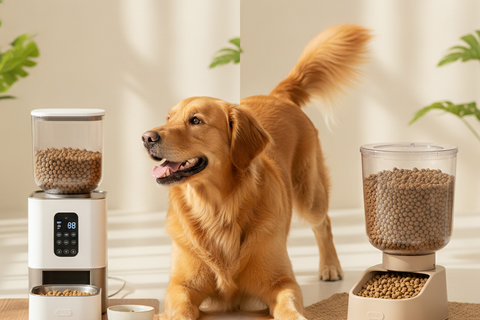
automatic cat feeder
Smart Automatic Pet Feeder vs. Gravity Feeder: Which is Best for Your Pet's Routine?
Jul 08, 2026
dog gear
Hiking with Your Dog: The Long Leash Dilemma Solved
Jul 08, 2026
mess solved
Paw Mess Solved
Jul 07, 2026
dog gear
Dog Eats Too Fast? Ragnor's Fix for Gulping & Bloat
Jul 07, 2026
beyond fetch
Summer Dog Games: Beyond Fetch
Jul 07, 2026
breathable dog car seat
Stay Cool on the Road: Top 5 Cooling Dog Car Seat Covers for Summer Adventures
Jul 07, 2026
invaders keep
Yard Invaders? How to Keep Stray Dogs Away (Kindly)
Jul 07, 2026
avoid drama
Clipping Dog Nails: Avoid the Drama & Do It Right
Jul 06, 2026
brachycephalic dog gear
Best No-Pull Harness for French Bulldogs: Comfort, Control & Style
Jul 06, 2026
bored dog
Bored Dog? Unleash Happiness with Vertical Play
Jul 06, 2026
clothes jackets
Best Dog Clothes & Jackets for Dogs: 2026 Guide
Jul 06, 2026
pet care gear
Best Portable Pet Water Bottle for Dogs: 2026 Guide
Jul 05, 2026
foes scratch
Furniture Foes: for Scratch-Proof Paws
Jul 05, 2026
best dog toys
The Ultimate Guide: Choosing Indestructible Dog Toys for Aggressive Chewers
Jul 05, 2026
dog gear
Unleash Their Inner Olympian: Home Agility for Any Dog
Jul 05, 2026
dog gear
Lost Dog Panic? GPS Trackers Actually Work. Here's How.
Jul 05, 2026
anxiety regular
Dog Anxiety: Why Regular Beds Aren't Enough
Jul 04, 2026
dog gear
Summer Dog Safety
Jul 04, 2026
automatic pet feeder
Smart Automatic Pet Feeder vs. Timed Feeder: Which is Best for Your Pet?
Jul 04, 2026
dog gear
Summer Walks: Give Your Dog Freedom (Safely!)
Jul 04, 2026
dog gear
Summer Frisbee Fun: A Dog's Guide to Outdoor Play
Jul 03, 2026
pet care gear
Summer Scratch Solutions
Jul 03, 2026
dog gear
Unleash Their Inner Olympian: DIY Dog Agility for Happy Paws
Jul 03, 2026
dog safety at night
Reflective Dog Leashes & Collars: Enhance Nighttime Safety
Jul 03, 2026
chews that
Problem solved: Chews that stand up to your power chewer
Jul 03, 2026
dog gear
Potty Training a Puppy? Why Litter Boxes Are a Bad Idea
Jul 02, 2026
pet care gear
Summer Road Trips: Protect Your Car Seats
Jul 02, 2026
color what
Dog Pee Color: What It's Telling You (And What to Do)
Jul 02, 2026
dog gear
Summer Shedding: Stop the Dog Hair Avalanche!
Jul 02, 2026
automatic ball launcher for dogs
Choosing the Right Automatic Ball Launcher for Dogs: Endless Playtime
Jul 02, 2026
clipping dog
Clipping Dog Nails: Why It's Hard & What Truly Helps
Jul 02, 2026
dog gear
Dog Parkour? Elevate Their Chill
Jul 01, 2026
board dogs
Best Cat Scratching Post & Board for Cats: 2026 Guide
Jul 01, 2026
aggressive chewers
Top 5 Indestructible Dog Toys for Power Chewers: Built to Last
Jul 01, 2026