
cat
dog
furryfable
Critters in Your Yard? How to Keep Them Out (Humanely)

A thriving yard, whether filled with prize-winning roses or a carefully cultivated vegetable patch, can quickly become a source of frustration when local wildlife decides it's their personal buffet or new nesting ground. From deer stripping bark from young trees to raccoons raiding trash cans, these encounters often leave homeowners searching for effective, yet compassionate, solutions. The goal is to create a clear boundary that encourages animals to seek sustenance and shelter elsewhere, without causing them harm.
 FurryFable Automatic Pet Water & Food Dispenser for Cats & Dogs
$37.23 Shop Now
Quick Answer
To humanely deter wildlife from your yard, focus on eliminating attractants like food and water sources, implementing physical barriers such as fencing, and deploying humane deterrents like motion-activated sprinklers or ultrasonic devices. Regularly inspect your property for potential entry points and seal them with durable materials like wire mesh. Strategic planting of repellent flora and consistent yard maintenance are also key components of an effective humane wildlife deterrent for your yard.Understanding the Critters in Your Yard
Before implementing any deterrents, it's crucial to identify which animals are causing the issues. Different species respond to different deterrents, and a one-size-fits-all approach is rarely effective.Raccoons: The Urban Foragers
Raccoons are highly adaptable omnivores that thrive in urban and suburban environments. They are primarily nocturnal, with peak activity occurring in the first few hours after sunset. These intelligent creatures are drawn to accessible food sources, including pet food left outdoors, unsecured trash cans, and fallen fruit. They are also adept at finding shelter, often making dens in tree cavities, abandoned burrows, or unfortunately, attics, chimneys, sheds, and crawl spaces. Raccoons can cause significant damage by tearing shingles, chewing through wires, and scattering garbage. Their droppings can also carry parasites, posing health risks.Squirrels: The Garden Diggers and Nibblers
Squirrels, particularly ground squirrels, can be a major nuisance in gardens, relentlessly eating and damaging vegetables, fruits, and ornamental plants. They are notorious for digging in garden beds to bury food, leading to uprooted plants and disturbed soil. Squirrels also feast on ripe fruits and vegetables, leaving behind half-eaten crops. They may also strip bark from young twigs and limbs, and even gnaw on wood structures. While often amusing with their acrobatic maneuvers, their persistent digging and nibbling can quickly become frustrating.Deer: The Landscape Grazer
Deer, especially white-tailed deer, can cause extensive damage to gardens, landscape plants, and trees. This damage can occur year-round, with new growth in spring being particularly vulnerable. Deer lack upper incisors, so their browsing leaves a rough, torn, or shredded appearance on branches, leaves, and twigs. Beyond feeding, male deer can damage or shred the bark of small trees by rubbing their antlers to remove velvet during the fall breeding season. A single adult deer can consume up to six pounds of plant material daily.Eliminating Attractants: The First Line of Defense
The most effective long-term strategy for humane wildlife deterrence begins with making your yard less appealing. Animals are primarily drawn to areas offering easy access to food, water, and shelter.Securing Food Sources
Remove all potential food sources. This includes bringing pet food bowls indoors overnight, as raccoons and opossums view them as convenient meals. Secure trash cans with wildlife-proof lids or bungee cords to prevent raccoons from rummaging through them. Regularly clean up fallen fruit from trees and harvest garden produce promptly to deny deer, raccoons, and squirrels easy access to ripe edibles. Compost piles, if not properly managed, can also attract animals, especially if they contain food waste. Bird feeders, while intended for birds, can also attract squirrels, raccoons, and even deer. Consider using squirrel-proof feeders or temporarily removing them if they are attracting unwanted guests. Switching to bird foods squirrels dislike, such as safflower seeds, can also be effective.Limiting Water Sources
While water is essential for all life, easily accessible standing water can attract wildlife. Birdbaths and ponds, while aesthetically pleasing, can draw in various animals. Ensure birdbaths are cleaned regularly to prevent the spread of disease among birds, and consider replacing open birdbaths with hanging waterers that are less accessible to squirrels.Removing Shelter Opportunities
Overgrown bushes, cluttered areas, and piles of leaves or wood provide excellent hiding and nesting spots for small animals like rabbits, skunks, and raccoons. Keep your yard tidy by clearing out dense vegetation and removing debris. Trim tree branches at least 6-8 feet away from roofs, fences, and structures to prevent squirrels and raccoons from easily accessing your home.Humane Deterrents: Creating Boundaries Without Harm
Once attractants are minimized, implementing humane deterrents can establish clear boundaries that discourage wildlife from lingering.Physical Barriers
Fencing is often the most reliable way to exclude deer, particularly for high-value plantings. For deer, a fence should be at least 8 feet high, as they are capable jumpers. A solid wood fence can be effective as deer are reluctant to jump if they cannot see what is on the other side. For smaller areas or individual plants, chicken wire or netting can protect against deer, rabbits, and squirrels. Burying fencing at least 5-6 inches deep can prevent squirrels from digging underneath. For trees, wire cylinders or tree shelters can protect young trunks from buck rub damage. Mesh or row covers can also protect small garden crops from raccoons. For home entry points, seal gaps in roofs, vents, and foundations with sturdy materials like galvanized steel mesh or hardware cloth, as animals can chew through cheaper foam plugs.Motion-Activated Devices
Motion-activated sprinklers are a highly effective and humane wildlife deterrent. These devices use an infrared sensor to detect animal heat and movement, releasing a startling surge of water for approximately 5 seconds to scare the animal away. This conditions animals like deer, raccoons, and even cats to avoid your property without causing them harm. The Orbit Yard Enforcer Motion-Activated Sprinkler, for instance, has a 120-degree field of view and a 40-foot observation range, with a 35-foot spray distance. These devices use minimal water, typically 2-3 cups per spray. The FurryFable Solar Ultrasonic Animal Repellent is another excellent option, combining ultrasonic sound with flashing lights to deter a variety of animals, including deer, raccoons, squirrels, and rabbits. Ultrasonic devices emit high-frequency noises that are unpleasant for animals but generally inaudible to humans.Scent and Taste Repellents
Many animals have a highly developed sense of smell, and certain scents can be used to deter them.- **Deer:** Deer have sensitive noses and avoid strong odors that might indicate predators. Commercial deer repellents often use foul scents or tastes. Plantskydd, for example, is an organic repellent that stimulates a fear-based response in deer, elk, moose, rabbits, voles, and squirrels. Other natural deterrents include sprinkling human hair clippings, crushed garlic cloves, or strong-smelling bar soap around garden beds. Some even suggest using fresh manure or fish oil.
- **Raccoons:** Raccoons dislike strong scents. Hot sauce or capsaicin-based repellents can be applied around the perimeter of protected areas. Planting strong-scented plants like lavender, garlic, and marigolds can also act as natural deterrents.
- **Squirrels:** Squirrels are not fans of pungent aromas. Cayenne pepper, ground chili peppers, or pepper flakes sprinkled around plants can deter them. Peppermint oil, apple cider vinegar, and soap shavings also work as deterrents.
Repellent Plants
Strategic planting can create a natural barrier. Strongly scented aromatic plants can deter pests. Deer, for instance, tend to avoid plants with prickly or fuzzy foliage and heavily fragranced plants. Examples include lilacs, red pine, boxwood, spirea, butterfly bush, daffodils, lavender, and marigolds. Similarly, raccoons dislike lavender, garlic, and marigolds. Squirrels are deterred by daffodils, peppermint, garlic, allium, marigolds, and mustard.Why We Chose These for FurryFable
At FurryFable.com, our selection criteria for pet outdoor supplies prioritize effectiveness, humane treatment of wildlife, durability, and ease of use for our customers. We understand that deterring wildlife should not come at the cost of harming animals or the environment. The **FurryFable Solar Ultrasonic Animal Repellent | Humane Garden & Yard** is a prime example of our commitment. This product offers a multi-faceted approach to deterrence, combining ultrasonic sound waves with flashing lights. Its solar-powered design ensures continuous operation without the need for frequent battery changes, and its PIR sensor provides precise detection, minimizing false alarms. This humane wildlife deterrent for your yard is designed to be highly effective against a broad range of common yard intruders, from deer to raccoons, without causing them any physical distress. Another essential item, the **FurryFable Heavy-Duty Dog Pooper Scooper Kit - Rake, Bin, Bags**, while not a direct wildlife deterrent, plays a crucial role in preventing animal attraction. Improperly disposed pet waste can attract various wildlife, including raccoons, searching for food. By providing an efficient and hygienic way to clean up after pets, this kit helps eliminate a common attractant, contributing to overall yard deterrence strategies. Its heavy-duty construction ensures longevity and reliable performance. We also consider products that integrate seamlessly into a homeowner's existing routine, offering convenience alongside effectiveness. The ease of installation and adjustable settings of our recommended deterrents mean that users can customize them to their specific yard layout and target animals, maximizing their impact.FAQ Section
How high should a fence be to deter deer?
To effectively deter deer, a fence should be at least 8 feet high. Deer are athletic jumpers and can clear lower fences.Are ultrasonic animal repellents truly effective against all wildlife?
Ultrasonic animal repellents, like the FurryFable Solar Ultrasonic Animal Repellent, can be effective against many types of wildlife by emitting high-frequency sounds that are unpleasant to them. However, their effectiveness can vary depending on the species, individual animal, and environmental factors. They are best used as part of a multi-pronged deterrence strategy.Can I use household items to repel raccoons from my yard?
Yes, some household items can act as temporary raccoon repellents. Raccoons dislike strong scents, so capsaicin-based sprays (hot sauce diluted in water), or rags soaked in cider vinegar can be used around problem areas. However, these often require frequent reapplication, especially after rain.What plants are naturally deer-resistant?
While no plant is completely deer-proof, some are less attractive to them due to strong scents or textures. Examples include lilacs, red pine, boxwood, spirea, butterfly bush, daffodils, lavender, and marigolds.How can I prevent squirrels from digging in my potted plants?
To prevent squirrels from digging in potted plants, you can place chicken wire or hardware cloth over the soil surface, securing it to the pot. Alternatively, scattering cayenne pepper flakes or peppermint oil around the plants can deter them. Protecting your yard and garden from unwanted wildlife intrusions humanely is an achievable goal with the right strategies and products. By understanding what attracts these animals and implementing effective deterrents, you can maintain a beautiful outdoor space without causing harm. Explore FurryFable's range of pet outdoor supplies to find the perfect solutions for your needs.FurryFable Picks: Top humane wildlife deterrent for yards
 FurryFable Solar Ultrasonic Animal Repellent | Humane Garden & Yard
 FurryFable Heavy-Duty Dog Pooper Scooper Kit - Rake, Bin, Bags
 FurryFable Square Pet Water Fountain | Silent & Multi-Layer Filter
Ragnor
Pet Trainer & Animal Behaviorist
FurryFable Recommendations
 FurryFable Leak-Proof 2-in-1 Dog Travel Water & Food Bottle
FurryFable Automatic Pet Water & Food Dispenser for Cats & Dogs
FurryFable Leak-Proof 2-in-1 Dog Travel Water & Food Bottle
FurryFable Automatic Pet Water & Food Dispenser for Cats & Dogs
★★★★★ 5 (28)
Save 34%$37.23 Shop Now
 FurryFable No-Drip Dog Water Bottle for Crates & Kennels
✓ Free USA Shipping✓ Fast Delivery✓ Secure Checkout✓ 100% Satisfaction
If you found this helpful, also read: Why Your Cat Hates the Litter Box.
If you found this helpful, also read: enrichment for your pets.
If you found this helpful, also read: feline enrichment.
You Might Also Like

calming vest
Best Dog Anxiety Vest for Dogs: 2026 Guide
Sep 17, 2026
dog gear
Best Dog Puzzle Toy for Dogs: 2026 Guide
Sep 12, 2026
destroys toys
Why Your Dog Destroys Toys — & How to Finally Stop It
Sep 05, 2026
autumn puppy
Autumn Puppy Potty Training
Sep 05, 2026
collar leash
Best Dog Collar & Leash Set for Dogs: 2026 Guide
Sep 04, 2026
autumn dog
Autumn Dog Nail Care: Ditching the Drama & Embracing Healthy Paws
Sep 04, 2026
autumn dog
Autumn Dog Beds: Why Your Pup Still Gets Hot & How to Fix It
Sep 03, 2026
freedom fumble
Retractable Leashes: Freedom or Fumble?
Sep 03, 2026
bird gear
Best Chicken Coop Swing & Toy for Dogs: 2026 Guide
Sep 02, 2026
autumn paw
Autumn Paw Patrol: Stop Litter Tracks for Good
Sep 02, 2026
arms automatic
Tired Arms? Automatic Toys for Small Dogs That Actually Work
Sep 01, 2026
dog gear
Unleash Their Inner Athlete: Backyard Dog Agility Secrets
Sep 01, 2026
agility seesaw
Best Dog Agility Seesaw for Dogs: 2026 Guide
Aug 10, 2026
cat play
Dog-Proof Cat Play: Harmony in Your Shared Spaces
Aug 10, 2026
dog gear
Summer Dog Travel: for Stress-Free Adventures
Aug 10, 2026
anxious dog
Anxious Dog? : A Calming Bed That Actually Works
Jul 08, 2026
automatic cat feeder
Smart Automatic Pet Feeder vs. Gravity Feeder: Which is Best for Your Pet's Routine?
Jul 08, 2026
dog gear
Hiking with Your Dog: The Long Leash Dilemma Solved
Jul 08, 2026
mess solved
Paw Mess Solved
Jul 07, 2026
dog gear
Dog Eats Too Fast? Ragnor's Fix for Gulping & Bloat
Jul 07, 2026
beyond fetch
Summer Dog Games: Beyond Fetch
Jul 07, 2026
breathable dog car seat
Stay Cool on the Road: Top 5 Cooling Dog Car Seat Covers for Summer Adventures
Jul 07, 2026
invaders keep
Yard Invaders? How to Keep Stray Dogs Away (Kindly)
Jul 07, 2026
avoid drama
Clipping Dog Nails: Avoid the Drama & Do It Right
Jul 06, 2026
brachycephalic dog gear
Best No-Pull Harness for French Bulldogs: Comfort, Control & Style
Jul 06, 2026
bored dog
Bored Dog? Unleash Happiness with Vertical Play
Jul 06, 2026
clothes jackets
Best Dog Clothes & Jackets for Dogs: 2026 Guide
Jul 06, 2026
pet care gear
Best Portable Pet Water Bottle for Dogs: 2026 Guide
Jul 05, 2026
foes scratch
Furniture Foes: for Scratch-Proof Paws
Jul 05, 2026
best dog toys
The Ultimate Guide: Choosing Indestructible Dog Toys for Aggressive Chewers
Jul 05, 2026
dog gear
Unleash Their Inner Olympian: Home Agility for Any Dog
Jul 05, 2026
dog gear
Lost Dog Panic? GPS Trackers Actually Work. Here's How.
Jul 05, 2026
anxiety regular
Dog Anxiety: Why Regular Beds Aren't Enough
Jul 04, 2026
dog gear
Summer Dog Safety
Jul 04, 2026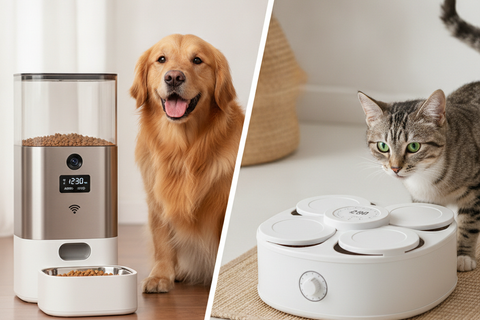
automatic pet feeder
Smart Automatic Pet Feeder vs. Timed Feeder: Which is Best for Your Pet?
Jul 04, 2026
dog gear
Summer Walks: Give Your Dog Freedom (Safely!)
Jul 04, 2026
dog gear
Summer Frisbee Fun: A Dog's Guide to Outdoor Play
Jul 03, 2026
pet care gear
Summer Scratch Solutions
Jul 03, 2026
dog gear
Unleash Their Inner Olympian: DIY Dog Agility for Happy Paws
Jul 03, 2026
dog safety at night
Reflective Dog Leashes & Collars: Enhance Nighttime Safety
Jul 03, 2026
chews that
Problem solved: Chews that stand up to your power chewer
Jul 03, 2026
dog gear
Potty Training a Puppy? Why Litter Boxes Are a Bad Idea
Jul 02, 2026
pet care gear
Summer Road Trips: Protect Your Car Seats
Jul 02, 2026
color what
Dog Pee Color: What It's Telling You (And What to Do)
Jul 02, 2026
dog gear
Summer Shedding: Stop the Dog Hair Avalanche!
Jul 02, 2026
automatic ball launcher for dogs
Choosing the Right Automatic Ball Launcher for Dogs: Endless Playtime
Jul 02, 2026
clipping dog
Clipping Dog Nails: Why It's Hard & What Truly Helps
Jul 02, 2026
dog gear
Dog Parkour? Elevate Their Chill
Jul 01, 2026
board dogs
Best Cat Scratching Post & Board for Cats: 2026 Guide
Jul 01, 2026
aggressive chewers
Top 5 Indestructible Dog Toys for Power Chewers: Built to Last
Jul 01, 2026