
canine sleep science
canine well-being
dog behavior explained
The Science of the "After-Walk" Nap

The Science of the "After-Walk" Nap: Unpacking Your Dog's Post-Adventure Zzzs
Every pet parent knows the ritual: a spirited walk, a triumphant return home, and then – almost immediately – the satisfying thud of your dog settling into a deep, post-exertion nap. It’s a comforting sight, a clear sign of a well-exercised and content companion. But have you ever wondered about the science behind this seemingly simple act? Beyond just being tired, there's a fascinating interplay of physiology, psychology, and recovery at work within your dog's body, deeply connected to their intricate dog sleep cycles.
Quick Answer: Why Do Dogs Nap After Walks?
Dogs nap after walks primarily for physical and mental recovery. Intense activity depletes energy stores, breaks down muscle tissue, and stimulates their senses, leading to a natural need for rest. This post-exertion sleep allows their bodies to repair, consolidate new memories, and process the rich sensory input from their adventure, ensuring optimal well-being and readiness for their next activity.
Decoding Canine Fatigue: The Immediate Aftermath of a Walk
A walk isn't just about physical movement; it's a full-body and mind workout for your dog. From the moment you clip on their harness and leash, their senses are engaged, their muscles are working, and their brains are processing a deluge of new information. Understanding this immediate aftermath helps explain the profound need for rest.
Physical Exertion and Muscle Recovery
During a walk, especially one involving varied terrain or vigorous play, your dog's muscles undergo microscopic tears and deplete glycogen stores. This is a natural part of exercise and signals the body to initiate repair processes. The subsequent nap is crucial for this recovery.
- Glycogen Replenishment: Sleep allows the body to convert stored energy back into glycogen, refilling muscle fuel tanks.
- Tissue Repair: Growth hormone, essential for tissue repair and muscle building, is released during deep sleep stages.
- Waste Removal: The lymphatic system, which removes metabolic waste products, becomes more active during rest.
Mental Stimulation and Sensory Overload
For dogs, a walk is a rich tapestry of scents, sounds, and sights. Every sniff is a story, every rustle a potential encounter. This intense sensory input, while stimulating and enriching, is also mentally taxing. Dogs are constantly processing environmental cues, from the distant bark of another dog to the faint scent trail of a squirrel.
Sensory Overload is the phenomenon where the brain receives more information than it can effectively process. For a dog, this can happen during a particularly stimulating walk. The "after-walk" nap allows their brain to categorize, store, and discard this information, preventing cognitive fatigue. This is especially true for highly sensitive breeds or dogs prone to fear of strangers or environmental stressors.
The Science of Dog Sleep Cycles: More Than Just Snoozing
Just like humans, dogs experience distinct dog sleep cycles, though their patterns differ significantly. These cycles are vital for both physical restoration and cognitive function. Understanding these stages provides insight into the quality and purpose of their post-walk slumber.
Stages of Canine Sleep: NREM vs. REM
Canine sleep is broadly divided into two main stages: Non-Rapid Eye Movement (NREM) and Rapid Eye Movement (REM) sleep.
- NREM (Non-Rapid Eye Movement) Sleep: This is the initial, lighter stage of sleep. Dogs are easily roused during NREM sleep. It's characterized by slower brain waves and reduced muscle activity. This stage is crucial for physical rest and metabolic recovery.
- REM (Rapid Eye Movement) Sleep: This is the deepest and most restorative stage, often associated with dreaming. During REM sleep, a dog's eyes move rapidly under their eyelids, and they may twitch, vocalize softly, or paddle their paws as if running. This stage is vital for memory consolidation, learning, and emotional processing.
Unlike humans who typically have one long sleep cycle at night, dogs are polyphasic sleepers, meaning they sleep in multiple shorter bursts throughout the day and night. Their sleep cycles are also much shorter, lasting around 20-30 minutes, compared to 90 minutes for humans. This means they transition between NREM and REM more frequently.
Canine vs. Human Sleep Cycles: A Comparison
| Characteristic | Canine Sleep | Human Sleep |
|---|---|---|
| Sleep Pattern | Polyphasic (multiple short naps) | Monophasic (one long sleep period) |
| Cycle Length | ~20-30 minutes | ~90 minutes |
| Time in REM | ~10-12% of total sleep | ~20-25% of total sleep |
| Ease of Waking | Easily roused, especially in NREM | More difficult to rouse in deep sleep |
| Key Function | Physical recovery, memory consolidation, sensory processing | Physical recovery, memory consolidation, emotional regulation |
The Role of Hormones and Neurotransmitters
The transition into sleep, particularly after exercise, is influenced by several key chemicals in your dog's brain and body:
- Adenosine: This neurotransmitter builds up in the brain during wakefulness and physical activity, increasing "sleep pressure." The longer your dog is active, the more adenosine accumulates, making them feel tired.
- Melatonin: Often called the "sleep hormone," melatonin production increases in dim light, helping to regulate your dog's circadian rhythm. While exercise itself doesn't directly trigger melatonin, a relaxed state post-walk, especially as daylight fades, can facilitate its release.
- Serotonin: This neurotransmitter plays a role in mood, well-being, and sleep. Exercise can boost serotonin levels, which, in turn, can contribute to a feeling of calm and prepare the brain for sleep.
Benefits of the After-Walk Nap for Overall Well-Being
The post-walk nap is far more than just "catching some zzzs"; it's a critical component of your dog's health regimen, contributing to physical, mental, and emotional equilibrium.
Physical Restoration and Energy Replenishment
As discussed, deep sleep is when the body undertakes its most vital repair work. For an active dog, this means:
- Muscle Repair and Growth: Essential proteins are synthesized, helping to rebuild and strengthen muscles taxed during the walk.
- Joint Health: While not directly repairing joints, rest reduces stress on them, allowing surrounding tissues to recover. Adequate rest can contribute to long-term joint health, especially for breeds prone to orthopedic issues.
- Immune System Boost: Sufficient sleep strengthens the immune system, making your dog more resilient to illness.
Cognitive Processing and Memory Consolidation
The mental workout of a walk is processed during sleep. "Memory Consolidation" is the process by which the brain stabilizes a memory after its initial acquisition. For dogs, this means:
- Learning Retention: If you introduced new commands or experiences during the walk, the nap helps solidify those lessons.
- Environmental Processing: The myriad scents, sounds, and sights encountered are categorized and stored, helping your dog build a richer understanding of their world.
- Problem-Solving: Studies suggest that REM sleep can play a role in problem-solving and creative thinking in animals, potentially helping them process complex situations encountered during the walk.
Stress Reduction and Emotional Regulation
Exercise is a fantastic stress reliever, but the subsequent nap is equally important for emotional balance. The quiet, calm period allows the brain to regulate stress hormones like cortisol. A well-rested dog is generally a happier, less anxious dog. This is especially important for dogs exhibiting thunderstorm anxiety or other stress-related behaviors, as consistent rest helps build resilience.
Optimizing the Post-Walk Rest: Creating the Perfect Nap Environment
As premium pet parents, ensuring your dog gets quality rest is paramount. It's not just about letting them sleep; it's about curating an environment that maximizes the benefits of their dog sleep cycles.
Choosing the Right Bedding and Sleep Space
The right bed can significantly impact sleep quality. Consider:
- Orthopedic Support: For older dogs or breeds prone to joint issues, an orthopedic bed provides crucial support, reducing pressure points and promoting deeper rest.
- Calming Beds: Beds with raised rims or donut shapes provide a sense of security, mimicking a den and reducing anxiety. These are excellent comfort and anxiety solutions for dogs who thrive in enclosed spaces.
- Location: A quiet, draft-free spot away from high-traffic areas of the home is ideal. Some dogs prefer to sleep in a crate, which offers a secure, den-like retreat.
Temperature and Lighting
Maintaining an optimal temperature and managing light exposure are crucial for regulating your dog's circadian rhythm.
- Temperature: A slightly cooler room is often best for sleep. Overheating can disrupt sleep.
- Lighting: Dimming the lights or ensuring their sleep area is dark after a walk, especially in the evening, signals to their body that it's time to wind down and promotes melatonin production.
Minimizing Disturbances: The Role of Sound and Routine
Dogs are easily roused, even from deep sleep. Minimizing disturbances is key to uninterrupted rest.
- Sound Management: While complete silence isn't always possible, consider using white noise for dogs to mask sudden household noises or outdoor sounds.
- Consistent Routine: Dogs thrive on routine. A predictable schedule for walks, meals, and nap times helps regulate their internal clock, making it easier for them to settle down.
- Post-Walk Wind-Down: Immediately after a stimulating walk, avoid engaging in high-energy play. Instead, offer water, a quiet chew toy from our dog toys collection, or a gentle petting session to help them transition to a calm state.
Recognizing Healthy vs. Concerning Sleep Patterns
While the after-walk nap is a healthy behavior, it's important for pet parents to distinguish between normal fatigue and potential health concerns. Your observation of your dog's dog sleep cycles and energy levels is invaluable.
Signs of Healthy Post-Walk Rest
- Quick Settling: Your dog lies down and falls asleep relatively quickly after returning home.
- Deep Sleep: You observe signs of REM sleep (twitching, soft vocalizations, paw movements).
- Refreshed Awakening: Your dog wakes up appearing alert, energetic, and ready for their next activity (after a reasonable rest period).
- Consistent Patterns: Their post-walk nap duration and frequency remain relatively consistent.
When to Consult Your Veterinarian
While we offer insights into pet behavior and care, always consult your veterinarian for specific medical advice. Certain changes in sleep patterns or energy levels can indicate underlying health issues.
- Excessive Lethargy: If your dog seems unusually tired, struggles to stay awake, or sleeps for excessively long periods even after minimal activity, it could be a sign of illness, pain, or a metabolic disorder.
- Restlessness During Sleep: Constant shifting, inability to get comfortable, or frequent waking could indicate pain, anxiety, or an environmental issue.
- Changes in Breathing: Heavy panting, labored breathing, or snoring that is new or unusually loud should be evaluated.
- Sudden Behavioral Shifts: If increased napping is accompanied by changes in appetite, thirst, bathroom habits, or mood (e.g., increased irritability), seek veterinary advice.
Utilizing wearable health monitors can provide valuable data on your dog's activity levels and sleep patterns, which you can then share with your vet.
The Premium Pet Parent's Guide to Optimal Canine Recovery
As a premium pet parent, your dedication extends to every aspect of your dog's well-being, including their recovery. Understanding and facilitating healthy dog sleep cycles is a cornerstone of this commitment. By providing the right environment, gear, and understanding, you empower your dog to live their happiest, healthiest life.
Consider your pet-parenting style and how it influences your dog's rest. A proactive approach to their comfort and recovery ensures they gain maximum benefit from every adventure. This means investing in high-quality items, like durable pet outdoor supplies for safe and enjoyable walks, and then creating a sanctuary for their essential post-walk rest.
From ensuring they have a comfortable, supportive bed to understanding the subtle cues of their energy levels, every choice you make contributes to their overall vitality. A well-rested dog is not only physically healthier but also more mentally sharp, emotionally balanced, and ready to engage with the world and with you.
Ready to elevate your dog's comfort and ensure they get the restorative sleep they deserve? Explore FurryFable's curated collection of premium comfort and anxiety solutions designed to support every stage of your dog's relaxation and recovery.
Frequently Asked Questions
Q: How long should a dog nap after a walk?
A: The duration of an after-walk nap varies greatly depending on the dog's age, breed, the intensity of the walk, and their individual energy levels. Puppies and senior dogs may nap for an hour or more, while adult dogs might only need 20-30 minutes to recover. Observe your dog's behavior; they should wake up refreshed and alert.
Q: Is it normal for a dog to sleep a lot after a long walk?
A: Yes, it is entirely normal for a dog to sleep a lot after a long or particularly stimulating walk. This deep rest is crucial for their physical recovery, muscle repair, and mental processing of all the sensory input they experienced. As long as they wake up seeming refreshed and their overall energy levels are normal, it's a healthy sign.
Q: What are the signs of a dog dreaming during their after-walk nap?
A: Signs of a dog dreaming during their nap, particularly in REM sleep, include soft whimpers or barks, twitching paws or eyelids, subtle tail wags, or even small muscle spasms. These are normal and indicate deep, restorative sleep where their brain is processing experiences and memories.
Q: Can a dog get too much sleep after a walk?
A: While a good nap is beneficial, consistently excessive sleep or lethargy after *any* walk, regardless of intensity, could be a cause for concern. If your dog seems unusually difficult to rouse, disoriented upon waking, or this behavior is new and persistent, it's advisable to consult your veterinarian to rule out underlying health issues.
Q: How can I help my dog relax for their post-walk nap?
A: To help your dog relax for their post-walk nap, ensure they have access to fresh water, a comfortable and quiet sleep spot away from household commotion, and a consistent routine. Providing a calming bed, dimming lights, and avoiding immediate high-energy play can also signal that it's time to wind down.
FurryFable Recommendations
 FurryFable Leak-Proof 2-in-1 Dog Travel Water & Food Bottle
 FurryFable Automatic Pet Water & Food Dispenser for Cats & Dogs
★★★★★ 5 (28)
Save 34%$37.23 Shop Now
 FurryFable No-Drip Dog Water Bottle for Crates & Kennels
✓ Free USA Shipping✓ Fast Delivery✓ Secure Checkout✓ 100% Satisfaction
You Might Also Like
calming vest
Best Dog Anxiety Vest for Dogs: 2026 Guide
Sep 17, 2026
dog gear
Best Dog Puzzle Toy for Dogs: 2026 Guide
Sep 12, 2026
destroys toys
Why Your Dog Destroys Toys — & How to Finally Stop It
Sep 05, 2026
autumn puppy
Autumn Puppy Potty Training
Sep 05, 2026
collar leash
Best Dog Collar & Leash Set for Dogs: 2026 Guide
Sep 04, 2026
autumn dog
Autumn Dog Nail Care: Ditching the Drama & Embracing Healthy Paws
Sep 04, 2026
autumn dog
Autumn Dog Beds: Why Your Pup Still Gets Hot & How to Fix It
Sep 03, 2026
freedom fumble
Retractable Leashes: Freedom or Fumble?
Sep 03, 2026
bird gear
Best Chicken Coop Swing & Toy for Dogs: 2026 Guide
Sep 02, 2026
autumn paw
Autumn Paw Patrol: Stop Litter Tracks for Good
Sep 02, 2026
arms automatic
Tired Arms? Automatic Toys for Small Dogs That Actually Work
Sep 01, 2026
dog gear
Unleash Their Inner Athlete: Backyard Dog Agility Secrets
Sep 01, 2026
agility seesaw
Best Dog Agility Seesaw for Dogs: 2026 Guide
Aug 10, 2026
cat play
Dog-Proof Cat Play: Harmony in Your Shared Spaces
Aug 10, 2026
dog gear
Summer Dog Travel: for Stress-Free Adventures
Aug 10, 2026
anxious dog
Anxious Dog? : A Calming Bed That Actually Works
Jul 08, 2026
automatic cat feeder
Smart Automatic Pet Feeder vs. Gravity Feeder: Which is Best for Your Pet's Routine?
Jul 08, 2026
dog gear
Hiking with Your Dog: The Long Leash Dilemma Solved
Jul 08, 2026
mess solved
Paw Mess Solved
Jul 07, 2026
dog gear
Dog Eats Too Fast? Ragnor's Fix for Gulping & Bloat
Jul 07, 2026
beyond fetch
Summer Dog Games: Beyond Fetch
Jul 07, 2026
breathable dog car seat
Stay Cool on the Road: Top 5 Cooling Dog Car Seat Covers for Summer Adventures
Jul 07, 2026
invaders keep
Yard Invaders? How to Keep Stray Dogs Away (Kindly)
Jul 07, 2026
avoid drama
Clipping Dog Nails: Avoid the Drama & Do It Right
Jul 06, 2026
brachycephalic dog gear
Best No-Pull Harness for French Bulldogs: Comfort, Control & Style
Jul 06, 2026
bored dog
Bored Dog? Unleash Happiness with Vertical Play
Jul 06, 2026
clothes jackets
Best Dog Clothes & Jackets for Dogs: 2026 Guide
Jul 06, 2026
pet care gear
Best Portable Pet Water Bottle for Dogs: 2026 Guide
Jul 05, 2026
foes scratch
Furniture Foes: for Scratch-Proof Paws
Jul 05, 2026
best dog toys
The Ultimate Guide: Choosing Indestructible Dog Toys for Aggressive Chewers
Jul 05, 2026
dog gear
Unleash Their Inner Olympian: Home Agility for Any Dog
Jul 05, 2026
dog gear
Lost Dog Panic? GPS Trackers Actually Work. Here's How.
Jul 05, 2026
anxiety regular
Dog Anxiety: Why Regular Beds Aren't Enough
Jul 04, 2026
dog gear
Summer Dog Safety
Jul 04, 2026
automatic pet feeder
Smart Automatic Pet Feeder vs. Timed Feeder: Which is Best for Your Pet?
Jul 04, 2026
dog gear
Summer Walks: Give Your Dog Freedom (Safely!)
Jul 04, 2026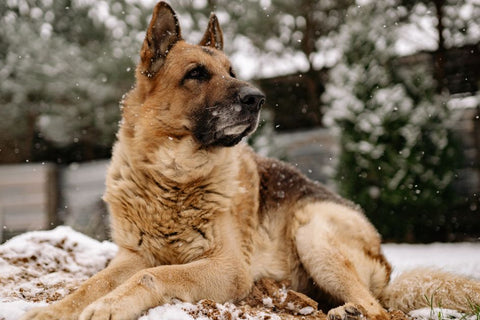
dog gear
Summer Frisbee Fun: A Dog's Guide to Outdoor Play
Jul 03, 2026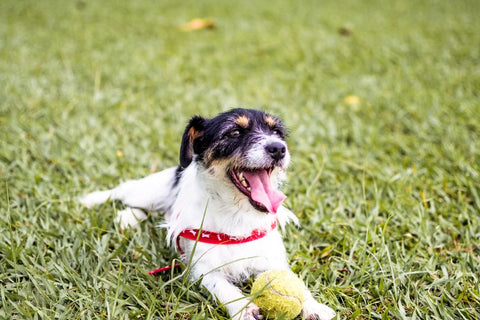
pet care gear
Summer Scratch Solutions
Jul 03, 2026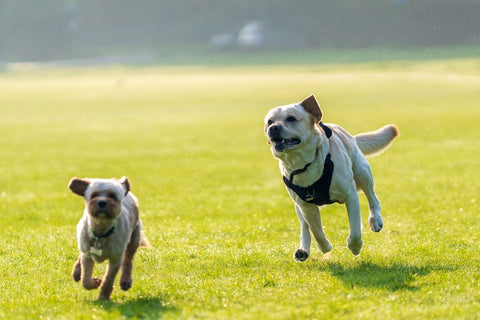
dog gear
Unleash Their Inner Olympian: DIY Dog Agility for Happy Paws
Jul 03, 2026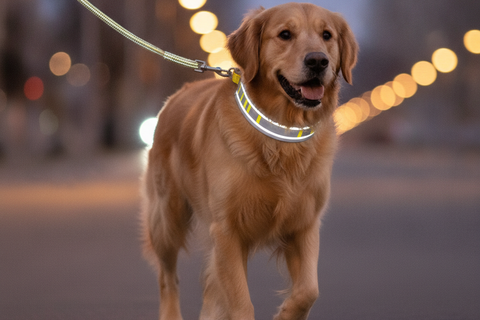
dog safety at night
Reflective Dog Leashes & Collars: Enhance Nighttime Safety
Jul 03, 2026
chews that
Problem solved: Chews that stand up to your power chewer
Jul 03, 2026
dog gear
Potty Training a Puppy? Why Litter Boxes Are a Bad Idea
Jul 02, 2026
pet care gear
Summer Road Trips: Protect Your Car Seats
Jul 02, 2026
color what
Dog Pee Color: What It's Telling You (And What to Do)
Jul 02, 2026
dog gear
Summer Shedding: Stop the Dog Hair Avalanche!
Jul 02, 2026
automatic ball launcher for dogs
Choosing the Right Automatic Ball Launcher for Dogs: Endless Playtime
Jul 02, 2026
clipping dog
Clipping Dog Nails: Why It's Hard & What Truly Helps
Jul 02, 2026
dog gear
Dog Parkour? Elevate Their Chill
Jul 01, 2026
board dogs
Best Cat Scratching Post & Board for Cats: 2026 Guide
Jul 01, 2026
aggressive chewers
Top 5 Indestructible Dog Toys for Power Chewers: Built to Last
Jul 01, 2026