
dog gear
dog health
health matters
Home Monitoring for Dog Health - Why It Matters

⚡ Quick Answer
Home monitoring for dog health is crucial for early detection of subtle changes that indicate underlying conditions, potentially saving thousands in vet bills and improving outcomes. Tools like color-changing urine pads or smart feeders provide vital data, enabling owners to track metrics like hydration and waste output. This proactive approach supports optimal canine wellness, especially for large breeds prone to specific conditions, with effective monitoring solutions available from $15 to $80. Explore essential gear for proactive care at FurryFable's Pet Outdoor Supplies.
Home monitoring for dog health is essential for detecting subtle changes in behavior, appetite, hydration, and waste output that can signal early stages of illness. Proactive observation allows for timely veterinary intervention, often leading to better prognoses and preventing conditions from becoming critical. This approach is particularly vital for breeds like German Shepherds, which are prone to conditions such as hip dysplasia, degenerative myelopathy, and certain cancers, where early signs can be easily missed without consistent home surveillance.
Quick Specs
| Parameter Category | Technical Specification and Safety Thresholds |
|---|---|
| Breed and Weight Fit | All dog breeds, up to 150 lbs / 68 kg, with specific focus on breeds prone to urinary or digestive issues (e.g., German Shepherds, Labrador Retrievers, Dalmatians). |
| Target Architecture | Absorbent multi-layer pads or smart feeding/drinking systems with integrated sensors. |
| Material Hardness | Pads: Soft, non-abrasive cellulose pulp with polyethylene backing. Smart devices: High-impact ABS plastic, Shore D hardness 70. |
| Fabric or Build Reinforcement | Pads: 5-layer leak-proof design with quick-dry top sheet. Devices: Seamless molded body, reinforced feed mechanisms. |
| Chemical Safety | Non-toxic, BPA-free, phthalate-free, lead-free, food-grade plastics where applicable. Indicator chemicals in pads are pet-safe. |
| Price Spectrum | $15 to $80 per item (pads, smart feeders, water fountains). |
The Hidden Costs of Waiting
Many owners, especially those new to large breeds like Golden Retrievers or Boxers, might overlook subtle changes. A slight limp in a Golden Retriever could be dismissed as a minor strain, when in fact it could be the early sign of elbow dysplasia, a condition common in the breed. Waiting means the condition progresses, potentially requiring more invasive and expensive treatments, like total elbow replacement surgery which can cost upwards of $4,000 per elbow. The true pain point for owners isn't just the financial burden, but the emotional toll of seeing their active dog in discomfort, knowing earlier detection might have led to simpler, less invasive management. This is where consistent pet health monitoring at home becomes invaluable. It transforms observation from passive watching into active data collection, empowering owners to act swiftly.📐 The Body Condition Score (BCS) Formula
The Body Condition Score (BCS) is a standardized, objective assessment tool used to evaluate a dog's fat reserves and muscle mass, providing a numerical rating that directly correlates to health risks. Deviations from an ideal BCS can indicate underlying health issues before weight changes become visibly obvious.
BCS = (Rib Palpability + Waist Taper + Abdominal Tuck)3 ÷ 2| Variable | Definition | Bad/Risky Scenario (BCS 1 or 9) | Good/Safe Scenario (BCS 4-5) |
|---|---|---|---|
| Rib Palpability | Ease of feeling ribs under skin. | Ribs easily visible/no fat cover (BCS 1) or ribs difficult to feel under thick fat (BCS 9). | Ribs easily palpable with slight fat cover. |
| Waist Taper | Indentation behind ribs from above. | Extreme hourglass (BCS 1) or no waist, broad back (BCS 9). | Noticeable taper behind ribs. |
| Abdominal Tuck | Upward slope of abdomen from side. | Severe tuck (BCS 1) or pendulous abdomen (BCS 9). | Moderate tuck. |
A BCS of 7 or higher indicates a 30% increased risk of osteoarthritis and diabetes in breeds like Beagles.
The Tools for Vigilance
Modern pet products offer sophisticated ways to monitor your dog's health without constant vet visits. These aren't just gadgets; they are extensions of your care, providing actionable insights.Monitoring Waste Output: A Window into Internal Health
Urine and stool provide critical clues about internal health. Changes in color, consistency, or frequency can indicate issues ranging from dehydration to kidney disease or parasites. For instance, a Golden Retriever with a urinary tract infection might show increased frequency and straining, often accompanied by cloudy or reddish urine. The FurryFable Health Monitoring Dog Pee Pads | Color-Changing Urine Pads are specifically designed for this. These pads contain chemical indicators that react to abnormal pH levels, protein, or blood in a dog's urine, changing color to alert owners to potential issues. For a large breed like a German Shepherd, these pads are a discreet way to catch anomalies that might otherwise be missed on grass or concrete. Each pad measures 23.6 inches x 17.7 inches, providing ample surface area for even larger dogs to use comfortably. The non-toxic, pet-safe indicator chemicals are embedded within the absorbent layers, ensuring no direct contact with the dog while providing clear visual cues for owners. For general training and routine monitoring, the FurryFable Washable Dog Pee Pads (2-Pack) - Waterproof Training Mats offer an eco-friendly solution. Measuring 35.2 inches x 23.3 inches, these pads are designed with a five-layer construction: a soft quilted top, two super-absorbent layers, a waterproof barrier, and a non-slip silica gel bottom. This construction ensures maximum absorbency of up to 10 cups of liquid while protecting floors. The ability to wash and reuse them makes daily monitoring of urine volume and color practical for owners.Hydration and Nutrition: The Foundation of Wellness
Dehydration can quickly lead to serious health problems, especially in active breeds like Australian Shepherds or during warmer months. Similarly, changes in appetite or eating patterns can be early indicators of dental problems, digestive upset, or more systemic diseases. smart automatic pet feeders and water fountains offer consistent data points. A smart feeder can track how much your dog eats and when, alerting you to skipped meals or unusual consumption patterns. A smart water fountain can track water intake, ensuring your dog meets their daily hydration needs. For a Labrador Retriever, known for their enthusiastic eating, a sudden lack of interest in food can be a significant red flag. You can find excellent options for consistent feeding at FurryFable's pet bowl collection.Activity and Sleep Patterns: Behavioral Barometers
Activity trackers, often integrated into collars or harnesses, can provide insights into your dog's daily movement and sleep cycles. A sudden decrease in activity in a high-energy Border Collie could indicate pain or illness, while restless sleep might suggest discomfort or anxiety. These devices often track steps, active minutes, and sleep duration, establishing a baseline that makes deviations immediately apparent. For breeds like Greyhounds, prone to bone cancer, early detection of subtle lameness through activity monitoring can be life-saving.Why Ragnor Evaluated These for FurryFable
When curating products for FurryFable, I prioritize utility, safety, and reliability. For home health monitoring, the key is accuracy and ease of use for the owner. The FurryFable Health Monitoring Dog Pee Pads are Ragnor's pick because they offer a non-invasive, objective way to screen for urinary abnormalities. The color-changing indicators are clear and require no special interpretation, making them accessible to any owner. The pads utilize a five-layer absorbent core with a 100% leak-proof polyethylene backing, capable of holding up to 6 cups / 1.4 liters of liquid, essential for larger breeds that produce more urine. The dimensions of 23.6 inches L x 17.7 inches W (60 cm x 45 cm) provide sufficient target area. The non-toxic, pet-safe reagents are integrated into the super-absorbent polymer layer, ensuring they only activate upon contact with urine and do not pose a risk to the dog. This targeted chemical detection offers an early warning system for conditions like urinary tract infections or kidney issues. For daily routine training and hygiene, the FurryFable Washable Dog Pee Pads (2-Pack) are Ragnor's choice due to their durability and environmental benefit. Constructed with a robust five-layer system, including a soft quilted top, two highly absorbent microfiber layers, a TPU waterproof barrier, and a non-slip silica gel bottom, these pads are engineered for repeated use. Each pad supports up to 10 cups / 2.3 liters of liquid without leaking and is rated for over 300 wash cycles, maintaining structural integrity and absorbency. The large size, 35.2 inches L x 23.3 inches W (89.5 cm x 59.2 cm), accommodates a wide range of dog sizes, from small puppies to adult Golden Retrievers. The triple-stitched seams prevent fraying, and the non-toxic, BPA-free materials ensure safety. This product provides a sustainable and effective solution for managing indoor elimination and allows for visual inspection of urine output. These products are not substitutes for veterinary care but are powerful allies in proactive health management. They provide data points that empower owners to engage with their veterinarians more effectively, bringing specific observations rather than vague concerns.Implementing Your Home Monitoring Plan
Start by establishing a baseline for your dog. For a Boxer, this means knowing their average daily water intake, the typical consistency and frequency of their stool, and their usual energy levels during walks. Keep a simple log, either physical or digital. Introduce monitoring tools gradually. Begin with something like the FurryFable Health Monitoring Dog Pee Pads if you suspect a urinary issue, or a smart feeder if you want to track food intake. Consistency is key. Make monitoring a regular part of your daily routine, just like feeding or walking. Remember, early detection is not about self-diagnosing. It's about gathering information that allows your veterinarian to diagnose and treat more effectively, often preventing advanced disease and improving your dog's quality of life. Invest in your dog's future well-being by exploring the range of pet health monitoring tools available. Your vigilance today can prevent serious problems tomorrow.💡 Ragnor's Trainer Pro-Tip
"Implement 'The Daily 5-Point Check' for breeds like Rottweilers. This involves a quick visual scan of eyes, nose, gums, coat, and gait during their morning potty break. Focus on symmetry and clarity in the eyes, moisture in the nose, pinkness in the gums, shine in the coat, and fluidity in movement. This routine trains your eye to spot subtle deviations from their normal state, which is crucial for early detection of issues like bloat or joint pain, common in large breeds."
, Ragnor, Pet Trainer & Animal Behaviorist, FurryFable
Frequently Asked Questions
What are the most important parameters for pet health monitoring at home?
The most important parameters include changes in appetite, water intake, urine color and frequency, stool consistency and frequency, activity levels, sleep patterns, and body condition. For breeds like Beagles, monitoring weight is especially critical due to their predisposition to obesity. Regular observation of these metrics provides a holistic view of your dog's well-being.
How can I effectively monitor my dog's hydration levels at home?
You can monitor hydration by tracking water intake using smart water fountains or measuring refills in a regular bowl. Also, perform a "skin tent" test: gently pull up the skin on your dog's back; if it doesn't snap back quickly, your dog might be dehydrated. Checking gum stickiness is another indicator. For active breeds, consider portable pet water bottles during walks to ensure constant access to water.
Are smart feeders truly beneficial for detecting health issues?
Yes, smart feeders are highly beneficial. They track precise meal portions and feeding times, allowing you to notice immediately if your dog skips a meal or eats less than usual. This data is crucial for breeds like Great Danes, which are prone to bloat; a sudden disinterest in food can be an early warning sign. You can learn more about these devices in our article on Smart Automatic Pet Feeder vs. Gravity Feeder.
What kind of changes in urine or stool should prompt a vet visit?
Any significant changes in urine, such as dark color, cloudiness, blood, strong odor, increased or decreased frequency, or straining, warrant a vet visit. For stool, watch for diarrhea, constipation, blood, mucus, or a drastically different color. These can indicate various issues, from urinary tract infections to gastrointestinal problems.
How often should I perform a full home health check on my dog?
A quick daily check, as described in Ragnor's Pro-Tip, should be part of your routine. A more thorough weekly check, including a full body palpation, dental inspection, and paw examination, is recommended. For older dogs or those with chronic conditions, increase the frequency of detailed checks to twice weekly or as advised by your veterinarian.
FurryFable Recommendations
 FurryFable Health Monitoring Dog Pee Pads | Color-Changing Urine Pads
★★★★★ 4.96 (28)
Save 34%$23.00 Shop Now
 FurryFable Washable Dog Pee Pads (2-Pack) - Waterproof Training Mats
★★★★★ 4.95 (21)
Save 34%$30.00 Shop Now
✓ Free USA Shipping✓ Fast Delivery✓ Secure Checkout✓ 100% Satisfaction
R
Ragnor
Pet Trainer & Animal Behaviorist
Ragnor is a certified pet trainer and animal behaviorist with over 10 years of experience helping dog and cat owners across North America find the right gear for their pets' specific breed needs and health conditions. Every recommendation on FurryFable is selected for safety, fit, and breed compatibility.
You Might Also Like

calming vest
Best Dog Anxiety Vest for Dogs: 2026 Guide
Sep 17, 2026
dog gear
Best Dog Puzzle Toy for Dogs: 2026 Guide
Sep 12, 2026
destroys toys
Why Your Dog Destroys Toys — & How to Finally Stop It
Sep 05, 2026
autumn puppy
Autumn Puppy Potty Training
Sep 05, 2026
collar leash
Best Dog Collar & Leash Set for Dogs: 2026 Guide
Sep 04, 2026
autumn dog
Autumn Dog Nail Care: Ditching the Drama & Embracing Healthy Paws
Sep 04, 2026
autumn dog
Autumn Dog Beds: Why Your Pup Still Gets Hot & How to Fix It
Sep 03, 2026
freedom fumble
Retractable Leashes: Freedom or Fumble?
Sep 03, 2026
bird gear
Best Chicken Coop Swing & Toy for Dogs: 2026 Guide
Sep 02, 2026
autumn paw
Autumn Paw Patrol: Stop Litter Tracks for Good
Sep 02, 2026
arms automatic
Tired Arms? Automatic Toys for Small Dogs That Actually Work
Sep 01, 2026
dog gear
Unleash Their Inner Athlete: Backyard Dog Agility Secrets
Sep 01, 2026
agility seesaw
Best Dog Agility Seesaw for Dogs: 2026 Guide
Aug 10, 2026
cat play
Dog-Proof Cat Play: Harmony in Your Shared Spaces
Aug 10, 2026
dog gear
Summer Dog Travel: for Stress-Free Adventures
Aug 10, 2026
anxious dog
Anxious Dog? : A Calming Bed That Actually Works
Jul 08, 2026
automatic cat feeder
Smart Automatic Pet Feeder vs. Gravity Feeder: Which is Best for Your Pet's Routine?
Jul 08, 2026
dog gear
Hiking with Your Dog: The Long Leash Dilemma Solved
Jul 08, 2026
mess solved
Paw Mess Solved
Jul 07, 2026
dog gear
Dog Eats Too Fast? Ragnor's Fix for Gulping & Bloat
Jul 07, 2026
beyond fetch
Summer Dog Games: Beyond Fetch
Jul 07, 2026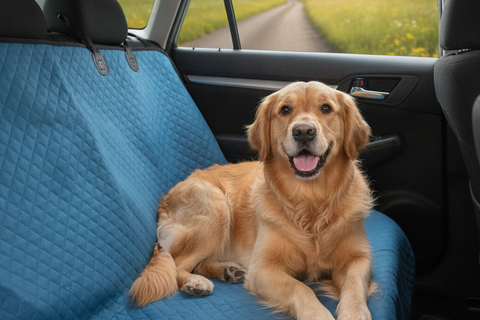
breathable dog car seat
Stay Cool on the Road: Top 5 Cooling Dog Car Seat Covers for Summer Adventures
Jul 07, 2026
invaders keep
Yard Invaders? How to Keep Stray Dogs Away (Kindly)
Jul 07, 2026
avoid drama
Clipping Dog Nails: Avoid the Drama & Do It Right
Jul 06, 2026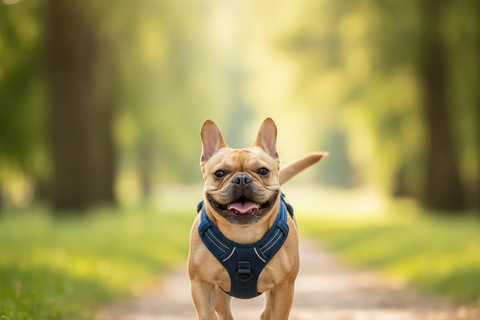
brachycephalic dog gear
Best No-Pull Harness for French Bulldogs: Comfort, Control & Style
Jul 06, 2026
bored dog
Bored Dog? Unleash Happiness with Vertical Play
Jul 06, 2026
clothes jackets
Best Dog Clothes & Jackets for Dogs: 2026 Guide
Jul 06, 2026
pet care gear
Best Portable Pet Water Bottle for Dogs: 2026 Guide
Jul 05, 2026
foes scratch
Furniture Foes: for Scratch-Proof Paws
Jul 05, 2026
best dog toys
The Ultimate Guide: Choosing Indestructible Dog Toys for Aggressive Chewers
Jul 05, 2026
dog gear
Unleash Their Inner Olympian: Home Agility for Any Dog
Jul 05, 2026
dog gear
Lost Dog Panic? GPS Trackers Actually Work. Here's How.
Jul 05, 2026
anxiety regular
Dog Anxiety: Why Regular Beds Aren't Enough
Jul 04, 2026
dog gear
Summer Dog Safety
Jul 04, 2026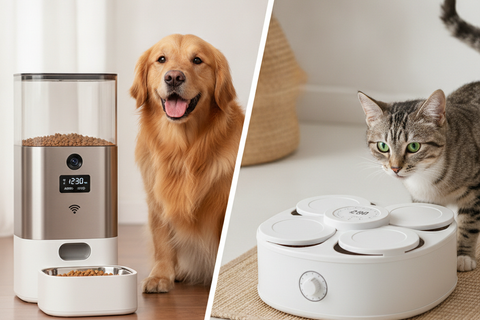
automatic pet feeder
Smart Automatic Pet Feeder vs. Timed Feeder: Which is Best for Your Pet?
Jul 04, 2026
dog gear
Summer Walks: Give Your Dog Freedom (Safely!)
Jul 04, 2026
dog gear
Summer Frisbee Fun: A Dog's Guide to Outdoor Play
Jul 03, 2026
pet care gear
Summer Scratch Solutions
Jul 03, 2026
dog gear
Unleash Their Inner Olympian: DIY Dog Agility for Happy Paws
Jul 03, 2026
dog safety at night
Reflective Dog Leashes & Collars: Enhance Nighttime Safety
Jul 03, 2026
chews that
Problem solved: Chews that stand up to your power chewer
Jul 03, 2026
dog gear
Potty Training a Puppy? Why Litter Boxes Are a Bad Idea
Jul 02, 2026
pet care gear
Summer Road Trips: Protect Your Car Seats
Jul 02, 2026
color what
Dog Pee Color: What It's Telling You (And What to Do)
Jul 02, 2026
dog gear
Summer Shedding: Stop the Dog Hair Avalanche!
Jul 02, 2026
automatic ball launcher for dogs
Choosing the Right Automatic Ball Launcher for Dogs: Endless Playtime
Jul 02, 2026
clipping dog
Clipping Dog Nails: Why It's Hard & What Truly Helps
Jul 02, 2026
dog gear
Dog Parkour? Elevate Their Chill
Jul 01, 2026
board dogs
Best Cat Scratching Post & Board for Cats: 2026 Guide
Jul 01, 2026
aggressive chewers
Top 5 Indestructible Dog Toys for Power Chewers: Built to Last
Jul 01, 2026