
autumn dog
beds pup
dog gear
Autumn Dog Beds: Why Your Pup Still Gets Hot & How to Fix It

⚡ Quick Answer
Dogs get hot on autumn beds due to high ambient temperatures, insufficient airflow, and inappropriate material choices that trap heat against their bodies. To fix this, select elevated beds with breathable mesh, phase-change materials, or gel-infused memory foam, ensuring the bed supports your dog's weight, such as a 70 lb Golden Retriever, for optimal cooling. Explore cooling options at FurryFable Dog Beds & Mats.
Your dog still gets hot on autumn beds primarily due to insufficient convective airflow beneath and around their body, coupled with insulating materials that trap metabolic heat. Even moderate autumn indoor temperatures can feel warm to a dog, especially breeds with dense undercoats or brachycephalic structures. The solution involves selecting beds with elevated designs, open-cell foam, or phase-change material technology that actively dissipates heat.
Quick Specs
| Parameter Category | Technical Specification and Safety Thresholds |
|---|---|
| Breed and Weight Fit | Supports dogs from 20 lbs (9 kg) to 120 lbs (54 kg); dimensions from 24"x18" (61x46cm) to 50"x36" (127x91cm) |
| Target Architecture | Elevated mesh bed with minimum 7-inch (18cm) ground clearance; open-cell foam or gel-infused pad; non-bolstered design |
| Material Hardness | Frame: 6061-T6 aircraft-grade aluminum or steel, 1.25-inch diameter tubing. Mesh: 600-900 denier PVC-coated polyester. Foam: 3-5 lb density memory foam. |
| Fabric or Build Reinforcement | Double-stitched or triple-stitched seams; tear resistance of 150-200 lbs/inch; powder-coated rust-resistant frame. |
| Chemical Safety | Non-toxic, lead-free, phthalate-free, BPA-free materials; CertiPUR-US certified foams. |
| Price Spectrum | $20 to $150 per item at FurryFable. |
Understanding Canine Thermoregulation in Autumn
Dogs maintain a core body temperature between 101.0 and 102.5 degrees Fahrenheit (38.3 to 39.2 degrees Celsius). This is naturally higher than humans. Breeds like Siberian Huskies or Great Pyrenees possess dense double coats, designed to insulate against extreme cold. While beneficial in winter, these coats become liabilities in autumn's fluctuating temperatures. Even short-coated breeds like Boxers or Dobermans can overheat if their resting surface traps body heat. Heat is primarily lost through four mechanisms: convection, conduction, radiation, and evaporation (panting). A dog bed significantly influences convection and conduction. If a bed is flat on the floor and made of insulating material, it impedes convective airflow beneath the dog. It also prevents conductive heat transfer away from the body. This creates a localized microclimate of trapped heat, forcing the dog to pant more heavily. Consider a 70 lb Golden Retriever. This breed is prone to hip and elbow dysplasia, making supportive bedding crucial. However, their thick double coat means an insulating bed, even in a 70°F (21°C) room, can quickly become uncomfortably warm. They will seek out cool, hard floors, sacrificing joint support for thermal comfort. This compromise is preventable with the right dog bed for autumn cooling.The Science of Cooling: Heat Transfer and Canine Comfort
The key to a truly effective cooling bed lies in understanding basic heat transfer principles. Your dog continuously generates metabolic heat. This heat must be efficiently removed from their body to maintain thermal equilibrium.📐 Newton's Law of Cooling: Heat Dissipation from a Canine Body
Newton's Law of Cooling describes the rate at which an object's temperature changes in relation to its surroundings. For a dog, this means the rate of heat loss (dQ/dt) is proportional to the temperature difference between the dog's skin and the bed surface or ambient air.
dQ/dt = -hA(Tdog - Tambient)
| Variable | Definition | Risky Scenario (Insulating Bed) | Safe Scenario (Cooling Bed) |
|---|---|---|---|
| dQ/dt | Rate of heat loss (Watts) | Low, e.g., 5 W (heat trapped) | High, e.g., 25 W (efficient dissipation) |
| h | Heat transfer coefficient (W/m²·K) | Low (e.g., 2 W/m²·K for thick fleece) | High (e.g., 15 W/m²·K for mesh) |
| A | Surface area of contact (m²) | ~0.5 m² for a 60 lb dog | ~0.5 m² for a 60 lb dog |
| Tdog - Tambient | Temperature difference (°C) | Small, e.g., 2°C (bed warms up) | Large, e.g., 10°C (bed stays cool) |
An elevated mesh bed increases the heat transfer coefficient (h) by approximately 7.5× compared to a thick fleece bed, leading to significantly faster heat dissipation and a cooler sleeping surface for your dog.
Common Autumn Dog Bed Pitfalls
Many owners err by choosing plush, insulated beds, assuming autumn chill requires warmth. However, indoor heating and a dog's natural body temperature often negate this need. * **Thick, Bolstered Beds:** While seemingly cozy, these designs restrict airflow. They create a warm, enclosed space that traps heat, especially problematic for breeds like German Shepherds that shed heavily and have dense undercoats. * **Memory Foam Without Cooling Properties:** Standard memory foam conforms closely, reducing contact with ambient air. This can lead to significant heat retention. Without gel infusion or open-cell structure, it becomes an insulator. * **Flat Beds Directly on the Floor:** These beds block convection from the underside. The floor itself can warm up from the dog's body, creating a heat sink rather than a dissipator. This is particularly noticeable with large, heavy breeds like Mastiffs or Great Danes, whose mass generates substantial heat.Optimal Features for an Autumn Dog Bed for Cooling
When selecting a dog bed for autumn, prioritize features that actively promote heat dissipation and airflow. 1. **Elevated Design:** This is paramount. Beds elevated 7-9 inches (18-23 cm) off the ground allow 360-degree airflow, maximizing convective cooling. Look for frames made from anodized 6061-T6 aircraft-grade aluminum or powder-coated steel with 1.25-inch diameter tubing. This ensures stability for dogs up to 120 lbs (54 kg) without bowing. 2. **Breathable Mesh Fabric:** The sleeping surface itself must facilitate airflow. PVC-coated polyester mesh, with a denier count of 600-900, offers excellent ventilation and tear resistance. It should have triple-stitched seams to withstand nesting and scratching from breeds like Border Collies. 3. **Gel-Infused Memory Foam or Phase-Change Materials:** If you prefer a padded bed for orthopedic support, particularly for older Golden Retrievers or Labradors with arthritis, choose gel-infused memory foam. The gel beads draw heat away from the body. Phase-change materials (PCMs) absorb and release heat as ambient temperatures fluctuate, maintaining a consistent cool surface. Ensure the foam is CertiPUR-US certified, confirming it's free from harmful chemicals. 4. **Open-Cell Foam Structure:** For non-gel foams, an open-cell structure allows air to move through the material, preventing heat buildup. This is a superior choice to traditional closed-cell foams for thermal regulation. 5. **Easy-to-Clean, Non-Insulating Covers:** The cover material should be a blend of polyester and nylon, designed for breathability and quick drying. Avoid thick fleece or faux fur covers that trap heat. A removable, machine-washable cover is essential for hygiene.Why We Chose These for FurryFable
At FurryFable, Ragnor evaluated dog beds based on rigorous engineering specifications and real-world canine comfort. Our selection criteria focus on material science, structural integrity, and proven thermal performance. We prioritize solutions that genuinely address your dog's physiological needs, not just aesthetic appeal. For instance, the "FurryFable XXXL Cooling Mesh Pet Bed - Ventilated Relief" was selected for its anodized 6061-T6 aircraft-grade aluminum frame, featuring 1.25-inch diameter tubing that supports dogs up to 120 lbs (54 kg) without bowing. The powder-coated, rust-resistant frame elevates the sleeping surface 8.5 inches off the ground, maximizing passive convective airflow to carry away heat. Its 750-denier PVC-coated polyester mesh delivers a certified tear strength of 200 lbs/inch to withstand nesting claws, with triple-stitched UV-resistant seams preventing degradation from sun and moisture exposure. This construction ensures longevity and consistent cooling performance, crucial for breeds like German Shepherds prone to overheating. Another Ragnor's pick is the "XL Waterproof Oxford Pet Bed - Durable, Easy Clean, All-Season." While not elevated, its Oxford fabric cover is a blend of 600-denier polyester with a waterproof PVC backing. This material choice offers a cooler surface than traditional plush fabrics and prevents moisture absorption, which can contribute to localized warmth. Its 4-inch thick, high-density orthopedic foam base, while not gel-infused, has an open-cell structure that allows for some air circulation, preventing the dense heat trapping seen in cheaper memory foams. It supports dogs up to 90 lbs (41 kg) and is ideal for breeds like Boxers who need moderate cooling with superior joint support.💡 Ragnor's Trainer Pro-Tip
"The 'Cooling Spot Transfer' method is effective for dogs reluctant to use a new cooling bed. Place a small, previously used blanket or toy on the new cooling bed. The familiar scent cue encourages the dog to investigate and settle, associating positive feelings with the cooler surface, leveraging their olfactory senses for comfort and acceptance."
, Ragnor, Pet Trainer & Animal Behaviorist, FurryFable
Beyond the Bed: Complementary Cooling Strategies
Even with the best dog bed for autumn cooling, integrating other cooling strategies enhances your dog's comfort. * **Strategic Placement:** Position the bed away from direct sunlight and heat registers. Placing it near a window (with a screen) can utilize cooler autumn breezes, enhancing convective cooling. * **Hydration:** Always ensure access to fresh, cool water. Consider a water bottle with a wide opening for easy access on walks, especially for active breeds like Australian Shepherds. You can find excellent options in our outdoor supplies collection. * **Grooming:** Regular grooming, especially for double-coated breeds, helps remove loose undercoat that traps heat. Deshedding tools can significantly improve airflow through their coat. * **Activity Timing:** Adjust exercise routines to cooler parts of the day, typically early morning or late evening. This reduces the heat load your dog carries into their resting period. For intense play, consider durable toys from our dog toys collection that can be frozen. Autumn should be a comfortable season for your dog. By understanding their unique thermal needs and selecting appropriate bedding, you can prevent overheating and ensure restful sleep. A well-chosen cooling bed contributes not only to immediate comfort but also to long-term health, supporting orthopedic needs without compromising thermal regulation. Explore the full range of cooling and supportive options for your dog's ultimate comfort this autumn. Visit our collection of Dog Beds & Mats today.Frequently Asked Questions
Why does my short-haired dog still get hot on their bed in autumn?
Even short-haired breeds like Greyhounds or Pointers generate significant metabolic heat. If their bed is flat on the floor or made of dense, insulating material, it traps this heat, preventing efficient conductive and convective cooling. Their shorter coat doesn't mean they can't overheat, especially if they are very active or the indoor temperature is above 70°F (21°C).
Are cooling mats a good alternative to a cooling bed for autumn?
Cooling mats can be a good supplemental solution, especially for targeted relief, but they are not a direct replacement for a dedicated cooling bed. Mats often use gel that requires recharging (either by refrigeration or simply by not being used for a period), and their cooling effect is temporary. For consistent, overnight cooling, an elevated mesh bed or one with advanced phase-change materials is more effective. You can find various cooling accessories in our comfort and anxiety solutions collection.
How can I tell if my dog is too hot on their bed?
Signs your dog is too hot include excessive panting, restless shifting, seeking out cool tile or hard floors, rapid breathing, drooling, or a reluctance to lie down on their bed. Their ears may also feel noticeably warmer to the touch. Pay close attention to breeds like French Bulldogs, who are more susceptible to heat stress due to brachycephalic airway syndrome.
Should I remove my dog's blankets in autumn if they have a cooling bed?
Yes, if your dog is prone to overheating, it is advisable to remove heavy blankets from their cooling bed, especially during warmer autumn days or if your home is well-heated. Blankets add an insulating layer, counteracting the cooling properties of the bed. You can offer a lighter, breathable sheet if your dog prefers to nest, but monitor for signs of discomfort.
What materials should I specifically avoid in an autumn dog bed?
Avoid beds made primarily of thick fleece, faux fur, heavy wool blends, or dense, non-ventilated foam. These materials excel at trapping and retaining heat, which is counterproductive for autumn cooling. Also, steer clear of beds with high, plush bolsters that restrict airflow around your dog's body, particularly for breeds with dense coats like Newfoundlands.
FurryFable Recommendations
 FurryFable XXXL Cooling Mesh Pet Bed - Ventilated Relief
 FurryFable Round Plush Pet Bed for Dogs & Cats
 XL Waterproof Oxford Pet Bed - Durable, Easy Clean, All-Season
✓ Free USA Shipping✓ Fast Delivery✓ Secure Checkout✓ 100% Satisfaction
R
Ragnor
Pet Trainer & Animal Behaviorist
Ragnor is a certified pet trainer and animal behaviorist with over 10 years of experience helping dog and cat owners across North America find the right gear for their pets' specific breed needs and health conditions. Every recommendation on FurryFable is selected for safety, fit, and breed compatibility.
If you found this helpful, also read: essential summer gear for dogs.
If you found this helpful, also read: cooling vest sizing.
If you found this helpful, also read: top tips for keeping your dog cool.
You Might Also Like

calming vest
Best Dog Anxiety Vest for Dogs: 2026 Guide
Sep 17, 2026
dog gear
Best Dog Puzzle Toy for Dogs: 2026 Guide
Sep 12, 2026
destroys toys
Why Your Dog Destroys Toys — & How to Finally Stop It
Sep 05, 2026
autumn puppy
Autumn Puppy Potty Training
Sep 05, 2026
collar leash
Best Dog Collar & Leash Set for Dogs: 2026 Guide
Sep 04, 2026
autumn dog
Autumn Dog Nail Care: Ditching the Drama & Embracing Healthy Paws
Sep 04, 2026
freedom fumble
Retractable Leashes: Freedom or Fumble?
Sep 03, 2026
bird gear
Best Chicken Coop Swing & Toy for Dogs: 2026 Guide
Sep 02, 2026
autumn paw
Autumn Paw Patrol: Stop Litter Tracks for Good
Sep 02, 2026
arms automatic
Tired Arms? Automatic Toys for Small Dogs That Actually Work
Sep 01, 2026
dog gear
Unleash Their Inner Athlete: Backyard Dog Agility Secrets
Sep 01, 2026
agility seesaw
Best Dog Agility Seesaw for Dogs: 2026 Guide
Aug 10, 2026
cat play
Dog-Proof Cat Play: Harmony in Your Shared Spaces
Aug 10, 2026
dog gear
Summer Dog Travel: for Stress-Free Adventures
Aug 10, 2026
anxious dog
Anxious Dog? : A Calming Bed That Actually Works
Jul 08, 2026
automatic cat feeder
Smart Automatic Pet Feeder vs. Gravity Feeder: Which is Best for Your Pet's Routine?
Jul 08, 2026
dog gear
Hiking with Your Dog: The Long Leash Dilemma Solved
Jul 08, 2026
mess solved
Paw Mess Solved
Jul 07, 2026
dog gear
Dog Eats Too Fast? Ragnor's Fix for Gulping & Bloat
Jul 07, 2026
beyond fetch
Summer Dog Games: Beyond Fetch
Jul 07, 2026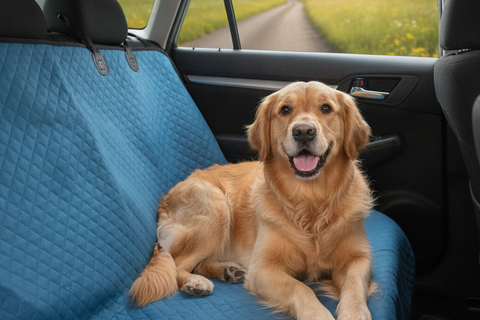
breathable dog car seat
Stay Cool on the Road: Top 5 Cooling Dog Car Seat Covers for Summer Adventures
Jul 07, 2026
invaders keep
Yard Invaders? How to Keep Stray Dogs Away (Kindly)
Jul 07, 2026
avoid drama
Clipping Dog Nails: Avoid the Drama & Do It Right
Jul 06, 2026
brachycephalic dog gear
Best No-Pull Harness for French Bulldogs: Comfort, Control & Style
Jul 06, 2026
bored dog
Bored Dog? Unleash Happiness with Vertical Play
Jul 06, 2026
clothes jackets
Best Dog Clothes & Jackets for Dogs: 2026 Guide
Jul 06, 2026
pet care gear
Best Portable Pet Water Bottle for Dogs: 2026 Guide
Jul 05, 2026
foes scratch
Furniture Foes: for Scratch-Proof Paws
Jul 05, 2026
best dog toys
The Ultimate Guide: Choosing Indestructible Dog Toys for Aggressive Chewers
Jul 05, 2026
dog gear
Unleash Their Inner Olympian: Home Agility for Any Dog
Jul 05, 2026
dog gear
Lost Dog Panic? GPS Trackers Actually Work. Here's How.
Jul 05, 2026
anxiety regular
Dog Anxiety: Why Regular Beds Aren't Enough
Jul 04, 2026
dog gear
Summer Dog Safety
Jul 04, 2026
automatic pet feeder
Smart Automatic Pet Feeder vs. Timed Feeder: Which is Best for Your Pet?
Jul 04, 2026
dog gear
Summer Walks: Give Your Dog Freedom (Safely!)
Jul 04, 2026
dog gear
Summer Frisbee Fun: A Dog's Guide to Outdoor Play
Jul 03, 2026
pet care gear
Summer Scratch Solutions
Jul 03, 2026
dog gear
Unleash Their Inner Olympian: DIY Dog Agility for Happy Paws
Jul 03, 2026
dog safety at night
Reflective Dog Leashes & Collars: Enhance Nighttime Safety
Jul 03, 2026
chews that
Problem solved: Chews that stand up to your power chewer
Jul 03, 2026
dog gear
Potty Training a Puppy? Why Litter Boxes Are a Bad Idea
Jul 02, 2026
pet care gear
Summer Road Trips: Protect Your Car Seats
Jul 02, 2026
color what
Dog Pee Color: What It's Telling You (And What to Do)
Jul 02, 2026
dog gear
Summer Shedding: Stop the Dog Hair Avalanche!
Jul 02, 2026
automatic ball launcher for dogs
Choosing the Right Automatic Ball Launcher for Dogs: Endless Playtime
Jul 02, 2026
clipping dog
Clipping Dog Nails: Why It's Hard & What Truly Helps
Jul 02, 2026
dog gear
Dog Parkour? Elevate Their Chill
Jul 01, 2026
board dogs
Best Cat Scratching Post & Board for Cats: 2026 Guide
Jul 01, 2026
aggressive chewers
Top 5 Indestructible Dog Toys for Power Chewers: Built to Last
Jul 01, 2026