

Smart Automatic Pet Feeder vs. Gravity Feeder: Which is Best for Your Pet's Routine?
Ensuring your beloved dog or cat receives consistent, portion-controlled meals is fundamental to their health and happiness. As pet parents, we often face the challenge of balancing busy schedules with our pets' nutritional needs. The choice between a smart automatic pet feeder vs gravity feeder directly impacts this balance, offering distinct advantages depending on your lifestyle and your pet's specific requirements.
The best choice between a smart automatic pet feeder and a gravity feeder depends on your pet's dietary needs, your daily schedule, and whether portion control is a priority. Smart automatic feeders offer precise scheduling and portion control, crucial for weight management and consistent routines. Gravity feeders provide a continuous food supply, which is simpler but lacks control over consumption, making them less suitable for pets prone to overeating.
Understanding the Core Differences: Smart Automatic vs. Gravity Feeders
The pet feeder market offers a variety of solutions, but two primary types stand out for their differing approaches to meal delivery: smart automatic pet feeders and gravity feeders. Each type serves a unique purpose, catering to different pet owner needs and pet behaviors. A smart automatic pet feeder is a technologically designed feeding device that dispenses food to pets automatically according to a preset schedule, portion size, or remote command. These devices integrate automation, electronics, and often internet connectivity to support consistent feeding routines. They use mechanical and electronic systems to control precisely when and how much food is released, preventing continuous access. This advanced feeding technology is particularly beneficial for pet parents with busy work schedules or those who travel frequently, as it ensures pets receive meals on time even when owners are not physically present. Many models include features like programmable feeding schedules, health tracking, remote access via mobile apps, and even multi-pet support with AI-powered portion control. In contrast, a gravity feeder is a simpler, non-electronic device that relies on gravity to replenish the food bowl from an overhead storage container as food is consumed. These feeders continuously provide food, meaning the amount your pet has access to cannot be controlled. While convenient for ensuring a continuous food supply, they do not offer scheduled feeding times or precise portion management. Gravity feeders are often made of plastic and are generally more affordable and require minimal maintenance, as they don't need to be plugged in or use batteries.The Advantages of a Smart Automatic Pet Feeder
Smart automatic pet feeders have become increasingly popular due to their ability to provide precise, scheduled, and often remote-controlled feeding, addressing several modern pet care challenges.Why is precise portion control vital for my pet's health?
Precise portion control is critical for managing your pet's weight and overall health. Overfeeding is a significant concern, with studies indicating that a high percentage of dogs and cats are overweight or obese. Obesity can lead to serious health issues such as diabetes, arthritis, and heart disease, and can reduce a pet's lifespan. Smart automatic feeders are specifically designed for accurate portion management, allowing owners to determine exactly how much food is dispensed at each feeding time. Many feeders offer increments as small as a few grams, enabling highly accurate feeding plans tailored to a pet's age, size, and activity level. This helps minimize the risk of excessive calorie intake and supports healthy weight management.How do scheduled feedings benefit my pet's routine and digestion?
Consistent feeding intervals, facilitated by an automatic pet feeder, are crucial for stabilizing a pet's digestion and metabolism. Pets thrive on routine, and predictable meal times can reduce anxiety associated with irregular feeding. Many veterinarians recommend portion-controlled meal feeding once or twice daily for adult dogs and cats, and more frequently for puppies and kittens. Automatic feeders ensure that these recommended schedules are maintained, even when owners are away. This consistency can also help with house training puppies and monitoring a pet's appetite, as a sudden loss of appetite can be an early indicator of illness.Can smart feeders help in multi-pet households or with specific dietary needs?
In multi-pet households, managing different dietary needs can be challenging, especially if one pet requires prescription food or is on a weight-loss plan. Smart feeders with advanced features, such as RFID technology or AI facial recognition, can identify individual pets and dispense customized portions, preventing food stealing and ensuring each pet receives the correct diet. This is invaluable for preventing one pet from overeating or another from missing out on essential nutrients.What convenience features do smart automatic feeders offer?
The convenience offered by smart automatic feeders extends beyond just scheduled feeding. Many models come with app connectivity, allowing pet parents to control feeding times and portion sizes remotely from their smartphones. Some even include built-in cameras for real-time monitoring of pets during meal times and two-way audio to interact with them. Low-food alerts, personalized meal calls, and battery backup for power outages are other common features that enhance peace of mind. These high-tech solutions make it easier to maintain consistent care, even with unpredictable schedules.The Considerations of a Gravity Feeder
While gravity feeders offer a straightforward solution for continuous food availability, they come with notable drawbacks that can impact a pet's health and feeding habits.What are the disadvantages of continuous food availability?
The primary disadvantage of gravity feeders is the lack of portion control. Food is continuously replenished as pets eat, which can lead to overeating and obesity, especially in pets that are opportunistic eaters. This free-feeding method makes it difficult to monitor a pet's food intake, which can mask early signs of illness indicated by a change in appetite. For pets on a weight management plan or with specific dietary restrictions, a gravity feeder is generally not recommended as it undermines efforts to control calorie intake.Are there hygiene and freshness concerns with gravity feeders?
Food stored in gravity feeders is exposed to air, which can lead to reduced freshness over time. This can impact the palatability and nutritional quality of the kibble. Additionally, gravity feeders are typically designed for dry food only, making them unsuitable for pets that consume wet food. Regular cleaning can also be more cumbersome compared to some modular smart feeders, as food can get stuck in chutes.How do gravity feeders affect pet behavior and multi-pet dynamics?
For pets that tend to gorge themselves, a gravity feeder can exacerbate the problem, potentially leading to stomach pains or vomiting. In multi-pet households, a gravity feeder can create competition for food, with one pet potentially dominating the feeding station and preventing others from eating adequately. This can lead to stress and nutritional imbalances among pets.Comparison Table: Smart Automatic Pet Feeder vs. Gravity Feeder
To help you make an informed decision, here's a side-by-side comparison of smart automatic pet feeders and gravity feeders:| Feature | Smart Automatic Pet Feeder | Gravity Feeder |
|---|---|---|
| Portion Control | Precise, programmable portions (grams/cups) | None; continuous food availability |
| Scheduling | Customizable meal times and frequency | No scheduling; food always available |
| Remote Control | Yes, via smartphone app (Wi-Fi/Bluetooth) | No remote control |
| Monitoring | Cameras, eating logs, health tracking (advanced models) | No monitoring capabilities |
| Food Type | Primarily dry kibble; some models support wet food | Dry kibble only |
| Multi-Pet Households | Ideal with RFID/AI features for individual feeding | Can lead to competition or overeating by one pet |
| Freshness | Often sealed compartments for optimal freshness | Food exposed to air, may become stale |
| Cost | Higher upfront cost (typically $50-$200+) | Lower upfront cost (typically $5-$40) |
| Power Source | Electrical (AC adapter) with battery backup | No power required |
| Maintenance | Regular cleaning; some disassembly may be required | Regular cleaning to prevent jamming |
| Behavioral Impact | Promotes routine, reduces begging, aids in weight management | Can encourage overeating, difficult to monitor appetite |
Which Feeder is Best for Your Pet's Routine?
Choosing the right feeder ultimately depends on your pet's individual needs, your lifestyle, and your priorities for their health and well-being.When is a Smart Automatic Pet Feeder the Best Choice?
A smart automatic pet feeder is an excellent investment for pet parents who prioritize precise control over their pet's diet and feeding schedule. This includes:- Pets needing weight management: For overweight or obese pets, or those prone to overeating, the ability to dispense exact, measured portions at set times is invaluable.
- Busy schedules: If you work long hours, have an unpredictable schedule, or travel frequently, a smart feeder ensures your pet is fed on time, every time, reducing stress for both of you.
- Multi-pet households with diverse needs: For homes with multiple pets on different diets or prone to food guarding, advanced feeders with pet identification technology can manage individual feeding.
- Pets with specific health conditions: Conditions like diabetes, which require strict meal timing, greatly benefit from the consistent schedule an automatic feeder provides.
- Desire for remote monitoring and interaction: If you want to check in on your pet, monitor their eating habits, or even speak to them while away from home, smart feeders with cameras and audio capabilities offer peace of mind.
When is a Gravity Feeder a Suitable Option?
A gravity feeder might be suitable in very specific circumstances, primarily for:- Pets that self-regulate their food intake: Some rare cats or dogs do not overeat when food is continuously available. However, this is uncommon, and veterinary consultation is always recommended before free-feeding.
- Short-term, non-critical situations: For very short periods where precise portioning is not a concern, and you need a simple solution to ensure food availability.
- Budget-conscious pet parents: Gravity feeders are significantly less expensive upfront.
Expert Insights on Pet Feeding Routines
Veterinary professionals consistently emphasize the importance of controlled feeding for a pet's long-term health. The ASPCA recommends portion-control feeding for both dogs and cats, typically twice daily. This method allows owners to manage how much food their pet consumes by measuring meals and serving them at set times. For puppies and kittens, who have higher energy requirements and smaller stomachs, more frequent small meals are often necessary. Puppies may need 3-4 meals a day until 6 months old, then transition to twice daily. Similarly, kittens require 3-4 meals a day until around 6 months. Adult dogs generally do well with two meals a day, spaced eight to twelve hours apart. It is also important to note that feeding guidelines on pet food packages are for the total daily amount of food, which should then be divided into the chosen number of meals. Your veterinarian can perform an energy calculation based on your pet's weight, activity, and other factors to provide a more individualized recommendation on daily caloric intake. For more detailed information on pet nutrition, you can consult resources like the Tufts University Cummings School of Veterinary Medicine's Petfoodology blog.Why We Chose These for FurryFable
At FurryFable, our commitment is to provide premium products that enhance the well-being and simplify the lives of pet parents and their beloved companions. When considering feeding solutions, we prioritize several key qualities to ensure our offerings meet the high standards expected by our discerning audience in the USA and Canada. Our selection criteria for smart automatic pet feeders focus on:- Precision and Reliability: We look for feeders that offer accurate portion dispensing, often measured in grams, and consistent scheduling to support optimal pet health and weight management. Reliability is paramount, ensuring meals are delivered even during power outages through battery backup systems.
- Advanced Technology & Connectivity: Integration with intuitive smartphone apps, Wi-Fi connectivity for remote control, and features like real-time monitoring cameras and two-way audio are highly valued. These technologies provide unparalleled convenience and peace of mind for busy pet parents.
- Durability and Safety: Products constructed from high-quality, pet-safe materials (BPA-free plastics, stainless steel bowls) that are easy to clean and maintain are essential. We ensure mechanisms are robust to prevent jamming and secure to keep food fresh.
- Multi-Pet Functionality: For households with multiple dogs or cats, we seek feeders that offer advanced solutions like RFID or AI facial recognition to manage individual dietary needs and prevent food competition.
- User Experience: We consider ease of setup, programming, and daily use, as well as features that enhance the pet's experience, such as slow-feed options to improve digestion and prevent gulping.
Frequently Asked Questions
What is the main difference between a smart automatic pet feeder and a gravity feeder?
The main difference is control. A smart automatic pet feeder offers precise, programmable portion control and scheduled feeding times, often with remote access and monitoring features. A gravity feeder provides continuous food availability without any control over portion size or feeding schedule.
Can a smart automatic pet feeder help my pet lose weight?
Yes, a smart automatic pet feeder is highly effective for weight management. It allows you to program exact portion sizes and consistent feeding schedules, preventing overeating and supporting a veterinarian-recommended weight loss plan.
Are gravity feeders suitable for all types of pet food?
No, gravity feeders are primarily designed for dry kibble. They are generally not suitable for wet food, which can spoil quickly when continuously exposed to air.
How often should I feed my adult dog or cat?
Most adult dogs and cats benefit from being fed two meals per day, spaced eight to twelve hours apart. Puppies and kittens require more frequent meals, typically 3-4 times a day, due to their higher energy needs.
Do smart automatic pet feeders require Wi-Fi to operate?
Many advanced smart automatic pet feeders utilize Wi-Fi for remote control via a smartphone app and for features like cameras and real-time notifications. However, some models may offer basic timed feeding functions without Wi-Fi connectivity, or have battery backups to maintain scheduled feedings during power outages.
If you found this helpful, also read: best automatic pet feeder for French Bulldogs.
If you found this helpful, also read: best automatic pet feeder for Bulldogs.
If you found this helpful, also read: best automatic pet feeder for Shih Tzus.
You Might Also Like

calming vest
Best Dog Anxiety Vest for Dogs: 2026 Guide
Sep 17, 2026
dog gear
Best Dog Puzzle Toy for Dogs: 2026 Guide
Sep 12, 2026
destroys toys
Why Your Dog Destroys Toys — & How to Finally Stop It
Sep 05, 2026
autumn puppy
Autumn Puppy Potty Training
Sep 05, 2026
collar leash
Best Dog Collar & Leash Set for Dogs: 2026 Guide
Sep 04, 2026
autumn dog
Autumn Dog Nail Care: Ditching the Drama & Embracing Healthy Paws
Sep 04, 2026
autumn dog
Autumn Dog Beds: Why Your Pup Still Gets Hot & How to Fix It
Sep 03, 2026
freedom fumble
Retractable Leashes: Freedom or Fumble?
Sep 03, 2026
bird gear
Best Chicken Coop Swing & Toy for Dogs: 2026 Guide
Sep 02, 2026
autumn paw
Autumn Paw Patrol: Stop Litter Tracks for Good
Sep 02, 2026
arms automatic
Tired Arms? Automatic Toys for Small Dogs That Actually Work
Sep 01, 2026
dog gear
Unleash Their Inner Athlete: Backyard Dog Agility Secrets
Sep 01, 2026
agility seesaw
Best Dog Agility Seesaw for Dogs: 2026 Guide
Aug 10, 2026
cat play
Dog-Proof Cat Play: Harmony in Your Shared Spaces
Aug 10, 2026
dog gear
Summer Dog Travel: for Stress-Free Adventures
Aug 10, 2026
anxious dog
Anxious Dog? : A Calming Bed That Actually Works
Jul 08, 2026
dog gear
Hiking with Your Dog: The Long Leash Dilemma Solved
Jul 08, 2026
mess solved
Paw Mess Solved
Jul 07, 2026
dog gear
Dog Eats Too Fast? Ragnor's Fix for Gulping & Bloat
Jul 07, 2026
beyond fetch
Summer Dog Games: Beyond Fetch
Jul 07, 2026
breathable dog car seat
Stay Cool on the Road: Top 5 Cooling Dog Car Seat Covers for Summer Adventures
Jul 07, 2026
invaders keep
Yard Invaders? How to Keep Stray Dogs Away (Kindly)
Jul 07, 2026
avoid drama
Clipping Dog Nails: Avoid the Drama & Do It Right
Jul 06, 2026
brachycephalic dog gear
Best No-Pull Harness for French Bulldogs: Comfort, Control & Style
Jul 06, 2026
bored dog
Bored Dog? Unleash Happiness with Vertical Play
Jul 06, 2026
clothes jackets
Best Dog Clothes & Jackets for Dogs: 2026 Guide
Jul 06, 2026
pet care gear
Best Portable Pet Water Bottle for Dogs: 2026 Guide
Jul 05, 2026
foes scratch
Furniture Foes: for Scratch-Proof Paws
Jul 05, 2026
best dog toys
The Ultimate Guide: Choosing Indestructible Dog Toys for Aggressive Chewers
Jul 05, 2026
dog gear
Unleash Their Inner Olympian: Home Agility for Any Dog
Jul 05, 2026
dog gear
Lost Dog Panic? GPS Trackers Actually Work. Here's How.
Jul 05, 2026
anxiety regular
Dog Anxiety: Why Regular Beds Aren't Enough
Jul 04, 2026
dog gear
Summer Dog Safety
Jul 04, 2026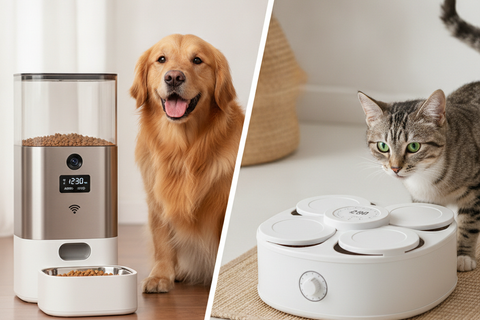
automatic pet feeder
Smart Automatic Pet Feeder vs. Timed Feeder: Which is Best for Your Pet?
Jul 04, 2026
dog gear
Summer Walks: Give Your Dog Freedom (Safely!)
Jul 04, 2026
dog gear
Summer Frisbee Fun: A Dog's Guide to Outdoor Play
Jul 03, 2026
pet care gear
Summer Scratch Solutions
Jul 03, 2026
dog gear
Unleash Their Inner Olympian: DIY Dog Agility for Happy Paws
Jul 03, 2026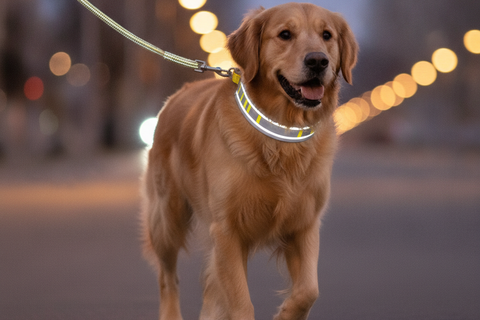
dog safety at night
Reflective Dog Leashes & Collars: Enhance Nighttime Safety
Jul 03, 2026
chews that
Problem solved: Chews that stand up to your power chewer
Jul 03, 2026
dog gear
Potty Training a Puppy? Why Litter Boxes Are a Bad Idea
Jul 02, 2026
pet care gear
Summer Road Trips: Protect Your Car Seats
Jul 02, 2026
color what
Dog Pee Color: What It's Telling You (And What to Do)
Jul 02, 2026
dog gear
Summer Shedding: Stop the Dog Hair Avalanche!
Jul 02, 2026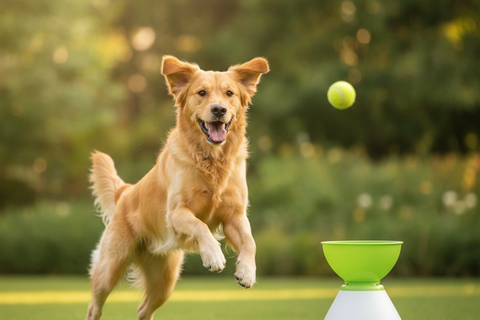
automatic ball launcher for dogs
Choosing the Right Automatic Ball Launcher for Dogs: Endless Playtime
Jul 02, 2026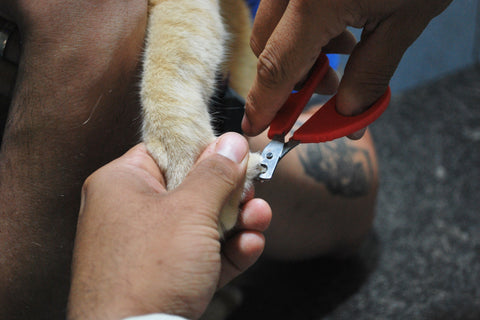
clipping dog
Clipping Dog Nails: Why It's Hard & What Truly Helps
Jul 02, 2026
dog gear
Dog Parkour? Elevate Their Chill
Jul 01, 2026
board dogs
Best Cat Scratching Post & Board for Cats: 2026 Guide
Jul 01, 2026
aggressive chewers
Top 5 Indestructible Dog Toys for Power Chewers: Built to Last
Jul 01, 2026