Does Your Dog Need an Anxiety Vest? How to Choose the Right Calming Solution
Witnessing your beloved dog struggle with anxiety can be heartbreaking. Whether it's the rumble of a thunderstorm, the pop of fireworks, or the quiet solitude of your absence, their distress is palpable. Thankfully, modern pet care offers a range of solutions, and among the most popular is the dog anxiety vest. If you're considering this calming aid, this comprehensive dog anxiety vest buying guide will help you understand how they work, when they're appropriate, and how to select the perfect one for your furry family member.
Quick Answer: Do Dogs Need an Anxiety Vest?
A dog may benefit from an anxiety vest if they exhibit signs of stress due to specific triggers like thunderstorms, fireworks, travel, or separation. These vests apply gentle, constant pressure, similar to swaddling a baby, which can have a calming effect on the nervous system. While not a cure-all, they can be a highly effective, non-invasive tool to reduce anxiety for many dogs when chosen correctly and used as part of a broader management plan.
Understanding Dog Anxiety: Signs and Triggers
Before diving into calming solutions, it's crucial to identify if your dog is indeed experiencing anxiety. Dog anxiety is a common behavioral issue, affecting a significant portion of the canine population. Recognizing the signs allows you to address their discomfort effectively.
Common Signs of Canine Anxiety:
- Excessive Barking or Whining: Often, this is an attempt to communicate distress.
- Destructive Behavior: Chewing furniture, scratching doors, or inappropriate urination can be stress-related.
- Pacing or Restlessness: Inability to settle, constant movement, or trembling.
- Licking or Chewing Paws: A self-soothing behavior that can lead to skin irritation.
- Hiding or Escaping: Seeking refuge under furniture or attempting to flee the environment.
- Changes in Appetite: Either refusing to eat or eating excessively.
- Aggression: While less common, anxiety can manifest as growling, snapping, or biting.
Typical Triggers for Dog Anxiety:
- Noise Phobias: Thunderstorms, fireworks, loud parties, construction sounds.
- Separation Anxiety: Distress when left alone, even for short periods.
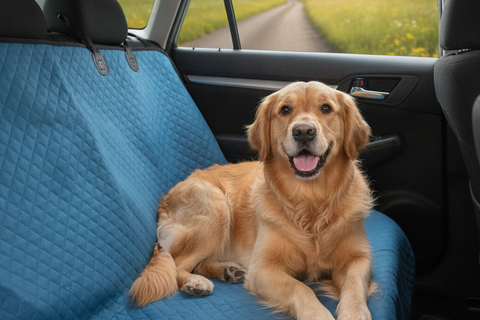
- Travel Anxiety: Car rides, vet visits, or new environments.
- Social Anxiety: Fear of strangers, other dogs, or new situations.
- Generalized Anxiety: A constant state of unease without a specific trigger.
According to veterinary behaviorists, early identification and intervention are key to managing canine anxiety. Always consult your veterinarian to rule out any underlying medical conditions that might be contributing to your dog's symptoms. They can provide a proper diagnosis and recommend a tailored treatment plan.
How Do Dog Anxiety Vests Work? The Science of Deep Pressure Therapy
Dog anxiety vests, often referred to as calming wraps or thunder shirts, operate on a principle known as deep pressure therapy (DPT). This technique involves applying gentle, constant pressure to the torso, similar to how a parent swaddles an infant.
Deep pressure therapy is believed to stimulate the release of calming hormones like oxytocin and endorphins, while simultaneously reducing the production of stress hormones like cortisol. This physiological response helps to soothe the nervous system, leading to a sense of security and relaxation. For many dogs, the feeling of being hugged or embraced by the vest provides comfort during stressful situations.
The effectiveness of deep pressure therapy is supported by anecdotal evidence from countless pet parents and some preliminary studies, suggesting a positive impact on dogs exhibiting mild to moderate anxiety. It's a non-pharmacological approach that can be used alone or in conjunction with other anxiety management strategies.
The Benefits of Using a Calming Vest for Dogs
When used appropriately, a calming vest can offer several advantages for anxious dogs and their owners:
- Non-Invasive Solution: Unlike medication, vests do not involve ingesting substances, making them a preference for many pet parents concerned about side effects.
- Immediate Comfort: For some dogs, the calming effect can be noticeable within minutes of wearing the vest.
- Versatile Use: Effective for various anxiety triggers, from noise phobias to travel stress.
- Portable and Reusable: Easy to take on the go and can be used repeatedly whenever anxiety strikes.
- Complementary Therapy: Can be used alongside training, behavioral modification, or veterinarian-prescribed medications for a multi-faceted approach.
- Increased Confidence: By reducing anxiety, dogs may feel more secure and confident in challenging situations, potentially improving their overall quality of life.
Are Anxiety Vests Effective? What the Experts Say
The question of effectiveness is paramount for any pet product. While individual results vary, many veterinary professionals and animal behaviorists acknowledge the potential benefits of anxiety vests. The American Society for the Prevention of Cruelty to Animals (ASPCA) often lists calming wraps as a potential tool in managing anxiety, especially for noise phobias.
A study published in the Journal of Veterinary Behavior found that a significant percentage of dogs showed reduced heart rates and vocalization when wearing a pressure wrap during stressful events. However, it's important to understand that an anxiety vest is a management tool, not a cure. It helps alleviate symptoms but doesn't address the root cause of the anxiety, which often requires behavioral modification training or professional guidance.
For best results, introduce the vest positively and gradually, associating it with calm experiences. Never force your dog to wear it. If you're unsure about your dog's anxiety or the best course of action, always consult your veterinarian or a certified professional dog trainer. This ensures your dog receives the most appropriate and effective care.
The Ultimate Dog Anxiety Vest Buying Guide: Choosing the Right Calming Solution
Navigating the market for the ideal dog anxiety vest can be overwhelming. This dog anxiety vest buying guide breaks down the essential factors to consider, ensuring you find a solution that truly helps your companion.
What Factors Should You Consider When Choosing a Calming Vest?
- Fit and Sizing: A proper fit is paramount for the vest to apply effective deep pressure. Too loose, and it won't work; too tight, and it could cause discomfort. Most brands provide sizing charts based on chest girth and weight. Always measure your dog accurately. For guidance on measuring, you can refer to our article on Back Length Measurement: The Key to Dog Sweaters, as similar principles apply to fitting apparel.
- Material and Comfort: Look for soft, breathable, and durable fabrics like polyester, cotton blends, or mesh. Dogs will be wearing these vests for extended periods during stressful events, so comfort is key. Hypoallergenic materials are a bonus for sensitive skin.
- Adjustability: Vests with adjustable straps (often hook-and-loop fasteners or buckles) allow for a snug, customized fit, which is crucial for deep pressure therapy. This also accommodates slight variations in your dog's size or coat thickness.
- Ease of Use: The vest should be easy to put on and take off, especially if your dog is already stressed. Simple designs with minimal fuss are preferable.
- Design and Style: While functionality is primary, modern anxiety vests come in various colors and styles. Some are designed to be worn under or over other pet apparel, or even integrate with a harness.
- Durability and Maintenance: Given they might be worn in various conditions, choose a vest that is machine washable and built to last.
- Brand Reputation and Reviews: Research reputable brands known for quality and effectiveness. Read reviews from other pet parents to gauge real-world performance.
Types of Anxiety Vests and Calming Wraps
While the core principle remains deep pressure, different designs offer slight variations:
- Full-Wrap Vests: These are the most common, covering a large portion of the dog's torso and chest to provide comprehensive pressure. They often use hook-and-loop fasteners for a secure, adjustable fit.
- Targeted Pressure Wraps: Some designs focus pressure on specific points, such as the chest or back, which may be beneficial for dogs sensitive to full body coverage.
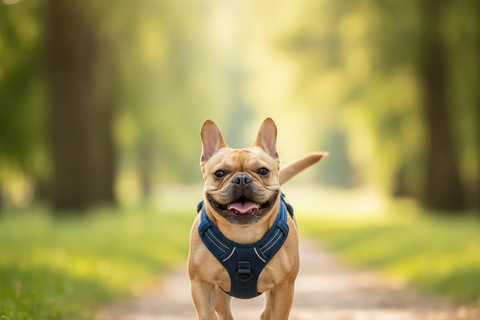
- Integrated Solutions: A few newer designs combine the calming vest with a comfortable harness, offering both anxiety relief and walking control. This can be a great option for dogs with leash reactivity or who benefit from a no-pull design, as discussed in our article, Stop the Pull: The Best No-Pull Harnesses for Dogs of All Sizes.
Comparison Table: Popular Anxiety Vest Features
To help you weigh your options, here's a comparison of common features you might find in popular anxiety vest models:
| Feature | Description | Pros | Cons | Best For |
|---|---|---|---|---|
| Full Torso Wrap | Covers chest and back, often with wide straps. | Maximum pressure coverage, highly effective for many dogs. | Can be bulky, may cause overheating in warm climates. | General anxiety, thunderstorms, fireworks. |
| Lightweight/Mesh Fabric | Made with breathable, lighter materials. | Prevents overheating, comfortable for longer wear. | May offer less consistent pressure than heavier fabrics. | Warm weather, dogs prone to overheating, mild anxiety. |
| Adjustable Hook-and-Loop Fasteners | Velcro-style closures for a custom fit. | Highly adjustable, easy to put on/take off. | Can wear out over time, some dogs dislike the "ripping" sound. | Most dogs, especially those needing precise fit. |
| Buckle Closures | Plastic or metal buckles for secure fastening. | Very durable, less prone to wearing out. | Less micro-adjustability than hook-and-loop, can be harder to fit perfectly. | Active dogs, long-term use, owners preferring secure fasteners. |
| Harness Integration | Vest designed with D-rings for leash attachment. | Dual functionality, reduces need for separate harness. | Limited options, may not be ideal as a primary walking harness for all dogs (e.g., strong pullers). | Travel, walks during anxious periods, mild pullers. |
| Built-in Pheromone Patch Pocket | Small pocket to insert calming pheromone patches. | Combines DPT with aromatherapy for enhanced calming. | Requires additional purchase of pheromone patches. | Dogs with moderate to severe anxiety, multi-modal approach. |
Introducing the Anxiety Vest to Your Dog: A Step-by-Step Guide
A positive introduction is crucial for your dog to associate the vest with comfort, not fear. Here’s how to do it:
- Allow Exploration: Let your dog sniff and explore the vest. Place it on the floor and offer treats.
- First Try (Short Periods): Gently put the vest on for a few minutes while offering praise and high-value treats. Keep it loose initially.
- Positive Reinforcement: Engage in a favorite activity, like playing with a dog toy or offering a puzzle feeder, while they wear the vest.
- Gradual Increase: Slowly increase the duration your dog wears the vest, ensuring they are comfortable.
- Associate with Calm: Only use the vest in calm, positive situations at first. Avoid putting it on right before a known trigger until your dog is fully comfortable.
- Observe and Adjust: Pay attention to your dog's body language. If they show signs of discomfort, take the vest off and try again later.
Remember, patience is key. The goal is for your dog to view the vest as a source of comfort and security.
Beyond the Vest: Complementary Calming Solutions for Dogs
While an anxiety vest can be a powerful tool, a holistic approach often yields the best results. Consider these complementary strategies:
- Behavioral Training & Desensitization: Working with a certified professional dog trainer can help address the root causes of anxiety through positive reinforcement and gradual exposure.
- Environmental Enrichment: Provide plenty of mental and physical stimulation. Interactive toys, puzzle feeders, and regular exercise can reduce stress. Explore our range of pet toys for engaging options.
- Calming Supplements & Pheromones: Your veterinarian might recommend natural calming supplements (e.g., L-theanine, melatonin) or pheromone diffusers/collars that mimic natural canine calming signals.
- Safe Spaces: Create a designated, quiet "den" for your dog where they feel secure during stressful events.
- Regular Exercise: A well-exercised dog is often a calmer dog. Physical activity, followed by a good rest, can significantly reduce anxiety levels. You can learn more about the benefits of rest in our article, The Science of the "After-Walk" Nap.
- Monitoring Technology: For some pet parents, wearable health monitors can help track heart rate and activity levels, providing insights into anxiety triggers and the effectiveness of calming solutions, as discussed in Wearable Health Monitors: Are They Accurate?
When to Consult Your Veterinarian
While anxiety vests are a great tool, they are not a substitute for professional veterinary advice. Always consult your veterinarian if:
- Your dog's anxiety is severe or worsening.
- You suspect an underlying medical condition is contributing to the anxiety.
- Your dog is exhibiting aggressive behavior due to anxiety.
- You are considering prescription medication for anxiety.
- The anxiety vest doesn't seem to be making a difference.
Your veterinarian can help you develop a comprehensive plan that may include medication, behavioral therapy, and lifestyle adjustments, working in conjunction with tools like anxiety vests.
Conclusion: Finding Peace for Your Anxious Pup
Anxiety in dogs is a complex issue, but with the right tools and strategies, you can significantly improve your dog's comfort and well-being. A well-chosen anxiety vest, guided by this dog anxiety vest buying guide, can be a valuable part of your calming toolkit, offering gentle, consistent pressure that many dogs find incredibly soothing. Remember to combine it with a loving, patient approach, positive reinforcement, and professional guidance when needed.
At FurryFable, we are dedicated to providing premium solutions for your pet's comfort and happiness. Explore our curated selection of high-quality Comfort & Anxiety Solutions designed to help your dog feel safe and secure.
Frequently Asked Questions
Q: How long can a dog wear an anxiety vest?
A: Most dogs can wear an anxiety vest for several hours during a stressful event, such as a thunderstorm or car ride. It's generally recommended to remove it when the trigger has passed or when the dog is calm, to prevent them from becoming desensitized to the pressure or developing skin irritation. Always monitor your dog for signs of discomfort or overheating.
Q: What is the best anxiety vest for dogs?
A: The "best" anxiety vest depends on your individual dog's needs, size, and specific anxiety triggers. Key factors to consider include proper fit, breathable material, adjustability, and durability. Popular brands like ThunderShirt are well-regarded, but always prioritize a vest that provides consistent, gentle pressure without restricting movement or causing discomfort for your particular dog.
Q: Can an anxiety vest make anxiety worse?
A: While rare, an anxiety vest could potentially worsen anxiety if the dog is forced to wear it, if it's ill-fitting, or if they have a negative association with it. A positive and gradual introduction is crucial to ensure your dog perceives the vest as a comforting tool. If your dog shows increased signs of stress or discomfort while wearing it, remove the vest and consult with your veterinarian or a professional trainer.
Q: Are anxiety vests effective for separation anxiety?
A: Anxiety vests can offer some relief for dogs with mild separation anxiety by providing a sense of security. However, for moderate to severe separation anxiety, vests are typically most effective when used as part of a broader treatment plan that includes behavioral modification training, counter-conditioning, and potentially medication prescribed by a veterinarian. They help manage symptoms but don't address the underlying behavioral issue alone.
Q: How do I know what size anxiety vest to buy for my dog?
A: To determine the correct size, you'll need to measure your dog's chest girth (the widest part of their rib cage, just behind their front legs) and typically their weight. Most reputable brands provide a detailed sizing chart with these measurements. Always err on the side of a snug but comfortable fit, as the effectiveness relies on consistent, gentle pressure.
 FurryFable Calming Dog Anxiety Vest – Stress & Fear Relief