
clean home
dog gear
dog health
Dog Hair on Furniture? for a Clean Home

Picture this: you’ve just settled onto your sofa, ready to relax after a long day. You stand up, only to find your pants covered in a fine layer of dog hair. This isn't just a minor annoyance, it’s a constant battle for many dog owners.
Keeping your home clean when you share it with a shedding dog requires strategic tools and consistent effort. Learning how to remove pet hair from furniture effectively can transform your living space and reduce frustration.
To effectively remove pet hair from furniture, begin with preventative grooming like regular brushing to reduce shedding. For immediate removal, use specialized tools such as electrostatic lint rollers or rubber brushes designed to lift hair from upholstery. Follow up with a vacuum cleaner equipped with a pet hair attachment for deep cleaning, and consider furniture covers as a protective barrier.
Quick Specs
| Parameter Category | Technical Specification and Safety Thresholds |
|---|---|
| Breed and Weight Fit | Suitable for all dog breeds and coat types, effective on dense undercoats like German Shepherds and fine hair like Greyhounds. |
| Target Architecture | Designed for various furniture types including fabric sofas, chairs, carpets, and car upholstery. |
| Material Hardness | Silicone rubber components typically 50-60 Shore A scale, ABS plastic housing for structural rigidity. |
| Fabric or Build Reinforcement | Reusable electrostatic fabric or molded silicone nubs to maximize hair collection efficiency. |
| Chemical Safety | Non-toxic, BPA-free plastics and rubbers, safe for household use around pets and children. |
| Price Spectrum | $15 to $45 per item. |
The Persistent Problem of Pet Hair
Dogs, regardless of breed, shed. Some, like Siberian Huskies or Golden Retrievers, have dense undercoats that release copious amounts of hair seasonally. Others, such as Boxers or Pit Bulls, have short, stiff hairs that embed themselves deeply into fabrics, making them notoriously difficult to remove. This hair doesn't just sit on the surface, it weaves itself into the fibers of your upholstery, creating a challenge for even the most meticulous homeowner.
The accumulation of hair can exacerbate allergies, create an untidy appearance, and even reduce the lifespan of furniture by embedding abrasive particles. For breeds like Great Danes, whose sheer size means more contact area with furniture, the problem is amplified. Smaller breeds, despite shedding less individually, often spend more time directly on furniture, leading to localized hair buildup.
Ragnor's Strategy for Hair Removal
My approach to managing pet hair on furniture involves a multi-pronged strategy: prevention, specialized tools, and routine maintenance. Simply vacuuming once a week will not suffice for a shedding breed like a Border Collie. You need specific tools and techniques tailored to the type of hair and fabric.
Prevention: Grooming is Key
The first line of defense against hair on your furniture begins with your dog's coat. Regular grooming significantly reduces the amount of hair shed in your home. For double-coated breeds like Australian Shepherds, daily brushing with an undercoat rake can remove loose hair before it reaches your sofa. For short-haired breeds such as Beagles, a rubber grooming mitt can effectively loosen and collect shedding hair.
- Daily Brushing: Dedicate 10-15 minutes each day to brush your dog. This is especially crucial during seasonal shedding periods for breeds like Samoyeds.
- Bathing: Regular baths, using a de-shedding shampoo, can help release loose hair. Ensure thorough rinsing to prevent skin irritation.
- Diet: A high-quality diet rich in Omega-3 and Omega-6 fatty acids supports healthy skin and coat, potentially reducing excessive shedding.
Consider adding a high-quality brush from the FurryFable Pet Grooming collection to your routine. A good brush is an investment in a cleaner home.
Targeted Removal: Tools for Every Fabric
Once hair has settled on furniture, specific tools are far more effective than a standard vacuum cleaner alone.
Electrostatic Lint Removers
These tools utilize static electricity to attract and lift hair from fabric. They are particularly effective on fine hair and for quick touch-ups. The FurryFable Self-Cleaning Pet Hair Remover Brush & Lint Roller is an excellent example. It features a dual-surface design, with one side optimized for lifting fine hairs from delicate fabrics and the other for more embedded fur on durable upholstery. The self-cleaning base scrapes hair from the roller, depositing it into a contained chamber, which is essential for maintaining efficiency during repeated use.

Rubber Brushes and Gloves
Rubber creates friction, which helps to dislodge hair from upholstery fibers. A simple rubber glove, slightly dampened, can be surprisingly effective for breeds with stiff, short hairs like Dalmatians. For more specialized use, the FurryFable Double-Sided Electrostatic Pet Hair Remover utilizes a dense array of rubberized nubs on one side. This design generates enough static charge and mechanical grip to pull out deeply embedded hairs from tough fabrics like denim or corduroy, common in car upholstery or durable living room furniture.
Vacuum Cleaners with Pet Attachments
A standard vacuum often just pushes hair around. Look for models with specialized pet hair attachments, such as a mini motorized brush tool. These attachments have rotating bristles that agitate the fabric, loosening embedded hair, and strong suction to pull it into the canister. For breeds with long hair, like Afghan Hounds, the motorized brush is crucial for preventing tangles around the vacuum's main brush roll.
Why Ragnor Selected These for FurryFable
When curating products for FurryFable, Ragnor evaluated each item based on its functional efficiency, material integrity, and ease of use. The FurryFable Self-Cleaning Pet Hair Remover Brush & Lint Roller was selected for its ABS plastic housing, providing structural rigidity and durability against repeated impacts. Its electrostatic fabric pad, measuring 6 inches by 2 inches, generates a sufficient charge to attract fine hairs without damaging delicate upholstery. The self-cleaning mechanism, featuring a spring-loaded scraper, ensures that collected hair is deposited into a 0.5-liter internal chamber, maintaining maximum hair-lifting efficiency over continuous use. This design prevents manual hair removal from the roller, a common frustration with lesser models.
The FurryFable Double-Sided Electrostatic Pet Hair Remover was chosen for its robust construction, featuring a handle molded from Shore D hardness 70 polypropylene, which resists bending and cracking under pressure. The dual rubberized surfaces, each measuring 7 inches by 2.5 inches, utilize a proprietary blend of silicone with a Shore A hardness of 55, optimized for maximum friction and hair adhesion without abrading fabric. The staggered nub pattern on one side is specifically engineered to penetrate deeper into fabric weaves, effectively extracting embedded hairs from materials like tweed or microfibers. Both products are certified BPA-free and phthalate-free, ensuring chemical safety for homes with pets and children.
Routine Maintenance and Long-Term Solutions
- Furniture Covers: For heavily used furniture, consider washable furniture covers. These provide a barrier, catching most of the hair before it reaches the upholstery. Look for covers made from tightly woven fabrics that hair cannot easily penetrate.
- Designated Dog Beds: Encourage your dog to use their own bed rather than the sofa. A comfortable dog bed, like those found in the FurryFable Dog Beds & Mats collection, can significantly reduce the amount of hair deposited on your furniture.
- Regular Cleaning Schedule: Incorporate pet hair removal into your regular cleaning routine. For breeds like Bernese Mountain Dogs, daily spot cleaning might be necessary, while weekly thorough cleaning could suffice for a Basenji.
Managing dog hair is an ongoing process, not a one-time fix. With the right tools and a consistent routine, you can keep your home cleaner and more comfortable for everyone, including your furry housemate. For more tips on pet care, explore our blog posts, such as Anxiety Relief for Dogs: Best Calming Vests & Puzzle Toys for Stress, which touches on creating a calmer environment that can indirectly reduce stress-related shedding.
Ready to reclaim your furniture from dog hair? Visit our FurryFable Pet Grooming collection for Ragnor's curated selection of effective grooming and hair removal tools.
Frequently Asked Questions
What is the most effective method to remove embedded dog hair from upholstery?
The most effective method for embedded hair involves a two-step process. First, use a rubber brush or a specialized electrostatic pet hair remover to agitate and lift the hair from the fabric fibers. Then, follow up with a powerful vacuum cleaner equipped with a motorized pet hair attachment to suction away the loosened hair. For breeds like German Shorthaired Pointers, whose short, stiff hairs embed deeply, this combination is crucial.
Can I use household items to remove pet hair if I don't have specialized tools?
Yes, several household items can be surprisingly effective. A damp rubber glove rubbed over upholstery can create static and friction to pull hair free. A slightly damp sponge or a squeegee can also gather hair into clumps for easier removal. For clothing, a roll of masking tape or packing tape can act as a makeshift lint roller. While these are good for emergencies, dedicated tools from the FurryFable Pet Grooming collection offer superior efficiency and durability.
How often should I groom my dog to minimize shedding on furniture?
The frequency of grooming depends heavily on your dog's breed and coat type. Double-coated breeds like Golden Retrievers or Newfoundlands should be brushed daily, especially during seasonal shedding periods, to prevent excessive hair accumulation. Short-haired breeds such as Labradors might benefit from brushing 2-3 times per week. Consistent grooming is more important than infrequent, intense sessions.
Are there specific furniture fabrics that are better for dog owners?
Yes, certain fabrics are more resistant to pet hair embedding and easier to clean. Tightly woven fabrics like microfiber, leather, or faux leather are excellent choices because hair tends to sit on the surface rather than weaving into the fibers. Avoid loose weaves like chenille or velvet, which act like magnets for pet hair. For additional protection, consider using washable furniture covers.
What role does diet play in a dog's shedding and overall coat health?
Diet plays a significant role in coat health and shedding. A high-quality diet rich in essential fatty acids, particularly Omega-3 and Omega-6, supports a healthy skin barrier and a strong, shiny coat. Dogs on poor diets may experience excessive shedding, dull coats, and dry skin. Always ensure your dog's food contains appropriate nutrient levels for their breed and life stage to promote optimal coat health.
FurryFable Recommendations
 FurryFable Self-Cleaning Pet Hair Remover Brush & Lint Roller
★★★★★ 4.9 (10)
Save 32%$15.00 Shop Now
 FurryFable Double-Sided Electrostatic Pet Hair Remover
✓ Free USA Shipping✓ Fast Delivery✓ Secure Checkout✓ 100% Satisfaction
R
Ragnor
Pet Trainer & Animal Behaviorist
Ragnor is a certified pet trainer and animal behaviorist with over 10 years of experience helping dog and cat owners across North America find the right gear for their pets' specific breed needs and health conditions. Every recommendation on FurryFable is selected for safety, fit, and breed compatibility.
If you found this helpful, also read: dog car seat covers.
If you found this helpful, also read: best dog car seat covers.
You Might Also Like

calming vest
Best Dog Anxiety Vest for Dogs: 2026 Guide
Sep 17, 2026
dog gear
Best Dog Puzzle Toy for Dogs: 2026 Guide
Sep 12, 2026
destroys toys
Why Your Dog Destroys Toys — & How to Finally Stop It
Sep 05, 2026
autumn puppy
Autumn Puppy Potty Training
Sep 05, 2026
collar leash
Best Dog Collar & Leash Set for Dogs: 2026 Guide
Sep 04, 2026
autumn dog
Autumn Dog Nail Care: Ditching the Drama & Embracing Healthy Paws
Sep 04, 2026
autumn dog
Autumn Dog Beds: Why Your Pup Still Gets Hot & How to Fix It
Sep 03, 2026
freedom fumble
Retractable Leashes: Freedom or Fumble?
Sep 03, 2026
bird gear
Best Chicken Coop Swing & Toy for Dogs: 2026 Guide
Sep 02, 2026
autumn paw
Autumn Paw Patrol: Stop Litter Tracks for Good
Sep 02, 2026
arms automatic
Tired Arms? Automatic Toys for Small Dogs That Actually Work
Sep 01, 2026
dog gear
Unleash Their Inner Athlete: Backyard Dog Agility Secrets
Sep 01, 2026
agility seesaw
Best Dog Agility Seesaw for Dogs: 2026 Guide
Aug 10, 2026
cat play
Dog-Proof Cat Play: Harmony in Your Shared Spaces
Aug 10, 2026
dog gear
Summer Dog Travel: for Stress-Free Adventures
Aug 10, 2026
anxious dog
Anxious Dog? : A Calming Bed That Actually Works
Jul 08, 2026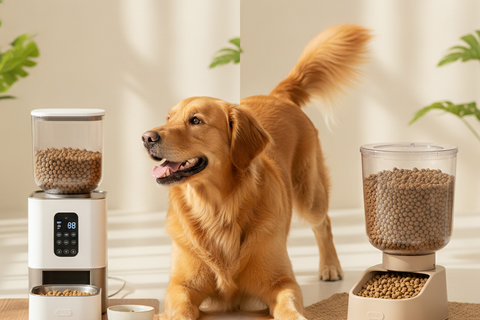
automatic cat feeder
Smart Automatic Pet Feeder vs. Gravity Feeder: Which is Best for Your Pet's Routine?
Jul 08, 2026
dog gear
Hiking with Your Dog: The Long Leash Dilemma Solved
Jul 08, 2026
mess solved
Paw Mess Solved
Jul 07, 2026
dog gear
Dog Eats Too Fast? Ragnor's Fix for Gulping & Bloat
Jul 07, 2026
beyond fetch
Summer Dog Games: Beyond Fetch
Jul 07, 2026
breathable dog car seat
Stay Cool on the Road: Top 5 Cooling Dog Car Seat Covers for Summer Adventures
Jul 07, 2026
invaders keep
Yard Invaders? How to Keep Stray Dogs Away (Kindly)
Jul 07, 2026
avoid drama
Clipping Dog Nails: Avoid the Drama & Do It Right
Jul 06, 2026
brachycephalic dog gear
Best No-Pull Harness for French Bulldogs: Comfort, Control & Style
Jul 06, 2026
bored dog
Bored Dog? Unleash Happiness with Vertical Play
Jul 06, 2026
clothes jackets
Best Dog Clothes & Jackets for Dogs: 2026 Guide
Jul 06, 2026
pet care gear
Best Portable Pet Water Bottle for Dogs: 2026 Guide
Jul 05, 2026
foes scratch
Furniture Foes: for Scratch-Proof Paws
Jul 05, 2026
best dog toys
The Ultimate Guide: Choosing Indestructible Dog Toys for Aggressive Chewers
Jul 05, 2026
dog gear
Unleash Their Inner Olympian: Home Agility for Any Dog
Jul 05, 2026
dog gear
Lost Dog Panic? GPS Trackers Actually Work. Here's How.
Jul 05, 2026
anxiety regular
Dog Anxiety: Why Regular Beds Aren't Enough
Jul 04, 2026
dog gear
Summer Dog Safety
Jul 04, 2026
automatic pet feeder
Smart Automatic Pet Feeder vs. Timed Feeder: Which is Best for Your Pet?
Jul 04, 2026
dog gear
Summer Walks: Give Your Dog Freedom (Safely!)
Jul 04, 2026
dog gear
Summer Frisbee Fun: A Dog's Guide to Outdoor Play
Jul 03, 2026
pet care gear
Summer Scratch Solutions
Jul 03, 2026
dog gear
Unleash Their Inner Olympian: DIY Dog Agility for Happy Paws
Jul 03, 2026
dog safety at night
Reflective Dog Leashes & Collars: Enhance Nighttime Safety
Jul 03, 2026
chews that
Problem solved: Chews that stand up to your power chewer
Jul 03, 2026
dog gear
Potty Training a Puppy? Why Litter Boxes Are a Bad Idea
Jul 02, 2026
pet care gear
Summer Road Trips: Protect Your Car Seats
Jul 02, 2026
color what
Dog Pee Color: What It's Telling You (And What to Do)
Jul 02, 2026
dog gear
Summer Shedding: Stop the Dog Hair Avalanche!
Jul 02, 2026
automatic ball launcher for dogs
Choosing the Right Automatic Ball Launcher for Dogs: Endless Playtime
Jul 02, 2026
clipping dog
Clipping Dog Nails: Why It's Hard & What Truly Helps
Jul 02, 2026
dog gear
Dog Parkour? Elevate Their Chill
Jul 01, 2026
board dogs
Best Cat Scratching Post & Board for Cats: 2026 Guide
Jul 01, 2026
aggressive chewers
Top 5 Indestructible Dog Toys for Power Chewers: Built to Last
Jul 01, 2026