
best cat puzzle toys
cat behavioral issues
cat puzzle feeders
Interactive Cat Puzzle Toys: Engaging Solutions for Feline Boredom

Is your feline friend spending their days gazing out the window with a look of profound ennui? Indoor cats, despite their seemingly pampered lives, can easily fall victim to boredom without adequate mental and physical stimulation. This lack of engagement can lead to unwanted behaviors like excessive vocalization, destructive scratching, or even over-grooming. The good news is that providing enriching play, especially with interactive cat puzzle toys, can transform their daily routine, keeping them sharp, active, and content.
Interactive cat puzzle toys are designed to challenge a cat's natural instincts to hunt and forage, requiring them to problem-solve to access treats or play. These toys provide essential mental stimulation and physical activity, combating boredom, reducing stress, and promoting healthier eating habits for indoor felines. This type of enrichment is crucial for a cat's overall well-being and can help prevent behavioral issues.
Why Are Interactive Cat Puzzle Toys Essential for Feline Well-being?
Cats are natural hunters, and even the most domesticated indoor cat retains strong instincts to stalk, chase, and capture prey. When these natural behaviors aren't regularly exercised, cats can become bored, stressed, or even anxious. Interactive toys that dispense treats or require manipulation to reveal hidden rewards tap into these innate drives, providing a fulfilling outlet for their energy and intelligence.
The American Pet Products Association (APPA) highlights that cat ownership has seen a significant surge, with 49 million U.S. households owning cats in 2024, a 23% increase from the previous year. This rise underscores the growing need for products and services that cater to feline well-being, especially for indoor cats who rely on their human companions for environmental enrichment.
What Are the Benefits of Engaging Your Cat with Puzzle Toys?
Engaging your cat with mentally stimulating toys offers a multitude of benefits that contribute to their overall health and happiness. These advantages extend beyond mere entertainment, addressing both physical and behavioral aspects of feline care.
- Mental Stimulation and Cognitive Health: Puzzle feeders encourage cats to think, problem-solve, and strategize to earn a reward, keeping their minds sharp and engaged. Regular mental exercise can help prevent boredom and reduce stress. For senior cats, consistent mental stimulation can also help slow cognitive decline, a condition that affects a significant percentage of older felines.
- Physical Activity and Weight Management: Many puzzle toys require cats to paw, nudge, or move the toy to release treats, promoting physical activity. This is particularly beneficial for indoor cats who may otherwise lead sedentary lives, helping them maintain a healthy weight and muscle tone. Slowing down eating through puzzle feeders can also aid in digestion and prevent overeating.
- Reduced Boredom and Behavioral Issues: Boredom and frustration are common culprits behind unwanted behaviors in cats, such as excessive vocalization, destructive scratching of furniture, or even inappropriate urination. Providing engaging activities like puzzle feeders can redirect your cat's energy in positive ways, alleviating anxiety and stress.
- Satisfying Natural Instincts: Puzzle toys allow cats to express their natural hunting and foraging behaviors, which are deeply ingrained. This "work" for food provides a sense of purpose and fulfillment that a regular food bowl cannot replicate.
- Strengthened Bond: Playing with interactive toys, especially those that involve your participation, can strengthen the bond between you and your cat.
What Types of Interactive Cat Puzzle Toys Are Available?
The market for feline enrichment products has expanded significantly, offering a diverse range of brain games for cats designed to cater to different play styles and skill levels. These can generally be categorized into mobile and stationary options.
Mobile Puzzle Feeders
Mobile puzzle feeders are typically ball, egg, or tube-shaped devices that dispense treats or kibble as your cat bats, rolls, or pushes them around. These encourage full-body movement and mimic the act of chasing prey. The difficulty can often be adjusted by changing the size or number of holes the food falls out of.
- Treat-Dispensing Balls: These are among the most common and effective mobile puzzles. Cats must roll or bat the ball to release kibble or small treats.
- Rolling Tubes: Similar to balls, these tubes require manipulation to release food. Some can be made at home using cardboard toilet paper rolls with holes cut into them.
Stationary Puzzle Feeders
Stationary puzzle feeders remain in one place and require your cat to use their paws or nose to extract food from various compartments, cups, or channels. These types of puzzles often focus on dexterity and problem-solving skills.
- Digger or Tower Puzzles: These typically feature multiple tubes or compartments of varying depths where food is hidden. Cats must use their paws to "fish out" the treats.
- Strategy Games: More advanced stationary puzzles might involve sliding covers, spinning components, or multiple levels that cats must manipulate in a specific sequence to access rewards.
- Foraging Mats: Also known as snuffle mats, these soft mats have various fabric folds and pockets where treats can be hidden, encouraging natural sniffing and foraging behaviors.
- Lick Mats: While not strictly a "puzzle" in the same vein as treat-dispensing toys, lick mats are excellent for slowing down eating, reducing anxiety, and providing sensory enrichment, especially when smeared with wet food or a cat-safe paste.
How Do You Introduce a Puzzle Toy to Your Cat?
Introducing a new puzzle toy should be a gradual and positive experience to ensure your cat develops a positive association with it. The goal is to provide a challenge without causing frustration.
- Start Simple: Begin with an easy puzzle toy or make an existing one simpler by increasing the size of the openings or making the treats easily visible and accessible.
- Use High-Value Treats: Fill the puzzle with your cat's favorite, irresistible treats or a portion of their regular meal to pique their interest. The smellier, the better!
- Show Them How: Initially, demonstrate how the toy works by gently releasing a treat or two in front of your cat. This helps them understand the concept.
- Supervise Playtime: Always supervise your cat when they are interacting with a new toy to ensure their safety and to prevent them from becoming frustrated.
- Gradually Increase Difficulty: Once your cat masters the initial level, you can slowly increase the difficulty by making the openings smaller, adding more obstacles, or hiding the toy in different locations.
- Rotate Toys: Cats can get bored with the same toys, so rotate them regularly to keep things fresh and exciting.
Can You Make DIY Interactive Cat Puzzle Toys?
Absolutely! Creating your own interactive toys is a cost-effective and creative way to provide enrichment for your cat. Many household items can be repurposed into engaging puzzles. Always prioritize safety when making DIY toys, ensuring no small parts can be ingested and materials are non-toxic.
Simple DIY Puzzle Toy Ideas:
- Toilet Paper Roll Puzzle: Cut small holes in an empty toilet paper or paper towel roll, place treats inside, and fold or tape the ends. Your cat will bat it around to release the treats.
- Shoebox & Toilet Paper Roll Digger: Cut holes in the lid of a shoebox and insert several toilet paper rolls, standing upright. Place treats in the rolls for your cat to "fish out" with their paws.
- Plastic Bottle Dispenser: Create small holes in a clean plastic bottle, large enough for kibble to fall out. Fill it with treats and let your cat roll it.
- Egg Carton Forager: Place dry kibble or treats into the individual cups of an egg carton. This is a simple foraging puzzle that encourages pawing.
Comparison of Popular Interactive Cat Puzzle Toy Types
Choosing the right puzzle toy often depends on your cat's personality, age, and preferred play style. Here's a comparison of some popular options:
| Toy Type | Description | Benefits | Considerations | Ideal For |
|---|---|---|---|---|
| Treat-Dispensing Balls | Hollow balls with adjustable openings that release kibble or treats as the cat rolls them. | Promotes physical activity, slow feeding, mimics hunting. | Can be noisy; some cats may lose interest if too easy/difficult. | Energetic cats, quick eaters, beginners. |
| Digger/Tower Puzzles | Stationary bases with tubes or compartments where cats paw out treats. | Encourages dexterity, mental challenge, sustained engagement. | Can be less physically active; requires paw manipulation. | Cats who enjoy problem-solving, less active cats. |
| Strategy Games (Slide/Spin) | Multi-part puzzles requiring specific actions (sliding, spinning) to unlock treat compartments. | High mental stimulation, advanced problem-solving, prevents boredom. | Can be frustrating for beginners; higher learning curve. | Intelligent, persistent cats; those who master simpler puzzles. |
| Foraging Mats | Fabric mats with hidden pockets and folds for treats. | Satisfies natural foraging instincts, sensory enrichment, slow feeding. | Less physical exertion; can be messy with wet food; requires cleaning. | Scent-motivated cats, anxious eaters, all ages. |
| Electronic/Automatic Puzzles | Battery-operated toys with moving parts, lights, or sounds that dispense treats or encourage play. | Independent play, keeps cats engaged when owners are away. | Requires batteries; can be expensive; some cats may be scared by sounds/movement. | Cats needing independent play, busy pet parents. |
Why We Chose These for FurryFable
At FurryFable.com, our selection of interactive cat puzzle toys is meticulously curated to meet the needs of discerning pet parents in the USA and Canada. We prioritize products that not only offer exceptional entertainment but also contribute significantly to a cat's physical and mental health. Our criteria focus on durability, safety, and the ability to truly engage feline instincts.
We look for toys crafted from pet-safe, non-toxic materials that can withstand enthusiastic play and are easy to clean. Durability ensures longevity, offering lasting value for our premium segment audience. Beyond material quality, the effectiveness of the puzzle in stimulating a cat's natural hunting and foraging behaviors is paramount. We assess how well a toy encourages problem-solving, paw dexterity, and sustained interest, ensuring it provides genuine enrichment rather than fleeting distraction. We also consider adjustability in difficulty, allowing pet parents to customize the challenge as their cat's skills evolve, preventing frustration or quick boredom. Ultimately, our goal is to provide engaging solutions that foster a happier, healthier, and more stimulated feline companion.
Conclusion
Interactive cat puzzle toys are far more than just playthings; they are essential tools for promoting your feline companion's physical and mental well-being. By tapping into their natural instincts and providing engaging challenges, these toys can combat boredom, reduce stress, encourage healthy activity, and even aid in weight management. Whether you choose a sophisticated store-bought puzzle or a creative DIY solution, integrating these enriching activities into your cat's daily routine is a simple yet profound way to enhance their quality of life. Explore our wide range of cat toys and pet toys to find the perfect interactive solutions for your beloved feline. For more information on feline enrichment, consider resources like the American Association of Feline Practitioners (AAFP) Cat Friendly Homes initiative, which offers valuable insights into creating a stimulating environment for your cat. Additionally, the ASPCA provides guidance on common cat behavior issues and how enrichment can help.
Frequently Asked Questions
How do interactive cat puzzle toys prevent boredom?
Interactive cat puzzle toys prevent boredom by engaging a cat's natural hunting and foraging instincts, requiring them to problem-solve to access treats or play. This mental and physical challenge provides enrichment that a regular food bowl or static toy cannot, reducing the likelihood of boredom-induced behavioral issues.
Are puzzle feeders good for cats that eat too fast?
Yes, puzzle feeders are excellent for cats that eat too fast. They require cats to work for their food, slowing down consumption and promoting better digestion. This helps prevent overeating and can contribute to weight management.
Can older cats benefit from interactive puzzle toys?
Absolutely. Older cats, including those with cognitive decline, can greatly benefit from interactive puzzle toys. While play sessions might need to be shorter and the difficulty adjusted to their abilities, these toys help maintain mental sharpness, reduce stress, and keep them engaged.
What materials are safe for DIY cat puzzle toys?
When making DIY cat puzzle toys, prioritize sturdy, non-toxic materials like cardboard, plastic, or fabric that is easy to clean. Avoid small detachable parts, strings, or sharp edges that could pose a choking hazard or injury. Always supervise your cat during play with homemade toys.
How often should I introduce new puzzle toys or rotate existing ones?
To keep your cat engaged and prevent boredom, it's recommended to rotate interactive puzzle toys regularly, ideally every few days or weeks. Introducing new toys periodically also helps maintain their novelty and excitement, stimulating your cat's curiosity.
If you found this helpful, also read: prevent behavioral issues like destructive scratching.
If you found this helpful, also read: providing enriching play for felines.
You Might Also Like

calming vest
Best Dog Anxiety Vest for Dogs: 2026 Guide
Sep 17, 2026
dog gear
Best Dog Puzzle Toy for Dogs: 2026 Guide
Sep 12, 2026
destroys toys
Why Your Dog Destroys Toys — & How to Finally Stop It
Sep 05, 2026
autumn puppy
Autumn Puppy Potty Training
Sep 05, 2026
collar leash
Best Dog Collar & Leash Set for Dogs: 2026 Guide
Sep 04, 2026
autumn dog
Autumn Dog Nail Care: Ditching the Drama & Embracing Healthy Paws
Sep 04, 2026
autumn dog
Autumn Dog Beds: Why Your Pup Still Gets Hot & How to Fix It
Sep 03, 2026
freedom fumble
Retractable Leashes: Freedom or Fumble?
Sep 03, 2026
bird gear
Best Chicken Coop Swing & Toy for Dogs: 2026 Guide
Sep 02, 2026
autumn paw
Autumn Paw Patrol: Stop Litter Tracks for Good
Sep 02, 2026
arms automatic
Tired Arms? Automatic Toys for Small Dogs That Actually Work
Sep 01, 2026
dog gear
Unleash Their Inner Athlete: Backyard Dog Agility Secrets
Sep 01, 2026
agility seesaw
Best Dog Agility Seesaw for Dogs: 2026 Guide
Aug 10, 2026
cat play
Dog-Proof Cat Play: Harmony in Your Shared Spaces
Aug 10, 2026
dog gear
Summer Dog Travel: for Stress-Free Adventures
Aug 10, 2026
anxious dog
Anxious Dog? : A Calming Bed That Actually Works
Jul 08, 2026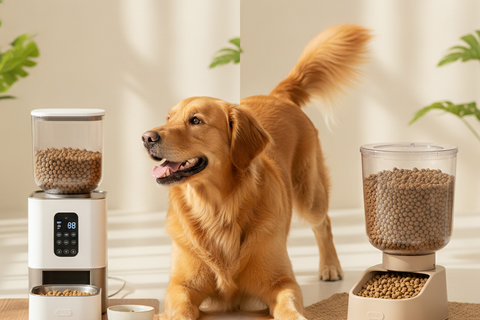
automatic cat feeder
Smart Automatic Pet Feeder vs. Gravity Feeder: Which is Best for Your Pet's Routine?
Jul 08, 2026
dog gear
Hiking with Your Dog: The Long Leash Dilemma Solved
Jul 08, 2026
mess solved
Paw Mess Solved
Jul 07, 2026
dog gear
Dog Eats Too Fast? Ragnor's Fix for Gulping & Bloat
Jul 07, 2026
beyond fetch
Summer Dog Games: Beyond Fetch
Jul 07, 2026
breathable dog car seat
Stay Cool on the Road: Top 5 Cooling Dog Car Seat Covers for Summer Adventures
Jul 07, 2026
invaders keep
Yard Invaders? How to Keep Stray Dogs Away (Kindly)
Jul 07, 2026
avoid drama
Clipping Dog Nails: Avoid the Drama & Do It Right
Jul 06, 2026
brachycephalic dog gear
Best No-Pull Harness for French Bulldogs: Comfort, Control & Style
Jul 06, 2026
bored dog
Bored Dog? Unleash Happiness with Vertical Play
Jul 06, 2026
clothes jackets
Best Dog Clothes & Jackets for Dogs: 2026 Guide
Jul 06, 2026
pet care gear
Best Portable Pet Water Bottle for Dogs: 2026 Guide
Jul 05, 2026
foes scratch
Furniture Foes: for Scratch-Proof Paws
Jul 05, 2026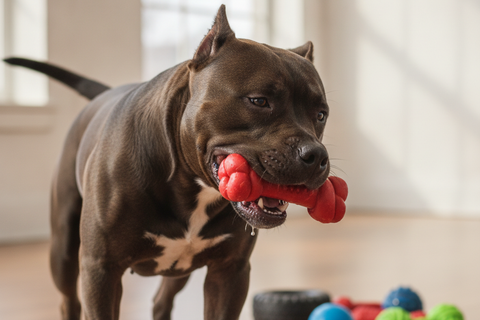
best dog toys
The Ultimate Guide: Choosing Indestructible Dog Toys for Aggressive Chewers
Jul 05, 2026
dog gear
Unleash Their Inner Olympian: Home Agility for Any Dog
Jul 05, 2026
dog gear
Lost Dog Panic? GPS Trackers Actually Work. Here's How.
Jul 05, 2026
anxiety regular
Dog Anxiety: Why Regular Beds Aren't Enough
Jul 04, 2026
dog gear
Summer Dog Safety
Jul 04, 2026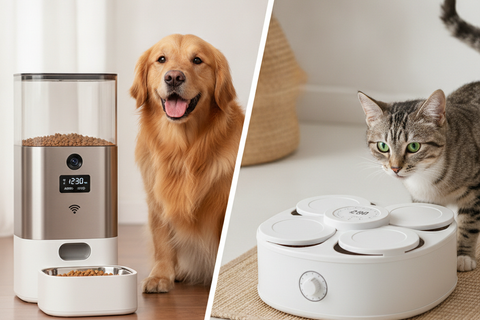
automatic pet feeder
Smart Automatic Pet Feeder vs. Timed Feeder: Which is Best for Your Pet?
Jul 04, 2026
dog gear
Summer Walks: Give Your Dog Freedom (Safely!)
Jul 04, 2026
dog gear
Summer Frisbee Fun: A Dog's Guide to Outdoor Play
Jul 03, 2026
pet care gear
Summer Scratch Solutions
Jul 03, 2026
dog gear
Unleash Their Inner Olympian: DIY Dog Agility for Happy Paws
Jul 03, 2026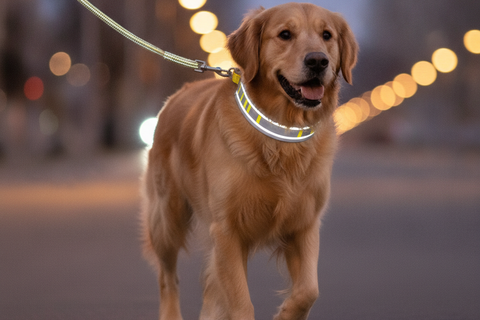
dog safety at night
Reflective Dog Leashes & Collars: Enhance Nighttime Safety
Jul 03, 2026
chews that
Problem solved: Chews that stand up to your power chewer
Jul 03, 2026
dog gear
Potty Training a Puppy? Why Litter Boxes Are a Bad Idea
Jul 02, 2026
pet care gear
Summer Road Trips: Protect Your Car Seats
Jul 02, 2026
color what
Dog Pee Color: What It's Telling You (And What to Do)
Jul 02, 2026
dog gear
Summer Shedding: Stop the Dog Hair Avalanche!
Jul 02, 2026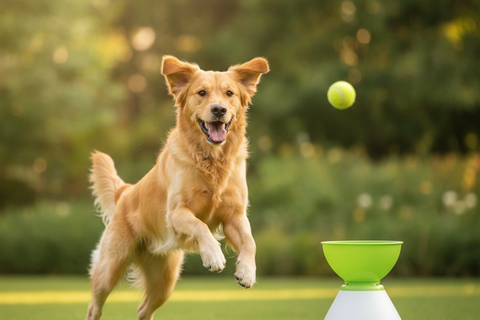
automatic ball launcher for dogs
Choosing the Right Automatic Ball Launcher for Dogs: Endless Playtime
Jul 02, 2026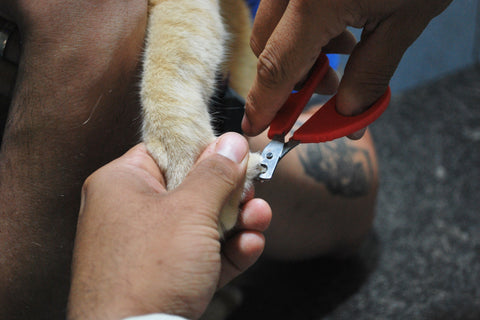
clipping dog
Clipping Dog Nails: Why It's Hard & What Truly Helps
Jul 02, 2026
dog gear
Dog Parkour? Elevate Their Chill
Jul 01, 2026
board dogs
Best Cat Scratching Post & Board for Cats: 2026 Guide
Jul 01, 2026
aggressive chewers
Top 5 Indestructible Dog Toys for Power Chewers: Built to Last
Jul 01, 2026