

Pets bring immeasurable joy, but uninvited wildlife or neighborhood animals in your yard can pose challenges, from digging up gardens to potential health risks. Discover how a solar ultrasonic animal repeller can offer a humane and effective solution to protect your outdoor spaces. This comprehensive guide from FurryFable.com will walk you through everything you need to know about these innovative devices.
A solar ultrasonic animal repeller is an outdoor device that uses solar energy to power ultrasonic sound waves and often flashing lights to deter unwanted animals from yards and gardens. These devices typically feature motion sensors that activate the deterrents when an animal enters a designated area, providing a humane and chemical-free method of wildlife control.
Why Consider a Solar Ultrasonic Animal Repeller?
Maintaining a pristine garden and a safe yard for your beloved pets is a top priority for any pet parent. Traditional methods of animal deterrence often involve harsh chemicals or traps, which can be harmful to pets, children, and the environment. A solar-powered ultrasonic animal repeller offers a modern, eco-friendly, and humane alternative. These devices leverage advanced technology to create an uncomfortable environment for pests without causing them any physical harm, aligning with the ASPCA's advocacy for safe, non-lethal deterrents to keep animals out of unwanted areas.Understanding the Need for Humane Animal Deterrence
Humane animal deterrence focuses on discouraging animals from entering an area without causing injury, pain, or distress. This approach is crucial for pet parents who want to protect their property while upholding ethical treatment of all creatures. The ASPCA emphasizes the importance of using exclusionary measures and deterrents that do not rely on aversive stimuli like electric shocks. Furthermore, preventing wildlife from entering your yard can minimize potential exposure to diseases such as rabies, which is primarily found in wild animals like bats, raccoons, skunks, and foxes in the United States. Avian influenza, or bird flu, is another concern, as wild birds can carry the virus and spread it through their mucous, saliva, or feces, with rare instances of transmission to pets and humans.How Do Solar Ultrasonic Animal Repellers Work?
Solar ultrasonic animal repellers operate on a simple yet effective principle: using unpleasant stimuli to encourage animals to leave a protected area. These devices are powered by a solar panel that charges internal batteries, ensuring continuous operation day and night.The Science Behind Ultrasonic Frequencies
Ultrasonic sound waves are high-frequency sounds that are above the range of human hearing but are audible and often irritating to many animals. Different animals are sensitive to different frequency ranges. Most solar ultrasonic repellers offer adjustable frequency settings, allowing you to target specific pests like deer, raccoons, bats, rabbits, rodents, squirrels, birds, cats, and dogs. When an animal enters the device's detection range, a passive infrared (PIR) motion sensor triggers the emission of these ultrasonic sounds. This sudden, high-pitched noise disorients and startles the animal, making the area undesirable.Motion Activation and Additional Deterrents
Many advanced animal repellers combine ultrasonic sounds with other deterrents for enhanced effectiveness. A common feature is motion activation, where an infrared sensor detects movement within a certain range (often up to 30 feet and a 110-degree angle) and activates the repeller. Some models also incorporate flashing LED lights, which provide a visual stimulus that further frightens animals, especially nocturnal ones. This multi-sensory approach ensures a more comprehensive and intimidating response to unwanted visitors.Key Features to Look for in a Solar Ultrasonic Animal Repeller
When selecting a solar ultrasonic animal repeller for your yard or garden, consider several factors to ensure you choose the most effective and durable device for your needs.Coverage Area and Detection Range
The coverage area refers to the total square footage the repeller can protect, while the detection range specifies how far the motion sensor can detect an animal. Many devices offer a detection distance of up to 30 feet and can cover areas up to 2,425 square feet. For larger yards, you might need multiple units to ensure complete protection. Consider the layout of your garden and the common entry points for animals when planning placement.Adjustable Frequency Settings
Different animals react to different ultrasonic frequencies. A repeller with adjustable frequency settings is highly beneficial as it allows you to customize the deterrent to target specific pests. For example, one setting might be effective for rodents and squirrels, while another is better suited for larger animals like deer or raccoons. Some devices even offer multiple modes that combine frequencies to deter a broader range of animals simultaneously.Durability and Weather Resistance
Since these devices are designed for outdoor use, durability and weather resistance are paramount. Look for repellers with a rugged, marine-grade waterproof construction and an IPX4 or higher waterproof rating to ensure they can withstand rain, snow, and freezing temperatures. This ensures continuous operation throughout the year, regardless of weather conditions.Power Source and Battery Life
Solar power is a key advantage of these repellers, as it eliminates the need for external power cords or frequent battery changes. The built-in solar panel charges rechargeable batteries (often Ni-MH batteries) during the day, providing power for nighttime operation. A good quality repeller should be able to operate for several days, even in cloudy conditions, on a full charge.Installation Options
Most solar ultrasonic animal repellers offer flexible installation options. They typically come with a ground stake for easy insertion into lawns or garden beds, and many can also be wall-mounted on fences or buildings. Choose an installation method that provides optimal coverage and direct sunlight exposure for the solar panel.Comparison of Popular Solar Ultrasonic Animal Repellers
To help you make an informed decision, here's a comparison of common features found in various solar ultrasonic animal repellers:| Feature | Basic Model | Mid-Range Model | Advanced Model |
|---|---|---|---|
| Coverage Area | Up to 1,000 sq ft | 1,500 - 2,000 sq ft | 2,000 - 2,500+ sq ft |
| Detection Range | Up to 20 ft | Up to 25 ft | Up to 30 ft |
| Frequency Settings | Single fixed frequency | 2-3 adjustable frequencies | Multiple adjustable frequencies (5-6 modes) |
| Additional Deterrents | None or basic LED light | Flashing LED lights | Flashing LED lights, audible alarm/siren |
| Waterproof Rating | IPX0 - IPX2 (splash resistant) | IPX4 (rain resistant) | IPX4 - IPX5 (heavy rain resistant) |
| Battery Life (No Sun) | 1-3 days | 3-7 days | 7-15 days |
| Installation | Ground stake only | Ground stake, wall mount option | Ground stake, wall mount, fence mount |
Tips for Effective Placement and Usage
Maximizing the effectiveness of your solar ultrasonic animal repeller involves strategic placement and consistent usage.Identifying Animal Entry Points
Observe your yard to determine where unwanted animals typically enter and exit. Common entry points can include gaps in fences, overgrown bushes, or areas near bird feeders. Installing the repeller facing these areas will ensure that the motion sensor is triggered when an animal approaches. The ASPCA suggests removing attractants like food and restricting access to shelter to make deterrents more effective.Optimal Sunlight Exposure
For continuous operation, especially for a solar ultrasonic animal repeller, ensure the solar panel receives ample direct sunlight throughout the day. Avoid placing the device in shaded areas where trees or structures might block sunlight, as this can hinder battery charging. Most manufacturers recommend allowing the repeller to operate continuously for best results.Avoiding Obstructions
The effectiveness of both the motion sensor and the ultrasonic waves can be reduced by obstructions. Position the repeller in an open area, free from dense foliage, walls, or other large objects that could block the sensor's line of sight or absorb the ultrasonic sounds. Make sure not to cover the PIR sensor.Regular Maintenance
While solar ultrasonic animal repellers are generally low-maintenance, occasional cleaning can help prolong their lifespan and ensure optimal performance. Use a damp, soft cloth and mild soap with water to clean the device; avoid harsh chemicals or abrasive cleaners. Regularly check the solar panel for dirt or debris that might impede charging.Common Pests and How Repellers Help
Solar ultrasonic animal repellers can deter a wide range of common yard and garden pests, helping to protect your property and your pets.Cats and Dogs
While we adore our furry companions, neighborhood cats and dogs can sometimes cause issues in gardens, such as digging or marking territory. Ultrasonic repellers can create an uncomfortable zone that encourages them to find other areas to explore. It's important to remember that such devices should complement responsible pet ownership, including ensuring your own pets are properly trained and contained. For outdoor adventures with your canine friend, consider a reflective dog harness for visibility and safety.Raccoons and Skunks
These nocturnal visitors are often attracted to food sources like pet food left outdoors or unsecured trash cans. Ultrasonic repellers, especially those with flashing lights, can startle raccoons and skunks, deterring them from scavenging in your yard. The ASPCA recommends picking up fallen fruit and ripe vegetables daily, feeding pets indoors, and locking trash and compost to prevent attracting these animals.Rodents (Mice, Rats, Squirrels)
Rodents can be a nuisance, chewing through plants and potentially carrying diseases. Repellers set to frequencies effective against smaller animals can help keep mice, rats, and squirrels away from your garden beds and bird feeders. For pet parents dealing with destructive chewing, our guide on "The Ultimate Guide to Indestructible Dog Chew Toys for Power Chewers" offers excellent solutions for your own pets.Birds
While many birds are welcome, some species can damage fruit trees or leave unwanted droppings. Repellers with specific bird-deterring frequencies or audible alarms can help keep them away from sensitive areas.Deer and Rabbits
For gardeners, deer and rabbits can be particularly destructive, munching on valuable plants. Larger, more powerful ultrasonic repellers, often combined with flashing lights, can be effective in discouraging these larger herbivores from entering your cultivated spaces.Considerations for Pet Parents
As pet parents, it's natural to be concerned about how any deterrent might affect your own dogs and cats.Are Ultrasonic Repellers Safe for Pets?
Most solar ultrasonic animal repellers are designed to be humane and safe for household pets when used correctly. The ultrasonic frequencies are generally irritating but do not cause physical harm. However, some pets, particularly those with sensitive hearing, might react to the sounds. It's advisable to monitor your pets' behavior when you first install a repeller. The SPCA notes that results with ultrasonic devices are mixed and some pets may dislike them.Minimizing Impact on Your Own Animals
To minimize any potential impact on your pets, consider the following:- Placement: Install repellers in areas where your pets don't typically spend a lot of time, or aim them away from common pet zones.
- Frequency Adjustment: If your repeller has adjustable frequencies, experiment to find a setting that deters target pests without overly bothering your pets.
- Motion Sensor Sensitivity: Adjust the motion sensor sensitivity to avoid unnecessary activation when your pets are simply playing in the yard.
Why We Chose These for FurryFable
At FurryFable, we are committed to providing premium products and expert advice that prioritize the well-being of your pets and the harmony of your home. When evaluating solar ultrasonic animal repellers, our selection criteria focused on several key qualities that align with our brand values and the needs of our discerning pet parents. Firstly, we prioritized humane and non-toxic solutions. Our guiding principle is that effective deterrence should never come at the cost of an animal's welfare. We specifically looked for repellers that rely solely on ultrasonic sounds and flashing lights, avoiding any devices that use harmful chemicals, traps, or physical aversions. This ensures that while unwanted visitors are encouraged to leave, they do so without injury, reflecting the ASPCA's stance on ethical animal control. Secondly, durability and reliability were paramount. Given the outdoor nature of these products, we sought devices constructed with robust, weather-resistant materials capable of withstanding diverse climates across the USA and Canada. Features like high IPX ratings and strong solar charging capabilities that ensure continuous operation, even during extended cloudy periods, were critical. We believe a product should perform consistently, providing peace of mind to pet parents. Finally, we emphasized user-friendliness and versatility. Products with adjustable frequency settings, multiple installation options (ground stake and wall mount), and broad coverage areas were favored. This allows our customers to customize the repeller's function to their specific needs, targeting various animals while easily integrating the device into their existing yard or garden layout. We also considered the ease of maintenance, ensuring that the repellers require minimal effort to keep them operating effectively. By focusing on these attributes, we ensure that the solar ultrasonic animal repellers featured on FurryFable.com meet our high standards for quality, efficacy, and ethical pet care.Protect Your Yard, Protect Your Pets
A solar ultrasonic animal repeller can be a valuable addition to your pet-friendly home, offering a humane and effective way to protect your yard and garden from unwanted animal visitors. By understanding how these devices work, choosing the right features, and implementing strategic placement, you can create a safer and more serene outdoor environment for your entire family, including your beloved dogs and cats. Explore our full range of pet outdoor supplies to find everything you need to keep your yard secure and enjoyable for your furry friends. From training aids to safety gear, FurryFable has you covered.Frequently Asked Questions
Do solar ultrasonic animal repellers actually work?
Yes, solar ultrasonic animal repellers can be effective in deterring a variety of animals by emitting high-frequency sound waves and often flashing lights that are unpleasant to them, without causing harm. Their effectiveness can vary depending on the animal, the specific device, and proper placement.
Are ultrasonic repellers harmful to my pets?
Most ultrasonic repellers are designed to be humane and safe for household pets, emitting sounds that are irritating but not physically harmful. However, some pets, especially those with sensitive hearing, might react to the sounds, so monitoring their behavior after installation is recommended.
How far do solar ultrasonic animal repellers reach?
The detection range for motion sensors on these devices typically extends up to 30 feet, and the ultrasonic coverage area can be up to 2,500 square feet, depending on the model. Larger areas may require multiple units for comprehensive protection.
How do I install a solar ultrasonic animal repeller?
Installation is typically straightforward, with most devices offering options for ground staking into lawns or garden beds, or wall-mounting on fences or buildings. It's crucial to place the repeller in an area that receives ample direct sunlight for optimal charging of its solar panel.
What kind of animals do ultrasonic repellers deter?
Solar ultrasonic animal repellers can deter a wide range of animals, including cats, dogs, raccoons, skunks, deer, rabbits, squirrels, and various rodents and birds, depending on the adjustable frequency settings of the device.
You Might Also Like
calming vest
Best Dog Anxiety Vest for Dogs: 2026 Guide
Sep 17, 2026
dog gear
Best Dog Puzzle Toy for Dogs: 2026 Guide
Sep 12, 2026
destroys toys
Why Your Dog Destroys Toys — & How to Finally Stop It
Sep 05, 2026
autumn puppy
Autumn Puppy Potty Training
Sep 05, 2026
collar leash
Best Dog Collar & Leash Set for Dogs: 2026 Guide
Sep 04, 2026
autumn dog
Autumn Dog Nail Care: Ditching the Drama & Embracing Healthy Paws
Sep 04, 2026
autumn dog
Autumn Dog Beds: Why Your Pup Still Gets Hot & How to Fix It
Sep 03, 2026
freedom fumble
Retractable Leashes: Freedom or Fumble?
Sep 03, 2026
bird gear
Best Chicken Coop Swing & Toy for Dogs: 2026 Guide
Sep 02, 2026
autumn paw
Autumn Paw Patrol: Stop Litter Tracks for Good
Sep 02, 2026
arms automatic
Tired Arms? Automatic Toys for Small Dogs That Actually Work
Sep 01, 2026
dog gear
Unleash Their Inner Athlete: Backyard Dog Agility Secrets
Sep 01, 2026
agility seesaw
Best Dog Agility Seesaw for Dogs: 2026 Guide
Aug 10, 2026
cat play
Dog-Proof Cat Play: Harmony in Your Shared Spaces
Aug 10, 2026
dog gear
Summer Dog Travel: for Stress-Free Adventures
Aug 10, 2026
anxious dog
Anxious Dog? : A Calming Bed That Actually Works
Jul 08, 2026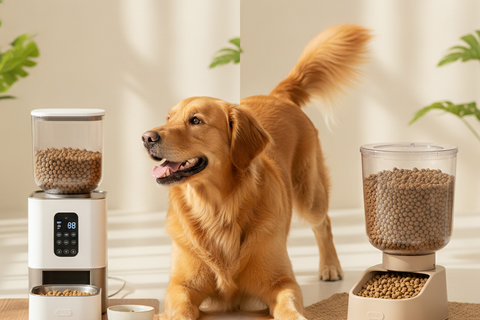
automatic cat feeder
Smart Automatic Pet Feeder vs. Gravity Feeder: Which is Best for Your Pet's Routine?
Jul 08, 2026
dog gear
Hiking with Your Dog: The Long Leash Dilemma Solved
Jul 08, 2026
mess solved
Paw Mess Solved
Jul 07, 2026
dog gear
Dog Eats Too Fast? Ragnor's Fix for Gulping & Bloat
Jul 07, 2026
beyond fetch
Summer Dog Games: Beyond Fetch
Jul 07, 2026
breathable dog car seat
Stay Cool on the Road: Top 5 Cooling Dog Car Seat Covers for Summer Adventures
Jul 07, 2026
invaders keep
Yard Invaders? How to Keep Stray Dogs Away (Kindly)
Jul 07, 2026
avoid drama
Clipping Dog Nails: Avoid the Drama & Do It Right
Jul 06, 2026
brachycephalic dog gear
Best No-Pull Harness for French Bulldogs: Comfort, Control & Style
Jul 06, 2026
bored dog
Bored Dog? Unleash Happiness with Vertical Play
Jul 06, 2026
clothes jackets
Best Dog Clothes & Jackets for Dogs: 2026 Guide
Jul 06, 2026
pet care gear
Best Portable Pet Water Bottle for Dogs: 2026 Guide
Jul 05, 2026
foes scratch
Furniture Foes: for Scratch-Proof Paws
Jul 05, 2026
best dog toys
The Ultimate Guide: Choosing Indestructible Dog Toys for Aggressive Chewers
Jul 05, 2026
dog gear
Unleash Their Inner Olympian: Home Agility for Any Dog
Jul 05, 2026
dog gear
Lost Dog Panic? GPS Trackers Actually Work. Here's How.
Jul 05, 2026
anxiety regular
Dog Anxiety: Why Regular Beds Aren't Enough
Jul 04, 2026
dog gear
Summer Dog Safety
Jul 04, 2026
automatic pet feeder
Smart Automatic Pet Feeder vs. Timed Feeder: Which is Best for Your Pet?
Jul 04, 2026
dog gear
Summer Walks: Give Your Dog Freedom (Safely!)
Jul 04, 2026
dog gear
Summer Frisbee Fun: A Dog's Guide to Outdoor Play
Jul 03, 2026
pet care gear
Summer Scratch Solutions
Jul 03, 2026
dog gear
Unleash Their Inner Olympian: DIY Dog Agility for Happy Paws
Jul 03, 2026
dog safety at night
Reflective Dog Leashes & Collars: Enhance Nighttime Safety
Jul 03, 2026
chews that
Problem solved: Chews that stand up to your power chewer
Jul 03, 2026
dog gear
Potty Training a Puppy? Why Litter Boxes Are a Bad Idea
Jul 02, 2026
pet care gear
Summer Road Trips: Protect Your Car Seats
Jul 02, 2026
color what
Dog Pee Color: What It's Telling You (And What to Do)
Jul 02, 2026
dog gear
Summer Shedding: Stop the Dog Hair Avalanche!
Jul 02, 2026
automatic ball launcher for dogs
Choosing the Right Automatic Ball Launcher for Dogs: Endless Playtime
Jul 02, 2026
clipping dog
Clipping Dog Nails: Why It's Hard & What Truly Helps
Jul 02, 2026
dog gear
Dog Parkour? Elevate Their Chill
Jul 01, 2026
board dogs
Best Cat Scratching Post & Board for Cats: 2026 Guide
Jul 01, 2026
aggressive chewers
Top 5 Indestructible Dog Toys for Power Chewers: Built to Last
Jul 01, 2026