
canine rucksack
dog
dog backpacks for large breeds
The Best Dog Backpacks for German Shepherds & Other Large Breeds

For pet parents of majestic German Shepherds and other robust large breeds, embarking on outdoor adventures is a cherished experience. Whether you're hitting the hiking trails, enjoying a long walk in the park, or simply running errands, equipping your canine companion with a high-quality, properly fitted backpack can transform their involvement, providing both physical exercise and crucial mental stimulation. Finding the perfect dog backpacks for large breeds isn't just about carrying gear; it's about enhancing their well-being and making them an active participant in your shared journey.
Quick Answer: The Best Dog Backpacks for Large Breeds
The best dog backpacks for large breeds, such as German Shepherds, Rottweilers, and Great Danes, are those that prioritize ergonomic fit, durable materials like Ripstop nylon, and balanced weight distribution. Key features include adjustable multi-point harnesses, ample storage capacity with secure compartments, and reflective elements for safety. Reputable brands offer designs that integrate comfort and functionality, allowing your large dog to carry their own essentials safely and comfortably on any adventure.
Why Consider a Dog Backpack for Your Large Breed?
Large breed dogs, particularly those bred for working roles like German Shepherds, thrive on having a purpose. A dog backpack offers an excellent way to provide both physical and mental enrichment, transforming routine walks into engaging tasks. This isn't just about carrying their own water or treats; it's about giving them a job, which can significantly reduce boredom and related behavioral issues.
The Benefits of Canine Rucksacks for Big Dogs
- Physical Exercise & Endurance: Carrying a moderate, veterinarian-approved weight in a large dog saddlebag adds resistance to walks, helping to build muscle, improve stamina, and burn excess energy. This is especially beneficial for high-energy breeds.
- Mental Stimulation: The "job" of carrying a pack can provide a sense of purpose, engaging your dog's mind and reducing anxiety or destructive behaviors often stemming from boredom.
- Behavioral Improvement: For some dogs, the added weight and responsibility can have a calming effect, making them more focused and less reactive during walks. This can be particularly true for dogs with excess energy.
- Convenience for Pet Parents: Free up your own hands and pack by letting your dog carry their own water, collapsible bowl, waste bags, and even some dog toys for breaks.
- Safety: Many durable dog packs come with reflective strips or bright colors, enhancing visibility during early morning or late evening excursions.
Key Considerations When Choosing Dog Backpacks for Large Breeds
Selecting the right backpack for a German Shepherd, Labrador, or other large dog requires careful attention to several critical factors. A poorly fitting or designed pack can cause discomfort, chafing, or even injury. Prioritizing these elements ensures both safety and functionality for your canine companion.
H4: Fit and Ergonomics: The Foundation of Comfort
The most crucial aspect of any dog backpack is its fit. Unlike smaller breeds, large dogs have broader chests, deeper rib cages, and varying body lengths. A proper fit ensures the pack rests securely without impeding movement, rubbing, or putting undue pressure on sensitive areas. Look for:
- Multi-Point Adjustment: Straps around the chest, belly, and sternum should be highly adjustable to conform to your dog's unique shape. A well-designed harness system is integrated into the pack itself, providing stability. For more insight into proper fit, refer to our Complete Guide to Dog Harnesses.
- Padded Contact Points: The areas where the pack touches your dog's body (chest, belly, shoulders) should have ample, breathable padding to prevent chafing, especially on longer treks.
- Saddlebag Placement: The bags should sit evenly over your dog's back, just behind the shoulders, and not extend past the last rib. This centralizes the weight and prevents it from shifting or dragging.
- Freedom of Movement: The pack should not restrict shoulder movement, leg stride, or tail wagging. Your dog should be able to walk, run, and lie down comfortably.
H4: Material and Durability: Built for Adventure
Large breeds often lead active lifestyles, meaning their gear needs to withstand rugged conditions. Durable dog packs are typically constructed from robust materials:
- Ripstop Nylon or Polyester: These fabrics are lightweight, water-resistant, and highly resistant to tearing and abrasion, making them ideal for outdoor use.
- Heavy-Duty Zippers and Buckles: Ensure all fasteners are robust and unlikely to break under strain. YKK zippers are a good indicator of quality.
- Reinforced Stitching: Stress points, like where straps attach to the bags, should have reinforced stitching for longevity.
- Weather Resistance: While few packs are fully waterproof, water-resistant materials or integrated rain covers are beneficial for unexpected weather changes.
H4: Capacity and Compartments: Smart Storage Solutions
Consider what your large dog will be carrying. Capacity needs to be balanced with your dog's ability to carry weight safely.
- Appropriate Size: Bags should be large enough to hold essentials but not so bulky that they catch on brush or impede movement.
- Balanced Pockets: Multiple pockets on each side help distribute weight evenly. Internal mesh pockets can keep smaller items organized.
- Accessibility: Pockets that are easy to open and close, even with gloves on, are a plus.
- Hydration Specifics: Some packs include dedicated sleeves or pockets for water bottles or hydration bladders, which is essential for longer excursions, especially in warmer weather.
H4: Safety Features: Visibility and Control
Safety is paramount, especially when out on trails or in low-light conditions.
- Reflective Trim: Essential for visibility during dawn, dusk, or nighttime walks.
- Leash Attachment Points: Strong D-rings or loops for attaching a leash, often integrated into the harness structure.
- Top Handle: A sturdy handle on the top of the pack allows you to assist your dog over obstacles or provide control when needed.
Top Picks: Best Dog Backpacks for German Shepherds & Other Large Breeds (2026 Edition)
After extensive research and considering the needs of large breed dogs, we've identified several leading dog hiking packs that excel in durability, comfort, and functionality. These options represent the pinnacle of design for active canines.
| Brand/Model | Key Features | Ideal For | Pros | Cons |
|---|---|---|---|---|
| Ruffwear Approach Pack | Radial Cut Saddlebag, Padded Harness, Five-Point Adjustment, External Gear Loops, Multiple Leash Attachment Points | Day hikes, multi-day backpacking, experienced dog hikers | Excellent fit and weight distribution, durable materials, good capacity, reflective trim | Premium price point, requires careful fitting |
| Outward Hound DayPak | Breathable Mesh, Adjustable Straps, Large Storage Pockets, Top Grab Handle | Casual walks, shorter hikes, beginners, budget-conscious pet parents | Affordable, easy to put on, decent capacity for day trips, good ventilation | Less durable for extreme use, not as ergonomic for very long treks |
| Kurgo Baxter Pack | Ergonomic Spine Support, Padded Straps, Two Saddlebags, Bottle Opener, Reflective Trim | Medium to long hikes, urban adventures, dogs with sensitive backs | Good weight distribution, comfortable design, practical features, lifetime warranty | Can be slightly bulky for very lean dogs, limited color options |
| OneTigris K9 Training Pack | Military-Grade Nylon, MOLLE System, Multiple Pouches, Top Handle, Hook & Loop Panels | Working dogs, tactical training, heavy-duty use, customizability | Extremely durable, highly customizable with MOLLE, secure fit, professional look | Heavier than other options, less ventilation, may be overkill for casual use |
| Mountainsmith K9 Pack | Adjustable Suspension, Ergonomic Fit, Anvil Air Mesh Panels, Interior Zippered Pockets | Extended trips, hot weather hikes, dogs prone to overheating | Excellent ventilation, comfortable harness, good capacity, stable load | Higher price point, might require more adjustment for perfect fit |
How to Choose the Right Dog Backpack for Your German Shepherd or Large Breed
With so many options, narrowing down the best dog backpack for your specific needs requires a systematic approach. Consider your dog's unique characteristics and your typical activities.
H4: Assess Your Dog's Size and Build
Even within "large breeds," there's significant variation. A lean German Shorthaired Pointer will have different fitting needs than a stocky Rottweiler. Measure your dog's girth (around the widest part of the rib cage) and neck circumference. Compare these to the manufacturer's sizing charts. Don't assume one size fits all.
- Breed-Specific Needs: German Shepherds, with their deep chests and strong backs, generally do well with packs that have a secure chest strap and ample padding. Breeds like Great Danes might need packs with a longer body to accommodate their length without extending too far back.
- Age and Health: Young dogs (under 1-2 years) are still developing and should carry minimal to no weight. Senior dogs or those with joint issues (like hip or elbow dysplasia common in large breeds) should only carry weight under veterinary guidance. Always consult your veterinarian before introducing a dog backpack, especially if your dog has pre-existing health conditions.
H4: Consider Your Activity Level and Environment
The type of adventures you share will dictate the pack's features.
- Day Hikes: For shorter excursions, a lighter pack with enough room for water, snacks, and waste bags is sufficient. The Outward Hound DayPak or Kurgo Baxter are excellent choices. For more ideas on seasonal gear, check out our guide to Top Dog Backpacks for Spring Hiking Adventures.
- Multi-Day Backpacking: You'll need higher capacity, superior durability, and maximum comfort. The Ruffwear Approach Pack or Mountainsmith K9 Pack shine here.
- Urban Walks/Errands: A less bulky, more streamlined pack might be preferable for city environments, where you mostly need to carry essentials without snagging on crowded areas.
- Hot Climates: Ventilation is key. Look for packs with breathable mesh panels, like the Mountainsmith K9 Pack, to prevent overheating. It's also critical to ensure your dog stays cool; read our tips on Keeping Your Dog Cool This Summer.
H4: Prioritize Comfort and Safety Above All
A pack that causes discomfort will quickly be rejected by your dog. Always opt for designs with ample padding, ergonomic shaping, and secure, non-abrasive straps. Reflective elements are non-negotiable for safety, especially if you venture out during low-light hours.
Training Your Large Dog to Wear a Backpack
Introducing a new piece of gear like a dog backpack requires patience and positive reinforcement. Don't just strap it on and expect immediate cooperation.
- Introduction (No Weight): Start by letting your dog sniff and explore the empty pack. Place it on their back for very short periods (a few minutes) indoors, praising and rewarding them.
- Short, Empty Walks: Once comfortable indoors, take them for brief walks around the house or yard with the empty pack on. Keep it positive and fun.
- Gradual Weight Addition: Begin adding very light weight, such as a small amount of kibble or a lightweight towel, evenly distributed in both saddlebags. Keep initial weighted walks short (5-10 minutes) and gradually increase duration and weight.
- Increase Weight Incrementally: The general guideline, according to veterinary professionals and organizations like the AKC, is that a healthy, well-conditioned large dog can safely carry 10-12% of their body weight. Some exceptionally fit working breeds might carry up to 20%, but this should be done with extreme caution and professional guidance. Never exceed this, and always distribute weight evenly.
- Monitor for Discomfort: Watch for any signs of chafing, rubbing, changes in gait, or reluctance to wear the pack. Adjust straps as needed.
Safety Tips for Hiking with a Dog Backpack
Ensuring your dog's safety and well-being while wearing a pack is paramount. These tips will help you have enjoyable and safe adventures.
- Even Weight Distribution: This is critical. Uneven weight can lead to imbalance, strain, and injury. Pack items symmetrically in both saddlebags. Use soft items to fill empty spaces and prevent shifting.
- Hydration is Key: Always pack plenty of water for your dog, especially on warmer days. Carry a collapsible bowl or a portable pet water bottle. Dogs carrying weight will exert more energy and require more hydration.
- Monitor for Overheating: Dogs don't sweat like humans. Be vigilant for signs of overheating: excessive panting, lethargy, bright red gums. Take frequent breaks in the shade and offer water. This is especially crucial for breeds with thick coats or brachycephalic dogs (though most large breeds are not brachycephalic, individual conditions vary).
- Check for Chafing: Regularly inspect your dog's skin under the pack for any redness, irritation, or sores, particularly after longer excursions. Adjust the fit or add more padding if needed.
- Avoid Overloading: Stick to the 10-12% body weight rule. If your dog shows signs of fatigue or discomfort, reduce the load. Their health is more important than carrying extra gear.
- Trail Etiquette: Always keep your dog leashed on trails, especially when they are wearing a pack, to ensure control and respect other hikers and wildlife.
Maintenance and Care for Your Dog's Backpack
Proper care extends the life of your large dog's backpack and ensures it remains hygienic and comfortable for them.
- Regular Cleaning: After each adventure, especially if muddy or wet, wipe down the pack with a damp cloth. For deeper cleaning, most packs can be hand-washed with mild soap and cold water. Always check manufacturer instructions.
- Air Dry Thoroughly: Never put a dog backpack in a dryer, as high heat can damage materials and cause shrinkage. Air dry completely in a well-ventilated area to prevent mildew and odors.
- Inspect for Wear and Tear: Periodically check zippers, buckles, straps, and stitching for damage. Address small issues promptly to prevent them from becoming larger problems.
- Store Properly: When not in use, store the pack in a clean, dry place away from direct sunlight, which can degrade fabrics over time.
Conclusion: Empowering Your Large Breed's Adventures
Investing in a high-quality dog backpack for your German Shepherd or other large breed is more than just buying gear; it's an investment in their physical health, mental well-being, and the quality of your shared experiences. By choosing a pack that fits well, is made from durable materials, and is introduced gradually, you empower your canine companion to become a more engaged, confident, and active partner on all your adventures. From carrying essentials like water bottles and feeders to their own favorite toy, a well-chosen pack transforms them into a true hiking buddy. Explore FurryFable.com's extensive selection of Pet Outdoor Supplies to find the perfect dog backpack and other adventure gear for your cherished companion today!
Frequently Asked Questions
Q: What is the ideal weight a large dog can carry in a backpack?
A: A healthy, well-conditioned large dog can typically carry 10-12% of their body weight safely. For instance, a 70-pound German Shepherd could carry 7-8.4 pounds. Always consult your veterinarian before adding weight, especially for younger, older, or less conditioned dogs.
Q: How do I properly fit a dog backpack?
A: A dog backpack should fit snugly but not tightly, allowing full range of motion without chafing. The saddlebags should sit evenly over the middle of your dog's back, just behind the shoulders, and not extend past the last rib. Adjust all straps (chest, belly, sternum) so two fingers can comfortably slide underneath.
Q: Are dog backpacks safe for all large breeds?
A: Dog backpacks are generally safe for most healthy, adult large breeds. However, puppies, senior dogs, or those with underlying health conditions like arthritis or hip dysplasia should only use a pack with veterinary approval and careful monitoring. Always start with an empty pack and gradually introduce weight.
Q: What should I pack in my dog's backpack?
A: Common items include water, a collapsible bowl, waste bags, dog treats, a small first-aid kit, and perhaps a lightweight leash or a favorite toy. Ensure all items are non-perishable, non-toxic, and distributed evenly for balance.
Q: How often should my dog wear a backpack?
A: The frequency depends on your dog's fitness level, age, and the activity. For healthy adult dogs, a backpack can be worn during regular walks and hikes a few times a week. Always ensure your dog is comfortable, monitor for fatigue, and provide rest days without the pack.
FurryFable Recommendations
 Dog Backpack | Portable Outdoor Travel Vest Bag for Small Dogs
★★★★★ 4.97 (29)
Save 34%$19.20 Shop Now
 TSA Approved Hard-Sided Pet Carrier | Ventilated Travel Crate
★★★★★ 4.78 (9)
Save 30%$58.06 Shop Now
✓ Free USA Shipping✓ Fast Delivery✓ Secure Checkout✓ 100% Satisfaction
You Might Also Like
calming vest
Best Dog Anxiety Vest for Dogs: 2026 Guide
Sep 17, 2026
dog gear
Best Dog Puzzle Toy for Dogs: 2026 Guide
Sep 12, 2026
destroys toys
Why Your Dog Destroys Toys — & How to Finally Stop It
Sep 05, 2026
autumn puppy
Autumn Puppy Potty Training
Sep 05, 2026
collar leash
Best Dog Collar & Leash Set for Dogs: 2026 Guide
Sep 04, 2026
autumn dog
Autumn Dog Nail Care: Ditching the Drama & Embracing Healthy Paws
Sep 04, 2026
autumn dog
Autumn Dog Beds: Why Your Pup Still Gets Hot & How to Fix It
Sep 03, 2026
freedom fumble
Retractable Leashes: Freedom or Fumble?
Sep 03, 2026
bird gear
Best Chicken Coop Swing & Toy for Dogs: 2026 Guide
Sep 02, 2026
autumn paw
Autumn Paw Patrol: Stop Litter Tracks for Good
Sep 02, 2026
arms automatic
Tired Arms? Automatic Toys for Small Dogs That Actually Work
Sep 01, 2026
dog gear
Unleash Their Inner Athlete: Backyard Dog Agility Secrets
Sep 01, 2026
agility seesaw
Best Dog Agility Seesaw for Dogs: 2026 Guide
Aug 10, 2026
cat play
Dog-Proof Cat Play: Harmony in Your Shared Spaces
Aug 10, 2026
dog gear
Summer Dog Travel: for Stress-Free Adventures
Aug 10, 2026
anxious dog
Anxious Dog? : A Calming Bed That Actually Works
Jul 08, 2026
automatic cat feeder
Smart Automatic Pet Feeder vs. Gravity Feeder: Which is Best for Your Pet's Routine?
Jul 08, 2026
dog gear
Hiking with Your Dog: The Long Leash Dilemma Solved
Jul 08, 2026
mess solved
Paw Mess Solved
Jul 07, 2026
dog gear
Dog Eats Too Fast? Ragnor's Fix for Gulping & Bloat
Jul 07, 2026
beyond fetch
Summer Dog Games: Beyond Fetch
Jul 07, 2026
breathable dog car seat
Stay Cool on the Road: Top 5 Cooling Dog Car Seat Covers for Summer Adventures
Jul 07, 2026
invaders keep
Yard Invaders? How to Keep Stray Dogs Away (Kindly)
Jul 07, 2026
avoid drama
Clipping Dog Nails: Avoid the Drama & Do It Right
Jul 06, 2026
brachycephalic dog gear
Best No-Pull Harness for French Bulldogs: Comfort, Control & Style
Jul 06, 2026
bored dog
Bored Dog? Unleash Happiness with Vertical Play
Jul 06, 2026
clothes jackets
Best Dog Clothes & Jackets for Dogs: 2026 Guide
Jul 06, 2026
pet care gear
Best Portable Pet Water Bottle for Dogs: 2026 Guide
Jul 05, 2026
foes scratch
Furniture Foes: for Scratch-Proof Paws
Jul 05, 2026
best dog toys
The Ultimate Guide: Choosing Indestructible Dog Toys for Aggressive Chewers
Jul 05, 2026
dog gear
Unleash Their Inner Olympian: Home Agility for Any Dog
Jul 05, 2026
dog gear
Lost Dog Panic? GPS Trackers Actually Work. Here's How.
Jul 05, 2026
anxiety regular
Dog Anxiety: Why Regular Beds Aren't Enough
Jul 04, 2026
dog gear
Summer Dog Safety
Jul 04, 2026
automatic pet feeder
Smart Automatic Pet Feeder vs. Timed Feeder: Which is Best for Your Pet?
Jul 04, 2026
dog gear
Summer Walks: Give Your Dog Freedom (Safely!)
Jul 04, 2026
dog gear
Summer Frisbee Fun: A Dog's Guide to Outdoor Play
Jul 03, 2026
pet care gear
Summer Scratch Solutions
Jul 03, 2026
dog gear
Unleash Their Inner Olympian: DIY Dog Agility for Happy Paws
Jul 03, 2026
dog safety at night
Reflective Dog Leashes & Collars: Enhance Nighttime Safety
Jul 03, 2026
chews that
Problem solved: Chews that stand up to your power chewer
Jul 03, 2026
dog gear
Potty Training a Puppy? Why Litter Boxes Are a Bad Idea
Jul 02, 2026
pet care gear
Summer Road Trips: Protect Your Car Seats
Jul 02, 2026
color what
Dog Pee Color: What It's Telling You (And What to Do)
Jul 02, 2026
dog gear
Summer Shedding: Stop the Dog Hair Avalanche!
Jul 02, 2026
automatic ball launcher for dogs
Choosing the Right Automatic Ball Launcher for Dogs: Endless Playtime
Jul 02, 2026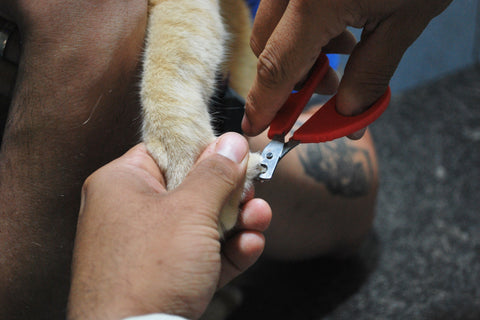
clipping dog
Clipping Dog Nails: Why It's Hard & What Truly Helps
Jul 02, 2026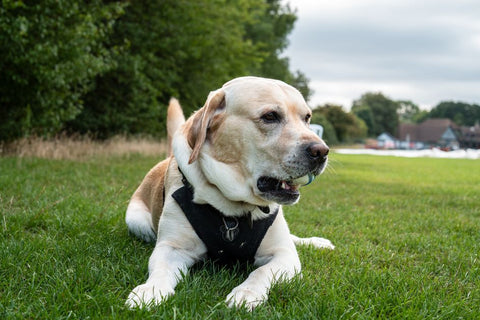
dog gear
Dog Parkour? Elevate Their Chill
Jul 01, 2026
board dogs
Best Cat Scratching Post & Board for Cats: 2026 Guide
Jul 01, 2026
aggressive chewers
Top 5 Indestructible Dog Toys for Power Chewers: Built to Last
Jul 01, 2026