
back-clip harness
dog
dog harnesses
The Complete Guide to Dog Harnesses: Every Type Explained

Navigating the vast world of dog harnesses can feel overwhelming for even the most dedicated pet parents. With an array of designs, materials, and features, finding the perfect fit for your canine companion is essential for their comfort, safety, and your peace of mind during walks and adventures. This comprehensive dog harness guide will demystify the options, helping you understand every type explained and empowering you to make an informed choice that enhances your shared experiences.
Whether your dog is a spirited puller, a tiny adventurer, or a senior needing extra support, selecting the right dog harness is more than just a purchase—it's an investment in their well-being and your bond.
Quick Answer: What are the main types of dog harnesses?
The main types of dog harnesses include front-clip (no-pull), back-clip, dual-clip, step-in, and vest harnesses, each designed with specific benefits for different dog sizes, behaviors, and activities. Additionally, specialized harnesses cater to needs like car safety, hiking, or medical support, offering tailored solutions for every canine companion.
Why Choose a Dog Harness Over a Collar?
While collars are suitable for identification and quick leash attachments, harnesses offer significant advantages, particularly for regular walks and training. According to veterinary guidelines, harnesses distribute pressure more evenly across a dog's chest and shoulders, avoiding strain on the delicate neck and throat area.
Safety and Health Benefits
A properly fitted harness prevents pressure on the trachea and esophagus, which is crucial for breeds prone to respiratory issues like French Bulldogs. For energetic dogs, a harness significantly reduces the risk of neck injuries, such as tracheal collapse or spinal damage, which can occur with sudden jerks on a collar. This focus on canine comfort gear ensures that walks are a positive experience, free from discomfort or potential harm.
Control and Training Advantages
Harnesses provide superior control, especially with dogs that tend to pull on the leash. Designs like front-clip harnesses redirect a dog's forward momentum, making walks more manageable and aiding in leash training. They also prevent dogs from slipping out of their restraint, a common concern with collars, offering greater security in busy environments. This enhanced control is a key component of effective training and control gear.
Understanding the Anatomy of a Dog Harness
Before diving into specific types, it's helpful to understand the basic components that make up most dog harnesses. Familiarizing yourself with these parts will help you assess the quality and functionality of different designs.
Key Components Explained
- Straps: These are the fabric bands that encircle your dog's chest, shoulders, and sometimes belly. They come in various widths and materials, impacting comfort and durability.
- Buckles/Clips: Typically made of plastic or metal, these secure the harness around your dog. Quick-release buckles are common for ease of use.
- D-Rings: These metal rings are the attachment points for your leash. Their placement (front, back, or both) defines the harness's primary function.
- Padding: Many premium harnesses feature padding, often made of neoprene or fleece, to prevent chafing and enhance comfort, especially in areas where straps meet the skin.
- Adjusters: Sliders on the straps allow you to customize the fit, ensuring the harness is snug but not restrictive.
- Handle: Some harnesses, particularly those for service dogs or hiking, include a top handle for quick control or assistance.
The Complete Guide to Dog Harness Types
Choosing the best dog harness depends heavily on your dog's individual needs, breed characteristics, and your specific activities. Here, we explore the most common types of dog harnesses available today.
Front-Clip (No-Pull) Harnesses
Front-clip harnesses are designed with a leash attachment D-ring located on the dog's chest. This means no-pull harnesses redirect your dog to the side when they pull, naturally discouraging the behavior without causing discomfort to their neck. This means, instead of pulling forward against the leash, they are gently turned, breaking their stride and making it less rewarding to pull.
- Pros: Highly effective for leash training and managing dogs that pull; prevents neck strain; offers good control.
- Cons: Leash can get tangled under legs; may not be suitable for dogs with very short snouts or broad chests where the chest strap can ride up; some dogs may find the redirection confusing initially.
- Best for: Puppies learning to walk on a leash, strong pullers, dogs with neck sensitivities, and pet parents seeking better control during walks.
Back-Clip Harnesses
Back-clip harnesses feature a leash attachment D-ring located on the dog's back, typically between the shoulder blades. This classic design is widely popular and generally easy to put on. This means the pressure from the leash is distributed across the dog's back, making it comfortable for dogs that don't pull excessively.
- Pros: Comfortable for dogs that don't pull; easy to put on and take off; less chance of leash entanglement; ideal for small dogs and casual walks.
- Cons: Offers less control over dogs that pull heavily, as it can encourage them to pull more effectively; can put pressure on the spine if the dog pulls hard.
- Best for: Well-behaved dogs, small breeds, senior dogs, and those who enjoy leisurely strolls without significant pulling.
Dual-Clip Harnesses
Dual-clip harnesses offer the best of both worlds, featuring D-rings on both the front (chest) and back. This means you can choose the attachment point based on the situation, or even use a double-ended leash for maximum control. Using both clips simultaneously can provide exceptional steering and control, especially for large or very strong dogs.
- Pros: Versatile for various situations; provides maximum control when needed; allows for fine-tuning based on dog's behavior.
- Cons: Can be more complex to put on; requires managing two leash clips if using a double-ended leash.
- Best for: Training versatility, strong dogs, dogs in rehabilitation, and pet parents who want flexible control options.
Step-In Harnesses
Step-in harnesses are designed for ease of use, particularly for dogs who dislike having things go over their head. This means your dog simply steps their front paws into two loops, and the harness is then clipped over their back. They are often lightweight and minimalist in design.
- Pros: Very easy to put on and take off; good for dogs sensitive about head handling; lightweight and often less bulky.
- Cons: May not be as secure for escape artists; can be less effective for strong pullers as they usually have a back-clip design.
- Best for: Small to medium-sized dogs, calm dogs, puppies, and dogs with sensitive heads or ears.
Vest Harnesses (Mesh/Fabric)
Vest harnesses, often made from mesh or soft fabric, cover a larger portion of the dog's chest and back. This means they distribute pressure over a wider area, offering maximum comfort and minimizing chafing. They are particularly popular for smaller breeds due to their gentle fit and stylish appearance, often found within pet apparel collections.
- Pros: Extremely comfortable; reduces pressure points; ideal for small dogs or those with sensitive skin; often breathable.
- Cons: Can be less durable for very active or large dogs; offers less control for strong pullers; can be warm in hot weather (though mesh options exist).
- Best for: Small breeds, brachycephalic (short-nosed) breeds, dogs prone to skin irritation, and those needing a gentle, comfortable fit. For summer, consider lightweight, breathable mesh options to aid in keeping your dog cool this summer.
Head Halters (Gentle Leaders)
Head halters, sometimes called gentle leaders, fit around a dog's muzzle and behind their ears, similar to a horse's halter. This means they provide immediate and gentle control by guiding the dog's head, which naturally directs their body. When a dog pulls, the halter turns their head to the side, discouraging forward motion.
- Pros: Excellent control for strong pullers; effective for training polite leash manners; prevents jumping and mouthing.
- Cons: Some dogs resist wearing them; requires proper introduction and positive reinforcement; can be mistaken for a muzzle by others.
- Best for: Large, strong dogs that pull excessively, dogs needing behavior modification, and those requiring precise control. Always consult your veterinarian or a certified dog trainer for proper fitting and usage to ensure your dog's comfort and safety.
Specialty Harnesses
Beyond the common types, several specialized harnesses cater to unique needs.
Car Safety Harnesses
Car safety harnesses are designed to keep your dog secure and restrained during car travel, preventing distraction to the driver and protecting the dog in case of a sudden stop or accident. This means they are crash-tested and connect to a car's seatbelt system, often falling under safety & high-tech gear.
- Best for: Any dog traveling in a vehicle, crucial for safety.
Service/Working Dog Harnesses
Service and working dog harnesses are heavy-duty, highly visible, and often feature patches indicating the dog's role. This means they are built for durability and functionality, often with handles and multiple attachment points, for dogs performing specific tasks.
- Best for: Service animals, emotional support animals (where permitted by law), and working dogs.
Hiking/Adventure Harnesses
Hiking and adventure harnesses are rugged, often padded, and designed for extended wear and outdoor conditions. This means they usually include features like extra storage pockets (for dog backpacks), reflective strips, and sturdy construction for off-road excursions, making them a key part of pet outdoor supplies.
- Best for: Active dogs and their owners who enjoy hiking, camping, or long walks in nature.
Lifting/Support Harnesses
Lifting and support harnesses are designed to assist dogs with mobility issues, such as senior dogs, those recovering from surgery, or dogs with arthritis. This means they provide support to help lift and stabilize the dog, particularly in the hindquarters or full body.
- Best for: Senior dogs, dogs with injuries, or those needing assistance with stairs or getting into a car.
Calming/Anxiety Harnesses
Calming or anxiety harnesses apply gentle, constant pressure to a dog's torso, similar to a swaddling effect. This means they can help soothe anxious or overstimulated dogs during stressful situations like thunderstorms, fireworks, or vet visits, often in conjunction with anxiety vests and other comfort & anxiety solutions.
- Best for: Dogs with generalized anxiety, noise phobias, or travel stress.
Choosing the Right Harness for Your Dog
With so many options, how do you narrow down the choices? Consider these factors to find the ideal dog walking solution.
Consider Your Dog's Size and Breed
A harness that fits a Great Dane won't work for a Chihuahua. Small dogs often benefit from lightweight, vest-style or step-in harnesses that won't overwhelm their delicate frames. Larger, stronger breeds may require more robust materials and wider straps for comfort and control. Breeds with specific body shapes, like the broad chest of a French Bulldog, require specially designed harnesses to prevent chafing and ensure a comfortable fit. For specific breed recommendations, explore guides like the Best Harness for French Bulldogs.
Assess Their Walking Behavior
Does your dog pull like a freight train, or do they politely stroll by your side?
- For Pullers: Front-clip or dual-clip harnesses are highly recommended as they discourage pulling by redirecting your dog's momentum. Head halters are also extremely effective for strong, persistent pullers.
- For Non-Pullers: Back-clip, step-in, or vest harnesses are typically comfortable and sufficient for dogs with good leash manners.
Think About Activity Level and Climate
Your dog's lifestyle plays a significant role.
- High-Energy/Adventure Dogs: Look for durable, padded harnesses designed for outdoor use, possibly with reflective elements for visibility during low-light walks or with features suitable for pet outdoor supplies.
- Casual Walkers: A comfortable, easy-to-use back-clip or vest harness will likely suffice.
- Climate: In warm climates, opt for breathable mesh or lightweight materials. In colder weather, a more substantial, insulated vest harness might offer extra warmth.
Prioritize Material and Durability
Harnesses come in various materials, each with its own benefits:
- Nylon/Polyester: Common, durable, and easy to clean. Good for everyday use.
- Mesh: Lightweight and breathable, ideal for warmer climates or small dogs.
- Neoprene: Water-resistant and cushioned, great for active dogs or those who swim.
- Leather: Stylish and very durable, but requires more maintenance and can be heavier.
Proper Fitting and Sizing: A Crucial Step
Even the best dog harness won't be effective or comfortable if it doesn't fit correctly. A properly fitted harness is paramount for your dog's safety and well-being, preventing chafing, escape, and discomfort.
How to Measure Your Dog
Before purchasing, measure your dog accurately. Most manufacturers provide sizing charts.
- Chest Girth: Use a soft measuring tape to measure around the widest part of your dog's rib cage, just behind their front legs.
- Neck Girth: Measure around the base of your dog's neck, where a collar would typically sit.
- Length (for some vests): Measure from the base of the neck to the base of the tail for full-coverage vest styles.
The "Two-Finger Rule"
Once the harness is on, perform the "two-finger rule." You should be able to comfortably slide two fingers beneath any strap of the harness. If you can fit more, it's too loose and your dog could slip out. If you can't fit two fingers, it's too tight and could cause chafing or restrict movement. The harness should fit snugly but allow for full range of motion, especially around the shoulders and armpits.
Signs of a Poorly Fitted Harness
Watch out for these indicators that your dog's harness isn't fitting properly:
- Chafing or Redness: Especially in the armpit area or around the chest.
- Rubbing off Fur: A clear sign of friction.
- Gagging or Coughing: If pressure is on the throat, even with a front-clip.
- Restricted Movement: Your dog seems stiff or unwilling to move naturally.
- Escape Attempts: If your dog can back out of the harness.
- Unusual Gait: Limping or an altered walking style.
Harness Care and Maintenance
To extend the life of your dog's harness and ensure hygiene, regular cleaning is essential. Most harnesses can be hand-washed with mild soap and water or machine-washed on a gentle cycle in a laundry bag. Always air dry to prevent material breakdown and shrinkage. Regularly inspect the harness for wear and tear, loose stitching, or damaged buckles, replacing it if any safety compromises are found.
Comparison Table: Harness Types at a Glance
To help you visualize the differences, here's a quick comparison of the primary dog harness types:
| Harness Type | Leash Attachment | Primary Benefit | Ideal For | Key Consideration |
|---|---|---|---|---|
| Front-Clip (No-Pull) | Chest | Discourages pulling, redirects dog | Pullers, training, neck sensitivity | Leash may tangle under legs |
| Back-Clip | Back (shoulders) | Comfort, ease of use | Non-pullers, small dogs, casual walks | Less control for strong pullers |
| Dual-Clip | Chest & Back | Versatile control | Training, strong dogs, varied activities | Can be more complex to manage |
| Step-In | Back | Easy to put on, gentle on head | Small dogs, head-sensitive dogs | May not be secure for escape artists |
| Vest Harness | Back | Maximum comfort, pressure distribution | Small breeds, sensitive skin, brachycephalic dogs | Less control for pullers, can be warm |
| Head Halter | Muzzle | Immediate, precise control | Strong pullers, behavior modification | Requires training, some dogs dislike |
Choosing the right dog harness is a pivotal decision for any pet parent. By understanding the various types and their specific advantages, you can select a dog harness that not only ensures safety and comfort for your beloved companion but also makes every walk a joyful and stress-free experience. Explore FurryFable.com's extensive collection of premium harnesses today and find the perfect fit for your furry friend!
Frequently Asked Questions
Q: How do I know if my dog's harness is too tight or too loose?
A: A harness is too tight if you cannot comfortably slide two fingers beneath any strap, restricting movement or causing chafing. It's too loose if you can easily fit more than two fingers, or if your dog can back out of it, posing an escape risk. Always check for redness, rubbing, or signs of discomfort after walks.
Q: Are no-pull harnesses harmful to dogs?
A: When properly fitted and used, no-pull harnesses (typically front-clip designs) are not harmful. They work by gently redirecting a dog's momentum without causing pain or discomfort to the neck, making them a humane and effective tool for leash training and managing pulling behavior. Always ensure the harness allows for full range of motion.
Q: Can a dog wear a harness all the time?
A: It is generally not recommended for a dog to wear a harness all the time. Continuous wear can lead to skin irritation, matted fur, or pressure sores, especially in sensitive areas like the armpits. Harnesses should typically be removed when your dog is unsupervised, sleeping, or relaxing at home to allow their skin to breathe and prevent discomfort.
Q: What is the best type of harness for a puppy?
A: For puppies, a lightweight, comfortable back-clip or step-in harness is often ideal for early training and casual walks, as they are easy to put on and less restrictive. As they grow and their pulling habits develop, transitioning to a front-clip or dual-clip harness can be beneficial for continued leash training.
Q: How often should I replace my dog's harness?
A: The lifespan of a dog harness varies based on material quality, frequency of use, and your dog's activity level, but it should be replaced when signs of significant wear and tear appear. Regularly inspect for frayed straps, stretched fabric, broken buckles, or rust on metal components, as these can compromise safety and comfort. For active dogs, this might be annually, while for others, it could be every few years.
FurryFable Recommendations
 FurryFable Comfort Adjustable No-Pull Mesh Dog Harness
 FurryFable Reflective Dog Leash: Soft Foam Handle & No-Slip Grip
★★★★★ 4.96 (25)
Save 32%$14.80 Shop Now
 FurryFable Retractable Dog Leash – One-Touch Brake, Tangle-Free
★★★★★ 4.95 (19)
Save 32%$16.50 Shop Now
✓ Free USA Shipping✓ Fast Delivery✓ Secure Checkout✓ 100% Satisfaction
You Might Also Like

calming vest
Best Dog Anxiety Vest for Dogs: 2026 Guide
Sep 17, 2026
dog gear
Best Dog Puzzle Toy for Dogs: 2026 Guide
Sep 12, 2026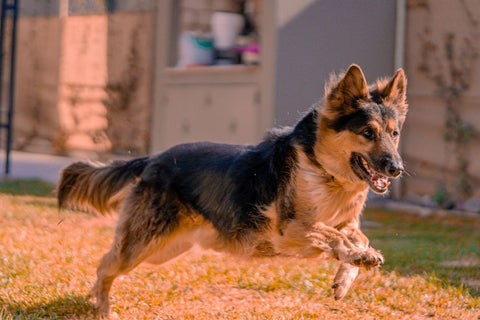
destroys toys
Why Your Dog Destroys Toys — & How to Finally Stop It
Sep 05, 2026
autumn puppy
Autumn Puppy Potty Training
Sep 05, 2026
collar leash
Best Dog Collar & Leash Set for Dogs: 2026 Guide
Sep 04, 2026
autumn dog
Autumn Dog Nail Care: Ditching the Drama & Embracing Healthy Paws
Sep 04, 2026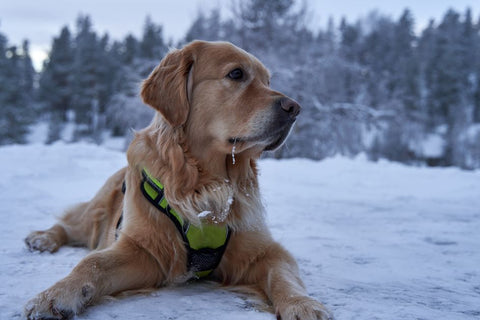
autumn dog
Autumn Dog Beds: Why Your Pup Still Gets Hot & How to Fix It
Sep 03, 2026
freedom fumble
Retractable Leashes: Freedom or Fumble?
Sep 03, 2026
bird gear
Best Chicken Coop Swing & Toy for Dogs: 2026 Guide
Sep 02, 2026
autumn paw
Autumn Paw Patrol: Stop Litter Tracks for Good
Sep 02, 2026
arms automatic
Tired Arms? Automatic Toys for Small Dogs That Actually Work
Sep 01, 2026
dog gear
Unleash Their Inner Athlete: Backyard Dog Agility Secrets
Sep 01, 2026
agility seesaw
Best Dog Agility Seesaw for Dogs: 2026 Guide
Aug 10, 2026
cat play
Dog-Proof Cat Play: Harmony in Your Shared Spaces
Aug 10, 2026
dog gear
Summer Dog Travel: for Stress-Free Adventures
Aug 10, 2026
anxious dog
Anxious Dog? : A Calming Bed That Actually Works
Jul 08, 2026
automatic cat feeder
Smart Automatic Pet Feeder vs. Gravity Feeder: Which is Best for Your Pet's Routine?
Jul 08, 2026
dog gear
Hiking with Your Dog: The Long Leash Dilemma Solved
Jul 08, 2026
mess solved
Paw Mess Solved
Jul 07, 2026
dog gear
Dog Eats Too Fast? Ragnor's Fix for Gulping & Bloat
Jul 07, 2026
beyond fetch
Summer Dog Games: Beyond Fetch
Jul 07, 2026
breathable dog car seat
Stay Cool on the Road: Top 5 Cooling Dog Car Seat Covers for Summer Adventures
Jul 07, 2026
invaders keep
Yard Invaders? How to Keep Stray Dogs Away (Kindly)
Jul 07, 2026
avoid drama
Clipping Dog Nails: Avoid the Drama & Do It Right
Jul 06, 2026
brachycephalic dog gear
Best No-Pull Harness for French Bulldogs: Comfort, Control & Style
Jul 06, 2026
bored dog
Bored Dog? Unleash Happiness with Vertical Play
Jul 06, 2026
clothes jackets
Best Dog Clothes & Jackets for Dogs: 2026 Guide
Jul 06, 2026
pet care gear
Best Portable Pet Water Bottle for Dogs: 2026 Guide
Jul 05, 2026
foes scratch
Furniture Foes: for Scratch-Proof Paws
Jul 05, 2026
best dog toys
The Ultimate Guide: Choosing Indestructible Dog Toys for Aggressive Chewers
Jul 05, 2026
dog gear
Unleash Their Inner Olympian: Home Agility for Any Dog
Jul 05, 2026
dog gear
Lost Dog Panic? GPS Trackers Actually Work. Here's How.
Jul 05, 2026
anxiety regular
Dog Anxiety: Why Regular Beds Aren't Enough
Jul 04, 2026
dog gear
Summer Dog Safety
Jul 04, 2026
automatic pet feeder
Smart Automatic Pet Feeder vs. Timed Feeder: Which is Best for Your Pet?
Jul 04, 2026
dog gear
Summer Walks: Give Your Dog Freedom (Safely!)
Jul 04, 2026
dog gear
Summer Frisbee Fun: A Dog's Guide to Outdoor Play
Jul 03, 2026
pet care gear
Summer Scratch Solutions
Jul 03, 2026
dog gear
Unleash Their Inner Olympian: DIY Dog Agility for Happy Paws
Jul 03, 2026
dog safety at night
Reflective Dog Leashes & Collars: Enhance Nighttime Safety
Jul 03, 2026
chews that
Problem solved: Chews that stand up to your power chewer
Jul 03, 2026
dog gear
Potty Training a Puppy? Why Litter Boxes Are a Bad Idea
Jul 02, 2026
pet care gear
Summer Road Trips: Protect Your Car Seats
Jul 02, 2026
color what
Dog Pee Color: What It's Telling You (And What to Do)
Jul 02, 2026
dog gear
Summer Shedding: Stop the Dog Hair Avalanche!
Jul 02, 2026
automatic ball launcher for dogs
Choosing the Right Automatic Ball Launcher for Dogs: Endless Playtime
Jul 02, 2026
clipping dog
Clipping Dog Nails: Why It's Hard & What Truly Helps
Jul 02, 2026
dog gear
Dog Parkour? Elevate Their Chill
Jul 01, 2026
board dogs
Best Cat Scratching Post & Board for Cats: 2026 Guide
Jul 01, 2026
aggressive chewers
Top 5 Indestructible Dog Toys for Power Chewers: Built to Last
Jul 01, 2026