
dog gear
dog health
potty training
Potty Training a Puppy? Why Litter Boxes Are a Bad Idea

⚡ Quick Answer
Using litter boxes for puppies is detrimental to house training because it confuses their natural instinct to eliminate away from their den. This practice teaches them to eliminate indoors, prolonging the training process and potentially leading to behavioral regressions. Effective potty training relies on consistent outdoor elimination, positive reinforcement, and a structured schedule, ideally starting with hourly outdoor trips for puppies under 12 weeks of age. Explore effective training solutions at FurryFable Training Gear.
Bringing a new puppy home is an exciting time. Many new dog owners consider litter box solutions for convenience, especially in urban environments or during bad weather. However, using a litter box for a puppy can create significant long-term behavioral problems.
This method directly contradicts a dog's natural instincts, teaching them to eliminate inside the home rather than establishing a clear outdoor routine. This confusion can lead to prolonged house-training struggles and frustrating regressions for new dog owners.
Litter boxes are generally a poor choice for potty training puppies because they teach the puppy to eliminate indoors, which is the opposite goal of house training. Dogs instinctively avoid soiling their den, and a litter box blurs the line between acceptable indoor elimination and outdoor elimination, leading to confusion and potential long-term house-soiling issues. Focus on outdoor training with consistent schedules and positive reinforcement for lasting success.
Quick Specs
| Parameter Category | Technical Specification and Safety Thresholds |
|---|---|
| Breed and Weight Fit | Puppies of all breeds, up to 15 lbs / 6.8 kg, for emergency use only. Not for primary training. |
| Target Architecture | Indoor pee pads or designated outdoor areas, never enclosed litter boxes. |
| Material Hardness | Absorbent polymer core for pee pads, 0.25-inch thickness. |
| Fabric or Build Reinforcement | 5-layer construction with leak-proof backing for pads, no structural build needed for litter boxes. |
| Chemical Safety | Non-toxic, odor-neutralizing agents for training pads, no harsh chemicals. |
| Price Spectrum | $15 to $45 for training pads, actual litter boxes are not recommended. |
The Fundamental Flaw: Confusing Instincts
Dogs are den animals. They possess a strong, innate drive to keep their sleeping and eating areas clean. This instinct is the cornerstone of effective house training. When a puppy uses a litter box, it learns that eliminating inside the home, albeit in a designated spot, is acceptable. This directly conflicts with the natural drive to eliminate outdoors, away from their living space. For breeds like Beagles, known for their strong scent drive and tendency to follow established routines, breaking this learned indoor habit can be exceptionally difficult.
📐 Classical Conditioning: The Association Formula
Classical conditioning, represented by Pavlov's formula, explains how dogs form associations between stimuli and responses. Using a litter box creates a conditioned response for indoor elimination, hindering the desired outdoor association.
CS (Litter Box) + US (Urination) → UR (Relief)
Where CS = Conditioned Stimulus, US = Unconditioned Stimulus, UR = Unconditioned Response. This formula illustrates how a litter box, initially a neutral stimulus, becomes associated with the relief of elimination indoors, making outdoor training harder.
| Variable | Definition | Bad/Risky Scenario | Good/Safe Scenario |
|---|---|---|---|
| Stimulus Location | Where elimination cues are given | Indoor Litter Box | Outdoor Grass/Dirt |
| Conditioned Response | Learned behavior | Eliminating indoors (e.g., 5-8 times daily) | Eliminating outdoors (e.g., 5-8 times daily) |
| Training Duration | Time to establish reliable habit | 4-6 months, with regressions | 2-3 months, consistent |
A puppy conditioned to an indoor litter box requires 2-3 times more effort to re-train for outdoor elimination than a puppy started with outdoor training.
Why "Emergency" Litter Boxes Fail
Some dog owners consider using litter boxes only for emergencies, like severe weather or illness. The issue is that puppies do not understand the concept of "emergency elimination." Consistency is paramount in early training. Introducing an indoor option, even rarely, sends mixed signals. A puppy learns through repetition and positive reinforcement. Any deviation from the core message, "eliminate outside," slows progress. Instead, consider designated outdoor shelters or quick trips under an umbrella for breeds like Chihuahuas, who are particularly sensitive to cold and wet conditions.
Recommended Potty Training Strategy
The most effective strategy for potty training relies on structure and consistency:
- Frequent Outdoor Trips: For a 10-week-old puppy, this means every 1-2 hours, immediately after waking up, after eating, after playing, and before bedtime.
- Designated Spot: Always take your puppy to the same outdoor area. The familiar scent helps them associate that specific spot with elimination.
- Positive Reinforcement: When your puppy eliminates outside, offer immediate, high-value rewards like a small treat and enthusiastic verbal praise. This creates a strong positive association. Avoid punishment for accidents; simply clean thoroughly with an enzymatic cleaner.
- Crate Training: A properly sized crate leverages the dog's den instinct. They will naturally try to hold their bladder and bowels to keep their sleeping area clean. For a small breed like a Yorkshire Terrier, ensure the crate is just large enough for them to stand up, turn around, and lie down comfortably, not so large they can use one end as a bathroom.
- Supervision: Keep your puppy on a leash indoors or within sight during initial training. This allows you to interrupt attempts to eliminate inside and quickly redirect them outdoors.
Why We Chose These for FurryFable
FurryFable curates products that support natural canine behavior and effective training methods. We prioritize solutions that reinforce positive habits rather than creating confusion. For instance, while we offer cat litter solutions like the FurryFable Smart Automatic Self-Cleaning Cat Litter Box, which measures 20" L x 16" W x 18" H and is designed for felines up to 15 lbs / 6.8 kg, these are specifically engineered for cats' unique elimination behaviors. Its seamless molded body eliminates interior corner seams, preventing waste buildup, a feature crucial for cat hygiene but irrelevant for dog training. For dogs, our focus is on outdoor training aids and indoor management tools like durable crates and enzymatic cleaners.
Ragnor evaluated and selected durable training leashes from our training gear collection. A 6-foot nylon leash with a tensile strength of 500 lbs / 227 kg, for example, provides secure control for directing a puppy to its outdoor potty spot, even for energetic breeds like Australian Shepherds.
💡 Ragnor's Trainer Pro-Tip
"Implement 'The Potty Command Sequence': As you walk your puppy to their designated outdoor spot, repeat a consistent phrase like 'Go potty!' When they eliminate, immediately say 'Good potty!' in an excited tone and reward with a high-value treat. This creates a strong verbal cue association, allowing you to eventually prompt elimination on command, which is invaluable for travel or quick trips."
, Ragnor, Pet Trainer & Animal Behaviorist, FurryFable
Alternatives to Litter Boxes for Puppies
Instead of a litter box, consider these effective dog owners litter box solutions:
- Pee Pads (Temporary): If outdoor access is truly limited, pee pads can serve as a temporary bridge. However, they still teach indoor elimination. The goal is to gradually move the pad closer to the door and eventually outside. Choose pads with a strong attractant and leak-proof backing, typically 22" x 22" with a 5-layer absorbent core, to minimize tracking.
- Artificial Grass Patch: For apartment dwellers, an artificial grass patch on a balcony or patio can simulate an outdoor environment. Ensure it has proper drainage and is cleaned daily to prevent odors and bacterial buildup.
- Consistent Outdoor Access: This remains the gold standard. A puppy's bladder control improves with age, but consistent outdoor trips establish the correct habit from the start. For breeds like Greyhounds, who prefer quick, efficient elimination, frequent short trips are more effective than prolonged outings.
Successful potty training requires patience, consistency, and a clear understanding of canine behavior. Avoid the temptation of litter boxes for puppies, as they can complicate the training process. Instead, invest in a robust outdoor routine and positive reinforcement to build a solid foundation for your puppy's house manners.
For all your puppy training needs and to explore products that support effective training, visit our Training & Control Gear collection. While you won't find puppy litter boxes there, you will find everything you need for successful, behaviorally sound training.
Frequently Asked Questions
Can puppies be trained to use a cat litter box?
While technically possible to teach a puppy to use a cat litter box, it is strongly discouraged by animal behaviorists. This practice confuses a dog's natural instinct to eliminate away from their living space, making true outdoor house training much harder and often leading to long-term indoor elimination problems.
What are the long-term consequences of using a litter box for a puppy?
The primary long-term consequence is difficulty with house training, as the puppy learns that indoor elimination is acceptable. This can lead to accidents outside the litter box as they mature, requiring extensive re-training. It can also cause behavioral issues, such as marking or anxiety, if the dog is confused about appropriate elimination areas. For better training resources, consider our training gear collection.
Are pee pads a better alternative than litter boxes for puppies?
Pee pads are a slightly better alternative than litter boxes, but they still teach indoor elimination. They can be useful as a temporary solution for very young puppies or those with limited outdoor access, but the goal should always be to transition to outdoor elimination. Gradually moving the pad closer to the door and eventually outside helps in this transition.
How do I transition my puppy from pee pads to outdoor potty training?
To transition from pee pads, gradually move the pad closer to the door over several days. Once it's at the door, move it just outside. Always take your puppy to the outdoor spot, even if they use the pad. Reward heavily for outdoor elimination and clean any indoor accidents thoroughly with enzymatic cleaners. Consistency and patience are key for this transition.
What is the best way to potty train a puppy from day one?
The best way to potty train a puppy from day one involves frequent, scheduled outdoor trips (every 1-2 hours for young puppies), taking them to a consistent spot, and providing immediate, high-value positive reinforcement (treats and praise) for eliminating outdoors. Crate training is also highly effective as it leverages their natural instinct to keep their den clean. Explore our range of dog beds and mats to find suitable crates.
FurryFable Recommendations
 FurryFable Smart Automatic Self-Cleaning Cat Litter Box
✓ Free USA Shipping✓ Fast Delivery✓ Secure Checkout✓ 100% Satisfaction
R
Ragnor
Pet Trainer & Animal Behaviorist
Ragnor is a certified pet trainer and animal behaviorist with over 10 years of experience helping dog and cat owners across North America find the right gear for their pets' specific breed needs and health conditions. Every recommendation on FurryFable is selected for safety, fit, and breed compatibility.
If you found this helpful, also read: effective training solutions at FurryFable Training Gear.
If you found this helpful, also read: Puppy Pad Training: Stop the Mess, Keep the Cuddles.
If you found this helpful, also read: signs your dog has a UTI.
You Might Also Like

calming vest
Best Dog Anxiety Vest for Dogs: 2026 Guide
Sep 17, 2026
dog gear
Best Dog Puzzle Toy for Dogs: 2026 Guide
Sep 12, 2026
destroys toys
Why Your Dog Destroys Toys — & How to Finally Stop It
Sep 05, 2026
autumn puppy
Autumn Puppy Potty Training
Sep 05, 2026
collar leash
Best Dog Collar & Leash Set for Dogs: 2026 Guide
Sep 04, 2026
autumn dog
Autumn Dog Nail Care: Ditching the Drama & Embracing Healthy Paws
Sep 04, 2026
autumn dog
Autumn Dog Beds: Why Your Pup Still Gets Hot & How to Fix It
Sep 03, 2026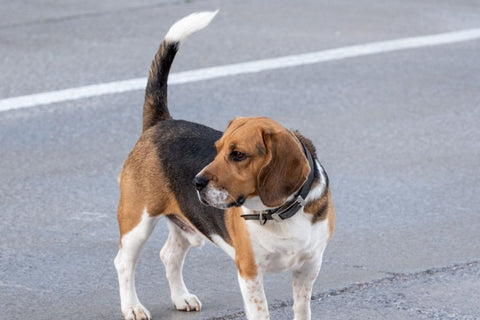
freedom fumble
Retractable Leashes: Freedom or Fumble?
Sep 03, 2026
bird gear
Best Chicken Coop Swing & Toy for Dogs: 2026 Guide
Sep 02, 2026
autumn paw
Autumn Paw Patrol: Stop Litter Tracks for Good
Sep 02, 2026
arms automatic
Tired Arms? Automatic Toys for Small Dogs That Actually Work
Sep 01, 2026
dog gear
Unleash Their Inner Athlete: Backyard Dog Agility Secrets
Sep 01, 2026
agility seesaw
Best Dog Agility Seesaw for Dogs: 2026 Guide
Aug 10, 2026
cat play
Dog-Proof Cat Play: Harmony in Your Shared Spaces
Aug 10, 2026
dog gear
Summer Dog Travel: for Stress-Free Adventures
Aug 10, 2026
anxious dog
Anxious Dog? : A Calming Bed That Actually Works
Jul 08, 2026
automatic cat feeder
Smart Automatic Pet Feeder vs. Gravity Feeder: Which is Best for Your Pet's Routine?
Jul 08, 2026
dog gear
Hiking with Your Dog: The Long Leash Dilemma Solved
Jul 08, 2026
mess solved
Paw Mess Solved
Jul 07, 2026
dog gear
Dog Eats Too Fast? Ragnor's Fix for Gulping & Bloat
Jul 07, 2026
beyond fetch
Summer Dog Games: Beyond Fetch
Jul 07, 2026
breathable dog car seat
Stay Cool on the Road: Top 5 Cooling Dog Car Seat Covers for Summer Adventures
Jul 07, 2026
invaders keep
Yard Invaders? How to Keep Stray Dogs Away (Kindly)
Jul 07, 2026
avoid drama
Clipping Dog Nails: Avoid the Drama & Do It Right
Jul 06, 2026
brachycephalic dog gear
Best No-Pull Harness for French Bulldogs: Comfort, Control & Style
Jul 06, 2026
bored dog
Bored Dog? Unleash Happiness with Vertical Play
Jul 06, 2026
clothes jackets
Best Dog Clothes & Jackets for Dogs: 2026 Guide
Jul 06, 2026
pet care gear
Best Portable Pet Water Bottle for Dogs: 2026 Guide
Jul 05, 2026
foes scratch
Furniture Foes: for Scratch-Proof Paws
Jul 05, 2026
best dog toys
The Ultimate Guide: Choosing Indestructible Dog Toys for Aggressive Chewers
Jul 05, 2026
dog gear
Unleash Their Inner Olympian: Home Agility for Any Dog
Jul 05, 2026
dog gear
Lost Dog Panic? GPS Trackers Actually Work. Here's How.
Jul 05, 2026
anxiety regular
Dog Anxiety: Why Regular Beds Aren't Enough
Jul 04, 2026
dog gear
Summer Dog Safety
Jul 04, 2026
automatic pet feeder
Smart Automatic Pet Feeder vs. Timed Feeder: Which is Best for Your Pet?
Jul 04, 2026
dog gear
Summer Walks: Give Your Dog Freedom (Safely!)
Jul 04, 2026
dog gear
Summer Frisbee Fun: A Dog's Guide to Outdoor Play
Jul 03, 2026
pet care gear
Summer Scratch Solutions
Jul 03, 2026
dog gear
Unleash Their Inner Olympian: DIY Dog Agility for Happy Paws
Jul 03, 2026
dog safety at night
Reflective Dog Leashes & Collars: Enhance Nighttime Safety
Jul 03, 2026
chews that
Problem solved: Chews that stand up to your power chewer
Jul 03, 2026
pet care gear
Summer Road Trips: Protect Your Car Seats
Jul 02, 2026
color what
Dog Pee Color: What It's Telling You (And What to Do)
Jul 02, 2026
dog gear
Summer Shedding: Stop the Dog Hair Avalanche!
Jul 02, 2026
automatic ball launcher for dogs
Choosing the Right Automatic Ball Launcher for Dogs: Endless Playtime
Jul 02, 2026
clipping dog
Clipping Dog Nails: Why It's Hard & What Truly Helps
Jul 02, 2026
dog gear
Dog Parkour? Elevate Their Chill
Jul 01, 2026
board dogs
Best Cat Scratching Post & Board for Cats: 2026 Guide
Jul 01, 2026
aggressive chewers
Top 5 Indestructible Dog Toys for Power Chewers: Built to Last
Jul 01, 2026