
box proven
cat gear
cat health
Why Your Cat Hates the Litter Box—And My Proven Fixes

⚡ Quick Answer
Cats refuse litter boxes due to underlying medical issues, inappropriate box conditions, or stress. Addressing health first, then optimizing litter type, box count, and placement, resolves most issues. Ensure you have one box per cat plus one extra, each measuring at least 15" L x 12" W x 6" H for adult cats. Explore solutions at FurryFable's Cat Litter collection.
If your cat suddenly stops using the litter box, the primary cause is almost always medical. Feline lower urinary tract disease (FLUTD), urinary tract infections (UTIs), kidney disease, diabetes, or arthritis can all cause inappropriate elimination. Once veterinary issues are ruled out, behavioral factors like litter type, box cleanliness, placement, number of boxes, or inter-cat aggression are the next considerations. Addressing these systematically, often starting with a veterinarian, is key to resolving the issue.
Quick Specs
| Parameter Category | Technical Specification and Safety Thresholds |
|---|---|
| Breed and Weight Fit | All domestic cat breeds, typically 6-25 lbs (2.7-11.3 kg) adult weight. Box dimensions must accommodate full body length plus 50% for comfortable turning. |
| Target Architecture | Open-top litter boxes for optimal ventilation preferred. Covered boxes require minimum 1.5x internal volume of cat to prevent odor buildup. Self-cleaning units must have quiet operation (<40 dB). |
| Material Hardness | Polypropylene or high-density polyethylene (HDPE) with Shore D hardness 60-70 for scratch resistance and easy cleaning. Mats with EVA foam Shore A 50-60 for softness and grip. |
| Fabric or Build Reinforcement | Litter boxes: seamless molded body to prevent leaks. Mats: double-layer honeycomb design with heat-sealed edges for durability and waterproof integrity. |
| Chemical Safety | Non-toxic, BPA-free, phthalate-free plastics for boxes. Litters: low-dust, fragrance-free, natural clumping agents (e.g., bentonite clay, corn, wood). |
| Price Spectrum | $20 to $500+ depending on manual, sifting, or automatic self-cleaning functionality. Mats typically $15 to $35. |
The Medical Baseline: Always Rule Out Health Issues First
Before changing anything in your home, schedule a full veterinary check-up. This step is non-negotiable. Many conditions manifest as inappropriate urination or defecation. Common medical causes include:- Urinary Tract Infections (UTIs): Inflammation and pain make urination uncomfortable, causing cats to associate the litter box with pain.
- Feline Lower Urinary Tract Disease (FLUTD): This umbrella term covers conditions like cystitis, bladder stones, or urethral obstruction. These are painful and can be life-threatening.
- Kidney Disease: Increased thirst and urination can lead to more frequent trips, sometimes overwhelming the cat's ability to reach the box in time.
- Diabetes: Similar to kidney disease, increased urine production can lead to accidents.
- Arthritis or Mobility Issues: Senior cats, or those with joint pain, may find it difficult to step into high-sided boxes or navigate stairs to reach a distant box.
- Gastrointestinal Issues: Diarrhea or constipation can cause discomfort and urgency, leading to accidents.
Environmental & Behavioral Factors: Why Your Cat Has Preferences
Cats are creatures of habit and possess highly sensitive olfactory systems. Their preferences for litter box conditions are specific. Ignoring these can lead to a cat refusing to use litter box.1. The Litter Box Itself: Size, Type, and Number
Size Matters: The box must be large enough for your cat to stand, turn around, and dig comfortably. A general rule is 1.5 times the length of your cat from nose to tail base. Many commercial litter boxes are too small. For an average 10 lb (4.5 kg) cat, a box measuring at least 20 inches L x 16 inches W x 6 inches H is often necessary. If the box is too small, the cat feels confined and may eliminate over the edge or avoid it entirely. Type of Box:- Open vs. Covered: Most cats prefer open-top boxes. Covered boxes trap odors and can make cats feel vulnerable or claustrophobic. If using a covered box, ensure it has ample ventilation and is cleaned more frequently.
- Liner Use: Some cats dislike liners, as their claws can get caught, or the liner can shift, creating an unstable surface. If you use liners, ensure they fit snugly and are durable.
- Entry Height: For kittens, senior cats, or those with arthritis, a low-entry box is essential. The entry lip should be no more than 4 inches high to allow easy access.
2. Litter Type: The Olfactory Experience
Cats have sensitive paws and noses. The wrong litter can be a significant deterrent. Texture: Most cats prefer fine-grained, soft litter. Clay litter is a common choice due to its texture. Avoid rough or crystal litters if your cat suddenly avoids the box. Scent: Fragranced litters are often marketed to mask odors for humans, but they are overwhelming and irritating for cats. Always opt for unscented litter. The strong perfumes can cause respiratory irritation and deter use. Dust: High-dust litters can irritate a cat's respiratory system and eyes. Choose low-dust or dust-free options. Quantity: Maintain 3-4 inches (7.5-10 cm) of litter. Too little makes digging difficult and exposes the box bottom quickly. Too much can be uncomfortable to walk through.3. Cleanliness: A Pristine Environment is Key
Cats are fastidious. A dirty litter box is the most common reason for inappropriate elimination. Scooping Frequency: Scoop at least once, preferably twice, daily. Feces and urine clumps left in the box create strong odors and limit clean space. Full Litter Change: Replace all litter and thoroughly wash the box with mild, unscented soap and water weekly, or every two weeks at minimum. Avoid harsh chemicals or strong-smelling cleaners, as residues can be off-putting.📐 The Olfactory Desensitization Index (ODI)
The Olfactory Desensitization Index (ODI) quantifies the rate at which a cat's highly sensitive olfactory receptors become overwhelmed by ammonia and other volatile organic compounds (VOCs) present in an unclean litter box. High ODI values indicate a cat's aversion threshold has been met or exceeded, leading to avoidance behavior.
ODI = (Ammonia Concentration × Time Unscooped)(Litter Depth × Ventilation Rate)
| Variable | Definition | Bad/Risky Scenario (High ODI) | Good/Safe Scenario (Low ODI) |
|---|---|---|---|
| Ammonia Concentration | Parts per million (ppm) of NH₃ | > 5 ppm (unscooped 24+ hours) | < 1 ppm (scooped twice daily) |
| Time Unscooped | Hours since last scooping | 24 hours | 12 hours |
| Litter Depth | Inches of litter | 1 inch | 4 inches |
| Ventilation Rate | Air changes per hour (ACH) | 1 ACH (covered box, small room) | 5 ACH (open box, well-ventilated area) |
A litter box left unscooped for 24 hours with inadequate litter and ventilation can generate an ODI value up to 10× higher than a properly maintained box, significantly increasing the likelihood of aversion.
4. Location, Location, Location: Privacy and Safety
Where you place the litter box profoundly impacts its usability. Privacy and Quiet: Cats prefer to eliminate in private, quiet areas where they feel safe. Avoid high-traffic areas, noisy appliances (like washing machines or furnaces), or places where they might be startled (e.g., near doors that open suddenly). Accessibility: The box must be easily accessible. Do not place it in a closet with a closed door, or in a remote basement if your cat spends most of its time upstairs. Separation: Do not place food and water bowls near the litter box. Cats instinctually avoid eating where they eliminate. Ensure at least 6 feet of separation.5. Stress and Anxiety: The Emotional Component
Cats are sensitive to changes in their environment. Stress can manifest as inappropriate elimination. Changes in Routine: A new pet, a new baby, moving to a new home, or even a change in your work schedule can stress a cat. Inter-Cat Aggression: If you have multiple cats, one might be ambushing another near the litter box, creating a negative association. Ensure multiple escape routes from each box. Environmental Enrichment: Boredom or lack of appropriate outlets for natural behaviors can cause stress. Provide scratching posts, climbing structures, and interactive toys. Consider options from FurryFable's interactive cat puzzle toys collection to keep them mentally stimulated.Proven Fixes: Ragnor's Step-by-Step Approach
Once medical issues are ruled out, implement these fixes systematically. 1. Veterinary Check-Up: This is the first and most critical step. Do not skip it. 2. Increase Litter Box Count: Apply the N+1 rule immediately. If you have one cat, provide two boxes. 3. Optimize Box Size and Type: Ensure boxes are large, open-top, and have low entry points if needed. Consider the "FurryFable Smart Automatic Self-Cleaning Cat Litter Box" which offers a spacious interior and maintains cleanliness. 4. Change Litter: Switch to a fine-grained, unscented, low-dust clay litter. If your cat tolerates other types, like corn or wood, ensure they are also unscented. Introduce new litter gradually by mixing it with the old over a week. 5. Intensify Cleaning Schedule: Scoop at least twice daily. Perform a full litter change and wash the box weekly. For maximum cleanliness, the "FurryFable Smart Automatic Self-Cleaning Cat Litter Box" automates waste removal, ensuring a consistently clean surface. 6. Strategic Placement: Relocate boxes to quiet, private, easily accessible areas. Avoid placing them near noisy appliances, high-traffic zones, or food/water bowls. Ensure multiple boxes are spread out, especially in multi-cat households. 7. Address Stressors: Identify and mitigate sources of stress. Provide vertical space, hiding spots, and regular play sessions to reduce anxiety. Feliway diffusers can sometimes help create a calming environment. 8. Clean Accidents Thoroughly: Use an enzymatic cleaner specifically designed for pet urine. This breaks down the urine crystals and eliminates the odor, preventing your cat from returning to the same spot. Standard cleaners often only mask the smell, which cats can still detect. 9. Make Accident Spots Undesirable: Temporarily place deterrents on previously soiled areas, such as crinkled aluminum foil, double-sided tape, or a small piece of plastic carpet runner (spiky side up).Why FurryFable's Cat Litter Solutions Are Ragnor's Picks
When selecting products for FurryFable, I prioritize functionality, safety, and feline-specific design. The goal is to create an environment that encourages appropriate litter box use and reduces stress for both cat and owner. The FurryFable Smart Automatic Self-Cleaning Cat Litter Box is Ragnor's pick for its robust engineering and user-centric design. It features a seamless molded body constructed from non-toxic, BPA-free, and phthalate-free ABS plastic, eliminating interior corner seams where waste can accumulate and odors can linger. The internal chamber measures 22 inches L x 18 inches W x 16 inches H, providing ample space for cats up to 25 lbs (11.3 kg) to turn and dig comfortably. Its silent operation, below 40 dB, ensures it does not startle sensitive cats, and the integrated waste drawer has a 2-gallon capacity, allowing for weekly waste disposal for a single cat. The automated raking system cycles waste within 5 minutes of detection, preventing odor buildup and ensuring a consistently fresh surface, which is critical for cats sensitive to soiled litter. For litter containment and tracking, the FurryFable Honeycomb Cat Litter Mat | Double-Layer, Waterproof, Non-Slip is Ragnor's selected choice. This mat is constructed from durable, non-toxic EVA foam with a Shore A hardness of 55, providing a soft yet resilient surface under a cat's paws. Its double-layer honeycomb design features 0.5-inch diameter apertures that effectively trap litter granules, preventing them from scattering across the floor. The waterproof bottom layer, heat-sealed at the edges, contains any liquid spills or accidents, protecting flooring. Measuring 24 inches L x 18 inches W x 0.5 inches H, it provides a substantial landing zone for cats exiting the litter box, significantly reducing litter tracking to under 5% of normal scatter.💡 Ragnor's Trainer Pro-Tip
"Implement 'The Scent Transfer Method' to re-establish positive associations. Gently take a small, pea-sized amount of your cat's urine or feces from an accident spot and place it in the clean litter box. This subtly cues the cat that the box is the appropriate place for elimination, leveraging their natural instinct to recognize their own scent and reinforce its use."
, Ragnor, Pet Trainer & Animal Behaviorist, FurryFable
Frequently Asked Questions
Why would a cat suddenly stop using the litter box?
A sudden change in litter box habits almost always indicates a medical issue such as a urinary tract infection, kidney disease, or arthritis. Schedule a veterinary visit immediately to rule out health problems before addressing behavioral causes. Once medical causes are excluded, factors like a dirty box, new litter type, or stress can be investigated.
How many litter boxes do I need for multiple cats?
The general rule is "N+1," meaning one litter box per cat plus one extra. For example, if you have two cats, you should provide three litter boxes. This ensures each cat has access to a clean box and reduces potential territorial disputes. Consider placing them in different locations throughout your home, possibly with different types of cat furniture for vertical space, to offer variety.
What kind of litter do cats prefer?
Most cats prefer fine-grained, unscented clay litter. The texture is soft on their paws, and the lack of fragrance avoids irritating their sensitive noses. Avoid strong scents, dust, or very coarse textures, as these are common deterrents. If you need to switch litter, do so gradually over several days.
How often should I clean the litter box?
Litter boxes should be scooped at least once daily, preferably twice. The entire litter should be replaced, and the box thoroughly washed with mild, unscented soap and water weekly. For automatic options, like the FurryFable Smart Automatic Self-Cleaning Cat Litter Box, the waste drawer typically needs emptying every 3-7 days depending on the number of cats.
Can stress cause a cat to avoid the litter box?
Yes, stress and anxiety are significant behavioral causes for inappropriate elimination. Changes in the home environment, such as a new pet, moving, or even loud noises, can upset a cat's routine. Providing a consistent schedule, safe hiding spots, and engaging cat toys can help alleviate stress.
FurryFable Recommendations
 FurryFable Smart Automatic Self-Cleaning Cat Litter Box
 FurryFable Honeycomb Cat Litter Mat | Double-Layer, Waterproof, Non-Slip
★★★★★ 4.98 (42)
Save 34%$21.20 Shop Now
✓ Free USA Shipping✓ Fast Delivery✓ Secure Checkout✓ 100% Satisfaction
R
Ragnor
Pet Trainer & Animal Behaviorist
Ragnor is a certified pet trainer and animal behaviorist with over 10 years of experience helping dog and cat owners across North America find the right gear for their pets' specific breed needs and health conditions. Every recommendation on FurryFable is selected for safety, fit, and breed compatibility.
If you found this helpful, also read: covered vs open litter box.
If you found this helpful, also read: interactive cat puzzle toys.
If you found this helpful, also read: automatic pet feeders for cats.
You Might Also Like

calming vest
Best Dog Anxiety Vest for Dogs: 2026 Guide
Sep 17, 2026
dog gear
Best Dog Puzzle Toy for Dogs: 2026 Guide
Sep 12, 2026
destroys toys
Why Your Dog Destroys Toys — & How to Finally Stop It
Sep 05, 2026
autumn puppy
Autumn Puppy Potty Training
Sep 05, 2026
collar leash
Best Dog Collar & Leash Set for Dogs: 2026 Guide
Sep 04, 2026
autumn dog
Autumn Dog Nail Care: Ditching the Drama & Embracing Healthy Paws
Sep 04, 2026
autumn dog
Autumn Dog Beds: Why Your Pup Still Gets Hot & How to Fix It
Sep 03, 2026
freedom fumble
Retractable Leashes: Freedom or Fumble?
Sep 03, 2026
bird gear
Best Chicken Coop Swing & Toy for Dogs: 2026 Guide
Sep 02, 2026
autumn paw
Autumn Paw Patrol: Stop Litter Tracks for Good
Sep 02, 2026
arms automatic
Tired Arms? Automatic Toys for Small Dogs That Actually Work
Sep 01, 2026
dog gear
Unleash Their Inner Athlete: Backyard Dog Agility Secrets
Sep 01, 2026
agility seesaw
Best Dog Agility Seesaw for Dogs: 2026 Guide
Aug 10, 2026
cat play
Dog-Proof Cat Play: Harmony in Your Shared Spaces
Aug 10, 2026
dog gear
Summer Dog Travel: for Stress-Free Adventures
Aug 10, 2026
anxious dog
Anxious Dog? : A Calming Bed That Actually Works
Jul 08, 2026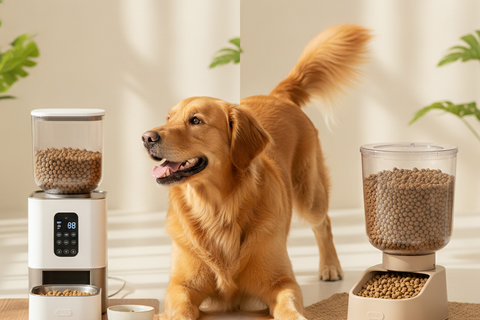
automatic cat feeder
Smart Automatic Pet Feeder vs. Gravity Feeder: Which is Best for Your Pet's Routine?
Jul 08, 2026
dog gear
Hiking with Your Dog: The Long Leash Dilemma Solved
Jul 08, 2026
mess solved
Paw Mess Solved
Jul 07, 2026
dog gear
Dog Eats Too Fast? Ragnor's Fix for Gulping & Bloat
Jul 07, 2026
beyond fetch
Summer Dog Games: Beyond Fetch
Jul 07, 2026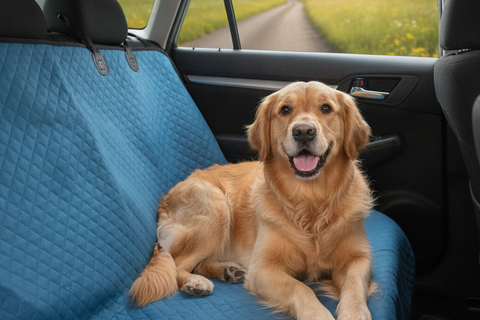
breathable dog car seat
Stay Cool on the Road: Top 5 Cooling Dog Car Seat Covers for Summer Adventures
Jul 07, 2026
invaders keep
Yard Invaders? How to Keep Stray Dogs Away (Kindly)
Jul 07, 2026
avoid drama
Clipping Dog Nails: Avoid the Drama & Do It Right
Jul 06, 2026
brachycephalic dog gear
Best No-Pull Harness for French Bulldogs: Comfort, Control & Style
Jul 06, 2026
bored dog
Bored Dog? Unleash Happiness with Vertical Play
Jul 06, 2026
clothes jackets
Best Dog Clothes & Jackets for Dogs: 2026 Guide
Jul 06, 2026
pet care gear
Best Portable Pet Water Bottle for Dogs: 2026 Guide
Jul 05, 2026
foes scratch
Furniture Foes: for Scratch-Proof Paws
Jul 05, 2026
best dog toys
The Ultimate Guide: Choosing Indestructible Dog Toys for Aggressive Chewers
Jul 05, 2026
dog gear
Unleash Their Inner Olympian: Home Agility for Any Dog
Jul 05, 2026
dog gear
Lost Dog Panic? GPS Trackers Actually Work. Here's How.
Jul 05, 2026
anxiety regular
Dog Anxiety: Why Regular Beds Aren't Enough
Jul 04, 2026
dog gear
Summer Dog Safety
Jul 04, 2026
automatic pet feeder
Smart Automatic Pet Feeder vs. Timed Feeder: Which is Best for Your Pet?
Jul 04, 2026
dog gear
Summer Walks: Give Your Dog Freedom (Safely!)
Jul 04, 2026
dog gear
Summer Frisbee Fun: A Dog's Guide to Outdoor Play
Jul 03, 2026
pet care gear
Summer Scratch Solutions
Jul 03, 2026
dog gear
Unleash Their Inner Olympian: DIY Dog Agility for Happy Paws
Jul 03, 2026
dog safety at night
Reflective Dog Leashes & Collars: Enhance Nighttime Safety
Jul 03, 2026
chews that
Problem solved: Chews that stand up to your power chewer
Jul 03, 2026
dog gear
Potty Training a Puppy? Why Litter Boxes Are a Bad Idea
Jul 02, 2026
pet care gear
Summer Road Trips: Protect Your Car Seats
Jul 02, 2026
color what
Dog Pee Color: What It's Telling You (And What to Do)
Jul 02, 2026
dog gear
Summer Shedding: Stop the Dog Hair Avalanche!
Jul 02, 2026
automatic ball launcher for dogs
Choosing the Right Automatic Ball Launcher for Dogs: Endless Playtime
Jul 02, 2026
clipping dog
Clipping Dog Nails: Why It's Hard & What Truly Helps
Jul 02, 2026
dog gear
Dog Parkour? Elevate Their Chill
Jul 01, 2026
board dogs
Best Cat Scratching Post & Board for Cats: 2026 Guide
Jul 01, 2026
aggressive chewers
Top 5 Indestructible Dog Toys for Power Chewers: Built to Last
Jul 01, 2026