

French Bulldogs are charming companions, but their unique brachycephalic (flat-faced) anatomy means they require specialized gear for walks. Traditional collars can pose significant health risks, making a no-pull harness an essential item for their comfort and safety. This guide will help you navigate the options to find the best no-pull harness for your French Bulldog, ensuring enjoyable and healthy outings.
The best no-pull harness for a French Bulldog is typically a Y-shaped, front-clip harness with multiple adjustment points and broad, padded straps. This design distributes pressure evenly across the chest and shoulders, preventing strain on their delicate neck and compromised airways, which is crucial for brachycephalic breeds. It also offers enhanced control, gently redirecting your Frenchie without causing discomfort or exacerbating breathing difficulties.
Why a No-Pull Harness is Crucial for French Bulldogs
French Bulldogs possess a distinctive physique characterized by a broad chest, thick neck, and a shortened snout, which defines them as a brachycephalic breed. This unique anatomy makes them particularly susceptible to respiratory issues, such as Brachycephalic Obstructive Airway Syndrome (BOAS), where narrowed airways can make breathing difficult. Consequently, using a traditional collar can exacerbate these problems by placing direct pressure on the trachea and throat, potentially leading to discomfort, coughing, gagging, or even long-term injury.
A no-pull harness, specifically designed for breeds like French Bulldogs, offers a safer alternative. These harnesses typically feature a front leash attachment point that gently redirects your dog's forward momentum when they pull, encouraging them to walk calmly by your side. This design ensures that pressure is distributed across the dog's chest and shoulders rather than concentrating it on their sensitive neck and throat area. The improved control not only makes walks more enjoyable for both you and your Frenchie but also reduces the risk of neck and spinal injuries.
Understanding French Bulldog Anatomy and Harness Fit
The unique body shape of a French Bulldog necessitates careful consideration when selecting a harness. Their stout build, larger head, and barrel-shaped chest mean that many standard harnesses may not fit correctly. An improperly fitted harness can lead to chafing, skin irritation, restricted movement, and even more serious health issues.
When choosing a harness, look for designs with multiple points of adjustment around the neck, chest, and girth. This adjustability is crucial for achieving a snug yet comfortable fit that accommodates their specific proportions. A Y-shaped front-clip harness is often recommended for brachycephalic breeds as it keeps all pressure off their sensitive throat and airway, allowing for better airflow and natural shoulder movement.
What Are the Key Features of an Excellent No-Pull Harness for French Bulldogs?
Selecting the right walking aid for your Frenchie goes beyond just preventing pulling; it's about optimizing their comfort and safeguarding their health. Here are the essential features to prioritize:
Front-Clip Leash Attachment
A front-clip design is paramount for no-pull functionality. When the leash is attached to a D-ring on the chest, any pulling by your French Bulldog causes them to be gently redirected to the side, interrupting their forward momentum. This redirection discourages pulling behavior without causing discomfort or applying pressure to their neck, making it an effective training tool for loose-leash walking.
Y-Shaped Chest Design
A harness with a Y-shaped design across the chest is ideal for French Bulldogs. This specific shape ensures that the straps sit comfortably around their shoulders and chest, avoiding pressure on their delicate throat and allowing for unrestricted movement of their front legs and shoulders. This is especially important for brachycephalic breeds, as it helps prevent further compromise to their already shortened airways.
Multiple Adjustment Points
Given the distinctive and often stocky build of French Bulldogs, a harness with at least four to five adjustment points is critical. These typically include adjustments around the neck, girth, and chest. This allows for a customized fit that prevents chafing, ensures the harness is secure enough to prevent escapes, and avoids restricting breathing or movement. An adult French Bulldog typically weighs between 16 and 28 pounds, with neck sizes ranging from 12 to 16 inches, making precise adjustability essential.
Padded and Breathable Materials
Comfort is key, especially for a breed prone to overheating. Look for harnesses made from soft, breathable materials like mesh or neoprene, often with extra padding on the chest and straps. These materials help prevent skin irritation, chafing, and ensure adequate airflow, which is vital for French Bulldogs during walks, particularly in warmer climates.
Durable and Lightweight Construction
While French Bulldogs are not large dogs, they are powerful and muscular. A harness made from durable, high-quality webbing and sturdy hardware will withstand regular use. However, it should also be lightweight to avoid adding unnecessary bulk or heat, contributing to overall comfort.
Top No-Pull Harnesses for French Bulldogs
Based on our criteria for comfort, safety, and effectiveness for French Bulldogs, here are some top recommendations:
- The Ergonomic Front-Clip Harness: This type features a broad, padded chest plate and a front D-ring. Its design prioritizes even pressure distribution, which is crucial for Frenchies. Many models also include a back clip for versatility once loose-leash walking is established.
- The Y-Shape Adventure Harness: Known for its exceptional fit for brachycephalic breeds, this harness ensures no pressure on the throat or shoulders. It often comes with reflective stitching for visibility during evening walks and durable, weather-resistant materials for outdoor adventures. You can find excellent options in our Harness & Leash collection.
- The Lightweight Mesh Vest Harness: Ideal for warmer climates or French Bulldogs who prefer a lighter feel, these harnesses are typically made from breathable mesh fabric with soft edges. They often feature a step-in design for easy application and multiple adjustment points for a snug fit.
How to Properly Fit a No-Pull Harness on Your French Bulldog
A correctly fitted harness is paramount for both effectiveness and your French Bulldog's well-being. An ill-fitting harness can be uncomfortable, ineffective at preventing pulling, or even cause injury.
- Measure Your Frenchie: Before purchasing, measure your French Bulldog's neck circumference (at the widest part, just above the shoulders) and chest girth (around the deepest part of their rib cage). Compare these measurements to the manufacturer's sizing chart. French Bulldogs typically have a neck circumference between 12 and 16 inches and generally weigh between 16-28 lbs.
- Adjust for Snugness: Once the harness is on, you should be able to comfortably slip two fingers between the straps and your dog's body. The harness should be snug enough that your Frenchie cannot easily back out of it, but not so tight that it restricts breathing or movement.
- Check for Clearance: Ensure the straps around the armpits do not rub or chafe, especially during movement. The front chest strap should sit low enough that it doesn't press against their throat.
- Observe Movement: Take your Frenchie for a short walk after fitting. Observe their gait and comfort level. There should be no signs of discomfort, rubbing, or restricted movement.
Training Your French Bulldog with a No-Pull Harness
While a no-pull harness is an excellent tool, it works best in conjunction with positive reinforcement training. French Bulldogs are intelligent but can be stubborn, so consistency and patience are key.
- Start Early: Introduce the harness during puppyhood to create positive associations.
- Positive Reinforcement: Reward loose-leash walking with treats, praise, and affection. Stop walking immediately if your Frenchie pulls, and only resume when the leash is slack. This teaches them that pulling stops forward progress, while a loose leash allows them to continue exploring.
- Short, Fun Sessions: Keep training sessions brief and enjoyable to maintain your Frenchie's engagement.
- "Watch Me" Command: Teach your Frenchie to make eye contact on command to help redirect their focus from distractions.
For more advanced training tips and to keep your Frenchie engaged, explore our guide on Best Dog Toys: The Complete Guide by Size, Breed and Play Style, which can provide additional tools for positive reinforcement.
Common Mistakes to Avoid When Using a Harness
Even with the best intentions, pet parents can sometimes make mistakes that undermine the effectiveness or comfort of a no-pull harness.
- Incorrect Sizing: A harness that is too loose can allow your Frenchie to slip out, posing a safety risk. One that is too tight can cause discomfort, chafing, and restrict breathing, particularly for brachycephalic dogs. Always measure accurately and refer to sizing guides.
- Leaving the Harness on for Too Long: While harnesses are generally comfortable, prolonged wear can sometimes lead to skin irritation or matting, especially in the armpit area. It's best to remove the harness when your Frenchie is not on a walk or supervised.
- Relying Solely on the Harness: A no-pull harness is a powerful training aid, but it's not a magic solution. Consistent positive reinforcement training is still necessary to teach your French Bulldog proper leash manners.
- Ignoring Chafing or Discomfort: Regularly check your Frenchie's skin for any signs of redness, irritation, or hair loss where the harness sits. If you notice any, re-adjust the fit or consider a different harness style or material.
Harness vs. Collar for French Bulldogs: The Expert Consensus
The debate between harnesses and collars for dogs is ongoing, but for French Bulldogs, the veterinary and training communities overwhelmingly recommend harnesses for walks.
Collars: While useful for identification tags, collars can put dangerous pressure on a French Bulldog's sensitive trachea and neck, potentially leading to breathing difficulties, tracheal collapse, or even eye prolapse due to increased pressure. The American Veterinary Medical Association (AVMA) emphasizes the health concerns associated with brachycephalic breeds, further supporting the use of harnesses to protect their airways. For car travel, the ASPCA recommends using a harness attached to a safety belt to disperse resistance over the dog's chest rather than their neck in case of an incident.
Harnesses: A well-fitted harness distributes pressure across the chest and shoulders, minimizing strain on the neck and spine. This is particularly beneficial for French Bulldogs, who are prone to respiratory issues and can experience increased breathing effort with neck pressure. Harnesses offer better control, making walks safer and more comfortable for both dog and owner.
For identification purposes, a lightweight, flat collar can be worn with tags, but a harness should always be used for leash attachment during walks. Consider pairing your Frenchie's harness with a reflective dog harness for enhanced visibility during night walks, adding another layer of safety.
Explore FurryFable's Harness & Leash Collection
At FurryFable, we understand the unique needs of French Bulldogs. Our curated collection of harnesses and leashes is designed with their comfort and safety in mind, offering a range of no-pull options that prioritize ergonomic design, breathable materials, and adjustability. Whether you're looking for a harness for daily walks, training, or outdoor adventures, you'll find premium solutions that cater to your Frenchie's specific requirements. We also offer other essential pet outdoor supplies to make every outing a joyful and safe experience.
Why We Chose These for FurryFable
When curating our selection of no-pull harnesses for French Bulldogs at FurryFable.com, we meticulously evaluated each product against a stringent set of criteria tailored to this unique breed. Our primary focus was on harnesses that offer a true Y-shaped front-clip design, as this anatomical fit is non-negotiable for brachycephalic dogs to prevent pressure on their sensitive tracheas and allow for optimal breathing. We specifically sought out harnesses with multiple, easily adjustable straps around the neck, chest, and girth, recognizing the French Bulldog's distinctive stocky build and the variability in individual measurements. We prioritized materials that are both durable for longevity and soft, breathable, and padded to prevent chafing and overheating, a common concern for flat-faced breeds. Furthermore, we considered harnesses that integrate reflective elements for enhanced safety during low-light conditions, aligning with our commitment to pet parents' peace of mind. We carefully excluded any harnesses that relied on punitive mechanisms or designs that could restrict natural movement, instead favoring those that facilitate positive reinforcement training. Each chosen harness reflects our dedication to providing premium, vet-approved solutions that genuinely enhance the comfort, safety, and overall well-being of your beloved French Bulldog.
Frequently Asked Questions
Is a no-pull harness really necessary for a French Bulldog?
Yes, a no-pull harness is highly recommended for French Bulldogs due to their brachycephalic (flat-faced) anatomy, which makes them prone to respiratory issues. Traditional collars can put dangerous pressure on their throat, exacerbating breathing difficulties, while a no-pull harness distributes pressure safely across the chest.
What kind of harness is best for a French Bulldog?
The best harness for a French Bulldog is typically a Y-shaped, front-clip harness. This design avoids pressure on their sensitive throat and allows for natural shoulder movement, while the front leash attachment gently redirects them if they pull, promoting loose-leash walking.
How do I know what size harness to buy for my French Bulldog?
To determine the correct harness size, measure your French Bulldog's neck circumference (at the widest part) and chest girth (around the deepest part of the rib cage). Compare these measurements to the manufacturer's specific sizing chart. Ensure the harness has multiple adjustment points for a snug, comfortable fit where you can fit two fingers between the straps and their body.
Can a no-pull harness hurt my French Bulldog?
When properly fitted, a no-pull harness is safe and designed to prevent discomfort. It distributes pressure evenly across the chest and shoulders, avoiding the neck and throat area. An improperly fitted harness, however, can cause chafing or restrict movement, so correct sizing and adjustment are crucial.
How do no-pull harnesses work to stop pulling?
No-pull harnesses work by featuring a leash attachment point on the dog's chest. When your French Bulldog attempts to pull forward, the leash applies gentle pressure to their chest, causing them to turn to the side rather than continuing straight ahead. This redirection disrupts their forward momentum, making pulling less rewarding and encouraging them to walk calmly by your side.
You Might Also Like

calming vest
Best Dog Anxiety Vest for Dogs: 2026 Guide
Sep 17, 2026
dog gear
Best Dog Puzzle Toy for Dogs: 2026 Guide
Sep 12, 2026
destroys toys
Why Your Dog Destroys Toys — & How to Finally Stop It
Sep 05, 2026
autumn puppy
Autumn Puppy Potty Training
Sep 05, 2026
collar leash
Best Dog Collar & Leash Set for Dogs: 2026 Guide
Sep 04, 2026
autumn dog
Autumn Dog Nail Care: Ditching the Drama & Embracing Healthy Paws
Sep 04, 2026
autumn dog
Autumn Dog Beds: Why Your Pup Still Gets Hot & How to Fix It
Sep 03, 2026
freedom fumble
Retractable Leashes: Freedom or Fumble?
Sep 03, 2026
bird gear
Best Chicken Coop Swing & Toy for Dogs: 2026 Guide
Sep 02, 2026
autumn paw
Autumn Paw Patrol: Stop Litter Tracks for Good
Sep 02, 2026
arms automatic
Tired Arms? Automatic Toys for Small Dogs That Actually Work
Sep 01, 2026
dog gear
Unleash Their Inner Athlete: Backyard Dog Agility Secrets
Sep 01, 2026
agility seesaw
Best Dog Agility Seesaw for Dogs: 2026 Guide
Aug 10, 2026
cat play
Dog-Proof Cat Play: Harmony in Your Shared Spaces
Aug 10, 2026
dog gear
Summer Dog Travel: for Stress-Free Adventures
Aug 10, 2026
anxious dog
Anxious Dog? : A Calming Bed That Actually Works
Jul 08, 2026
automatic cat feeder
Smart Automatic Pet Feeder vs. Gravity Feeder: Which is Best for Your Pet's Routine?
Jul 08, 2026
dog gear
Hiking with Your Dog: The Long Leash Dilemma Solved
Jul 08, 2026
mess solved
Paw Mess Solved
Jul 07, 2026
dog gear
Dog Eats Too Fast? Ragnor's Fix for Gulping & Bloat
Jul 07, 2026
beyond fetch
Summer Dog Games: Beyond Fetch
Jul 07, 2026
breathable dog car seat
Stay Cool on the Road: Top 5 Cooling Dog Car Seat Covers for Summer Adventures
Jul 07, 2026
invaders keep
Yard Invaders? How to Keep Stray Dogs Away (Kindly)
Jul 07, 2026
avoid drama
Clipping Dog Nails: Avoid the Drama & Do It Right
Jul 06, 2026
brachycephalic dog gear
Best No-Pull Harness for French Bulldogs: Comfort, Control & Style
Jul 06, 2026
bored dog
Bored Dog? Unleash Happiness with Vertical Play
Jul 06, 2026
clothes jackets
Best Dog Clothes & Jackets for Dogs: 2026 Guide
Jul 06, 2026
pet care gear
Best Portable Pet Water Bottle for Dogs: 2026 Guide
Jul 05, 2026
foes scratch
Furniture Foes: for Scratch-Proof Paws
Jul 05, 2026
best dog toys
The Ultimate Guide: Choosing Indestructible Dog Toys for Aggressive Chewers
Jul 05, 2026
dog gear
Unleash Their Inner Olympian: Home Agility for Any Dog
Jul 05, 2026
dog gear
Lost Dog Panic? GPS Trackers Actually Work. Here's How.
Jul 05, 2026
anxiety regular
Dog Anxiety: Why Regular Beds Aren't Enough
Jul 04, 2026
dog gear
Summer Dog Safety
Jul 04, 2026
automatic pet feeder
Smart Automatic Pet Feeder vs. Timed Feeder: Which is Best for Your Pet?
Jul 04, 2026
dog gear
Summer Walks: Give Your Dog Freedom (Safely!)
Jul 04, 2026
dog gear
Summer Frisbee Fun: A Dog's Guide to Outdoor Play
Jul 03, 2026
pet care gear
Summer Scratch Solutions
Jul 03, 2026
dog gear
Unleash Their Inner Olympian: DIY Dog Agility for Happy Paws
Jul 03, 2026
dog safety at night
Reflective Dog Leashes & Collars: Enhance Nighttime Safety
Jul 03, 2026
chews that
Problem solved: Chews that stand up to your power chewer
Jul 03, 2026
dog gear
Potty Training a Puppy? Why Litter Boxes Are a Bad Idea
Jul 02, 2026
pet care gear
Summer Road Trips: Protect Your Car Seats
Jul 02, 2026
color what
Dog Pee Color: What It's Telling You (And What to Do)
Jul 02, 2026
dog gear
Summer Shedding: Stop the Dog Hair Avalanche!
Jul 02, 2026
automatic ball launcher for dogs
Choosing the Right Automatic Ball Launcher for Dogs: Endless Playtime
Jul 02, 2026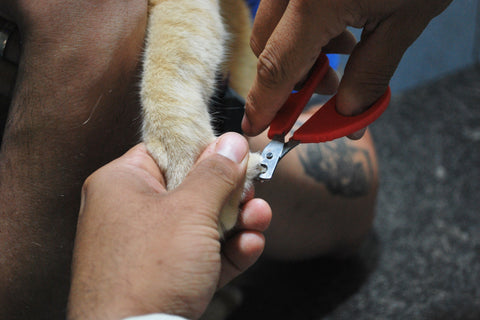
clipping dog
Clipping Dog Nails: Why It's Hard & What Truly Helps
Jul 02, 2026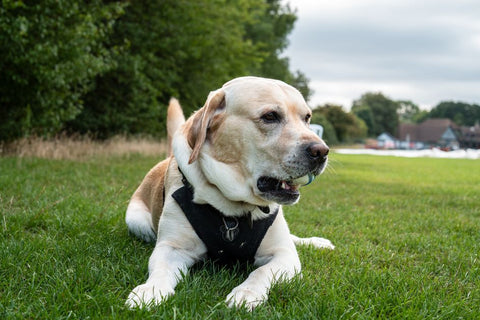
dog gear
Dog Parkour? Elevate Their Chill
Jul 01, 2026
board dogs
Best Cat Scratching Post & Board for Cats: 2026 Guide
Jul 01, 2026
aggressive chewers
Top 5 Indestructible Dog Toys for Power Chewers: Built to Last
Jul 01, 2026