
chicken
furryfable
pet care
Chicken Swing Set: How to Delight Your Flock (No Stress!)

Chickens are naturally curious and active creatures, constantly scratching, foraging, and exploring their surroundings. When confined to a coop or a limited run, particularly during colder months, this innate drive for activity can be stifled, leading to boredom. Unstimulated chickens often develop problematic behaviors such as feather pecking, bullying, aggression, and even egg eating. These behaviors not only indicate unhappiness but can also lead to injuries, stress, and reduced egg production within your flock. providing enrichment, like a chicken swing, offers a simple yet effective solution to combat boredom and promote a more harmonious, active, and healthy flock.
To set up a chicken swing, choose a sturdy, non-splintering perch material between 18 to 24 inches long with a diameter of 1 to 2 inches, such as a sanded branch or a 2x4 board. Attach strong rope (at least ½ inch thick) securely to both ends, either by tying robust knots or drilling holes and threading the rope through. Hang the swing in your coop or run, ensuring the perch is 18 to 42 inches off the ground, high enough to prevent chickens from being hit by the swing's recoil but accessible for your flock's breed size. Introduce the swing when chickens are young for quicker adoption, or encourage adult birds with treats.
The Hidden Costs of a Bored Flock
Many chicken keepers underestimate the intelligence and emotional capacity of their birds. Chickens, much like other animals, can experience boredom, which is an unpleasant emotional state resulting from an unfulfilled desire for stimulating experiences. When chickens lack adequate mental and physical stimulation, the consequences extend beyond mere idleness. You might observe an increase in feather pecking, where hens aggressively pull out each other's feathers, sometimes leading to raw skin and injury. This can escalate to bullying, with dominant hens preventing lower-ranking birds from accessing food, water, or prime roosting spots. Constant squawking, pacing, or even destructive behaviors like pecking at coop equipment are all indicators that your flock needs more to do. Furthermore, stress from boredom can weaken immune systems and negatively impact egg production. For breeds like the Rhode Island Red, known for its consistent laying, a decline in egg output could signal underlying stress due to an unstimulating environment. Providing engaging activities helps to reduce these undesirable behaviors, fostering a calmer and more productive flock.
Choosing the Right Chicken Swing: Safety and Design
When considering a chicken swing, material safety and structural integrity are paramount. Avoid swings made from flimsy plastics or treated woods that could splinter or leach harmful chemicals. Instead, opt for natural, untreated wood like a well-sanded branch or a sturdy 2x4 piece of lumber. The perch itself should be between 18 and 24 inches long and have a diameter of 1 to 2 inches, allowing chickens to comfortably grip it with their toes without undue pressure. A flat, wider surface, like a 2x4 laid flat, is often preferred, especially for heavier breeds like Orpingtons, as it distributes their weight more evenly and prevents foot issues. For hanging the swing, use strong, durable rope, at least ½ inch thick, that won't fray easily. Avoid thin strings or wires, as these can pose entanglement risks. The attachment points to the swing should be secure; drilling holes through the perch and threading the rope, then tying robust stopper knots, creates a stable connection. Alternatively, using lag screws with eyes and S-hooks can provide a secure attachment while allowing for some flexibility in movement.
Chicken Swing Set: How to Set Up for Optimal Delight
Successfully introducing a chicken swing to your flock involves thoughtful placement and a bit of patience.
Placement and Height Considerations
The ideal height for a chicken swing varies by breed. For instance, lighter, more agile breeds like Leghorns might comfortably jump onto a swing hung 4 to 5 feet high, while heavier breeds such as Brahmas or Orpingtons will require a lower perch, around 2 to 3 feet off the ground. A good general range for the bottom of the swing is 18 to 42 inches off the ground. This height prevents the swing from hitting other chickens when one hops off, a common issue if the swing is too low. If you have multiple breeds, consider installing swings at varying heights or choosing a height that accommodates your heaviest birds. Ensure there’s enough clearance around the swing so chickens won't hit coop walls or other structures during their enthusiastic swinging.
Installation Steps
1. Select Your Location: Choose a spot in the coop or run that offers enough open space for the swing to move freely without obstruction. Ensure it's not directly above feeders or waterers, to maintain hygiene. 2. Prepare the Perch: If using a natural branch, ensure it's free of sharp edges or splinters. If using lumber, sand down any rough spots. 3. Attach the Ropes: Cut two lengths of sturdy rope, long enough to reach your desired hanging point with extra for knots. For added stability, drill two holes (slightly larger than your rope's diameter) near each end of the perch, about 1 inch from the edge. Thread one rope through each pair of holes and secure it underneath with a strong knot. 4. Hang the Swing: Attach the ropes securely to a sturdy beam or support in your coop or run. Use strong knots that won't slip. Carabiners or snap hooks can be used for easy removal if needed. Ensure the swing is level and stable. 5. Initial Introduction: For adult birds, it might take some time for them to investigate and trust the new addition. You can encourage them by scattering treats on or around the swing, or even hanging a head of cabbage nearby to pique their interest. Chicks tend to adapt more quickly to swings, so introducing one early can lead to greater adoption.
Why We Chose These for FurryFable
At FurryFable.com, we prioritize pet products that genuinely enhance an animal's well-being through safe, durable, and stimulating design. Our selection criteria for pet toys, including potential chicken swings, focus on natural behaviors and robust construction. For instance, the principles behind our FurryFable Indestructible Dog Chew Toy for Aggressive Chewers—durability and engagement for instinctual actions—are directly applicable. We seek materials that withstand consistent use and are free from toxins, mirroring the need for non-splintering, untreated wood in a chicken swing. Similarly, the interactive nature of our FurryFable Interactive LED Mouse Cat Toy highlights our commitment to products that provide mental and physical stimulation, a crucial element for preventing boredom-related issues in chickens. You can find many other toys for various pets in our dog toys and cat toys collections, all chosen with the same high standards. A well-designed chicken swing offers a dynamic perch that encourages exercise, improves balance, and provides mental engagement, all of which contribute to a happier, healthier flock. It's an investment in your chickens' welfare that pays dividends in reduced stress and a more vibrant coop environment. Consider adding a chicken swing to your coop today and observe the positive transformation in your flock's behavior. For more innovative ways to enrich your pets' lives, explore our full range of products at FurryFable.com/collections/pet-toys.
Frequently Asked Questions
Do all chickens use a chicken swing?
Not all chickens will immediately take to a swing. Younger birds tend to be more adventurous and will often adopt it quicker. Some adult chickens may need encouragement with treats placed on or near the swing, or it may simply take time for them to investigate and feel comfortable using it.
What is the best material for a chicken swing perch?
The best material for a chicken swing perch is untreated wood, such as a sturdy, sanded branch or a 2x4 piece of lumber. This provides a natural, grippy surface that is comfortable for their feet and free from splinters or harmful chemicals. The perch should be 1 to 2 inches in diameter.
How high should a chicken swing be from the ground?
A chicken swing should generally be hung between 18 to 42 inches (about 45 to 107 cm) off the ground. This height allows chickens to comfortably hop on and off while preventing the swing from hitting other birds when in motion. Heavier breeds may require a lower height, around 2 to 3 feet.
How do chicken swings help reduce boredom?
Chicken swings provide mental and physical stimulation, encouraging chickens to jump, balance, and interact with a novel object. This enrichment helps alleviate boredom-related behaviors such as feather pecking, aggression, and pacing, promoting a more active and harmonious flock.
Can a chicken swing be used in both the coop and the run?
Yes, a chicken swing can be installed in both the coop and the outdoor run, provided there is adequate space for it to move freely. Placing it in the run offers outdoor enrichment, while a swing in the coop can be particularly beneficial during winter or periods of confinement to prevent boredom.
R
Ragnor Pet Trainer & Animal Behaviorist
Ragnor is a certified pet trainer and animal behaviorist with over 10 years of experience helping dog and cat owners across North America find the right gear for their pets' specific breed needs and health conditions.
FurryFable Recommendations
 FurryFable Premium Chicken Swing Set – Coop Perch & Ladder
★★★★★ 4.78 (18)
Save 34%$199.00 Shop Now
✓ Free USA Shipping✓ Fast Delivery✓ Secure Checkout✓ 100% Satisfaction
If you found this helpful, also read: interactive dog toys.
You Might Also Like

calming vest
Best Dog Anxiety Vest for Dogs: 2026 Guide
Sep 17, 2026
dog gear
Best Dog Puzzle Toy for Dogs: 2026 Guide
Sep 12, 2026
destroys toys
Why Your Dog Destroys Toys — & How to Finally Stop It
Sep 05, 2026
autumn puppy
Autumn Puppy Potty Training
Sep 05, 2026
collar leash
Best Dog Collar & Leash Set for Dogs: 2026 Guide
Sep 04, 2026
autumn dog
Autumn Dog Nail Care: Ditching the Drama & Embracing Healthy Paws
Sep 04, 2026
autumn dog
Autumn Dog Beds: Why Your Pup Still Gets Hot & How to Fix It
Sep 03, 2026
freedom fumble
Retractable Leashes: Freedom or Fumble?
Sep 03, 2026
bird gear
Best Chicken Coop Swing & Toy for Dogs: 2026 Guide
Sep 02, 2026
autumn paw
Autumn Paw Patrol: Stop Litter Tracks for Good
Sep 02, 2026
arms automatic
Tired Arms? Automatic Toys for Small Dogs That Actually Work
Sep 01, 2026
dog gear
Unleash Their Inner Athlete: Backyard Dog Agility Secrets
Sep 01, 2026
agility seesaw
Best Dog Agility Seesaw for Dogs: 2026 Guide
Aug 10, 2026
cat play
Dog-Proof Cat Play: Harmony in Your Shared Spaces
Aug 10, 2026
dog gear
Summer Dog Travel: for Stress-Free Adventures
Aug 10, 2026
anxious dog
Anxious Dog? : A Calming Bed That Actually Works
Jul 08, 2026
automatic cat feeder
Smart Automatic Pet Feeder vs. Gravity Feeder: Which is Best for Your Pet's Routine?
Jul 08, 2026
dog gear
Hiking with Your Dog: The Long Leash Dilemma Solved
Jul 08, 2026
mess solved
Paw Mess Solved
Jul 07, 2026
dog gear
Dog Eats Too Fast? Ragnor's Fix for Gulping & Bloat
Jul 07, 2026
beyond fetch
Summer Dog Games: Beyond Fetch
Jul 07, 2026
breathable dog car seat
Stay Cool on the Road: Top 5 Cooling Dog Car Seat Covers for Summer Adventures
Jul 07, 2026
invaders keep
Yard Invaders? How to Keep Stray Dogs Away (Kindly)
Jul 07, 2026
avoid drama
Clipping Dog Nails: Avoid the Drama & Do It Right
Jul 06, 2026
brachycephalic dog gear
Best No-Pull Harness for French Bulldogs: Comfort, Control & Style
Jul 06, 2026
bored dog
Bored Dog? Unleash Happiness with Vertical Play
Jul 06, 2026
clothes jackets
Best Dog Clothes & Jackets for Dogs: 2026 Guide
Jul 06, 2026
pet care gear
Best Portable Pet Water Bottle for Dogs: 2026 Guide
Jul 05, 2026
foes scratch
Furniture Foes: for Scratch-Proof Paws
Jul 05, 2026
best dog toys
The Ultimate Guide: Choosing Indestructible Dog Toys for Aggressive Chewers
Jul 05, 2026
dog gear
Unleash Their Inner Olympian: Home Agility for Any Dog
Jul 05, 2026
dog gear
Lost Dog Panic? GPS Trackers Actually Work. Here's How.
Jul 05, 2026
anxiety regular
Dog Anxiety: Why Regular Beds Aren't Enough
Jul 04, 2026
dog gear
Summer Dog Safety
Jul 04, 2026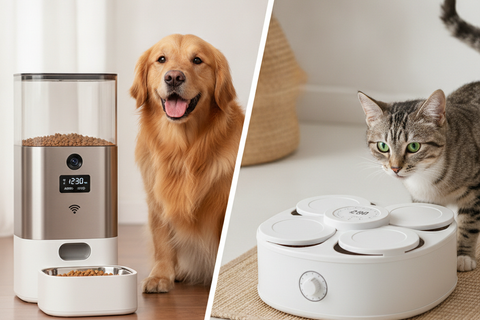
automatic pet feeder
Smart Automatic Pet Feeder vs. Timed Feeder: Which is Best for Your Pet?
Jul 04, 2026
dog gear
Summer Walks: Give Your Dog Freedom (Safely!)
Jul 04, 2026
dog gear
Summer Frisbee Fun: A Dog's Guide to Outdoor Play
Jul 03, 2026
pet care gear
Summer Scratch Solutions
Jul 03, 2026
dog gear
Unleash Their Inner Olympian: DIY Dog Agility for Happy Paws
Jul 03, 2026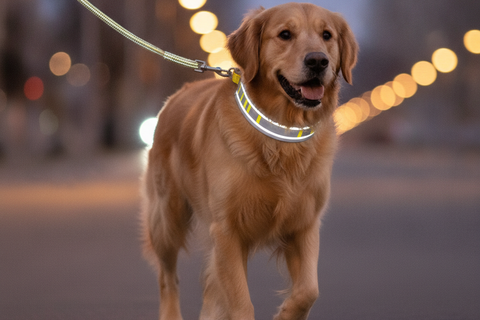
dog safety at night
Reflective Dog Leashes & Collars: Enhance Nighttime Safety
Jul 03, 2026
chews that
Problem solved: Chews that stand up to your power chewer
Jul 03, 2026
dog gear
Potty Training a Puppy? Why Litter Boxes Are a Bad Idea
Jul 02, 2026
pet care gear
Summer Road Trips: Protect Your Car Seats
Jul 02, 2026
color what
Dog Pee Color: What It's Telling You (And What to Do)
Jul 02, 2026
dog gear
Summer Shedding: Stop the Dog Hair Avalanche!
Jul 02, 2026
automatic ball launcher for dogs
Choosing the Right Automatic Ball Launcher for Dogs: Endless Playtime
Jul 02, 2026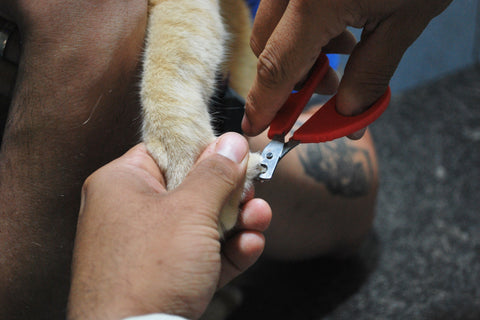
clipping dog
Clipping Dog Nails: Why It's Hard & What Truly Helps
Jul 02, 2026
dog gear
Dog Parkour? Elevate Their Chill
Jul 01, 2026
board dogs
Best Cat Scratching Post & Board for Cats: 2026 Guide
Jul 01, 2026
aggressive chewers
Top 5 Indestructible Dog Toys for Power Chewers: Built to Last
Jul 01, 2026