
bird
do
furryfable
Is Your Flock Bored? 3 Signs Your Chickens Need More Fun

The morning quiet in the coop has been replaced by a persistent, agitated clucking. Instead of their usual busy scratching, your hens are pacing the perimeter of the run, or worse, you’ve noticed a suspicious loss of feathers on one of your previously plump birds. These subtle shifts in behavior can be perplexing, leaving you to wonder what’s truly going on with your flock. The reality is, chickens are intelligent, inquisitive creatures, and like any animal, they can experience boredom, especially when their environment lacks adequate stimulation. This boredom isn't just a minor inconvenience; it can lead to significant behavioral problems, impacting the health and harmony of your entire flock.
Quick Answer: Do chickens get bored?
Yes, chickens do get bored, and a bored flock can quickly develop destructive behaviors. Common signs of boredom in chickens include feather pecking at themselves or flock mates, aggressive behavior, pacing along the edges of their enclosure, excessive squawking, and even egg eating. Providing environmental enrichment that encourages natural foraging instincts and offers mental and physical stimulation is crucial for a happy, healthy flock.
Unveiling the Unrest: 3 Signs Your Chickens Need More Fun
Chickens, by nature, are foragers. In a natural setting, they spend the majority of their day exploring, scratching, and pecking for food and interesting tidbits. When confined to a coop or run, even a spacious one, they can miss out on these essential, naturally occurring "boredom-busters." This lack of stimulation can lead to stress, which manifests in observable and often problematic behaviors. Understanding these signs is the first step in creating a more engaging and fulfilling environment for your birds. If you're wondering, "do chickens get bored signs," pay close attention to these indicators:
1. The Feathered Frenzy: Feather Pecking and Bullying
One of the most alarming signs of a bored or stressed flock is feather pecking. This isn't just casual pecking; it's a persistent and purposeful act where one chicken pulls feathers from another, often targeting the back, neck, or vent areas. In severe cases, this can lead to skin injuries, infections, and even cannibalism. Feather pecking often begins when chickens lack sufficient mental and physical engagement, causing them to redirect their natural pecking instincts towards their flock mates. Overcrowding can exacerbate this issue, as less space means fewer escape routes for targeted birds. Beyond feather loss, you might also observe increased aggression at feeders and waterers, or general bullying where dominant birds prevent others from accessing resources. This social disruption is a clear cry for more diversified activities within the coop and run.
2. The Pacing Patrol: Repetitive Behaviors and Lethargy
Have you noticed a hen walking the same path along the fence line repeatedly, or pecking obsessively at a single spot on the coop wall? This repetitive pacing is a classic sign of boredom and can indicate anxiety and stress in chickens. Instead of engaging in natural behaviors like foraging or dust bathing, their unused energy manifests as aimless, circular movements. Conversely, some bored chickens may exhibit lethargy or listlessness, spending an unusual amount of time roosting when they would typically be active. They might show a lack of interest in their food or treats, or even overeat due to inactivity. These behaviors signal a need for more stimulating activities that encourage natural movement and engagement, rather than allowing their environment to become a monotonous backdrop.
3. The Egg-cellent Escape: Egg Eating
Discovering broken eggs in the nesting boxes, or worse, finding chickens with yolk on their beaks and feathers, is a frustrating problem that often stems from boredom. Chickens are intelligent and, once they discover the taste and nutritional value of an egg, they can quickly develop a habit of intentionally breaking and consuming them. This behavior can start accidentally, perhaps if an egg breaks due to weak shells or overcrowded nesting boxes, but boredom can certainly be a driving factor. When chickens lack other forms of mental stimulation, the act of pecking at and consuming an egg becomes an engaging, albeit destructive, activity. If you observe a sudden drop in egg production combined with signs of broken shells, it's time to consider enrichment strategies to redirect their attention.
FurryFable's Fun Fixes: Enriching Your Flock's Environment
Addressing chicken boredom requires proactive steps to introduce variety and engagement into their daily lives. The goal is to encourage their natural instincts to forage, explore, and interact with their surroundings. Here are some effective strategies:
Food-Based Enrichment
Chickens are driven by food, so incorporating treat-dispensing toys or hanging vegetables can provide hours of entertainment. Consider a hanging cabbage or lettuce ball, positioned just high enough to encourage jumping and pecking. Scattering scratch grains or dried mealworms in deep litter or a designated dig box encourages natural foraging behavior. For a durable option, the "FurryFable Indestructible Dog Chew Toy for Aggressive Chewers" (yes, even for chickens!) can be repurposed to hold larger treats or even a small amount of forage, giving them a challenge that lasts. Puzzle feeders designed for dogs can also be engaging for chickens, requiring them to problem-solve to access treats.
Environmental Enrichment
Transform your coop and run into an interactive playground. Provide perches at varying heights and different materials, such as sturdy branches or old ladders, to encourage jumping and exploration. A designated dust bath area, filled with a mix of sand, wood ash, and fine dirt, allows them to engage in essential self-care behaviors. Consider adding a chicken swing, which some hens will use daily for gentle swaying and an elevated view. Even simple additions like old CDs or small mirrors can provide visual stimulation, as chickens are often fascinated by shiny objects and reflections.
Why We Chose These for FurryFable
At FurryFable.com, our selection criteria for pet toys, even those repurposed for poultry, focuses on durability, safety, and the ability to engage natural behaviors. Products like the "FurryFable Indestructible Dog Chew Toy for Aggressive Chewers" are chosen not just for their robust construction, which stands up to persistent pecking, but also for their versatility in holding treats or forage, promoting sustained interaction. Similarly, while not explicitly a chicken toy, the design principles behind our interactive cat toys, which stimulate curiosity and activity, inform our recommendations for chicken enrichment. We believe in providing products that address the underlying behavioral needs of animals, encouraging healthy outlets for their instincts rather than merely offering temporary distractions. The emphasis is always on creating a stimulating environment that prevents boredom-related issues before they begin.
Give Your Flock the Gift of Play
A happy flock is a healthy flock, and enrichment plays a vital role in their overall well-being. By recognizing the signs of boredom and implementing engaging solutions, you can transform your coop into a vibrant, stimulating environment. Don't let your chickens fall into the trap of repetitive behaviors and stress. Explore our full range of pet toys and outdoor supplies that can be adapted to keep your feathered friends entertained and thriving.
Frequently Asked Questions
What causes chickens to get bored in a coop?
Chickens get bored in a coop primarily due to a lack of environmental stimulation and opportunities to express natural behaviors like foraging, scratching, and exploring. Confinement, especially in smaller runs or during periods of bad weather, reduces their access to varied terrain, insects, and plants that would naturally keep them engaged.
How often should I introduce new enrichment for my chickens?
Chickens are intelligent and can become accustomed to enrichment over time, so it's beneficial to rotate toys and activities every few days or weekly to keep things fresh and engaging. Introducing new items or changing the arrangement of existing ones can prevent boredom from setting in.
Can boredom affect a chicken's egg production?
Yes, boredom and the stress it causes can negatively impact a chicken's health, including their egg production. Stress can lead to a weaker immune system and cranky chickens, which may result in fewer or lower quality eggs.
Are commercial chicken toys necessary, or can I use DIY options?
Both commercial chicken toys and DIY options can be effective for enrichment. Many everyday items like hanging vegetables, old CDs, or even a bale of hay can provide significant entertainment. The key is to offer safe, engaging items that encourage natural chicken behaviors.
What are some simple, low-cost ways to entertain my flock?
Simple and low-cost entertainment options include hanging a head of cabbage or lettuce, scattering scratch grains in their bedding, providing a dust bath area with sand and dirt, offering logs or stumps for perching and climbing, and even spending time with your flock, as chickens can recognize faces and enjoy companionship.
FurryFable Recommendations
 FurryFable Premium Chicken Swing Set – Coop Perch & Ladder
★★★★★ 4.78 (18)
Save 34%$199.00 Shop Now
 Hanging Outdoor Bird Bath & Feeder | Garden Water Bowl
✓ Free USA Shipping✓ Fast Delivery✓ Secure Checkout✓ 100% Satisfaction
R
Ragnor
Pet Trainer & Animal Behaviorist
Ragnor is a certified pet trainer and animal behaviorist with over 10 years of experience helping dog and cat owners across North America find the right gear for their pets' specific breed needs and health conditions. He reviews every product recommendation on FurryFable for accuracy and safety.
If you found this helpful, also read: investing in premium pet essentials.
You Might Also Like

calming vest
Best Dog Anxiety Vest for Dogs: 2026 Guide
Sep 17, 2026
dog gear
Best Dog Puzzle Toy for Dogs: 2026 Guide
Sep 12, 2026
destroys toys
Why Your Dog Destroys Toys — & How to Finally Stop It
Sep 05, 2026
autumn puppy
Autumn Puppy Potty Training
Sep 05, 2026
collar leash
Best Dog Collar & Leash Set for Dogs: 2026 Guide
Sep 04, 2026
autumn dog
Autumn Dog Nail Care: Ditching the Drama & Embracing Healthy Paws
Sep 04, 2026
autumn dog
Autumn Dog Beds: Why Your Pup Still Gets Hot & How to Fix It
Sep 03, 2026
freedom fumble
Retractable Leashes: Freedom or Fumble?
Sep 03, 2026
bird gear
Best Chicken Coop Swing & Toy for Dogs: 2026 Guide
Sep 02, 2026
autumn paw
Autumn Paw Patrol: Stop Litter Tracks for Good
Sep 02, 2026
arms automatic
Tired Arms? Automatic Toys for Small Dogs That Actually Work
Sep 01, 2026
dog gear
Unleash Their Inner Athlete: Backyard Dog Agility Secrets
Sep 01, 2026
agility seesaw
Best Dog Agility Seesaw for Dogs: 2026 Guide
Aug 10, 2026
cat play
Dog-Proof Cat Play: Harmony in Your Shared Spaces
Aug 10, 2026
dog gear
Summer Dog Travel: for Stress-Free Adventures
Aug 10, 2026
anxious dog
Anxious Dog? : A Calming Bed That Actually Works
Jul 08, 2026
automatic cat feeder
Smart Automatic Pet Feeder vs. Gravity Feeder: Which is Best for Your Pet's Routine?
Jul 08, 2026
dog gear
Hiking with Your Dog: The Long Leash Dilemma Solved
Jul 08, 2026
mess solved
Paw Mess Solved
Jul 07, 2026
dog gear
Dog Eats Too Fast? Ragnor's Fix for Gulping & Bloat
Jul 07, 2026
beyond fetch
Summer Dog Games: Beyond Fetch
Jul 07, 2026
breathable dog car seat
Stay Cool on the Road: Top 5 Cooling Dog Car Seat Covers for Summer Adventures
Jul 07, 2026
invaders keep
Yard Invaders? How to Keep Stray Dogs Away (Kindly)
Jul 07, 2026
avoid drama
Clipping Dog Nails: Avoid the Drama & Do It Right
Jul 06, 2026
brachycephalic dog gear
Best No-Pull Harness for French Bulldogs: Comfort, Control & Style
Jul 06, 2026
bored dog
Bored Dog? Unleash Happiness with Vertical Play
Jul 06, 2026
clothes jackets
Best Dog Clothes & Jackets for Dogs: 2026 Guide
Jul 06, 2026
pet care gear
Best Portable Pet Water Bottle for Dogs: 2026 Guide
Jul 05, 2026
foes scratch
Furniture Foes: for Scratch-Proof Paws
Jul 05, 2026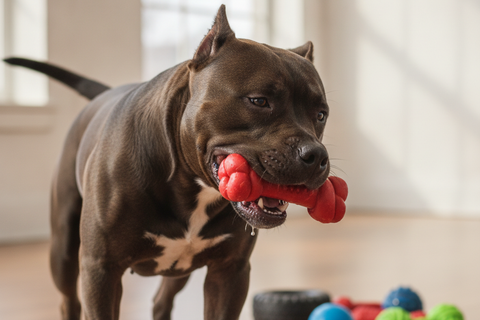
best dog toys
The Ultimate Guide: Choosing Indestructible Dog Toys for Aggressive Chewers
Jul 05, 2026
dog gear
Unleash Their Inner Olympian: Home Agility for Any Dog
Jul 05, 2026
dog gear
Lost Dog Panic? GPS Trackers Actually Work. Here's How.
Jul 05, 2026
anxiety regular
Dog Anxiety: Why Regular Beds Aren't Enough
Jul 04, 2026
dog gear
Summer Dog Safety
Jul 04, 2026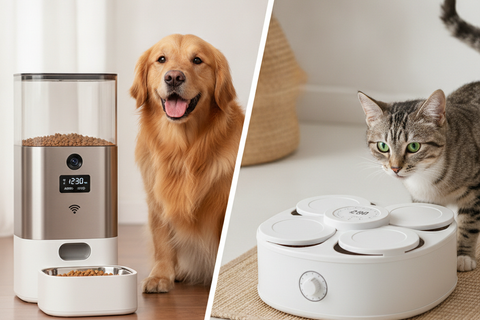
automatic pet feeder
Smart Automatic Pet Feeder vs. Timed Feeder: Which is Best for Your Pet?
Jul 04, 2026
dog gear
Summer Walks: Give Your Dog Freedom (Safely!)
Jul 04, 2026
dog gear
Summer Frisbee Fun: A Dog's Guide to Outdoor Play
Jul 03, 2026
pet care gear
Summer Scratch Solutions
Jul 03, 2026
dog gear
Unleash Their Inner Olympian: DIY Dog Agility for Happy Paws
Jul 03, 2026
dog safety at night
Reflective Dog Leashes & Collars: Enhance Nighttime Safety
Jul 03, 2026
chews that
Problem solved: Chews that stand up to your power chewer
Jul 03, 2026
dog gear
Potty Training a Puppy? Why Litter Boxes Are a Bad Idea
Jul 02, 2026
pet care gear
Summer Road Trips: Protect Your Car Seats
Jul 02, 2026
color what
Dog Pee Color: What It's Telling You (And What to Do)
Jul 02, 2026
dog gear
Summer Shedding: Stop the Dog Hair Avalanche!
Jul 02, 2026
automatic ball launcher for dogs
Choosing the Right Automatic Ball Launcher for Dogs: Endless Playtime
Jul 02, 2026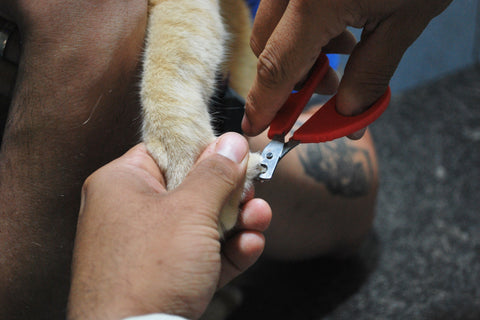
clipping dog
Clipping Dog Nails: Why It's Hard & What Truly Helps
Jul 02, 2026
dog gear
Dog Parkour? Elevate Their Chill
Jul 01, 2026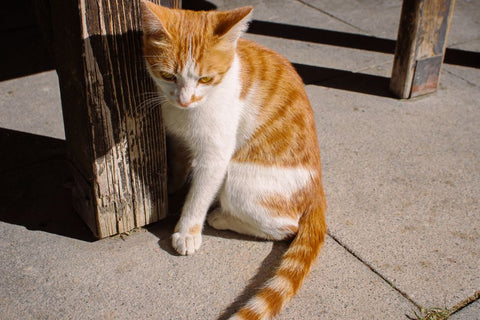
board dogs
Best Cat Scratching Post & Board for Cats: 2026 Guide
Jul 01, 2026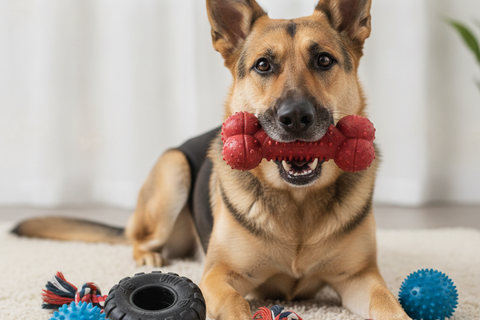
aggressive chewers
Top 5 Indestructible Dog Toys for Power Chewers: Built to Last
Jul 01, 2026