
dog anxiety
dog behavior
genetic predisposition
Genetic Predisposition to Anxiety in Purebreds

Understanding Genetic Predisposition to Dog Breed Anxiety
As devoted pet parents within the premium segment, you understand that your purebred companion is more than just a pet; they are a cherished family member. At FurryFable.com, we recognize the importance of their holistic well-being. One critical aspect gaining significant attention in the pet industry, particularly as we look towards 2026, is the genetic predisposition to anxiety in purebred dogs. While environment and training play crucial roles, understanding your dog's inherited tendencies is key to proactive care.
The American Pet Products Association (APPA) consistently highlights a growing emphasis on pet mental health within the wellness market. Projections for 2026 indicate continued growth in personalized pet care solutions, including those addressing behavioral challenges. Similarly, the American Kennel Club (AKC) reinforces the importance of responsible breeding practices that consider not only physical health but also temperament and breed-specific behavioral traits.
Understanding Genetic Predisposition in Canine Anxiety
Genetic predisposition refers to the increased likelihood of developing a certain trait or condition due to inherited genetic factors. In dogs, this means some breeds naturally carry a higher genetic susceptibility to specific anxieties compared to others. This doesn't guarantee a dog will be anxious, but it does mean they may be more vulnerable when exposed to certain environmental triggers.
Research in canine behavioral genetics is continually evolving, revealing complex interactions between multiple genes and environmental factors. While no single "anxiety gene" has been identified, studies point to various genetic markers influencing neurotransmitter pathways and stress responses, making certain purebred lines more prone to conditions like separation anxiety, noise phobias, or generalized anxiety.
Key Breeds and Their Anxieties
While any dog can experience anxiety, certain purebreds exhibit higher observed incidences of specific anxiety types:
- Separation Anxiety: Breeds often noted for a higher tendency towards separation anxiety include Cavalier King Charles Spaniels, German Shorthaired Pointers, and Basset Hounds. These breeds often form strong attachments, making prolonged isolation particularly distressing.
- Noise Phobia/Fear of Loud Noises: German Shepherds, Border Collies, and some sporting breeds like Setters frequently show heightened sensitivity to loud noises such as thunderstorms or fireworks. This can be debilitating and often requires careful management.
- Generalized Anxiety Disorder (GAD): While less specific to a single trigger, GAD can manifest in breeds known for high intelligence and sensitivity, such as Border Collies (sometimes exhibiting compulsive behaviors like tail chasing) and Australian Shepherds.
- Stranger or Novelty Fear: Some working breeds, if not properly socialized, can develop fear or apprehension towards unfamiliar people or situations due to their protective instincts, highlighting the importance of early exposure.
The AKC encourages prospective owners to research breed-specific temperaments and engage with reputable breeders who prioritize health and sound disposition in their breeding programs.
The Role of Environment and Early Socialization
It is crucial to remember that genetics are not destiny. Environmental factors, including early life experiences, socialization, training, and ongoing daily routines, significantly impact how a genetic predisposition manifests. A dog with a genetic tendency towards anxiety can lead a calm, fulfilling life with the right support.
The industry trend for 2026 continues to emphasize a holistic approach to pet wellness, recognizing the interplay between genetics, environment, and lifestyle. Proactive pet parents are increasingly seeking resources and products that support behavioral health from puppyhood through senior years.
Identifying Symptoms in Your Purebred
Early identification of anxiety symptoms is vital for effective management. Premium pet parents should observe their purebreds for the following signs:
- Excessive barking, whining, or howling when left alone.
- Destructive chewing or digging, particularly around exits.
- Inappropriate urination or defecation indoors.
- Pacing, trembling, or drooling excessively.
- Excessive licking or chewing of themselves (e.g., paws, flanks).
- Withdrawal, hiding, or reluctance to interact.
- Changes in appetite or sleep patterns.
If you notice any of these signs, consulting with your veterinarian and a certified professional dog trainer or veterinary behaviorist is highly recommended.
Proactive Management and Support for Anxious Purebreds
Managing anxiety in a genetically predisposed purebred requires a comprehensive and compassionate approach. FurryFable.com is dedicated to providing resources that align with the best practices for premium pet care. Industry trends for 2026 show a significant demand for high-quality, scientifically-backed solutions.
Modern Approaches to Pet Wellness (2026 Trends)
The pet wellness landscape in 2026 is driven by innovation and a deeper understanding of pet psychology. Premium pet parents are looking for:
- Behavioral Training & Enrichment: Consistent, positive reinforcement training, alongside engaging enrichment activities, is paramount. This can include puzzle toys, interactive feeders, and scent work to mentally stimulate your dog.
- Veterinary Behavioral Consultations: Expert guidance from board-certified veterinary behaviorists or certified professional dog trainers can provide tailored strategies, including behavior modification protocols and, if necessary, pharmacological support.
- Calming Products & Supplements: A growing market, as noted by the APPA, for natural calming supplements, pheromone diffusers, and anxiety-reducing apparel.
- Comforting Accessories: Creating a safe, predictable environment is essential. This includes comfortable bedding and designated 'safe spaces' within your home.
- Regular Exercise and Mental Stimulation: Ensuring your purebred receives adequate physical activity and mental challenges can significantly reduce anxiety levels. Harnesses and leashes designed for comfort and control facilitate enjoyable outings.
At FurryFable.com, we understand the dedication involved in caring for a purebred with a genetic predisposition to anxiety. We curate products and resources to support their emotional and physical health:
- Explore our collection of enriching pet toys to provide mental stimulation and reduce boredom-related anxiety.
- Ensure your pet stays hydrated on walks with a convenient pet water bottle, making outdoor adventures more comfortable.
- Discover our range of pet apparels, including calming vests that can offer a sense of security.
- Find durable and comfortable harnesses and leashes for safe and enjoyable walks, essential for managing energy and reducing anxiety.
In conclusion, while a genetic predisposition to dog breed anxiety is a significant factor for purebreds, it is a manageable challenge. By combining an understanding of your dog's breed-specific tendencies with proactive environmental management, consistent positive reinforcement, and high-quality support products, you can ensure your beloved purebred lives a joyful, confident life. FurryFable.com remains your trusted partner in this journey, committed to the premium well-being of your canine companion.
FurryFable Recommendations
 FurryFable Calming Dog Anxiety Vest – Stress & Fear Relief
✓ Free USA Shipping✓ Fast Delivery✓ Secure Checkout✓ 100% Satisfaction
If you found this helpful, also read: calming solutions for stressed dogs.
If you found this helpful, also read: calming beds for anxious dogs.
If you found this helpful, also read: breed-specific anxiety solutions.
You Might Also Like

calming vest
Best Dog Anxiety Vest for Dogs: 2026 Guide
Sep 17, 2026
dog gear
Best Dog Puzzle Toy for Dogs: 2026 Guide
Sep 12, 2026
destroys toys
Why Your Dog Destroys Toys — & How to Finally Stop It
Sep 05, 2026
autumn puppy
Autumn Puppy Potty Training
Sep 05, 2026
collar leash
Best Dog Collar & Leash Set for Dogs: 2026 Guide
Sep 04, 2026
autumn dog
Autumn Dog Nail Care: Ditching the Drama & Embracing Healthy Paws
Sep 04, 2026
autumn dog
Autumn Dog Beds: Why Your Pup Still Gets Hot & How to Fix It
Sep 03, 2026
freedom fumble
Retractable Leashes: Freedom or Fumble?
Sep 03, 2026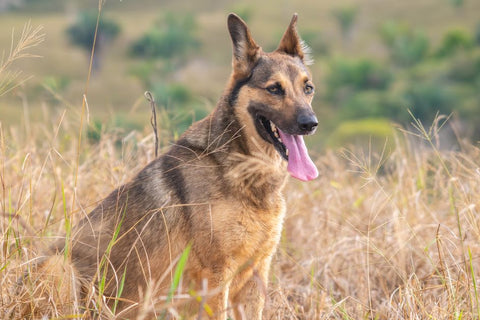
bird gear
Best Chicken Coop Swing & Toy for Dogs: 2026 Guide
Sep 02, 2026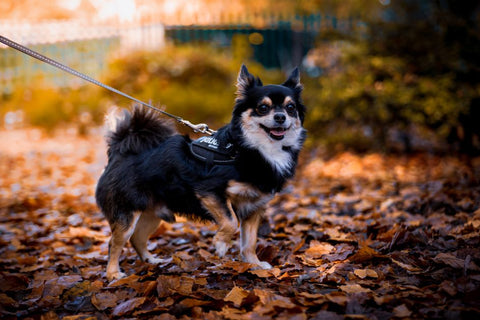
autumn paw
Autumn Paw Patrol: Stop Litter Tracks for Good
Sep 02, 2026
arms automatic
Tired Arms? Automatic Toys for Small Dogs That Actually Work
Sep 01, 2026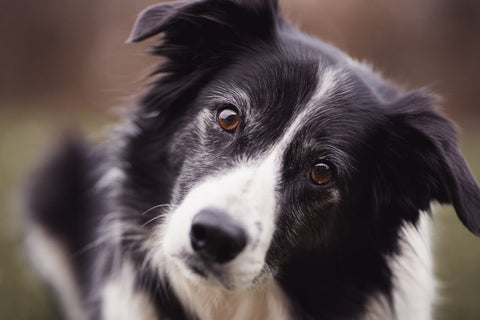
dog gear
Unleash Their Inner Athlete: Backyard Dog Agility Secrets
Sep 01, 2026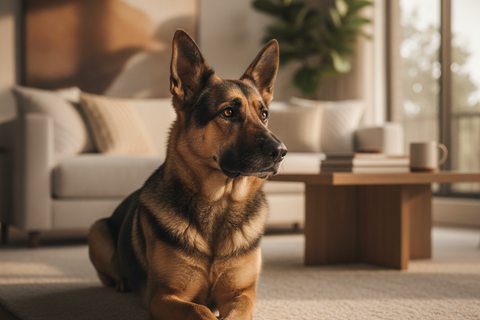
agility seesaw
Best Dog Agility Seesaw for Dogs: 2026 Guide
Aug 10, 2026
cat play
Dog-Proof Cat Play: Harmony in Your Shared Spaces
Aug 10, 2026
dog gear
Summer Dog Travel: for Stress-Free Adventures
Aug 10, 2026
anxious dog
Anxious Dog? : A Calming Bed That Actually Works
Jul 08, 2026
automatic cat feeder
Smart Automatic Pet Feeder vs. Gravity Feeder: Which is Best for Your Pet's Routine?
Jul 08, 2026
dog gear
Hiking with Your Dog: The Long Leash Dilemma Solved
Jul 08, 2026
mess solved
Paw Mess Solved
Jul 07, 2026
dog gear
Dog Eats Too Fast? Ragnor's Fix for Gulping & Bloat
Jul 07, 2026
beyond fetch
Summer Dog Games: Beyond Fetch
Jul 07, 2026
breathable dog car seat
Stay Cool on the Road: Top 5 Cooling Dog Car Seat Covers for Summer Adventures
Jul 07, 2026
invaders keep
Yard Invaders? How to Keep Stray Dogs Away (Kindly)
Jul 07, 2026
avoid drama
Clipping Dog Nails: Avoid the Drama & Do It Right
Jul 06, 2026
brachycephalic dog gear
Best No-Pull Harness for French Bulldogs: Comfort, Control & Style
Jul 06, 2026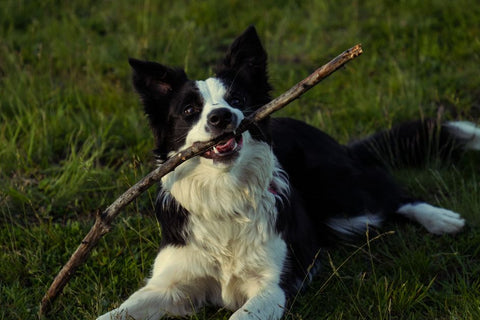
bored dog
Bored Dog? Unleash Happiness with Vertical Play
Jul 06, 2026
clothes jackets
Best Dog Clothes & Jackets for Dogs: 2026 Guide
Jul 06, 2026
pet care gear
Best Portable Pet Water Bottle for Dogs: 2026 Guide
Jul 05, 2026
foes scratch
Furniture Foes: for Scratch-Proof Paws
Jul 05, 2026
best dog toys
The Ultimate Guide: Choosing Indestructible Dog Toys for Aggressive Chewers
Jul 05, 2026
dog gear
Unleash Their Inner Olympian: Home Agility for Any Dog
Jul 05, 2026
dog gear
Lost Dog Panic? GPS Trackers Actually Work. Here's How.
Jul 05, 2026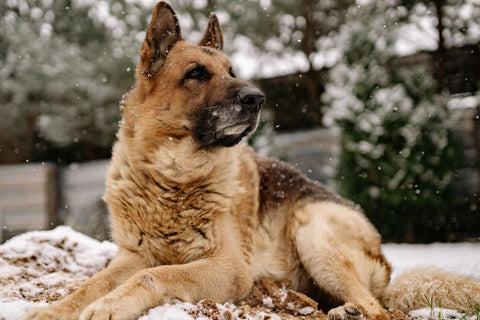
anxiety regular
Dog Anxiety: Why Regular Beds Aren't Enough
Jul 04, 2026
dog gear
Summer Dog Safety
Jul 04, 2026
automatic pet feeder
Smart Automatic Pet Feeder vs. Timed Feeder: Which is Best for Your Pet?
Jul 04, 2026
dog gear
Summer Walks: Give Your Dog Freedom (Safely!)
Jul 04, 2026
dog gear
Summer Frisbee Fun: A Dog's Guide to Outdoor Play
Jul 03, 2026
pet care gear
Summer Scratch Solutions
Jul 03, 2026
dog gear
Unleash Their Inner Olympian: DIY Dog Agility for Happy Paws
Jul 03, 2026
dog safety at night
Reflective Dog Leashes & Collars: Enhance Nighttime Safety
Jul 03, 2026
chews that
Problem solved: Chews that stand up to your power chewer
Jul 03, 2026
dog gear
Potty Training a Puppy? Why Litter Boxes Are a Bad Idea
Jul 02, 2026
pet care gear
Summer Road Trips: Protect Your Car Seats
Jul 02, 2026
color what
Dog Pee Color: What It's Telling You (And What to Do)
Jul 02, 2026
dog gear
Summer Shedding: Stop the Dog Hair Avalanche!
Jul 02, 2026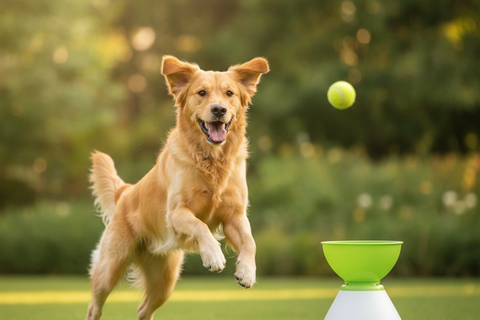
automatic ball launcher for dogs
Choosing the Right Automatic Ball Launcher for Dogs: Endless Playtime
Jul 02, 2026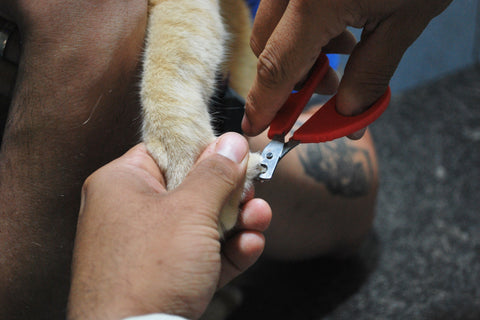
clipping dog
Clipping Dog Nails: Why It's Hard & What Truly Helps
Jul 02, 2026
dog gear
Dog Parkour? Elevate Their Chill
Jul 01, 2026
board dogs
Best Cat Scratching Post & Board for Cats: 2026 Guide
Jul 01, 2026
aggressive chewers
Top 5 Indestructible Dog Toys for Power Chewers: Built to Last
Jul 01, 2026