
car travel with dog
dog car harness
dog car safety
Dog Car Safety: Essential Seat Covers & Belts for Road Trips

Embarking on a road trip with your beloved canine companion is an exciting prospect, but ensuring their safety and comfort should always be your top priority. The open road can present unexpected hazards, and an unrestrained pet can quickly turn a joyful adventure into a dangerous situation. This comprehensive guide will explore the essential role of dog car seat covers belts safety in protecting your furry co-pilot on every journey.
Ensuring dog car safety involves using appropriate restraints and protective accessories. Dog car seat covers and safety belts work together to prevent driver distraction, protect your pet in case of sudden stops or collisions, and keep your vehicle's interior clean. These measures are crucial for both short errands and long road trips, providing peace of mind for pet parents.
Why is Dog Car Safety So Important?
The importance of securing your dog in a vehicle cannot be overstated. An unrestrained dog can become a significant distraction to the driver, increasing the risk of accidents. Statistics show that a substantial number of drivers admit to being distracted by their dogs while driving. In the unfortunate event of a sudden stop or collision, an unsecured dog can be thrown forward with considerable force, potentially causing severe injury to themselves and other passengers.
A mere 10-pound dog can exert an astonishing 300 pounds of force in a 30 mph collision, transforming them into a dangerous projectile. This highlights the critical need for effective safety measures. Beyond the immediate danger, many regions in the USA and Canada have legal regulations mandating pet restraint in vehicles, and failing to comply can result in fines or legal consequences.
What are the Key Components of Dog Car Safety?
Achieving optimal dog car safety involves a combination of products designed to secure your pet and protect your vehicle's interior. These essential components include dog car seat covers and dog safety belts or harnesses. When used together, they create a secure and comfortable environment for your dog, minimizing risks and maximizing enjoyment for everyone in the vehicle.
Do Dog Car Seat Covers Really Make a Difference?
Dog car seat covers are protective accessories that act as a barrier between your pet and your car's upholstery. They are invaluable for maintaining the cleanliness and condition of your vehicle, protecting against scratches, dirt, pet hair, and spills.
- Protection from Mess and Damage: Even the most well-behaved dog can track in mud, shed hair, or have an accident. A quality seat cover prevents these messes from reaching your car's seats and carpeting, making cleanup significantly easier. Many covers are removable and machine washable.
- Enhanced Comfort and Security: Many seat covers, especially hammock-style designs, create a cozy and enclosed space for your dog. This can help anxious pets feel more secure and stable, reducing motion sickness and general travel anxiety by preventing them from falling into footwells or sliding during turns. The fabric of the car seat cover might also provide better grip than upholstery or leather, making your dog more secure and less likely to slide.
- Preserving Resale Value: Protecting your car's interior from wear and tear caused by pet travel can significantly impact its resale value. Seat covers shield your upholstery from claws, drool, and everyday pet-related damage.
- Hygiene and Allergens: Pet dander and allergens can settle deep into car upholstery, potentially triggering reactions in sensitive passengers. Seat covers help limit this buildup and simplify cleaning, promoting a fresher and more hygienic car environment.
For more options and detailed reviews, explore our guide on Best Dog Car Seat Covers for Travel & Adventures.
Are Dog Safety Belts and Harnesses Truly Necessary?
Dog safety belts, often used in conjunction with a specialized harness, are crucial safety devices designed to keep your dog securely restrained during car travel. A dog car harness distributes force evenly across your dog's chest and torso, reducing the risk of choking or neck injury in case of a sudden stop.
- Injury Prevention: In a collision or sudden stop, a safety belt and harness prevent your dog from being thrown forward, minimizing the risk of severe injuries. Studies have shown that crash-tested dog seat belts can reduce the risk of injury for pets and passengers by over 70%.
- Driver Distraction Reduction: By keeping your dog in one place, a dog seat belt helps you focus on the road, preventing your pet from roaming freely, jumping into the front seat, or otherwise distracting you.
- Legal Compliance: Many states and provinces have laws requiring pets to be restrained in vehicles. Using a dog seat belt ensures you comply with these regulations, avoiding potential fines and legal repercussions.
- Enhanced Comfort (with proper fit): A well-fitted dog seat belt allows your dog enough room to sit, lie down, or stand comfortably while remaining secure. High-quality options often include shock-absorbing features, like bungee-style tethers, to reduce the jarring effect of quick stops.
When selecting a dog car restraint, it is critical to choose a harness designed for car safety rather than attaching a seatbelt directly to a regular collar, which can cause severe neck injuries during impact. For optimal control and safety during walks and in the car, consider a quality harness and leash.
What are the Different Types of Dog Car Restraints?
Several types of dog car restraints are available, each offering varying levels of security and comfort. The best choice often depends on your dog's size, temperament, and your vehicle's layout.
- Dog Car Harnesses with Seat Belt Tethers: This is one of the most common and recommended options. A specialized car safety harness is worn by your dog and then connected to your car's seatbelt system via a tether. These harnesses are designed to distribute impact force across the chest.
- Dog Car Seats: Ideal for smaller dogs (typically under 30 pounds), car seats elevate your pet, allowing them to see out the window, which can reduce anxiety and motion sickness. Many dog car seats include built-in harness attachments to keep your pup securely in place.
- Crates and Carriers: A sturdy, well-ventilated crate or carrier, securely fastened in the back seat or cargo area, provides an enclosed and safe space for your dog. This is often considered one of the safest ways to transport a dog, especially for longer trips or for dogs who prefer an enclosed space. The crate should be large enough for your pet to stand, sit, lie down, and turn around comfortably.
- Vehicle Zip Lines: These systems allow a dog to move more freely across the back seat while still being restrained by a tether attached to their harness. The zip line runs across the width of the car, and the dog's harness clips to it.
When choosing, consider factors like crash-test ratings. For instance, the Sleepypod Clickit Utility Harness has been identified as a top performer in crash testing, consistently keeping dogs secured.
How Can You Prepare Your Dog for Car Travel?
Preparing your dog for car travel, especially for longer road trips, is essential for a smooth and stress-free experience. This involves desensitization, managing travel anxiety, and addressing potential motion sickness.
What are the Best Strategies for Desensitizing a Dog to Car Rides?
Desensitizing your dog to car travel involves gradually introducing them to the vehicle and associating it with positive experiences. This process can help reduce fear and anxiety.
- Positive Association with a Stationary Car: Start by simply having your dog in or near the parked car, offering praise and high-value treats. Keep the doors open initially so they don't feel trapped.
- Engine On, No Movement: Once comfortable with the stationary car, repeat the process with the engine running, continuing to offer treats and praise.
- Short, Positive Trips: Gradually introduce very short drives, such as backing out of the driveway and returning, or a quick trip around the block. Always end these trips with a positive experience, like a visit to a dog park or a favorite walking spot.
- Gradual Increase in Duration: Slowly increase the length and duration of car rides as your dog becomes more comfortable, ensuring each experience remains positive.
Consistency and patience are key. Never punish your dog for showing signs of distress; instead, stop the training and resume at a level where they are comfortable.
How Can You Manage Dog Travel Anxiety?
Travel anxiety in dogs can manifest as drooling, shaking, panting, whining, or vomiting. Several strategies can help alleviate this stress:
- Familiar Comfort Items: Bring your dog's favorite toy or a blanket that smells like home or you. These familiar scents can provide comfort and distraction.
- Exercise Before Travel: A good walk or play session about 20 minutes before a car trip can stimulate endorphins and help tire your dog out, making them more likely to settle down for a nap.
- Create a Comfortable Space: Ensure your dog's travel space is comfortable and secure, whether it's a car seat, crate, or a secured area in the back. Covering a kennel or back windows can reduce overstimulation for some dogs.
- Pheromone Products: Consult your veterinarian about synthetic pheromone sprays or collars, which can have a calming effect on anxious dogs during travel.
- Veterinary Consultation: For severe cases, your veterinarian may recommend anti-anxiety medications or supplements. Always consult your veterinarian before administering any new medication or supplement.
For more in-depth solutions for anxious pets, refer to our article on Anxiety Relief for Dogs: Best Calming Vests & Puzzle Toys for Stress.
What Are the Best Ways to Prevent Car Sickness in Dogs?
Motion sickness, often more common in puppies due to undeveloped inner ears, can be a significant deterrent to enjoyable car travel. Here's how to minimize it:
- Withhold Food: Avoid feeding your dog a large meal 3-4 hours before travel. An empty stomach can significantly reduce nausea and the likelihood of vomiting. Offer water regularly during breaks.
- Fresh Air: Ensure good ventilation in the car. Opening windows slightly to allow fresh, cool air to circulate can help alleviate motion sickness symptoms.
- Forward View: For some dogs, having a clear view out the front windshield can help reduce motion sickness by aligning sensory signals. Secure them in the middle of the back seat if possible.
- Smooth Driving: Avoid long, winding roads and sudden stops or turns, which can exacerbate motion sickness.
- Medication: If your dog is prone to severe motion sickness, discuss anti-nausea medications with your veterinarian. FDA-approved medications like maropitant citrate (Cerenia) are effective for controlling nausea.
Comparison of Popular Dog Car Safety Products
Choosing the right combination of dog car seat covers and safety belts involves considering your dog's size, your vehicle type, and specific features. Here's a comparison of common options:
| Product Type | Pros | Cons | Ideal For |
|---|---|---|---|
| Hammock-Style Seat Cover | Covers entire back seat, prevents falling into footwell, protects doors, easy to clean (often machine washable), offers a sense of enclosure for anxious dogs. | May limit human passenger space in the back, can be bulky to install/remove. | Dogs of all sizes, especially those prone to anxiety or motion sickness, frequent travelers. |
| Bench Seat Cover | Protects seat from hair/dirt, allows more open space than a hammock, often machine washable. | Doesn't prevent dogs from falling into footwell, less sense of enclosure. | Dogs who are already comfortable in the car, those needing basic seat protection. |
| Car Safety Harness + Tether | Distributes impact force evenly, prevents driver distraction, legal compliance, allows some movement. | Requires a properly fitted, crash-tested harness; not all tethers are universal. | Dogs of all sizes, primary safety restraint. |
| Dog Car Seat (Booster) | Elevates smaller dogs for a view, provides a secure and confined space, often has built-in tethers. | Primarily for smaller dogs, takes up a seat space. | Small dogs prone to anxiety or motion sickness, those who enjoy looking out the window. |
| Crash-Tested Travel Crate | Highest level of protection in a collision, provides a secure den-like space, ideal for multi-pet households. | Can be bulky, requires securement to vehicle, some dogs may not tolerate crates. | All dogs, especially those needing maximum security, long trips, or anxious travelers. |
Essential Travel Tips for Pet Parents in USA & Canada
Beyond the right gear, thoughtful planning is crucial for safe and enjoyable road trips with your dog across North America.
What Documentation is Needed for Interstate or Cross-Border Travel?
When traveling across state lines in the USA or between the USA and Canada, specific documentation for your pet may be required:
- Rabies Vaccination Records: Always carry proof of your dog's current rabies vaccination. This is a fundamental requirement for most interstate and international travel.
- Certificate of Veterinary Inspection (CVI): Also known as a health certificate, this document is issued by a licensed veterinarian, stating your pet is healthy to travel and free from diseases. Many states and provinces, as well as airlines, require a CVI. It's crucial to obtain this well in advance, as some may need to be issued within a specific timeframe (e.g., 10 days before travel).
- Microchip Identification: While not always mandatory for entry into Canada, microchipping is highly recommended for all pets and is often required for re-entry into the USA.
- Import Forms: For re-entry into the USA, a completed CDC Dog Import Form receipt may be required, along with specific age and vaccination requirements, especially if traveling from high-risk rabies countries.
Always check the specific requirements of your destination state/province and any airlines involved well in advance, as regulations can change. The AVMA and USDA APHIS provide comprehensive resources for pet travel regulations. For Canadian travel, refer to the CFIA's guidelines.
What Should Be Included in a Pet Travel Kit?
A well-stocked pet travel kit ensures you have everything needed for your dog's comfort and well-being on the road:
- Food and Water: Pack your dog's regular food to avoid stomach upset, along with portable bowls and plenty of bottled water from home. Our portable water bottles are perfect for on-the-go hydration.
- Medications and First-Aid: Any prescribed medications, along with a basic pet first-aid kit.
- Leash, Collar/Harness, and ID Tags: Ensure your dog has up-to-date identification. Consider an AirTag pet collar for added peace of mind.
- Waste Bags: For responsible cleanup during stops.
- Comfort Items: Favorite toys, blankets, or bedding to provide familiarity and reduce stress. Explore our selection of dog toys.
- Proof of Vaccination/Health Certificates: Keep these easily accessible.
Important Safety Reminders for Road Trips with Dogs
- Never Leave Your Pet Unattended: Temperatures inside a parked car can rise rapidly, even on mild days with windows cracked, leading to heatstroke. In cold weather, a car can quickly become a refrigerator.
- Back Seat is Safest: The back seat is generally the safest place for dogs in a car. Airbags in the front seat can cause serious injury to pets during a collision.
- Windows Down Safely: While many dogs enjoy fresh air, do not allow your dog to ride with their head out the window. They could be injured by flying debris or attempt to jump out. Open back windows enough for air circulation but not wide enough for them to stick their head out.
- Regular Breaks: For longer trips, plan frequent stops for your dog to stretch their legs, relieve themselves, and drink water.
WHY WE CHOSE THESE FOR FURRYFABLE
At FurryFable, our selection criteria for dog car safety products are rooted in a commitment to quality, effectiveness, and the overall well-being of your cherished companions. We prioritize items that offer robust protection, ease of use, and contribute to a stress-free travel experience for both pets and their parents.
We specifically look for dog car seat covers made from durable, waterproof, and machine-washable materials, such as heavy-duty polyester, that can withstand the rigors of pet travel while being simple to clean. Non-slip backings and secure anchoring systems are essential to ensure the covers stay in place, preventing your dog from sliding around and providing a stable surface. We consider both full bench covers and hammock styles, with a preference for hammocks due to their added safety benefit of preventing dogs from falling into the footwell and offering a more enclosed, calming space.
For dog safety belts and harnesses, our focus is squarely on crash-tested designs that prioritize injury prevention. We emphasize harnesses that distribute impact forces evenly across the dog's chest and torso, rather than putting pressure on the neck. Compatibility with various vehicle seatbelt systems and adjustable features for a comfortable, secure fit are also critical. We actively seek out products with strong, high-quality hardware and reinforced stitching, ensuring longevity and reliability under stress. We also consider options with shock-absorbing elements to cushion against sudden movements.
We evaluate alternatives like crates and car seats based on their ability to offer secure containment and comfort, especially for smaller dogs or those who thrive in a den-like environment. Any car seat we recommend must have integrated, secure tethering options. Our ultimate goal is to provide premium solutions that align with veterinary recommendations and industry safety standards, giving you confidence that your pet is as safe as possible on every adventure.
Equipping your vehicle with the right dog car safety gear is an investment in your peace of mind and your pet's well-being. From protective seat covers to secure safety belts, FurryFable.com offers a range of premium products designed to make every road trip a safe and enjoyable experience for your furry family member.
Frequently Asked Questions
What is the safest way for my dog to travel in the car?
The safest way for your dog to travel in the car is securely restrained in the back seat. This can be achieved using a crash-tested car safety harness attached to a seatbelt, a sturdy, well-ventilated crate or carrier, or a dog car seat with integrated restraints for smaller pets.
Are dog car seat belts really effective in a crash?
Yes, dog car seat belts, particularly those used with a crash-tested harness, are highly effective in a crash. They prevent your dog from being thrown forward, significantly reducing the risk of severe injury to both your pet and human passengers.
How do car seat covers help with dog safety?
Car seat covers enhance dog safety by providing a non-slip surface that prevents your dog from sliding around during turns or sudden stops, especially hammock styles which also prevent them from falling into the footwell. They also protect your car's interior from damage, reducing distractions for the driver.
What should I do if my dog gets car sick?
If your dog gets car sick, try withholding food 3-4 hours before travel, ensuring plenty of fresh air in the car, and maintaining a smooth driving style. For persistent or severe motion sickness, consult your veterinarian about anti-nausea medications.
Do I need special documents to travel with my dog between the USA and Canada?
Yes, when traveling with your dog between the USA and Canada, you will typically need proof of current rabies vaccination. Depending on your dog's age and purpose of travel, a Certificate of Veterinary Inspection (health certificate) may also be required. Always check the latest regulations from the CFIA for Canada and the CDC/USDA APHIS for the USA well in advance.
You Might Also Like
calming vest
Best Dog Anxiety Vest for Dogs: 2026 Guide
Sep 17, 2026
dog gear
Best Dog Puzzle Toy for Dogs: 2026 Guide
Sep 12, 2026
destroys toys
Why Your Dog Destroys Toys — & How to Finally Stop It
Sep 05, 2026
autumn puppy
Autumn Puppy Potty Training
Sep 05, 2026
collar leash
Best Dog Collar & Leash Set for Dogs: 2026 Guide
Sep 04, 2026
autumn dog
Autumn Dog Nail Care: Ditching the Drama & Embracing Healthy Paws
Sep 04, 2026
autumn dog
Autumn Dog Beds: Why Your Pup Still Gets Hot & How to Fix It
Sep 03, 2026
freedom fumble
Retractable Leashes: Freedom or Fumble?
Sep 03, 2026
bird gear
Best Chicken Coop Swing & Toy for Dogs: 2026 Guide
Sep 02, 2026
autumn paw
Autumn Paw Patrol: Stop Litter Tracks for Good
Sep 02, 2026
arms automatic
Tired Arms? Automatic Toys for Small Dogs That Actually Work
Sep 01, 2026
dog gear
Unleash Their Inner Athlete: Backyard Dog Agility Secrets
Sep 01, 2026
agility seesaw
Best Dog Agility Seesaw for Dogs: 2026 Guide
Aug 10, 2026
cat play
Dog-Proof Cat Play: Harmony in Your Shared Spaces
Aug 10, 2026
dog gear
Summer Dog Travel: for Stress-Free Adventures
Aug 10, 2026
anxious dog
Anxious Dog? : A Calming Bed That Actually Works
Jul 08, 2026
automatic cat feeder
Smart Automatic Pet Feeder vs. Gravity Feeder: Which is Best for Your Pet's Routine?
Jul 08, 2026
dog gear
Hiking with Your Dog: The Long Leash Dilemma Solved
Jul 08, 2026
mess solved
Paw Mess Solved
Jul 07, 2026
dog gear
Dog Eats Too Fast? Ragnor's Fix for Gulping & Bloat
Jul 07, 2026
beyond fetch
Summer Dog Games: Beyond Fetch
Jul 07, 2026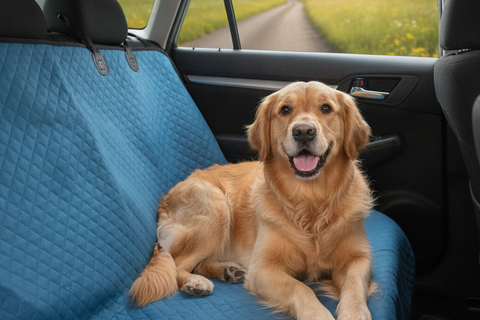
breathable dog car seat
Stay Cool on the Road: Top 5 Cooling Dog Car Seat Covers for Summer Adventures
Jul 07, 2026
invaders keep
Yard Invaders? How to Keep Stray Dogs Away (Kindly)
Jul 07, 2026
avoid drama
Clipping Dog Nails: Avoid the Drama & Do It Right
Jul 06, 2026
brachycephalic dog gear
Best No-Pull Harness for French Bulldogs: Comfort, Control & Style
Jul 06, 2026
bored dog
Bored Dog? Unleash Happiness with Vertical Play
Jul 06, 2026
clothes jackets
Best Dog Clothes & Jackets for Dogs: 2026 Guide
Jul 06, 2026
pet care gear
Best Portable Pet Water Bottle for Dogs: 2026 Guide
Jul 05, 2026
foes scratch
Furniture Foes: for Scratch-Proof Paws
Jul 05, 2026
best dog toys
The Ultimate Guide: Choosing Indestructible Dog Toys for Aggressive Chewers
Jul 05, 2026
dog gear
Unleash Their Inner Olympian: Home Agility for Any Dog
Jul 05, 2026
dog gear
Lost Dog Panic? GPS Trackers Actually Work. Here's How.
Jul 05, 2026
anxiety regular
Dog Anxiety: Why Regular Beds Aren't Enough
Jul 04, 2026
dog gear
Summer Dog Safety
Jul 04, 2026
automatic pet feeder
Smart Automatic Pet Feeder vs. Timed Feeder: Which is Best for Your Pet?
Jul 04, 2026
dog gear
Summer Walks: Give Your Dog Freedom (Safely!)
Jul 04, 2026
dog gear
Summer Frisbee Fun: A Dog's Guide to Outdoor Play
Jul 03, 2026
pet care gear
Summer Scratch Solutions
Jul 03, 2026
dog gear
Unleash Their Inner Olympian: DIY Dog Agility for Happy Paws
Jul 03, 2026
dog safety at night
Reflective Dog Leashes & Collars: Enhance Nighttime Safety
Jul 03, 2026
chews that
Problem solved: Chews that stand up to your power chewer
Jul 03, 2026
dog gear
Potty Training a Puppy? Why Litter Boxes Are a Bad Idea
Jul 02, 2026
pet care gear
Summer Road Trips: Protect Your Car Seats
Jul 02, 2026
color what
Dog Pee Color: What It's Telling You (And What to Do)
Jul 02, 2026
dog gear
Summer Shedding: Stop the Dog Hair Avalanche!
Jul 02, 2026
automatic ball launcher for dogs
Choosing the Right Automatic Ball Launcher for Dogs: Endless Playtime
Jul 02, 2026
clipping dog
Clipping Dog Nails: Why It's Hard & What Truly Helps
Jul 02, 2026
dog gear
Dog Parkour? Elevate Their Chill
Jul 01, 2026
board dogs
Best Cat Scratching Post & Board for Cats: 2026 Guide
Jul 01, 2026
aggressive chewers
Top 5 Indestructible Dog Toys for Power Chewers: Built to Last
Jul 01, 2026