
dog
furryfable
how
How to Groom Your Dog Without the Drama

For many dog owners, the idea of grooming their dog brings to mind a wrestling match rather than a bonding experience. A significant number of dogs display overt fear, anxiety, or even aggression when faced with grooming tools or the grooming process itself. This reluctance isn't merely inconvenience; it's a genuine expression of distress, often rooted in unfamiliar sensations, loud noises, past negative experiences, or simply a lack of early positive exposure. Understanding how to groom a dog that hates grooming requires patience, a systematic approach, and the right tools to transform a stressful chore into a manageable routine.
 FurryFable Self-Cleaning Pet Hair Remover Brush & Lint Roller
$15.00 Shop Now
 FurryFable Quiet Professional Pet Hair Clipper for Dogs & Cats
$41.00 Shop Now
To groom a dog that exhibits distress during grooming, implement a gradual desensitization and counter-conditioning program. Start with brief, positive interactions, pairing grooming tools and gentle handling with high-value treats and praise. Focus on creating a calm environment, introducing tools one at a time, and never forcing an interaction. Progress slowly, rewarding calm behavior at each step, and consider specialized tools designed for anxious dogs, such as quiet clippers and calming wraps. Break down grooming tasks into micro-sessions, stopping before your dog shows significant stress signals, and gradually increase duration as comfort grows.
Understanding the Roots of Grooming Aversion
Dogs do not inherently understand the necessity of grooming; for many, the sensations are unnatural and potentially frightening. Common triggers for grooming stress include the unfamiliar environment of a grooming salon, loud noises from clippers and dryers, the vibration of electric tools, and the physical restraint or handling, especially in sensitive areas like paws, ears, and tails. Past negative experiences, even seemingly minor ones, can create lasting fear. Some breeds are also more predisposed to grooming challenges due to their coat type or general temperament. For example, Poodles and Doodles, with their dense, curly coats, are prone to matting, which can make brushing painful if not done regularly. Shih Tzus and Yorkshire Terriers, with their long, fine hair, require frequent attention to prevent tangles and tear staining, making them sensitive to handling around the face. Cavalier King Charles Spaniels, known for their long, silky coats and feathered ears, need consistent brushing to prevent matting in high-friction areas like behind the ears and under the legs. Ignoring a dog's fear of grooming can lead to significant health consequences. Matting, for instance, is far more than a cosmetic issue. When fur becomes matted, it pulls tightly on the skin, causing discomfort, abrasions, and even open wounds that can become infected. Mats can also restrict blood flow, trap moisture, encourage bacterial or fungal growth, and hinder a dog's movement. For breeds like the Bernese Mountain Dog or Siberian Husky, whose thick double coats are designed for insulation, matting can prevent proper air circulation, leading to overheating. Overgrown nails can cause pain, affect gait, and lead to joint issues, particularly in breeds like English Bulldogs. Neglecting dental care, often a part of comprehensive grooming, can contribute to serious systemic health problems.Recognizing Stress Signals During Grooming
Before attempting to groom a dog that struggles with the process, it is critical to recognize and respect their communication. Dogs express stress through a range of subtle and overt body language signals. These can include excessive lip licking, yawning (when not tired), "whale eye" (showing the whites of the eyes), a tucked tail, low body posture, or freezing. Physiologically, a dog might pant excessively, tremble, shiver, or shake. More active avoidance includes attempts to escape, pulling away, or restlessness. Vocalizations such as whining, growling, or even sharp barks can also indicate distress. It is crucial to understand that freezing or becoming completely still is often a sign of overwhelming stress, not cooperation. Pushing through these signals can exacerbate fear and potentially lead to defensive aggression.Implementing a Force-Free Grooming Approach
The foundation of successfully grooming a dog that dislikes the process lies in force-free, positive reinforcement techniques. This involves creating positive associations with grooming tools and procedures, moving at the dog's pace, and never forcing an interaction.Creating a Calm Environment
The grooming area itself should be quiet, with minimal distractions. Using a non-slip mat on grooming surfaces provides stability and confidence for the dog, especially for breeds with long coats that might slip on smooth surfaces. Consider playing calming music or using pheromone diffusers to reduce ambient stress. For dogs that are particularly sensitive to noise, mobile grooming services or a quiet home environment can be beneficial.Gradual Desensitization and Counter-Conditioning
This process involves introducing grooming tools and actions in small, manageable steps, pairing each step with high-value rewards.- Tool Introduction (Off): Begin by simply placing grooming tools like a brush or nail clippers in the dog's sight. Allow them to sniff and investigate the item. Reward any calm interaction with a high-value treat. Repeat this several times over short sessions.
- Gentle Touch (Off): Once the dog is comfortable with the tools being present, gently touch the tool to a less sensitive part of their body (e.g., shoulder, back) for a second, then immediately reward. Gradually increase the duration and move to more sensitive areas like paws or ears.
- Sound and Vibration Introduction (On): For electric tools like clippers or dryers, introduce the sound and vibration gradually. Start by turning the tool on in another room or at a very low volume, rewarding the dog for remaining calm. Slowly bring the running tool closer over multiple sessions. Quiet clippers, such as the FurryFable Quiet Professional Pet Hair Clipper for Dogs & Cats, are invaluable for this step, as their low noise level (around 40-52 dB) can significantly reduce a dog's fear of the buzzing sound.
- Simulated Grooming: Once the dog tolerates the touch and sound of the tools, begin very short, gentle grooming actions. For instance, brush one small section of fur, or gently touch a nail clipper to a single nail without clipping. Immediately reward calm behavior.
- Build Duration: Gradually increase the duration of each grooming step. Instead of trying to complete an entire brush-out or nail trim at once, aim for short, frequent sessions. Even trimming one nail per session can be a significant win.
Breed-Specific Considerations
While the general principles apply, specific breeds present unique grooming challenges that require tailored approaches.Cavalier King Charles Spaniels
These dogs have a medium-long, silky coat prone to matting, especially behind the ears, on the chest, and on the "feathers" of their legs and tail. Daily 10-minute brush-outs with a pin brush or boar bristle brush are essential. Before bathing a Cavalier, ensure all mats are removed, as water can tighten them further. Special attention is needed for their drop ears, which are prone to ear infections, requiring weekly cleaning and ensuring they are dry after baths.Poodles and Doodles
Their dense, curly coats are notorious for matting. Regular brushing, often daily, is crucial to prevent tangles from forming deep within the coat. Poodles can also be sensitive to handling and noise. Gentle handling, a calm environment, and breaking grooming into small steps are particularly important. Using the FurryFable Quiet Professional Pet Hair Clipper for Dogs & Cats is especially beneficial for Poodles due to their sensitive nature regarding clipper noise.Why We Chose These For FurryFable
Our selection of grooming products at FurryFable.com is driven by a commitment to quality, effectiveness, and, most importantly, the comfort and safety of your dog, especially those who find grooming challenging. We prioritize tools that facilitate a fear-free grooming experience. For instance, the **FurryFable Quiet Professional Pet Hair Clipper for Dogs & Cats** is chosen specifically for its low-noise motor, typically operating at 40-52 dB. This significantly reduces auditory stress for sensitive dogs like Poodles or those with generalized grooming anxiety. The ceramic-titanium blade construction ensures a smooth cut, minimizing painful tugging and snags that can further traumatize a dog. Similarly, the **Pet dog nail clippers** are selected for their ergonomic design and sharp, precise blades. A clean, quick cut is less stressful than a dull, crushing action. For dogs with dark nails, where the quick is not visible, a precise clipper allows for very small, frequent trims, reducing the risk of cutting too deep and causing pain. Keeping styptic powder readily available is always recommended. We also recommend incorporating tools like lick mats, which can be smeared with a treat such as xylitol-free peanut butter, to provide a positive distraction during grooming sessions. Calming wraps or Thundershirts can also provide gentle, constant pressure, which many anxious dogs find soothing.Conclusion
Grooming a dog that expresses aversion to the process demands patience, empathy, and a strategic approach. By understanding the underlying reasons for their discomfort, recognizing their stress signals, and implementing gradual desensitization and positive reinforcement techniques, you can transform grooming from a dreaded event into a manageable, even positive, routine. Investing in quiet, high-quality grooming tools, like those found at FurryFable.com, further supports a calm and comfortable experience for your dog. Remember, every small step towards comfort is a significant victory in building trust and ensuring your dog's overall well-being.FAQ Section
How do I start grooming a dog that bites during grooming?
If a dog bites during grooming, it indicates significant fear or pain. Stop the session immediately. Consult a certified professional dog trainer or veterinary behaviorist to develop a behavior modification plan. This will likely involve extreme desensitization, muzzle training with positive association, and potentially anti-anxiety medication prescribed by a veterinarian to create a window for learning. Never force grooming on a dog that bites, as this can escalate aggression.What are the best grooming tools for a dog with severe grooming anxiety?
For severe anxiety, prioritize quiet, gentle tools. Look for clippers with low vibration and noise levels, such as the FurryFable Quiet Professional Pet Hair Clipper for Dogs & Cats. Soft-grip brushes and rounded-tip scissors are safer for sensitive areas. Consider a grooming hammock or sling for added security and to minimize restraint, or a Happy Hoodie to muffle loud noises from dryers.How often should I groom a Cavalier King Charles Spaniel if they hate it?
Even if a Cavalier King Charles Spaniel dislikes grooming, daily, brief 5-10 minute sessions are crucial to prevent matting, especially behind their ears and on their feathering. Focus on gentle brushing with a pin brush and positive reinforcement. If full sessions are too stressful, break them into micro-sessions, perhaps one body part per day, always ending on a positive note. Professional grooming every 4-6 weeks may still be necessary for full coat maintenance.Can I use calming supplements to help my dog with grooming anxiety?
Yes, calming supplements can be a valuable aid, but they should be used in conjunction with behavior modification, not as a standalone solution. Consult your veterinarian about appropriate options, such as CBD treats or pheromone diffusers, to help reduce anxiety during grooming sessions. These can help create a calmer state of mind, making the desensitization process more effective.My dog tolerates brushing but hates nail trims. How do I desensitize them to nail clippers?
Nail trims are a common source of anxiety. Begin by simply having the Pet dog nail clippers visible, rewarding your dog for calm observation. Gradually progress to touching the clippers to their paw, then to a single nail, always rewarding calm behavior. Practice touching their paws frequently outside of grooming sessions, making it a positive experience. You can also try distracting them with a lick mat smeared with a high-value treat during the actual trim. If clipping is too stressful, consider a dremel tool, introducing its sound and vibration slowly, as some dogs tolerate it better. Explore FurryFable's premium grooming collection for tools designed to make grooming a calm and positive experience for your dog.FurryFable Recommendations
 FurryFable Double-Sided Electrostatic Pet Hair Remover
FurryFable Self-Cleaning Pet Hair Remover Brush & Lint Roller
FurryFable Double-Sided Electrostatic Pet Hair Remover
FurryFable Self-Cleaning Pet Hair Remover Brush & Lint Roller
★★★★★ 4.9 (10)
Save 32%$15.00 Shop Now
FurryFable Quiet Professional Pet Hair Clipper for Dogs & Cats
★★★★★ 4.86 (7)
Save 32%$41.00 Shop Now
✓ Free USA Shipping✓ Fast Delivery✓ Secure Checkout✓ 100% Satisfaction
Ragnor
Pet Trainer & Animal Behaviorist
You Might Also Like

calming vest
Best Dog Anxiety Vest for Dogs: 2026 Guide
Sep 17, 2026
dog gear
Best Dog Puzzle Toy for Dogs: 2026 Guide
Sep 12, 2026
destroys toys
Why Your Dog Destroys Toys — & How to Finally Stop It
Sep 05, 2026
autumn puppy
Autumn Puppy Potty Training
Sep 05, 2026
collar leash
Best Dog Collar & Leash Set for Dogs: 2026 Guide
Sep 04, 2026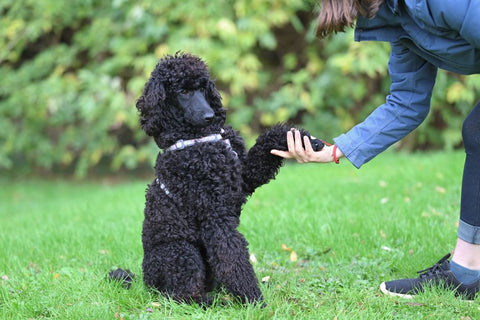
autumn dog
Autumn Dog Nail Care: Ditching the Drama & Embracing Healthy Paws
Sep 04, 2026
autumn dog
Autumn Dog Beds: Why Your Pup Still Gets Hot & How to Fix It
Sep 03, 2026
freedom fumble
Retractable Leashes: Freedom or Fumble?
Sep 03, 2026
bird gear
Best Chicken Coop Swing & Toy for Dogs: 2026 Guide
Sep 02, 2026
autumn paw
Autumn Paw Patrol: Stop Litter Tracks for Good
Sep 02, 2026
arms automatic
Tired Arms? Automatic Toys for Small Dogs That Actually Work
Sep 01, 2026
dog gear
Unleash Their Inner Athlete: Backyard Dog Agility Secrets
Sep 01, 2026
agility seesaw
Best Dog Agility Seesaw for Dogs: 2026 Guide
Aug 10, 2026
cat play
Dog-Proof Cat Play: Harmony in Your Shared Spaces
Aug 10, 2026
dog gear
Summer Dog Travel: for Stress-Free Adventures
Aug 10, 2026
anxious dog
Anxious Dog? : A Calming Bed That Actually Works
Jul 08, 2026
automatic cat feeder
Smart Automatic Pet Feeder vs. Gravity Feeder: Which is Best for Your Pet's Routine?
Jul 08, 2026
dog gear
Hiking with Your Dog: The Long Leash Dilemma Solved
Jul 08, 2026
mess solved
Paw Mess Solved
Jul 07, 2026
dog gear
Dog Eats Too Fast? Ragnor's Fix for Gulping & Bloat
Jul 07, 2026
beyond fetch
Summer Dog Games: Beyond Fetch
Jul 07, 2026
breathable dog car seat
Stay Cool on the Road: Top 5 Cooling Dog Car Seat Covers for Summer Adventures
Jul 07, 2026
invaders keep
Yard Invaders? How to Keep Stray Dogs Away (Kindly)
Jul 07, 2026
avoid drama
Clipping Dog Nails: Avoid the Drama & Do It Right
Jul 06, 2026
brachycephalic dog gear
Best No-Pull Harness for French Bulldogs: Comfort, Control & Style
Jul 06, 2026
bored dog
Bored Dog? Unleash Happiness with Vertical Play
Jul 06, 2026
clothes jackets
Best Dog Clothes & Jackets for Dogs: 2026 Guide
Jul 06, 2026
pet care gear
Best Portable Pet Water Bottle for Dogs: 2026 Guide
Jul 05, 2026
foes scratch
Furniture Foes: for Scratch-Proof Paws
Jul 05, 2026
best dog toys
The Ultimate Guide: Choosing Indestructible Dog Toys for Aggressive Chewers
Jul 05, 2026
dog gear
Unleash Their Inner Olympian: Home Agility for Any Dog
Jul 05, 2026
dog gear
Lost Dog Panic? GPS Trackers Actually Work. Here's How.
Jul 05, 2026
anxiety regular
Dog Anxiety: Why Regular Beds Aren't Enough
Jul 04, 2026
dog gear
Summer Dog Safety
Jul 04, 2026
automatic pet feeder
Smart Automatic Pet Feeder vs. Timed Feeder: Which is Best for Your Pet?
Jul 04, 2026
dog gear
Summer Walks: Give Your Dog Freedom (Safely!)
Jul 04, 2026
dog gear
Summer Frisbee Fun: A Dog's Guide to Outdoor Play
Jul 03, 2026
pet care gear
Summer Scratch Solutions
Jul 03, 2026
dog gear
Unleash Their Inner Olympian: DIY Dog Agility for Happy Paws
Jul 03, 2026
dog safety at night
Reflective Dog Leashes & Collars: Enhance Nighttime Safety
Jul 03, 2026
chews that
Problem solved: Chews that stand up to your power chewer
Jul 03, 2026
dog gear
Potty Training a Puppy? Why Litter Boxes Are a Bad Idea
Jul 02, 2026
pet care gear
Summer Road Trips: Protect Your Car Seats
Jul 02, 2026
color what
Dog Pee Color: What It's Telling You (And What to Do)
Jul 02, 2026
dog gear
Summer Shedding: Stop the Dog Hair Avalanche!
Jul 02, 2026
automatic ball launcher for dogs
Choosing the Right Automatic Ball Launcher for Dogs: Endless Playtime
Jul 02, 2026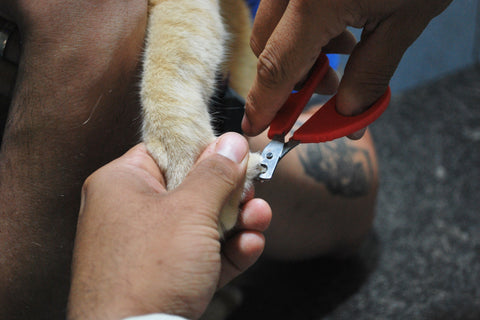
clipping dog
Clipping Dog Nails: Why It's Hard & What Truly Helps
Jul 02, 2026
dog gear
Dog Parkour? Elevate Their Chill
Jul 01, 2026
board dogs
Best Cat Scratching Post & Board for Cats: 2026 Guide
Jul 01, 2026
aggressive chewers
Top 5 Indestructible Dog Toys for Power Chewers: Built to Last
Jul 01, 2026