
dog gear
dog health
foam picking
Orthopedic vs. Memory Foam: Picking Your Dog's Perfect Bed

Dogs spend a significant portion of their lives sleeping, approximately 12 to 14 hours per day for adults, and even more for puppies and seniors. The surface they rest on directly impacts their joint health, spinal alignment, and overall comfort. Ignoring this can lead to exacerbated conditions like osteoarthritis, hip dysplasia, or elbow dysplasia, which are prevalent in many breeds, including German Shepherds (hip and elbow dysplasia rates can exceed 20%) and Labradors (often genetically predisposed to joint issues). A suboptimal bed can create pressure points, restrict blood flow, and prevent restorative sleep, ultimately diminishing a dog's quality of life. Understanding the differences between an orthopedic vs memory foam dog bed is crucial for mitigating these risks and ensuring proper physical support.
Orthopedic dog beds are engineered to provide firm, even support across a dog's entire body, often utilizing a high-density foam base layer to prevent sinking and maintain spinal alignment. Memory foam dog beds, a subset of orthopedic designs, excel at contouring precisely to a dog's unique shape, distributing weight evenly and relieving pressure points. For large breeds or dogs with diagnosed joint conditions, a multi-layer orthopedic bed with a robust foam density of 2.5-3.5 lbs/ft³ is generally superior, while younger, active dogs might benefit from the pressure relief of memory foam for recovery.
Quick Specs
| Parameter Category | Technical Specification and Safety Thresholds |
|---|---|
| Breed and Weight Fit | Suitable for all breeds, especially large breeds like Great Danes (100-200 lbs) and senior dogs. Max weight capacity: 200 lbs. |
| Target Architecture | Multi-layer foam construction, minimum 4 inches total thickness, with a high-density base layer (2.5-3.5 lbs/ft³). |
| Material Hardness | Base foam: 40-50 ILD (Indentation Load Deflection). Memory foam top layer: 10-14 ILD. |
| Fabric or Build Reinforcement | Rip-stop ballistic nylon or durable canvas cover (600D+ thread count) with hidden zippers and double-stitched seams. Waterproof liner recommended. |
| Chemical Safety | CertiPUR-US certified foam (free from ozone depleters, heavy metals, formaldehyde, phthalates). |
| Price Spectrum | $40 to $150+ depending on size and features at FurryFable. |
Understanding Orthopedic Dog Beds: Beyond Basic Comfort
The term "orthopedic" in dog beds refers to a design principle centered on supporting the skeletal and muscular systems. It's not just about softness, but about structural integrity that maintains proper spinal alignment and evenly distributes a dog's weight. A true orthopedic bed typically uses high-density foam, which resists compression and prevents a dog from sinking to the hard floor. This is particularly vital for breeds prone to joint issues, such as Rottweilers, who often suffer from elbow dysplasia, or older Golden Retrievers experiencing arthritis. The core benefit of an orthopedic bed is its ability to provide consistent support. Imagine a Great Dane, weighing 150 lbs, trying to rest on a flimsy bed. Their sheer mass would quickly compress standard foam, leading to pressure points on their hips, shoulders, and elbows. An orthopedic bed, with its firm foundation, prevents this. It ensures that the dog's joints are elevated and supported, reducing strain and promoting better circulation. This is critical for recovery after exercise, managing chronic pain, or simply providing a comfortable resting place that doesn't exacerbate existing conditions. Look for beds with a minimum of 4 inches of dense foam, with a density rating of at least 2.5 lbs/ft³. Anything less will likely compress too quickly for heavier breeds or those needing significant support.The Science of Memory Foam in Dog Beds
Memory foam, or viscoelastic foam, is a type of polyurethane foam that reacts to body heat and pressure, softening and molding to the contours of the body. This unique property allows it to distribute weight more evenly than traditional foams, virtually eliminating pressure points. For a dog, this means their hips, shoulders, and spine are cradled precisely, rather than having certain areas bear the brunt of their weight. This can be especially beneficial for breeds like Greyhounds, known for their prominent bone structure, where pressure points can quickly become uncomfortable. The primary advantage of memory foam is its superior pressure relief. When a dog lies on memory foam, the material slowly conforms to their shape, creating a custom impression. This reduces the force exerted on specific joints, which can be invaluable for dogs with arthritis, recovering from surgery, or those experiencing general aches and pains. However, not all memory foam is created equal. Low-density memory foam (below 2.5 lbs/ft³) can break down quickly, losing its supportive properties and becoming less effective. Furthermore, memory foam can retain heat, which might be a concern for breeds with thick coats like Bernese Mountain Dogs, especially in warmer climates. Some manufacturers address this with gel-infused memory foam or open-cell designs to improve airflow.Orthopedic vs. Memory Foam: Key Distinctions and Overlap
The distinction between an orthopedic vs memory foam dog bed can be nuanced because memory foam is often a component within a broader orthopedic design. A truly orthopedic bed typically features a multi-layer construction: a dense, supportive base foam (often polyurethane) forms the structural foundation, preventing the bed from bottoming out. On top of this base, there might be a layer of memory foam or another specialized foam for added contouring and pressure relief. Think of it this way: all memory foam beds offer orthopedic benefits due to their pressure-relieving qualities, but not all orthopedic beds exclusively use memory foam. Some orthopedic beds might use a combination of high-density polyfoam and convoluted foam to achieve support and comfort without a memory foam layer. The critical difference lies in the primary function. Orthopedic beds prioritize firm, overall structural support to maintain spinal alignment and prevent sagging. Memory foam beds prioritize contouring and pressure point elimination. For a young, healthy Golden Retriever, a memory foam top layer might provide excellent comfort and muscle recovery. For an elderly Mastiff with severe hip dysplasia, a robust orthopedic bed with a very firm base and a moderate memory foam top layer would offer superior long-term joint support, preventing further deterioration.Choosing the Right Bed for Your Dog's Specific Needs
Selecting the ideal bed depends heavily on your dog's age, breed, health status, and sleeping habits.Puppies and Young, Active Dogs
For puppies and young, healthy dogs, the primary concern is proper growth and injury prevention. A medium-density memory foam bed can offer excellent comfort and support for growing bones and muscles, aiding in recovery after active play. These dogs may not require the extreme firmness of a high-density orthopedic bed yet, but a good quality memory foam will still protect their joints. Consider the FurryFable Round Plush Pet Bed for Dogs & Cats, which offers a comfortable, supportive core ideal for younger dogs up to 60 lbs. It features a responsive 2.5 lbs/ft³ memory foam top layer with a soft 12 ILD rating that perfectly contours to a growing pup's frame, paired with a plush exterior that encourages natural nesting behaviors.Adult Dogs with No Known Issues
Healthy adult dogs benefit from a balance of support and comfort. A bed with a solid foam base and a memory foam top layer is often an excellent choice. This combination provides the structural integrity needed to prevent sagging, while the memory foam contours to their body, offering superior pressure relief during long rest periods. It's a proactive measure to maintain joint health and prevent future problems. The thickness should be appropriate for their weight; a 4-inch bed is suitable for dogs up to 80 lbs, while larger breeds might need 6 inches or more.Senior Dogs and Dogs with Joint Conditions
This is where the distinction becomes most critical. For senior dogs, or those diagnosed with hip dysplasia, arthritis, or other mobility issues, a high-quality orthopedic bed is non-negotiable. Look for multi-layer designs with a very firm, high-density foam base (3.0-3.5 lbs/ft³) that will not compress under their weight, even after years of use. This base prevents sinking and ensures proper spinal alignment. A memory foam layer on top, typically 1-2 inches thick, will provide the necessary pressure relief without compromising the underlying support. The goal is to lift the dog's body, especially their joints, off the hard floor entirely. The XL Waterproof Oxford Pet Bed - Durable, Easy Clean, All-Season is a Ragnor's pick for larger, older breeds. Its heavy-duty architecture boasts a 5-inch thick, multi-layer foam core featuring a base density of 2.8 lbs/ft³ and a firm 45 ILD rating to offer unwavering support for dogs up to 120 lbs. Wrapped in a 600D Oxford fabric cover that withstands 50,000 cycles on the Martindale abrasion test, it safely protects weakened senior joints from bottoming out on hard floors.Dogs Prone to Overheating
Some breeds, like Bulldogs or Pugs, are more susceptible to overheating. Traditional memory foam can trap heat. For these dogs, consider orthopedic beds that incorporate cooling gel-infused memory foam or have a design with enhanced airflow. The FurryFable XXXL cooling mesh pet bed - Ventilated Relief is specifically curated by Ragnor for breeds requiring superior ventilation. Built with a powder-coated steel framework that anchors an elevated PVC-coated mesh suspension system, it delivers true 360-degree airflow to prevent heat retention while reliably suspending massive breeds up to 150 lbs entirely off compressed floor points.Why We Chose These for FurryFable
Ragnor evaluated dog beds for FurryFable based on stringent criteria, prioritizing genuine orthopedic benefit, material durability, and chemical safety. We specifically sought out beds that offered verifiable foam densities, robust cover materials, and thoughtful design elements that cater to a wide range of canine needs, from active puppies to senior dogs with mobility challenges. Our selection process for the dog beds and mats collection focuses on:- Foam Density and ILD Rating: We prioritize beds with a minimum base foam density of 2.5 lbs/ft³ and an ILD (Indentation Load Deflection) rating of 30-50 for the support layer. This ensures the bed provides true support and prevents bottoming out, especially for heavier breeds. Memory foam layers are selected for densities between 2.5-3.0 lbs/ft³ and ILD ratings of 10-14, striking a balance between contouring and preventing excessive sinkage.
- Multi-Layer Construction: The most effective orthopedic beds utilize multiple foam layers. A firm base provides foundational support, while a softer top layer (often memory foam) offers pressure relief. This stratified approach is crucial for spinal alignment and joint cushioning.
- CertiPUR-US Certification: All foam products Ragnor selected are CertiPUR-US certified, guaranteeing they are made without ozone depleters, PBDE flame retardants, mercury, lead, heavy metals, formaldehyde, and phthalates. This ensures the bed is safe for your dog's prolonged contact.
- Durable and Washable Covers: We look for covers made from robust materials like 600D+ Oxford fabric or ballistic nylon, which can withstand scratching and light chewing. Removable, machine-washable covers are essential for hygiene and extending the life of the bed. Hidden zippers are also a critical feature to prevent dogs from chewing on them.
- Waterproof Liners: For senior dogs or those prone to accidents, an internal waterproof liner is a non-negotiable feature. This protects the foam core from moisture, preventing odors and mildew, and significantly extends the bed's lifespan.
Maintenance and Longevity
Regardless of whether you choose an orthopedic or memory foam bed, proper maintenance is key to its longevity and efficacy. Regularly vacuuming the cover to remove hair and dander is important. Most high-quality dog beds come with removable, machine-washable covers. Follow the manufacturer's washing instructions carefully to avoid shrinking or damaging the fabric. For the foam core, spot cleaning with a mild pet-safe cleaner is usually sufficient. If your dog has frequent accidents, a bed with a waterproof liner is invaluable. Rotating the bed or flipping the foam core periodically can also help prevent uneven wear, especially with larger dogs. Investing in a high-quality orthopedic or memory foam dog bed is an investment in your dog's long-term health and comfort. It's a proactive step to prevent joint issues, manage existing conditions, and ensure your dog enjoys restorative sleep. Understanding the technical specifications and matching them to your dog's unique needs will guide you to the perfect choice. Explore FurryFable's curated selection of dog beds and mats to find the ideal solution for your dog's comfort and well-being: https://www.furryfable.com/collections/dog-beds-matsFrequently Asked Questions
What is the ideal foam density for an orthopedic dog bed for a large breed like a German Shepherd?
For large breeds such as German Shepherds, which are prone to hip and elbow dysplasia, an orthopedic dog bed should have a base foam density of at least 2.8 to 3.5 lbs/ft³. This high density ensures the bed provides firm, consistent support without bottoming out under their weight, maintaining proper spinal alignment and preventing pressure points. Look for beds with a total thickness of 5-7 inches for optimal support. You can find robust options in FurryFable's dog beds and mats collection.
Can memory foam beds cause overheating for dogs in warmer climates?
Traditional memory foam can indeed retain heat, which might be a concern for breeds with thick coats or those living in warm environments. To mitigate this, look for memory foam beds that incorporate cooling technologies such as gel-infused foam, open-cell designs for better airflow, or an elevated mesh structure. The "FurryFable XXXL Cooling Mesh Pet Bed - Ventilated Relief" is a specific option designed to address this concern by providing maximum ventilation.
At what age should I consider an orthopedic bed for my dog, even if they show no signs of joint issues?
It is prudent to consider an orthopedic bed as a preventative measure for larger breeds starting around 5-6 years of age, or for any breed approaching senior status (typically 7+ years). Even without overt signs of joint pain, the consistent support helps maintain joint health and can delay the onset of age-related conditions. For active dogs, it aids in muscle recovery. FurryFable offers a range of comfort and anxiety solutions, including beds designed for preventative care.
Are all dog beds labeled "orthopedic" truly beneficial, or are there specific features to look for?
The term "orthopedic" is not always regulated, so it's crucial to look beyond the label. True orthopedic benefits come from specific features: a high-density foam core (minimum 2.5 lbs/ft³), adequate thickness (at least 4 inches for medium dogs, 5-7 inches for large breeds), and often a multi-layer design with a firm base and a conforming top layer. Avoid beds that feel overly soft or compress easily, as these will not provide the necessary support.
How often should I replace an orthopedic or memory foam dog bed?
The lifespan of an orthopedic or memory foam dog bed depends on the quality of its materials, the dog's weight, and usage. High-quality beds with dense foam can last 5-10 years. You should consider replacement when the foam begins to sag, loses its ability to rebound, or when your dog consistently seeks out other, harder surfaces to rest on, indicating a loss of support. Regular inspection for visible indentations or thinning spots is key.
FurryFable Recommendations
 FurryFable XXXL Cooling Mesh Pet Bed - Ventilated Relief
 FurryFable Round Plush Pet Bed for Dogs & Cats
 XL Waterproof Oxford Pet Bed - Durable, Easy Clean, All-Season
✓ Free USA Shipping✓ Fast Delivery✓ Secure Checkout✓ 100% Satisfaction
R
Ragnor
Pet Trainer & Animal Behaviorist

Ragnor is a certified pet trainer and animal behaviorist with over 10 years of experience helping dog and cat owners across North America find the right gear for their pets' specific breed needs and health conditions. Every recommendation on FurryFable is selected for safety, fit, and breed compatibility.
If you found this helpful, also read: calming donut dog bed.
If you found this helpful, also read: environmental triggers for poor sleep.
You Might Also Like

calming vest
Best Dog Anxiety Vest for Dogs: 2026 Guide
Sep 17, 2026
dog gear
Best Dog Puzzle Toy for Dogs: 2026 Guide
Sep 12, 2026
destroys toys
Why Your Dog Destroys Toys — & How to Finally Stop It
Sep 05, 2026
autumn puppy
Autumn Puppy Potty Training
Sep 05, 2026
collar leash
Best Dog Collar & Leash Set for Dogs: 2026 Guide
Sep 04, 2026
autumn dog
Autumn Dog Nail Care: Ditching the Drama & Embracing Healthy Paws
Sep 04, 2026
autumn dog
Autumn Dog Beds: Why Your Pup Still Gets Hot & How to Fix It
Sep 03, 2026
freedom fumble
Retractable Leashes: Freedom or Fumble?
Sep 03, 2026
bird gear
Best Chicken Coop Swing & Toy for Dogs: 2026 Guide
Sep 02, 2026
autumn paw
Autumn Paw Patrol: Stop Litter Tracks for Good
Sep 02, 2026
arms automatic
Tired Arms? Automatic Toys for Small Dogs That Actually Work
Sep 01, 2026
dog gear
Unleash Their Inner Athlete: Backyard Dog Agility Secrets
Sep 01, 2026
agility seesaw
Best Dog Agility Seesaw for Dogs: 2026 Guide
Aug 10, 2026
cat play
Dog-Proof Cat Play: Harmony in Your Shared Spaces
Aug 10, 2026
dog gear
Summer Dog Travel: for Stress-Free Adventures
Aug 10, 2026
anxious dog
Anxious Dog? : A Calming Bed That Actually Works
Jul 08, 2026
automatic cat feeder
Smart Automatic Pet Feeder vs. Gravity Feeder: Which is Best for Your Pet's Routine?
Jul 08, 2026
dog gear
Hiking with Your Dog: The Long Leash Dilemma Solved
Jul 08, 2026
mess solved
Paw Mess Solved
Jul 07, 2026
dog gear
Dog Eats Too Fast? Ragnor's Fix for Gulping & Bloat
Jul 07, 2026
beyond fetch
Summer Dog Games: Beyond Fetch
Jul 07, 2026
breathable dog car seat
Stay Cool on the Road: Top 5 Cooling Dog Car Seat Covers for Summer Adventures
Jul 07, 2026
invaders keep
Yard Invaders? How to Keep Stray Dogs Away (Kindly)
Jul 07, 2026
avoid drama
Clipping Dog Nails: Avoid the Drama & Do It Right
Jul 06, 2026
brachycephalic dog gear
Best No-Pull Harness for French Bulldogs: Comfort, Control & Style
Jul 06, 2026
bored dog
Bored Dog? Unleash Happiness with Vertical Play
Jul 06, 2026
clothes jackets
Best Dog Clothes & Jackets for Dogs: 2026 Guide
Jul 06, 2026
pet care gear
Best Portable Pet Water Bottle for Dogs: 2026 Guide
Jul 05, 2026
foes scratch
Furniture Foes: for Scratch-Proof Paws
Jul 05, 2026
best dog toys
The Ultimate Guide: Choosing Indestructible Dog Toys for Aggressive Chewers
Jul 05, 2026
dog gear
Unleash Their Inner Olympian: Home Agility for Any Dog
Jul 05, 2026
dog gear
Lost Dog Panic? GPS Trackers Actually Work. Here's How.
Jul 05, 2026
anxiety regular
Dog Anxiety: Why Regular Beds Aren't Enough
Jul 04, 2026
dog gear
Summer Dog Safety
Jul 04, 2026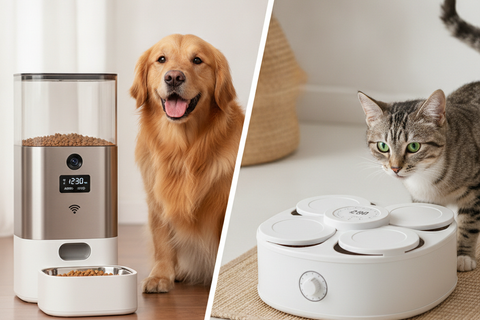
automatic pet feeder
Smart Automatic Pet Feeder vs. Timed Feeder: Which is Best for Your Pet?
Jul 04, 2026
dog gear
Summer Walks: Give Your Dog Freedom (Safely!)
Jul 04, 2026
dog gear
Summer Frisbee Fun: A Dog's Guide to Outdoor Play
Jul 03, 2026
pet care gear
Summer Scratch Solutions
Jul 03, 2026
dog gear
Unleash Their Inner Olympian: DIY Dog Agility for Happy Paws
Jul 03, 2026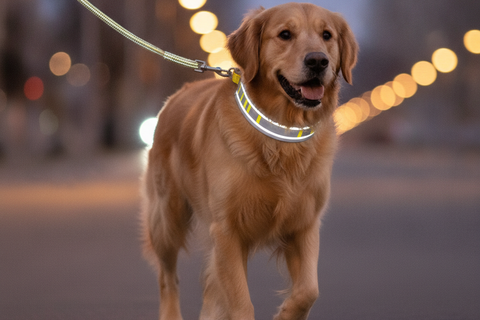
dog safety at night
Reflective Dog Leashes & Collars: Enhance Nighttime Safety
Jul 03, 2026
chews that
Problem solved: Chews that stand up to your power chewer
Jul 03, 2026
dog gear
Potty Training a Puppy? Why Litter Boxes Are a Bad Idea
Jul 02, 2026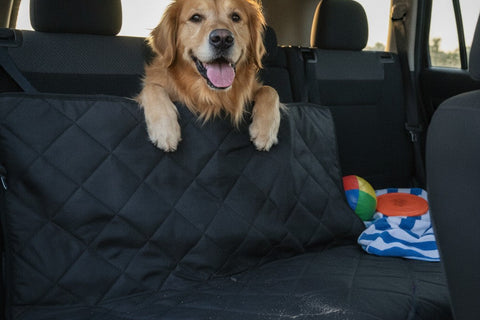
pet care gear
Summer Road Trips: Protect Your Car Seats
Jul 02, 2026
color what
Dog Pee Color: What It's Telling You (And What to Do)
Jul 02, 2026
dog gear
Summer Shedding: Stop the Dog Hair Avalanche!
Jul 02, 2026
automatic ball launcher for dogs
Choosing the Right Automatic Ball Launcher for Dogs: Endless Playtime
Jul 02, 2026
clipping dog
Clipping Dog Nails: Why It's Hard & What Truly Helps
Jul 02, 2026
dog gear
Dog Parkour? Elevate Their Chill
Jul 01, 2026
board dogs
Best Cat Scratching Post & Board for Cats: 2026 Guide
Jul 01, 2026
aggressive chewers
Top 5 Indestructible Dog Toys for Power Chewers: Built to Last
Jul 01, 2026