
carriers what
dog gear
dog health
Dog Travel Carriers: What Actually Works for Happy Trips

When planning a trip with your dog, the immediate concern often shifts from destination to logistics. A common oversight is assuming all carriers offer the same level of safety and comfort. However, selecting an inadequate travel carrier can lead to significant stress for your dog, potential injury during transit, or even non-compliance with airline or vehicle safety regulations. This is particularly true for breeds with specific physical needs, such as brachycephalic dogs requiring enhanced ventilation or large breeds needing reinforced structural integrity. This pet travel carrier buying guide focuses on what truly works to ensure safe, happy journeys for your dog, addressing crucial considerations beyond basic containment.
The most effective dog travel carriers combine robust construction, proper ventilation, and appropriate sizing to allow standing, turning, and lying down comfortably. Prioritize crash-tested designs for vehicle travel, airline-approved dimensions for air travel, and materials that resist chewing while providing adequate airflow. For breeds prone to overheating, such as Bulldogs or Pugs, look for carriers with multiple mesh panels and consider adding a portable fan. For larger, stronger breeds like German Shepherds, opt for rigid, impact-resistant crates with secure, reinforced latches.
Quick Specs
| Parameter Category | Technical Specification and Safety Thresholds |
|---|---|
| Breed and Weight Fit | Accommodates dogs up to 70 lbs / 31.75 kg; interior height minimum 2 inches above standing head, length minimum nose-to-tail plus 6 inches. |
| Target Architecture | Hard-sided for vehicle/cargo, soft-sided for in-cabin airline (collapsible), or travel kennel (multi-modal). |
| Material Hardness | Impact-resistant polypropylene (Shore D hardness 70-80) for hard-sided; 600-900 denier ballistic nylon for soft-sided. |
| Fabric or Build Reinforcement | Seamless molded body or reinforced steel wire frame; double-stitched seams with tear strength >150 lbs/inch; self-locking zipper pulls. |
| Chemical Safety | Non-toxic, BPA-free, phthalate-free materials; lead-free paint/coatings. |
| Price Spectrum | $40 to $250 per item at FurryFable. |
Understanding Your Dog's Travel Needs
Different dogs have different travel requirements, primarily influenced by their size, temperament, and health. A Chihuahua, for instance, might comfortably fit under an airline seat in a soft-sided carrier, while a Golden Retriever requires a robust, hard-sided crate for car or cargo travel. Ignoring these distinctions compromises both safety and comfort. For brachycephalic breeds, such as French Bulldogs or Boston Terriers, heatstroke is a significant risk due to their compromised airways. In a carrier, this risk escalates rapidly in warm environments. These dogs require carriers with maximum mesh ventilation on multiple sides, potentially even a top opening, to ensure adequate airflow. A carrier with limited ventilation could quickly become a hazard, even on short trips. Conversely, for larger, more powerful breeds like Rottweilers or Great Danes, structural integrity is paramount. A flimsy carrier designed for smaller dogs will not contain them safely, especially during sudden stops in a vehicle. These breeds need carriers constructed from high-density, impact-resistant plastics or reinforced metal, with secure latching mechanisms that cannot be easily breached.Hard-Sided Carriers: The Choice for Rigidity and Safety
Hard-sided carriers, typically made from durable plastic or aluminum, offer superior protection for most dogs during vehicle travel and are often mandatory for airline cargo. Their rigid structure prevents collapse, providing a defined safe space that can withstand impacts.Advantages of Hard-Sided Carriers
Hard-sided carriers excel in crash protection. Many models are crash-tested, offering a critical safety feature for car travel. The AVMA advises securing pets in vehicles to prevent injury to both the pet and human occupants, highlighting the importance of robust carriers. Their solid construction makes them difficult for dogs to chew through, a common issue with soft-sided options. This is crucial for strong chewers like Pit Bulls or Boxers, who can quickly destroy fabric. The smooth, non-porous surfaces are also easy to clean, which is a significant benefit for dogs prone to car sickness or accidents.Disadvantages of Hard-Sided Carriers
Their bulkiness is a primary drawback. Hard-sided carriers consume considerable space and can be challenging to maneuver, especially larger sizes. For apartment dwellers or those with limited storage, this can be a practical issue. They are also heavier than soft-sided alternatives, adding to the total weight for airline travel, which can incur additional fees. Some dogs, particularly those not habituated to crates, may find the enclosed nature of hard-sided carriers intimidating.Soft-Sided Carriers: Comfort and Convenience for Specific Use Cases
Soft-sided carriers are generally constructed from durable fabrics like ballistic nylon or polyester, often with mesh panels for ventilation. They are popular for in-cabin airline travel for smaller dogs and short trips.Advantages of Soft-Sided Carriers
The primary benefit of soft-sided carriers is their flexibility and lighter weight. Many are designed to collapse or fold flat, making storage and transport easier. This is ideal for smaller dogs, such as Shih Tzus or Pomeranians, who can fit comfortably under an airline seat. The mesh windows offer good ventilation, which is important, and dogs often feel less confined due to the increased visibility. For anxious dogs, the ability to partially cover the mesh can create a den-like feel, promoting calm.Disadvantages of Soft-Sided Carriers
Safety is the most significant concern with soft-sided carriers, especially for vehicle travel. They offer minimal impact protection and are not crash-tested. In a sudden stop or collision, a soft-sided carrier provides little defense against injury. Chew-prone dogs can easily compromise the structural integrity by chewing through fabric or zippers, potentially escaping or injuring themselves. Furthermore, cleaning can be more difficult than with hard-sided options, as fabric absorbs liquids and odors. Soft-sided carriers are generally unsuitable for larger dogs due to their inherent lack of structural support.Airline and Vehicle Travel: Specific Requirements
The mode of travel dictates carrier choice. Airlines have strict guidelines for both in-cabin and cargo carriers. In-cabin carriers must fit under the seat in front of you, typically measuring around 18" L x 11" W x 11" H, though dimensions vary by airline. These are almost always soft-sided to allow for compression. Cargo carriers, conversely, must be hard-sided, well-ventilated, and meet specific dimensions that allow the dog to stand, turn around, and lie down naturally. For vehicle travel, safety is paramount. The American Veterinary Medical Association recommends securing dogs to prevent distraction and injury. Crash-tested hard-sided crates are the gold standard for vehicle safety. While soft-sided carriers can be used for very short, low-speed trips with small, calm dogs, they should be secured to prevent shifting. Mesh pet barriers can create a contained space within a vehicle, preventing a dog from accessing the front seats, but they do not offer the impact protection of a dedicated crash-tested carrier. For optimal safety, pair a secure carrier with a dog car safety belt for added stability.Why Ragnor Selected These Carriers for FurryFable
When curating pet travel carriers for FurryFable, Ragnor evaluated each product against stringent criteria focused on safety, durability, and species-appropriate design. We prioritize carriers that meet or exceed industry safety standards, particularly for vehicle and airline transport. Materials are scrutinized for non-toxicity, ensuring they are BPA-free and phthalate-free, essential for products dogs may chew or lick. Ventilation is another critical factor. Every carrier Ragnor selected features ample mesh or perforated panels to prevent overheating, especially vital for brachycephalic breeds. Construction methods, such as seamless molded bodies for hard-sided carriers or double-stitched ballistic nylon for soft-sided ones, are examined for their ability to withstand repeated use and potential escape attempts. For hard-sided options, we look for secure, spring-loaded latches that resist accidental opening. For soft-sided, self-locking zipper pulls are a must. Furthermore, ease of cleaning and portability are considered. Removable, machine-washable liners are preferred, and collapsible designs are valued for their practical storage benefits. Our selection ensures that whether you're traveling with a small terrier or a large retriever, FurryFable offers a carrier engineered for their specific needs, promoting calm and safety on every journey. This rigorous evaluation process ensures that every product in our pet outdoor supplies collection meets the high standards expected by discerning pet owners.Our Pick: Hard-Sided for Ultimate Protection
For any travel scenario involving a vehicle or airline cargo, Ragnor's pick is a robust, hard-sided carrier. Consider the FurryFable Heavy-Duty Travel Kennel, constructed from high-impact, Shore D hardness 70 polypropylene. This kennel measures 36" L x 25" W x 27" H, providing ample space for a Labrador up to 70 lbs / 31.75 kg to stand, turn, and lie down comfortably. The seamless molded body eliminates interior corner seams, preventing weak points that could fail under stress or become chew targets. Its reinforced steel wire door features a spring-loaded, self-locking latch mechanism that requires deliberate action to open, preventing accidental escapes. The multiple ventilation windows are strategically placed for cross-airflow, mitigating heat buildup, particularly important for longer journeys. This carrier is designed to integrate with vehicle seat belt systems for added stability and restraint, directly addressing concerns about dog car safety. All materials are non-toxic, BPA-free, and phthalate-free, ensuring your dog's health even if they chew on the interior.Our Pick: Soft-Sided for In-Cabin Convenience
For smaller dogs traveling in-cabin on an airplane, Ragnor selects the FurryFable Airline-Approved Soft Carrier. This carrier is made from 900-denier ballistic nylon, offering exceptional tear resistance of 250 lbs/inch, critical for preventing escapes from determined diggers or chewers. It measures 18" L x 11" W x 11" H, designed to fit standard under-seat dimensions. The triple-stitched seams and self-locking zippers enhance security. Multiple large mesh panels on the top and sides provide superior ventilation, essential for smaller breeds like Yorkshire Terriers or Maltese, who can be prone to overheating in enclosed spaces. The carrier includes a removable, machine-washable fleece lining for comfort and easy cleaning, and its collapsible design allows it to fold flat to 2 inches for convenient storage. The materials are certified non-toxic and free from harmful chemicals, safeguarding your dog's health. Choosing the right dog travel carrier is a decision that directly impacts your dog's safety and well-being. By understanding the specific requirements for different travel modes and prioritizing robust, well-ventilated, and appropriately sized options, you can ensure every trip is a positive experience. Invest in quality, and you invest in peace of mind. Explore our full range of expertly curated pet travel solutions, including carriers, safety gates, and other pet outdoor supplies, at FurryFable.com.Frequently Asked Questions
What size carrier do I need for my German Shepherd for car travel?
For a German Shepherd, you will need a hard-sided carrier that allows them to stand up without their head touching the top, turn around easily, and lie down in a natural position. Measure your dog from nose to tail and from the top of their head to the ground while standing. The carrier should be at least 6 inches longer than your dog's nose-to-tail measurement and 2-3 inches taller than their standing height. For a typical adult German Shepherd, this often translates to a carrier around 42-48 inches in length, depending on the individual dog's size. Ensure the carrier is crash-tested for optimal safety in a vehicle, and consider pairing it with a dog car safety belt for added stability.
Are soft-sided carriers safe for all dogs during car travel?
No, soft-sided carriers are generally not safe for all dogs during car travel. They offer minimal impact protection in the event of a collision or sudden stop. While they might be suitable for very small, calm dogs on short, low-speed trips when securely fastened, they are not crash-tested and provide little structural integrity against forces. For optimal car safety, especially for medium to large breeds or any dog prone to anxiety or chewing, a crash-tested, hard-sided carrier is always recommended. For smaller dogs, ensure the carrier is secured to prevent it from becoming a projectile. Consider exploring our pet outdoor supplies for robust travel options.
How can I make a travel carrier more comfortable for my anxious dog?
To increase comfort for an anxious dog, start by introducing the carrier at home as a positive space, not just for travel. Place soft bedding, familiar toys, and treats inside. Feed meals near or inside the carrier. Gradually increase the time your dog spends in it, leaving the door open. For travel, use a carrier that allows them to stand, turn, and lie down. Line it with a favorite blanket or an item with your scent. Consider covering part of the carrier with a light cloth to create a den-like environment, which can reduce visual stimulation and promote calm. For severe anxiety, consult your veterinarian about calming aids or techniques before travel.
What are the ventilation requirements for airline cargo travel?
For airline cargo travel, carriers must have ventilation openings on at least three sides for domestic flights, and four sides for international flights. These openings must be large enough to provide ample airflow, typically consisting of wire mesh or air holes. The mesh must be securely attached and chew-proof. Proper ventilation is crucial to prevent overheating, especially for dogs in cargo holds where temperatures can fluctuate. Always check with your specific airline for their exact ventilation requirements and any breed-specific restrictions, particularly for brachycephalic breeds, which some airlines may not transport in cargo.
Can I use a carrier that is slightly too small if my dog is only in it for short periods?
No, using a carrier that is slightly too small, even for short periods, is not recommended. A carrier must always be large enough for your dog to stand up completely without their head touching the top, turn around comfortably, and lie down in a natural position with limbs extended. Restricting these natural movements can cause discomfort, stress, and even physical injury, especially to joints and muscles. Dogs need adequate space to adjust their position and stretch. Always opt for a carrier that meets or exceeds these minimum size requirements to ensure your dog's well-being.
FurryFable Recommendations
✓ Free USA Shipping✓ Fast Delivery✓ Secure Checkout✓ 100% Satisfaction
R
Ragnor
Pet Trainer & Animal Behaviorist


Ragnor is a certified pet trainer and animal behaviorist with over 10 years of experience helping dog and cat owners across North America find the right gear for their pets' specific breed needs and health conditions. Every recommendation on FurryFable is selected for safety, fit, and breed compatibility.
You Might Also Like

calming vest
Best Dog Anxiety Vest for Dogs: 2026 Guide
Sep 17, 2026
dog gear
Best Dog Puzzle Toy for Dogs: 2026 Guide
Sep 12, 2026
destroys toys
Why Your Dog Destroys Toys — & How to Finally Stop It
Sep 05, 2026
autumn puppy
Autumn Puppy Potty Training
Sep 05, 2026
collar leash
Best Dog Collar & Leash Set for Dogs: 2026 Guide
Sep 04, 2026
autumn dog
Autumn Dog Nail Care: Ditching the Drama & Embracing Healthy Paws
Sep 04, 2026
autumn dog
Autumn Dog Beds: Why Your Pup Still Gets Hot & How to Fix It
Sep 03, 2026
freedom fumble
Retractable Leashes: Freedom or Fumble?
Sep 03, 2026
bird gear
Best Chicken Coop Swing & Toy for Dogs: 2026 Guide
Sep 02, 2026
autumn paw
Autumn Paw Patrol: Stop Litter Tracks for Good
Sep 02, 2026
arms automatic
Tired Arms? Automatic Toys for Small Dogs That Actually Work
Sep 01, 2026
dog gear
Unleash Their Inner Athlete: Backyard Dog Agility Secrets
Sep 01, 2026
agility seesaw
Best Dog Agility Seesaw for Dogs: 2026 Guide
Aug 10, 2026
cat play
Dog-Proof Cat Play: Harmony in Your Shared Spaces
Aug 10, 2026
dog gear
Summer Dog Travel: for Stress-Free Adventures
Aug 10, 2026
anxious dog
Anxious Dog? : A Calming Bed That Actually Works
Jul 08, 2026
automatic cat feeder
Smart Automatic Pet Feeder vs. Gravity Feeder: Which is Best for Your Pet's Routine?
Jul 08, 2026
dog gear
Hiking with Your Dog: The Long Leash Dilemma Solved
Jul 08, 2026
mess solved
Paw Mess Solved
Jul 07, 2026
dog gear
Dog Eats Too Fast? Ragnor's Fix for Gulping & Bloat
Jul 07, 2026
beyond fetch
Summer Dog Games: Beyond Fetch
Jul 07, 2026
breathable dog car seat
Stay Cool on the Road: Top 5 Cooling Dog Car Seat Covers for Summer Adventures
Jul 07, 2026
invaders keep
Yard Invaders? How to Keep Stray Dogs Away (Kindly)
Jul 07, 2026
avoid drama
Clipping Dog Nails: Avoid the Drama & Do It Right
Jul 06, 2026
brachycephalic dog gear
Best No-Pull Harness for French Bulldogs: Comfort, Control & Style
Jul 06, 2026
bored dog
Bored Dog? Unleash Happiness with Vertical Play
Jul 06, 2026
clothes jackets
Best Dog Clothes & Jackets for Dogs: 2026 Guide
Jul 06, 2026
pet care gear
Best Portable Pet Water Bottle for Dogs: 2026 Guide
Jul 05, 2026
foes scratch
Furniture Foes: for Scratch-Proof Paws
Jul 05, 2026
best dog toys
The Ultimate Guide: Choosing Indestructible Dog Toys for Aggressive Chewers
Jul 05, 2026
dog gear
Unleash Their Inner Olympian: Home Agility for Any Dog
Jul 05, 2026
dog gear
Lost Dog Panic? GPS Trackers Actually Work. Here's How.
Jul 05, 2026
anxiety regular
Dog Anxiety: Why Regular Beds Aren't Enough
Jul 04, 2026
dog gear
Summer Dog Safety
Jul 04, 2026
automatic pet feeder
Smart Automatic Pet Feeder vs. Timed Feeder: Which is Best for Your Pet?
Jul 04, 2026
dog gear
Summer Walks: Give Your Dog Freedom (Safely!)
Jul 04, 2026
dog gear
Summer Frisbee Fun: A Dog's Guide to Outdoor Play
Jul 03, 2026
pet care gear
Summer Scratch Solutions
Jul 03, 2026
dog gear
Unleash Their Inner Olympian: DIY Dog Agility for Happy Paws
Jul 03, 2026
dog safety at night
Reflective Dog Leashes & Collars: Enhance Nighttime Safety
Jul 03, 2026
chews that
Problem solved: Chews that stand up to your power chewer
Jul 03, 2026
dog gear
Potty Training a Puppy? Why Litter Boxes Are a Bad Idea
Jul 02, 2026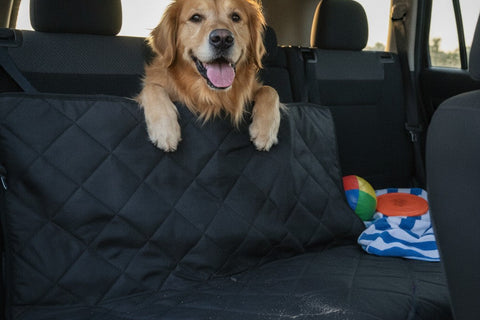
pet care gear
Summer Road Trips: Protect Your Car Seats
Jul 02, 2026
color what
Dog Pee Color: What It's Telling You (And What to Do)
Jul 02, 2026
dog gear
Summer Shedding: Stop the Dog Hair Avalanche!
Jul 02, 2026
automatic ball launcher for dogs
Choosing the Right Automatic Ball Launcher for Dogs: Endless Playtime
Jul 02, 2026
clipping dog
Clipping Dog Nails: Why It's Hard & What Truly Helps
Jul 02, 2026
dog gear
Dog Parkour? Elevate Their Chill
Jul 01, 2026
board dogs
Best Cat Scratching Post & Board for Cats: 2026 Guide
Jul 01, 2026
aggressive chewers
Top 5 Indestructible Dog Toys for Power Chewers: Built to Last
Jul 01, 2026