
collar size guide
dog
pet wellness
Collar Size Guide for Puppies: Avoiding the Growth Gap

Puppy Collar Size Guide: Navigating the Growth Gap for Optimal Comfort and Safety
For the discerning pet parent, welcoming a puppy into your home is a commitment to nurturing their growth, health, and happiness. A fundamental aspect of responsible puppy care is selecting the correct collar – a decision far more nuanced than it appears due to a puppy's rapid development. At FurryFable.com, we understand that finding the perfect fit is paramount to safety, comfort, and effective training. This guide, informed by current pet industry trends and expert insights, helps premium pet parents navigate the critical "growth gap" and ensure their puppy's collar journey is a seamless one.
The pet industry continues its robust growth trajectory, with projections for 2026 highlighting a sustained emphasis on proactive pet wellness, premiumization, and personalized care. The American Pet Products Association (APPA) consistently notes the significant increase in pet parent investment in products that enhance pet well-being and safety. Similarly, the American Kennel Club (AKC) consistently advocates for responsible pet ownership, which unequivocally includes ensuring your puppy's collar is both secure and comfortable from day one.
The Imperative of a Properly Sized Puppy Collar
A puppy's collar is more than just an accessory; it's a vital tool for identification, safety, and training. An ill-fitting collar can lead to a myriad of issues, compromising your puppy's well-being:
- Safety Hazards: A collar that is too loose can easily slip over your puppy's head, leading to escape or entanglement risks. Conversely, a collar that is too tight can restrict breathing, cause skin irritation, neck damage, or even choke your puppy.
- Discomfort and Stress: Constant rubbing from an ill-fitting collar can lead to fur loss, skin sores, and general discomfort, potentially impacting your puppy's temperament and willingness to wear a collar.
- Training Impediments: Proper leash training relies on a secure, comfortable collar. If the collar causes discomfort or distraction, it can hinder positive reinforcement and delay essential behavioral learning.
- Long-Term Health: Chronic pressure on a puppy’s developing neck can potentially impact their trachea or thyroid health over time.
This commitment to optimal fit aligns perfectly with the pet industry's prevailing trend toward proactive pet wellness and the growing demand for high-quality, ergonomically designed pet products that prioritize animal comfort and safety.
Understanding Puppy Growth Stages and Collar Adjustments
Puppies grow at an astonishing rate, often doubling or tripling their initial size within their first few months. This rapid development creates the "growth gap" challenge: a collar that fits perfectly one week may be dangerously tight or too loose the next. Premium pet parents understand the necessity of frequent monitoring and adjustment.
Regularly checking your puppy's collar fit, especially during growth spurts, is a non-negotiable aspect of their care. Some puppies may require a new size every few weeks initially, a proactive measure that aligns with the industry's shift towards personalized and adaptive pet care solutions.
The FurryFable.com "Two-Finger Rule" for Puppy Collar Fit
The universally accepted "two-finger rule" is the gold standard for checking your puppy's collar fit. This simple yet effective method ensures sufficient space for comfort and safety without being loose enough to slip off.
- Step 1: Position the Collar: Place the collar comfortably around your puppy's neck, just behind their ears and above their shoulders.
- Step 2: Check the Gap: You should be able to comfortably slide two fingers, stacked flat, between the collar and your puppy's neck. If you can fit more than two fingers, the collar is too loose. If you struggle to fit two fingers, it's too tight.
- Step 3: Test for Security: Once the collar is adjusted, gently try to pull it over your puppy's head. It should not easily slip off.
- Step 4: Monitor Regularly: Reapply the two-finger rule weekly, or even daily during significant growth spurts.
Selecting the Right Collar Material and Style for Your Growing Puppy
For puppies, comfort and safety should dictate material and style choices. Soft, lightweight materials are ideal to prevent irritation on sensitive puppy skin.
- Adjustable Nylon Collars: These are excellent for puppies due to their adjustability, durability, and ease of cleaning. They come in various widths, allowing you to select one appropriate for your puppy’s breed size.
- Soft Leather Collars: Some premium soft leather options can also be suitable, provided they are lightweight and well-finished to prevent chafing.
- Buckle vs. Quick-Release: While traditional buckle collars are secure, quick-release buckles offer an added layer of safety in case of entanglement, a feature increasingly sought after by safety-conscious pet parents.
Remember that for certain breeds or training needs, a harness might be a more suitable option, especially for puppies prone to pulling or those with delicate tracheas. Explore FurryFable.com's Premium Harnesses and Leashes for a comprehensive range of choices designed for comfort and control.
General Puppy Collar Size Chart Considerations
While a precise "puppy collar size chart" often depends on breed, age, and individual growth, understanding the principles allows for informed selection. Always prioritize actual measurement over generalized charts. The key is to measure your puppy's neck circumference with a soft tape measure and then apply the "two-finger rule" to the selected collar.
- Extra-Small Puppy (e.g., Toy Breeds, Chihuahuas): Often start with collars in the 6-10 inch range.
- Small Puppy (e.g., Terriers, Pugs, Beagles): Typically begin with collars in the 8-14 inch range.
- Medium Puppy (e.g., Australian Shepherds, Border Collies): May start with collars around 12-18 inches.
- Large Puppy (e.g., Labradors, Golden Retrievers, German Shepherds): Often require initial collars in the 14-22 inch range.
- Giant Puppy (e.g., Great Danes, Mastiffs): Can quickly grow into collars in the 18-26 inch range or larger.
Always purchase a collar that allows for several inches of growth beyond the current "two-finger rule" measurement, anticipating that you will adjust it frequently or upgrade to the next size as your puppy matures.
Proactive Puppy Wellness: Beyond the Collar
The thoughtful selection and maintenance of your puppy's collar are components of a broader philosophy of proactive pet wellness, a central theme in the evolving pet industry for 2026 and beyond. This holistic approach, championed by organizations like the AKC, extends to every facet of your puppy's life:
- Nutrition: High-quality, breed-appropriate nutrition.
- Exercise & Mental Stimulation: Engaging toys and activities.
- Veterinary Care: Regular check-ups and preventative treatments.
- Training & Socialization: Building a well-adjusted companion.
- Comfort & Safety: Ensuring all products, from collars to bedding, enhance their well-being.
FurryFable.com is dedicated to providing products that support every aspect of your puppy's healthy development. Explore FurryFable.com's Premium Harnesses and Leashes for superior control and comfort during walks, and Discover Our Pet Apparel Collection for Comfort and Style to keep your puppy cozy and protected in various climates.
FurryFable.com's Commitment to Your Puppy's Journey
At FurryFable.com, we are more than just a premium pet products retailer; we are partners in your pet parenting journey. We meticulously curate our collections to ensure they meet the highest standards of quality, safety, and functionality, aligning with the sophisticated demands of today's pet parents. By understanding the intricacies of puppy growth and collar sizing, you empower your furry companion to thrive in comfort and security, reflecting the core values of responsible pet ownership that define our community.
FurryFable Recommendations
 FurryFable Reflective AirTag Pet Collar | Waterproof Nylon
✓ Free USA Shipping✓ Fast Delivery✓ Secure Checkout✓ 100% Satisfaction
If you found this helpful, also read: identification, safety, and training.
You Might Also Like

calming vest
Best Dog Anxiety Vest for Dogs: 2026 Guide
Sep 17, 2026
dog gear
Best Dog Puzzle Toy for Dogs: 2026 Guide
Sep 12, 2026
destroys toys
Why Your Dog Destroys Toys — & How to Finally Stop It
Sep 05, 2026
autumn puppy
Autumn Puppy Potty Training
Sep 05, 2026
collar leash
Best Dog Collar & Leash Set for Dogs: 2026 Guide
Sep 04, 2026
autumn dog
Autumn Dog Nail Care: Ditching the Drama & Embracing Healthy Paws
Sep 04, 2026
autumn dog
Autumn Dog Beds: Why Your Pup Still Gets Hot & How to Fix It
Sep 03, 2026
freedom fumble
Retractable Leashes: Freedom or Fumble?
Sep 03, 2026
bird gear
Best Chicken Coop Swing & Toy for Dogs: 2026 Guide
Sep 02, 2026
autumn paw
Autumn Paw Patrol: Stop Litter Tracks for Good
Sep 02, 2026
arms automatic
Tired Arms? Automatic Toys for Small Dogs That Actually Work
Sep 01, 2026
dog gear
Unleash Their Inner Athlete: Backyard Dog Agility Secrets
Sep 01, 2026
agility seesaw
Best Dog Agility Seesaw for Dogs: 2026 Guide
Aug 10, 2026
cat play
Dog-Proof Cat Play: Harmony in Your Shared Spaces
Aug 10, 2026
dog gear
Summer Dog Travel: for Stress-Free Adventures
Aug 10, 2026
anxious dog
Anxious Dog? : A Calming Bed That Actually Works
Jul 08, 2026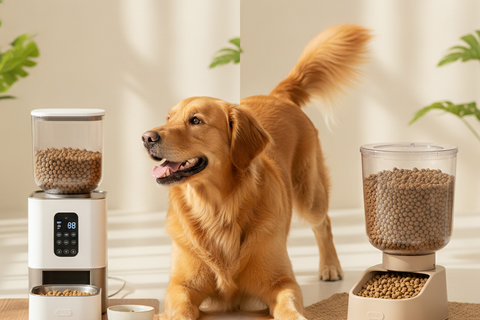
automatic cat feeder
Smart Automatic Pet Feeder vs. Gravity Feeder: Which is Best for Your Pet's Routine?
Jul 08, 2026
dog gear
Hiking with Your Dog: The Long Leash Dilemma Solved
Jul 08, 2026
mess solved
Paw Mess Solved
Jul 07, 2026
dog gear
Dog Eats Too Fast? Ragnor's Fix for Gulping & Bloat
Jul 07, 2026
beyond fetch
Summer Dog Games: Beyond Fetch
Jul 07, 2026
breathable dog car seat
Stay Cool on the Road: Top 5 Cooling Dog Car Seat Covers for Summer Adventures
Jul 07, 2026
invaders keep
Yard Invaders? How to Keep Stray Dogs Away (Kindly)
Jul 07, 2026
avoid drama
Clipping Dog Nails: Avoid the Drama & Do It Right
Jul 06, 2026
brachycephalic dog gear
Best No-Pull Harness for French Bulldogs: Comfort, Control & Style
Jul 06, 2026
bored dog
Bored Dog? Unleash Happiness with Vertical Play
Jul 06, 2026
clothes jackets
Best Dog Clothes & Jackets for Dogs: 2026 Guide
Jul 06, 2026
pet care gear
Best Portable Pet Water Bottle for Dogs: 2026 Guide
Jul 05, 2026
foes scratch
Furniture Foes: for Scratch-Proof Paws
Jul 05, 2026
best dog toys
The Ultimate Guide: Choosing Indestructible Dog Toys for Aggressive Chewers
Jul 05, 2026
dog gear
Unleash Their Inner Olympian: Home Agility for Any Dog
Jul 05, 2026
dog gear
Lost Dog Panic? GPS Trackers Actually Work. Here's How.
Jul 05, 2026
anxiety regular
Dog Anxiety: Why Regular Beds Aren't Enough
Jul 04, 2026
dog gear
Summer Dog Safety
Jul 04, 2026
automatic pet feeder
Smart Automatic Pet Feeder vs. Timed Feeder: Which is Best for Your Pet?
Jul 04, 2026
dog gear
Summer Walks: Give Your Dog Freedom (Safely!)
Jul 04, 2026
dog gear
Summer Frisbee Fun: A Dog's Guide to Outdoor Play
Jul 03, 2026
pet care gear
Summer Scratch Solutions
Jul 03, 2026
dog gear
Unleash Their Inner Olympian: DIY Dog Agility for Happy Paws
Jul 03, 2026
dog safety at night
Reflective Dog Leashes & Collars: Enhance Nighttime Safety
Jul 03, 2026
chews that
Problem solved: Chews that stand up to your power chewer
Jul 03, 2026
dog gear
Potty Training a Puppy? Why Litter Boxes Are a Bad Idea
Jul 02, 2026
pet care gear
Summer Road Trips: Protect Your Car Seats
Jul 02, 2026
color what
Dog Pee Color: What It's Telling You (And What to Do)
Jul 02, 2026
dog gear
Summer Shedding: Stop the Dog Hair Avalanche!
Jul 02, 2026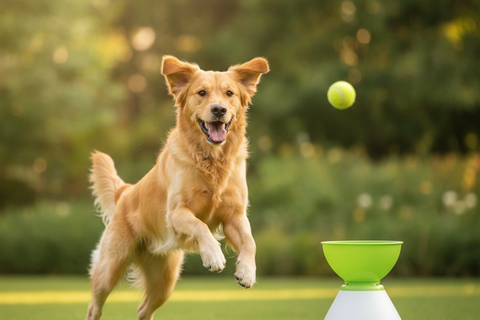
automatic ball launcher for dogs
Choosing the Right Automatic Ball Launcher for Dogs: Endless Playtime
Jul 02, 2026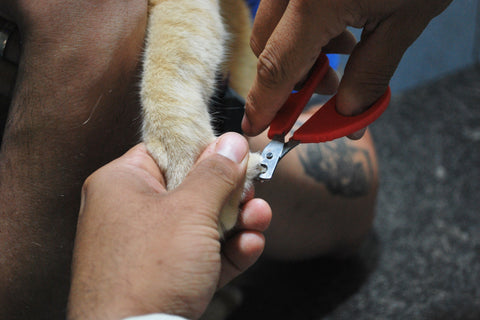
clipping dog
Clipping Dog Nails: Why It's Hard & What Truly Helps
Jul 02, 2026
dog gear
Dog Parkour? Elevate Their Chill
Jul 01, 2026
board dogs
Best Cat Scratching Post & Board for Cats: 2026 Guide
Jul 01, 2026
aggressive chewers
Top 5 Indestructible Dog Toys for Power Chewers: Built to Last
Jul 01, 2026