
cat gear
cat health
cleaning litter
Self-Cleaning Litter Boxes: A Cat Owner's Reality Check

The daily ritual of scooping a litter box is a constant for cat owners. It is a task that often prompts thoughts of automation. Many consider if a self cleaning litter box worth it for their household.
These devices promise convenience, but their real-world application varies. Understanding their mechanics and limitations is crucial before investing. This article will provide a reality check on self-cleaning litter boxes.
Self-cleaning litter boxes offer convenience for many cat owners, reducing daily scooping frequency. However, their worth depends on specific cat behaviors, owner expectations, and maintenance commitment. They are most beneficial for single-cat households or cats that consistently use the box without issue. Cats with specific health conditions, litter preferences, or aversion to noise may not adapt well. Regular manual cleaning, even with automation, remains essential for hygiene and early detection of health problems.
Quick Specs
| Parameter Category | Technical Specification and Safety Thresholds |
|---|---|
| Breed and Weight Fit | Suitable for cats weighing 5 lbs / 2.2 kg to 20 lbs / 9 kg. Not recommended for kittens under 6 months or 5 lbs / 2.2 kg due to safety sensor thresholds. |
| Target Architecture | Enclosed, rotating drum or raking mechanism design with integrated waste receptacle. Requires a minimum internal volume of 2.0 cubic feet (56 liters) for proper waste separation. |
| Material Hardness | Polypropylene or ABS plastic housing, Shore D hardness 70-80. Waste bin liners typically 2.0 mil minimum thickness. |
| Fabric or Build Reinforcement | Seamless molded body construction to eliminate internal corner seams where waste can accumulate. Corrosion-resistant internal components. |
| Chemical Safety | BPA-free, phthalate-free, non-toxic plastics. Certified by relevant safety standards for household appliances. |
| Price Spectrum | $200 to $700 per unit at FurryFable, depending on features and capacity. |
The Appeal of Automation: What Self-Cleaning Boxes Promise
The primary draw of a self-cleaning litter box is the promise of reduced manual scooping. These units aim to mechanically remove solid waste and clumps, depositing them into an enclosed receptacle. This can lead to a less odorous environment, especially in multi-cat homes or smaller living spaces. Owners envision less time spent on a chore and more time interacting with their cats. For individuals with mobility issues or sensitive noses, this automation presents a significant convenience.
Beyond convenience, a consistently clean litter box can also address certain behavioral issues. Cats are fastidious animals. A dirty box can lead to inappropriate urination or defecation outside the designated area, a common problem that frustrates many owners. An automated system, theoretically, maintains a cleaner surface, encouraging proper litter box use. This is particularly relevant for cats prone to stress-induced elimination issues or those with a strong aversion to soiled litter.
The Reality Check: Common Challenges and Considerations
While the concept is appealing, several factors complicate the real-world application of self-cleaning litter boxes. Ragnor has evaluated many systems, and consistent themes emerge regarding their limitations.
Cat Acceptance and Behavioral Impacts
Not all cats readily adapt to self-cleaning litter boxes. The noise and movement of the cleaning cycle can be startling. Some cats develop an aversion to the box, leading to elimination outside of it. This is especially true for anxious cats or those sensitive to sudden changes in their environment. Introducing a new litter box, particularly one that moves and makes noise, requires a careful, gradual approach. Owners must observe their cat's reaction closely for any signs of stress or avoidance.
Furthermore, cats are particular about litter type. Many self-cleaning boxes are designed for specific clumping clay litters. If your cat prefers a different substrate, such as silica gel or pine pellets, a self-cleaning unit might not be compatible. For instance, the raking mechanisms in some models can struggle with non-clumping litters, or the sifting screens may not effectively separate waste from alternative materials.
Maintenance Requirements and Hidden Costs
The term "self-cleaning" is often misleading. These boxes still require significant human intervention. Waste receptacles need regular emptying, typically every few days for a single cat, more frequently for multiple cats. The interior of the box, including the rotating drum or rake, needs periodic deep cleaning to prevent bacterial buildup and odor. Residue, especially from softer stools, can accumulate on internal components, requiring manual scrubbing.
Beyond the initial purchase price, there are ongoing costs. Many units require proprietary waste bags or carbon filters, which can add up over time. Some advanced models include subscription services for app connectivity or specific litter formulations. These recurring expenses can negate the perceived long-term savings in manual scooping supplies.
Mechanical Reliability and Safety Concerns
Like any appliance, self-cleaning litter boxes are subject to mechanical failures. Sensors can become fouled by dust or waste, leading to improper cleaning cycles or safety shutdowns. Motors can burn out, and moving parts can wear down. This can result in costly repairs or premature replacement of the unit. Owners should research warranty information and availability of replacement parts before purchasing.
Safety is another critical consideration, particularly for kittens or smaller cats. Most units have weight sensors designed to prevent operation when a cat is inside. However, a kitten weighing less than 5 lbs / 2.2 kg might not trigger these sensors reliably, posing a risk of injury during a cleaning cycle. Always check the manufacturer's minimum weight recommendation and supervise initial use.
When a Self-Cleaning Litter Box Might Be Worth It
Despite the challenges, there are scenarios where a self-cleaning litter box can be a valuable addition to a cat owner's routine. The key is managing expectations and understanding specific needs.
Single-Cat Households with Consistent Litter Habits
For a household with one cat that has no history of litter box aversion, a self-cleaning unit can significantly reduce daily scooping. A single cat produces less waste, meaning the receptacle needs emptying less frequently. This reduces the burden on owners with busy schedules or those who travel for short periods.
Owners with Physical Limitations
Individuals with back pain, arthritis, or other mobility issues may find the reduced bending and scooping physically beneficial. The ease of emptying an enclosed waste bin, often at waist height, is a significant advantage over bending to scoop a traditional box multiple times a day.
Odor Control in Small Spaces
The enclosed waste receptacle and automatic removal of waste can contribute to better odor control in apartments or smaller homes. While not a complete solution to odor, it can significantly mitigate the immediate smell of fresh waste, especially when paired with a quality carbon filter system.
Ragnor's Perspective: The Human Element Remains Essential
As an animal behaviorist, Ragnor emphasizes that no technology can fully replace human observation and interaction. Daily scooping of a traditional litter box provides a critical opportunity to monitor a cat's health. Changes in urine volume, stool consistency, or frequency of elimination can be early indicators of underlying medical conditions such as urinary tract infections, kidney disease, or digestive issues. Automated systems, by their nature, obscure this daily insight.
For example, a cat developing a urinary blockage, a life-threatening condition, might show subtle changes in urination frequency or strain. An owner manually scooping would likely notice this immediately. In a self-cleaning box, these signs might go unnoticed until the condition becomes severe. Therefore, even with a self-cleaning unit, Ragnor recommends a daily visual check of the litter and the waste receptacle. Owners should also schedule regular veterinary check-ups for early disease detection, complementing any automated system.
Selecting the Right System for Your Cat
If you determine that a self-cleaning litter box is a viable option for your household, consider these features:
- Safety Sensors: Ensure the unit has reliable weight sensors and safety mechanisms to prevent operation while a cat is inside. Look for certifications and independent reviews on safety.
- Litter Compatibility: Verify that the unit supports your cat's preferred litter type. Most require hard-clumping clay litter, but some newer models claim broader compatibility.
- Waste Receptacle Capacity: A larger capacity means less frequent emptying. Consider the number of cats and their waste output.
- Ease of Cleaning: Despite automation, periodic deep cleaning is necessary. Look for models with easily removable components for thorough washing. Units with seamless molded bodies, for instance, are easier to clean than those with many crevices.
- Noise Level: Some cats are highly sensitive to noise. Research reviews for decibel levels during operation, especially if the box will be in a living area.
Why We Chose These for FurryFable
At FurryFable, Ragnor's selection process for cat litter solutions, including self-cleaning options and accessories, prioritizes a balance of practical design, material safety, and cat acceptance. While we curate a range of products, we specifically focus on enhancing the overall litter experience, whether automated or manual.
For instance, products like the FurryFable Honeycomb Cat Litter Mat | Double-Layer, Waterproof, Non-Slip are selected for their ability to manage tracking, a common issue even with self-cleaning boxes. This mat features a dual-layer EVA foam construction with a Shore A hardness of 50, providing a soft surface for paws while effectively trapping litter granules up to 0.25 inches in diameter. The bottom layer is waterproof, preventing urine or tracked litter from damaging floors, and its non-slip backing ensures it remains in place, even with active cats.
Similarly, the FurryFable Portable Travel Cat Litter Box | Foldable & Easy Storage addresses specific needs for mobility. This unit, constructed from 600-denier Oxford fabric with a waterproof PVC lining, offers a compact solution for travel or temporary setups. Its folded dimensions are 8" L x 6" W x 2" H, expanding to 16" L x 12" W x 5" H, and it can contain up to 10 lbs / 4.5 kg of litter. The seamless molded body of the PVC liner eliminates interior corner seams, making it easy to wipe clean and preventing waste accumulation. This is crucial for maintaining hygiene on the go, whether you have a self-cleaning unit at home or not. These products complement various litter box setups by solving common problems like tracking and portability, which are often overlooked when focusing solely on the "self-cleaning" aspect.
Final Thoughts on "Self Cleaning Litter Box Worth It"
The question of whether a self-cleaning litter box is worth it has no single answer. It depends heavily on your cat's temperament, your household dynamics, and your willingness to maintain the unit. While they can offer a significant reduction in daily scooping, they are not a "set it and forget it" solution. Proper research, careful introduction, and continued vigilance are essential for successful integration into your cat's routine.
Remember, a clean litter environment is vital for a cat's health and happiness. Whether you choose an automated system or a traditional box, commitment to cleanliness is paramount. For a wide range of litter solutions, from mats to innovative boxes, explore the curated collection at FurryFable's Cat Litter collection.
Frequently Asked Questions
Do self-cleaning litter boxes truly eliminate odor?
Self-cleaning litter boxes reduce odor significantly by removing waste shortly after it is deposited and containing it in an enclosed receptacle. However, they do not eliminate odor entirely. The waste bin still needs regular emptying, and the unit itself requires periodic deep cleaning to prevent bacterial buildup and residual smells. High-quality carbon filters can further aid in odor absorption.
Are self-cleaning litter boxes safe for kittens?
Most self-cleaning litter boxes are not recommended for kittens under 6 months of age or weighing less than 5 lbs / 2.2 kg. Their weight sensors may not reliably detect smaller kittens, posing a risk of injury during a cleaning cycle. It's best to use a traditional litter box for kittens and transition to an automated system once they reach the recommended size and age. Consider pairing a traditional box with a FurryFable cat litter mat to manage tracking during the kitten stage.
What kind of litter works best with self-cleaning boxes?
Most self-cleaning litter boxes are designed for hard-clumping clay litter. This type of litter forms firm clumps that are easily sifted or raked by the machine's mechanism. Litters that do not clump well, such as silica gel or pine pellets, are generally not suitable as they can jam the mechanism or not be effectively separated from waste. Always check the manufacturer's specific litter recommendations for optimal performance and to avoid damage to the unit.
How often do I need to empty the waste receptacle?
The frequency of emptying the waste receptacle depends on the number of cats and their waste output. For a single cat, you might need to empty it every 3-7 days. For multiple cats, it could be every 1-3 days. Ignoring the waste bin for too long can lead to overflowing, odors, and potentially deterring your cat from using the box. Regular checks are essential, even with an automated system.
Can self-cleaning litter boxes help with litter box aversion issues?
In some cases, a consistently clean self-cleaning litter box can help mitigate litter box aversion caused by a dirty environment. However, if the aversion stems from noise, movement, or the specific design of the automated box, it could worsen the problem. It is crucial to observe your cat's reaction. If your cat shows signs of stress or avoids the box, a traditional, manually cleaned box might be a better solution. Addressing underlying anxiety with products like those found in FurryFable's comfort and anxiety solutions might also be beneficial.
FurryFable Recommendations
 FurryFable Honeycomb Cat Litter Mat | Double-Layer, Waterproof, Non-Slip
★★★★★ 4.98 (42)
Save 34%$21.20 Shop Now
 FurryFable Portable Travel Cat Litter Box | Foldable & Easy Storage
★★★★★ 4.83 (6)
Save 29%$42.26 Shop Now
 FurryFable Soft Double-Layer Cat Litter Mat | Washable & Anti-Tracking
★★★★★ 5 (10)
Save 30%$25.28 Shop Now
✓ Free USA Shipping✓ Fast Delivery✓ Secure Checkout✓ 100% Satisfaction
R
Ragnor
Pet Trainer & Animal Behaviorist

Ragnor is a certified pet trainer and animal behaviorist with over 10 years of experience helping dog and cat owners across North America find the right gear for their pets' specific breed needs and health conditions. Every recommendation on FurryFable is selected for safety, fit, and breed compatibility.
If you found this helpful, also read: covered vs open litter box.
If you found this helpful, also read: automatic pet feeder.
If you found this helpful, also read: stop a cat from scratching furniture.
You Might Also Like

calming vest
Best Dog Anxiety Vest for Dogs: 2026 Guide
Sep 17, 2026
dog gear
Best Dog Puzzle Toy for Dogs: 2026 Guide
Sep 12, 2026
destroys toys
Why Your Dog Destroys Toys — & How to Finally Stop It
Sep 05, 2026
autumn puppy
Autumn Puppy Potty Training
Sep 05, 2026
collar leash
Best Dog Collar & Leash Set for Dogs: 2026 Guide
Sep 04, 2026
autumn dog
Autumn Dog Nail Care: Ditching the Drama & Embracing Healthy Paws
Sep 04, 2026
autumn dog
Autumn Dog Beds: Why Your Pup Still Gets Hot & How to Fix It
Sep 03, 2026
freedom fumble
Retractable Leashes: Freedom or Fumble?
Sep 03, 2026
bird gear
Best Chicken Coop Swing & Toy for Dogs: 2026 Guide
Sep 02, 2026
autumn paw
Autumn Paw Patrol: Stop Litter Tracks for Good
Sep 02, 2026
arms automatic
Tired Arms? Automatic Toys for Small Dogs That Actually Work
Sep 01, 2026
dog gear
Unleash Their Inner Athlete: Backyard Dog Agility Secrets
Sep 01, 2026
agility seesaw
Best Dog Agility Seesaw for Dogs: 2026 Guide
Aug 10, 2026
cat play
Dog-Proof Cat Play: Harmony in Your Shared Spaces
Aug 10, 2026
dog gear
Summer Dog Travel: for Stress-Free Adventures
Aug 10, 2026
anxious dog
Anxious Dog? : A Calming Bed That Actually Works
Jul 08, 2026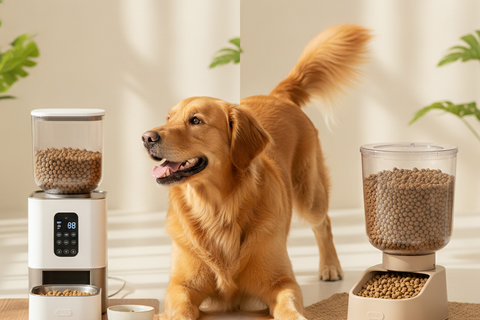
automatic cat feeder
Smart Automatic Pet Feeder vs. Gravity Feeder: Which is Best for Your Pet's Routine?
Jul 08, 2026
dog gear
Hiking with Your Dog: The Long Leash Dilemma Solved
Jul 08, 2026
mess solved
Paw Mess Solved
Jul 07, 2026
dog gear
Dog Eats Too Fast? Ragnor's Fix for Gulping & Bloat
Jul 07, 2026
beyond fetch
Summer Dog Games: Beyond Fetch
Jul 07, 2026
breathable dog car seat
Stay Cool on the Road: Top 5 Cooling Dog Car Seat Covers for Summer Adventures
Jul 07, 2026
invaders keep
Yard Invaders? How to Keep Stray Dogs Away (Kindly)
Jul 07, 2026
avoid drama
Clipping Dog Nails: Avoid the Drama & Do It Right
Jul 06, 2026
brachycephalic dog gear
Best No-Pull Harness for French Bulldogs: Comfort, Control & Style
Jul 06, 2026
bored dog
Bored Dog? Unleash Happiness with Vertical Play
Jul 06, 2026
clothes jackets
Best Dog Clothes & Jackets for Dogs: 2026 Guide
Jul 06, 2026
pet care gear
Best Portable Pet Water Bottle for Dogs: 2026 Guide
Jul 05, 2026
foes scratch
Furniture Foes: for Scratch-Proof Paws
Jul 05, 2026
best dog toys
The Ultimate Guide: Choosing Indestructible Dog Toys for Aggressive Chewers
Jul 05, 2026
dog gear
Unleash Their Inner Olympian: Home Agility for Any Dog
Jul 05, 2026
dog gear
Lost Dog Panic? GPS Trackers Actually Work. Here's How.
Jul 05, 2026
anxiety regular
Dog Anxiety: Why Regular Beds Aren't Enough
Jul 04, 2026
dog gear
Summer Dog Safety
Jul 04, 2026
automatic pet feeder
Smart Automatic Pet Feeder vs. Timed Feeder: Which is Best for Your Pet?
Jul 04, 2026
dog gear
Summer Walks: Give Your Dog Freedom (Safely!)
Jul 04, 2026
dog gear
Summer Frisbee Fun: A Dog's Guide to Outdoor Play
Jul 03, 2026
pet care gear
Summer Scratch Solutions
Jul 03, 2026
dog gear
Unleash Their Inner Olympian: DIY Dog Agility for Happy Paws
Jul 03, 2026
dog safety at night
Reflective Dog Leashes & Collars: Enhance Nighttime Safety
Jul 03, 2026
chews that
Problem solved: Chews that stand up to your power chewer
Jul 03, 2026
dog gear
Potty Training a Puppy? Why Litter Boxes Are a Bad Idea
Jul 02, 2026
pet care gear
Summer Road Trips: Protect Your Car Seats
Jul 02, 2026
color what
Dog Pee Color: What It's Telling You (And What to Do)
Jul 02, 2026
dog gear
Summer Shedding: Stop the Dog Hair Avalanche!
Jul 02, 2026
automatic ball launcher for dogs
Choosing the Right Automatic Ball Launcher for Dogs: Endless Playtime
Jul 02, 2026
clipping dog
Clipping Dog Nails: Why It's Hard & What Truly Helps
Jul 02, 2026
dog gear
Dog Parkour? Elevate Their Chill
Jul 01, 2026
board dogs
Best Cat Scratching Post & Board for Cats: 2026 Guide
Jul 01, 2026
aggressive chewers
Top 5 Indestructible Dog Toys for Power Chewers: Built to Last
Jul 01, 2026