
carpet scratchers
pet care gear
pet care health
Sisal vs Carpet Scratchers

⚡ Quick Answer
Sisal offers superior durability and mimics natural scratching surfaces, promoting healthy claw shedding and muscle engagement. Carpet scratchers are softer, but prone to rapid wear and can confuse cats about appropriate scratching textures. For optimal claw health and longevity, prioritize sisal options like the FurryFable Durable Sisal Cat Scratching Post & Play Tower, which features 1000-denier natural sisal rope and supports up to 30 lbs / 13.6 kg. Explore effective scratching solutions at FurryFable Cat Furniture & Trees.
Sisal is generally superior for cat scratchers due to its fibrous, shreddable texture that effectively removes outer claw sheaths and mimics natural tree bark. Carpet scratchers are less effective, wear quickly, and can inadvertently train cats to scratch household carpets. While carpet may offer a softer initial appeal, sisal promotes healthier claw maintenance and provides longer-lasting utility.
Quick Specs
| Parameter Category | Technical Specification and Safety Thresholds |
|---|---|
| Breed and Weight Fit | Suitable for all domestic cat breeds, typically up to 25 lbs / 11.3 kg for vertical posts, 30 lbs / 13.6 kg for multi-level structures. |
| Target Architecture | Vertical posts with minimum 16-inch height, horizontal mats, or multi-level cat trees. Stable base with minimum 12" x 12" footprint for posts. |
| Material Hardness | Sisal fiber: 70-80 Shore D scale, providing resistance for effective claw shedding without excessive abrasion. Carpet: 30-40 Shore A scale, insufficient for proper claw maintenance. |
| Fabric or Build Reinforcement | 1000-denier natural sisal rope, tightly wound and securely adhered. CARB Phase 2 certified particle board or solid wood core for structural integrity. |
| Chemical Safety | Non-toxic, formaldehyde-free adhesives. Natural sisal fibers without harsh dyes or chemical treatments. |
| Price Spectrum | $30 to $180 per item at FurryFable, depending on size and complexity. |
Understanding Cat Scratching Behavior
Cats scratch for several fundamental reasons. It's a natural grooming behavior, removing the dead outer layer of their claws and keeping them sharp. Scratching also serves as a form of exercise, stretching their back and shoulder muscles. Furthermore, cats use scratching to mark their territory, both visually and through scent glands in their paws. Depriving a cat of appropriate scratching outlets can lead to stress and destructive behavior. Providing adequate cat enrichment is crucial for their overall well-being.Sisal: The Preferred Surface
Sisal is a natural fiber derived from the agave plant. Its coarse, fibrous texture is ideal for cats because it allows them to hook their claws and pull, effectively shedding the outer claw sheath. This action is similar to how a cat would scratch a tree trunk in the wild. The benefits of sisal are numerous:- Durability: Sisal is exceptionally tough and resistant to shredding, lasting significantly longer than carpet.
- Effective Claw Maintenance: The texture promotes healthy claw shedding, preventing overgrown claws and ingrown nails.
- Natural Appeal: Its feel closely mimics natural outdoor scratching surfaces, making it highly attractive to cats.
- Clear Distinction: Sisal provides a distinct texture from household carpets, reducing confusion for your cat about what is acceptable to scratch.
📐 Force Distribution and Claw Engagement: The Pressure Formula
The effectiveness of a scratching surface is determined by the pressure exerted by the cat's claws over the contact area. An ideal surface allows for deep claw penetration and shredding without causing discomfort, which can be quantified by the basic pressure formula.
P = FA| Variable | Definition | Risky Scenario (Carpet) | Safe Scenario (Sisal) |
|---|---|---|---|
| P | Pressure (N/m²) | Low pressure, claws slide (e.g., 20 N/m²) | Optimal pressure, claws penetrate (e.g., 60 N/m²) |
| F | Force (Newtons) | Consistent force (e.g., 10 N) | Consistent force (e.g., 10 N) |
| A | Contact Area (m²) | Large, soft contact (e.g., 0.5 m²) | Small, fibrous contact (e.g., 0.17 m²) |
A sisal surface allows for approximately 3× higher effective pressure on the claw tips compared to carpet, facilitating proper claw shedding and muscle engagement.
Carpet: The Suboptimal Choice
Carpet scratchers, while often cheaper, present several disadvantages:- Durability Concerns: Carpet wears out quickly, fraying and tearing under regular scratching, requiring frequent replacement.
- Ineffective Claw Maintenance: The soft, looped fibers of carpet do not provide the necessary resistance for cats to effectively remove claw sheaths. This can lead to dull, unhealthy claws.
- Behavioral Confusion: Using carpet as a scratching surface can confuse cats, teaching them that it is acceptable to scratch *any* carpeted surface in your home. This directly undermines efforts to protect furniture.
- Material Similarity: The texture is too similar to household flooring and upholstery, making it difficult for cats to differentiate between acceptable and unacceptable scratching zones.
Why We Chose These for FurryFable
FurryFable prioritizes products that support a cat's natural instincts while offering durability and safety. Our selection criteria for scratching surfaces focus on:- Material Integrity: We select natural, non-toxic materials like 1000-denier natural sisal rope that withstand consistent use.
- Structural Stability: Products must feature a sturdy base, often CARB Phase 2 certified particle board or solid wood, to prevent tipping during vigorous scratching, supporting cats up to 30 lbs / 13.6 kg.
- Ergonomic Design: Scratching posts must be tall enough for a cat to stretch fully (minimum 16 inches for vertical posts), promoting spinal health. Horizontal scratchers must be wide enough for full body engagement.
- Chemical Safety: Adhesives must be formaldehyde-free and non-toxic, ensuring the product is safe for cats to interact with daily.
💡 Ragnor's Trainer Pro-Tip
"The 'Strategic Placement & Scent Lure' method involves positioning scratchers in high-traffic areas where cats naturally stretch or near existing inappropriate scratching spots. Rubbing catnip or attaching a favorite toy to the new sisal scratcher immediately draws attention, redirecting the cat's instinctual behavior to the desired surface."
, Ragnor, Pet Trainer & Animal Behaviorist, FurryFable
Other Scratching Surfaces
While sisal is highly recommended, other materials can supplement scratching needs:- Cardboard: Corrugated cardboard scratchers are popular, inexpensive, and satisfying for many cats. They are disposable and can be infused with catnip. The FurryFable 4-Pack Reversible Cat Scratch Boards | Durable Cardboard provides a cost-effective and engaging option.
- Wood: Some cats enjoy scratching bare wood, especially rough-hewn logs or untreated wooden posts. This is a very natural option, mimicking trees.
Conclusion
Choosing the correct scratching surface is paramount for your cat's health and your home's integrity. Sisal stands out as the superior material, offering durability, effective claw maintenance, and a clear distinction from household items. Invest in high-quality sisal scratchers to satisfy your cat's natural instincts and preserve your furniture. Explore FurryFable's extensive collection of cat furniture and trees to find the perfect scratching solution for your cat.Frequently Asked Questions
Why do cats prefer sisal over carpet for scratching?
Cats naturally prefer sisal because its fibrous, woven texture allows their claws to hook and pull, effectively removing the dead outer layer of their claws. This action mimics scratching tree bark, a natural behavior, unlike carpet which often provides insufficient resistance and can feel too similar to household flooring.
Can I use a carpet scratcher if my cat already scratches my rug?
Using a carpet scratcher when your cat already scratches rugs can reinforce the undesirable behavior. It teaches them that carpet is an acceptable scratching surface, making it harder to redirect them to appropriate alternatives. Instead, introduce sisal scratchers and use deterrents on household carpets, alongside engaging cat toys to redirect their attention.
How tall should a sisal scratching post be?
A sisal scratching post should be tall enough for your cat to stretch to their full height while scratching. For most adult cats, this means a post that is at least 16 to 20 inches tall. This allows for proper muscle extension and spinal alignment during the scratching action.
How often should I replace a sisal scratcher?
The lifespan of a sisal scratcher depends on usage, but high-quality sisal can last for several years. Replace it when the sisal rope becomes significantly frayed, loose, or if the underlying structure is compromised. Cardboard scratchers, in contrast, need replacement every few weeks to months, depending on use, as they are designed to be shredded.
Are there any non-toxic sisal scratchers available at FurryFable?
Yes, all sisal scratchers curated by Ragnor for FurryFable, such as the FurryFable Durable Sisal Cat Scratching Post & Play Tower, are made with natural, non-toxic sisal fibers and formaldehyde-free adhesives. We ensure our products are safe for your cat's health and well-being, complementing other comfort and anxiety solutions.
FurryFable Recommendations
 FurryFable Durable Sisal Cat Scratching Post & Play Tower
 FurryFable 4-Pack Reversible Cat Scratch Boards | Durable Cardboard
★★★★★ 4.88 (40)
Save 34%$70.60 Shop Now
 FurryFable Multi-Level Cat Tree Tower | Scratching & Play
✓ Free USA Shipping✓ Fast Delivery✓ Secure Checkout✓ 100% Satisfaction
R
Ragnor
Pet Trainer & Animal Behaviorist
Ragnor is a certified pet trainer and animal behaviorist with over 10 years of experience helping dog and cat owners across North America find the right gear for their pets' specific breed needs and health conditions. Every recommendation on FurryFable is selected for safety, fit, and breed compatibility.
If you found this helpful, also read: Top Interactive Cat Toys.
If you found this helpful, also read: Are Interactive Bird Toys Safe.
You Might Also Like

calming vest
Best Dog Anxiety Vest for Dogs: 2026 Guide
Sep 17, 2026
dog gear
Best Dog Puzzle Toy for Dogs: 2026 Guide
Sep 12, 2026
destroys toys
Why Your Dog Destroys Toys — & How to Finally Stop It
Sep 05, 2026
autumn puppy
Autumn Puppy Potty Training
Sep 05, 2026
collar leash
Best Dog Collar & Leash Set for Dogs: 2026 Guide
Sep 04, 2026
autumn dog
Autumn Dog Nail Care: Ditching the Drama & Embracing Healthy Paws
Sep 04, 2026
autumn dog
Autumn Dog Beds: Why Your Pup Still Gets Hot & How to Fix It
Sep 03, 2026
freedom fumble
Retractable Leashes: Freedom or Fumble?
Sep 03, 2026
bird gear
Best Chicken Coop Swing & Toy for Dogs: 2026 Guide
Sep 02, 2026
autumn paw
Autumn Paw Patrol: Stop Litter Tracks for Good
Sep 02, 2026
arms automatic
Tired Arms? Automatic Toys for Small Dogs That Actually Work
Sep 01, 2026
dog gear
Unleash Their Inner Athlete: Backyard Dog Agility Secrets
Sep 01, 2026
agility seesaw
Best Dog Agility Seesaw for Dogs: 2026 Guide
Aug 10, 2026
cat play
Dog-Proof Cat Play: Harmony in Your Shared Spaces
Aug 10, 2026
dog gear
Summer Dog Travel: for Stress-Free Adventures
Aug 10, 2026
anxious dog
Anxious Dog? : A Calming Bed That Actually Works
Jul 08, 2026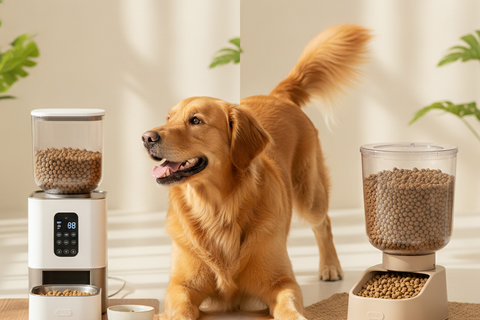
automatic cat feeder
Smart Automatic Pet Feeder vs. Gravity Feeder: Which is Best for Your Pet's Routine?
Jul 08, 2026
dog gear
Hiking with Your Dog: The Long Leash Dilemma Solved
Jul 08, 2026
mess solved
Paw Mess Solved
Jul 07, 2026
dog gear
Dog Eats Too Fast? Ragnor's Fix for Gulping & Bloat
Jul 07, 2026
beyond fetch
Summer Dog Games: Beyond Fetch
Jul 07, 2026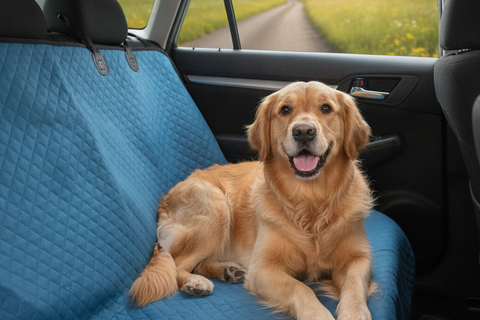
breathable dog car seat
Stay Cool on the Road: Top 5 Cooling Dog Car Seat Covers for Summer Adventures
Jul 07, 2026
invaders keep
Yard Invaders? How to Keep Stray Dogs Away (Kindly)
Jul 07, 2026
avoid drama
Clipping Dog Nails: Avoid the Drama & Do It Right
Jul 06, 2026
brachycephalic dog gear
Best No-Pull Harness for French Bulldogs: Comfort, Control & Style
Jul 06, 2026
bored dog
Bored Dog? Unleash Happiness with Vertical Play
Jul 06, 2026
clothes jackets
Best Dog Clothes & Jackets for Dogs: 2026 Guide
Jul 06, 2026
pet care gear
Best Portable Pet Water Bottle for Dogs: 2026 Guide
Jul 05, 2026
foes scratch
Furniture Foes: for Scratch-Proof Paws
Jul 05, 2026
best dog toys
The Ultimate Guide: Choosing Indestructible Dog Toys for Aggressive Chewers
Jul 05, 2026
dog gear
Unleash Their Inner Olympian: Home Agility for Any Dog
Jul 05, 2026
dog gear
Lost Dog Panic? GPS Trackers Actually Work. Here's How.
Jul 05, 2026
anxiety regular
Dog Anxiety: Why Regular Beds Aren't Enough
Jul 04, 2026
dog gear
Summer Dog Safety
Jul 04, 2026
automatic pet feeder
Smart Automatic Pet Feeder vs. Timed Feeder: Which is Best for Your Pet?
Jul 04, 2026
dog gear
Summer Walks: Give Your Dog Freedom (Safely!)
Jul 04, 2026
dog gear
Summer Frisbee Fun: A Dog's Guide to Outdoor Play
Jul 03, 2026
pet care gear
Summer Scratch Solutions
Jul 03, 2026
dog gear
Unleash Their Inner Olympian: DIY Dog Agility for Happy Paws
Jul 03, 2026
dog safety at night
Reflective Dog Leashes & Collars: Enhance Nighttime Safety
Jul 03, 2026
chews that
Problem solved: Chews that stand up to your power chewer
Jul 03, 2026
dog gear
Potty Training a Puppy? Why Litter Boxes Are a Bad Idea
Jul 02, 2026
pet care gear
Summer Road Trips: Protect Your Car Seats
Jul 02, 2026
color what
Dog Pee Color: What It's Telling You (And What to Do)
Jul 02, 2026
dog gear
Summer Shedding: Stop the Dog Hair Avalanche!
Jul 02, 2026
automatic ball launcher for dogs
Choosing the Right Automatic Ball Launcher for Dogs: Endless Playtime
Jul 02, 2026
clipping dog
Clipping Dog Nails: Why It's Hard & What Truly Helps
Jul 02, 2026
dog gear
Dog Parkour? Elevate Their Chill
Jul 01, 2026
board dogs
Best Cat Scratching Post & Board for Cats: 2026 Guide
Jul 01, 2026
aggressive chewers
Top 5 Indestructible Dog Toys for Power Chewers: Built to Last
Jul 01, 2026