
best
dog
furryfable
Best No-Pull Dog Harness for Bulldogs: 2026 Guide

As a devoted Bulldog parent, you know that every aspect of their care requires a thoughtful approach. From their distinctive jowls to their endearing waddle, Bulldogs are truly one-of-a-kind. But when it comes to leash manners, their powerful build and stubborn streak can sometimes lead to a challenging walk. That's why finding the best no-pull dog harness for Bulldog breeds is not just about convenience; it's about their comfort, safety, and overall well-being. By 2026, advancements in pet gear have made it easier than ever to find a harness perfectly suited to your medium-sized, low-energy companion, ensuring every stroll is a joy rather than a struggle.
At FurryFable, we understand the unique needs of brachycephalic breeds like Bulldogs. Their flat faces and unique respiratory systems mean that pressure on their neck or throat can be particularly dangerous. A well-designed no-pull harness redistributes pressure safely across their chest, preventing strain and allowing them to breathe more easily. This comprehensive guide will walk you through everything you need to know about selecting the ideal no-pull harness for your gentle giant, ensuring comfortable and controlled walks for years to come.
Quick Answer
For Bulldogs, the best no-pull dog harness is typically a front-clip harness featuring a wide, padded chest panel and multiple adjustment points. This design safely redirects pulling force without putting pressure on their sensitive neck and throat, making walks more comfortable and manageable for these brachycephalic, medium-sized dogs.
Why a No-Pull Harness is Essential for Your Bulldog
Bulldogs, with their stocky build and strong shoulders, can exert considerable force when they decide to pull on the leash. While they are often described as low-energy and can have lazy tendencies, even a short burst of enthusiasm can lead to significant tugging. This pulling isn't just uncomfortable for you; it can be genuinely harmful to your Bulldog, especially due to their unique anatomy.
Protecting Your Brachycephalic Friend
The most critical reason for a no-pull harness over a traditional collar for a Bulldog is their brachycephalic (flat-faced) nature. Breeds like Bulldogs have shortened airways, making them more prone to respiratory issues. Any pressure on their trachea or throat, which a collar can easily cause when they pull, can exacerbate breathing difficulties, lead to gagging, coughing, or even tracheal collapse. A no-pull harness, particularly one with a front-clip design, bypasses the neck entirely, distributing pressure across the chest and shoulders. This is vital for their respiratory health and overall comfort during walks.
Managing Their Medium Size and Strength
Despite their gentle disposition, Bulldogs are robust, medium-sized dogs. Their strength can make controlling them on a leash challenging if they decide to chase a squirrel or greet another dog with too much enthusiasm. A no-pull harness provides better leverage and control, gently guiding your Bulldog without resorting to harsh corrections. This is especially important for owners who may not be able to physically manage a strong pull from their dog.
Encouraging Positive Walking Habits
No-pull harnesses are training tools. They work by redirecting your dog's forward momentum when they pull. When your Bulldog tries to lunge forward, the front-clip attachment gently turns them to the side, breaking their focus and making it uncomfortable to continue pulling. This teaches them that pulling doesn't get them where they want to go faster. It's a humane and effective way to teach loose-leash walking, aligning with positive reinforcement training principles advocated by organizations like the ASPCA.
Comfort for Their Gentle Nature
Bulldogs are known for their gentle and affectionate personalities. A comfortable harness enhances their walking experience, making them more likely to enjoy their outings. A poorly fitting or uncomfortable harness can lead to chafing, skin irritation, or a general reluctance to walk. Given their lazy tendencies, anything that makes walking more appealing is a win!
Understanding Bulldog Anatomy and Walking Style
To truly choose the best no-pull dog harness for your Bulldog, it’s essential to appreciate their unique physical characteristics and typical walking behaviors. These factors directly influence what makes a harness safe, effective, and comfortable for them.
The Brachycephalic Head and Neck
As mentioned, Bulldogs are brachycephalic. This means their skull is shorter and wider, leading to a shortened snout and compressed respiratory system. When considering any Bulldog walking gear, the absolute priority must be to avoid any pressure on their neck and throat. A harness that sits too high or has straps that can easily ride up into the throat area is a definite no-go. The best harnesses will have a Y-shaped or V-shaped chest panel that sits low on the sternum, well away from the delicate throat.
Broad Chest and Stocky Build
Bulldogs have a broad chest and a stocky, muscular build. This means a harness needs to accommodate their substantial chest circumference without being too loose around the narrower parts of their body. Adjustable straps around both the neck/chest and girth are crucial to achieve a snug yet comfortable fit. A harness that’s too narrow in the chest might dig in, while one that’s too wide might restrict shoulder movement or cause chafing.
Short Legs and Low Center of Gravity
Their short, powerful legs and low center of gravity contribute to their distinctive gait. While they aren't built for speed or endurance, they are incredibly strong. A harness needs to be stable and not shift excessively during their walk, which could lead to rubbing or imbalance. The design should allow for their full range of motion without hindrance.
Low-Energy but Prone to Sudden Bursts
Bulldogs are generally low-energy dogs, content with shorter, leisurely strolls rather than vigorous hikes. However, their "lazy tendencies" can be punctuated by sudden, strong pulls if something captures their attention. This means the no-pull mechanism needs to be effective and reliable, even if only used intermittently. You might not need a harness built for extreme sports, but it must withstand the occasional powerful lunge.
Heat Sensitivity
Due to their brachycephalic nature, Bulldogs are highly susceptible to overheating. This impacts harness choice in two ways:
- Material: The harness material should be breathable and lightweight to prevent heat retention. Avoid heavy, thick fabrics, especially in warmer climates.
- Walk Duration: Keep walks short, especially during warmer months. Always carry water for your Bulldog – a portable pet water bottle is an absolute must for any outing. For more tips on keeping your dog cool, consider reading our guide on Hydration On-the-Go.
Key Features to Look For in a Bulldog No-Pull Harness
When searching for the ideal harness and leash combination for your Bulldog, certain features stand out as non-negotiable for their comfort, safety, and your control.
1. Front-Clip Leash Attachment
This is the cornerstone of any effective no-pull harness for a Bulldog. A D-ring or O-ring located on the chest of the harness is crucial. When your Bulldog pulls, the leash attached to the front clip gently redirects them sideways, turning their body away from the direction they were pulling. This breaks their momentum and focus, making it uncomfortable to continue pulling without causing pain or harm. This mechanism is far superior to back-clip harnesses for training loose-leash walking, especially for strong dogs like Bulldogs, and crucially, it keeps pressure off their sensitive neck.
2. Wide, Padded Chest Panel
Given their broad chest and the need to distribute pressure away from their throat, a wide, padded chest panel is essential. This panel should sit low on the sternum, well below the windpipe, and extend across the entire chest area. Padding prevents chafing and adds comfort, making the harness more pleasant for your Bulldog to wear, particularly during their leisurely strolls or when they exhibit their "lazy tendencies." Look for soft, breathable materials that won't irritate their skin.
3. Multiple Adjustment Points
Bulldogs have unique proportions – a broad chest, but perhaps a relatively smaller neck circumference compared to other breeds of similar weight. A harness with at least two, preferably four, adjustment points (around the neck/chest and girth) allows for a custom, secure fit. This is vital to prevent rubbing, escape, and to ensure the harness sits correctly without riding up into their throat or restricting shoulder movement. A properly fitted training gear is paramount for effectiveness and comfort.
4. Breathable and Durable Material
Bulldogs are prone to overheating, so the harness material should be breathable. Lightweight mesh, soft nylon, or neoprene are excellent choices. Avoid heavy, thick materials that can trap heat. However, the material also needs to be durable enough to withstand the strength of a medium-sized dog and regular use. Reinforced stitching and strong buckles are signs of a quality harness. Consider how easy the material is to clean, as Bulldogs can be prone to skin folds and might get messy.
5. Ergonomic Design for Brachycephalic Breeds
Specifically look for harnesses designed with brachycephalic dogs in mind. This often means a Y-shaped or V-shaped front that ensures the straps clear the throat and shoulders. Some harnesses feature a design that allows for maximum shoulder articulation, which is important for any dog, but particularly for a sturdy breed like the Bulldog. The design should not restrict their natural movement or cause any discomfort.
6. Safety Features
While Bulldogs are not typically escape artists, secure buckles are important. Reflective stitching or trim is a valuable safety feature, especially if you walk in low-light conditions, making your Bulldog more visible to motorists and pedestrians. Given their low-energy walks, you might not be out at night often, but it's always better to be safe. You might also consider if the harness offers a top handle for quick control in emergencies, though this is less critical than the front-clip.
7. Ease of Use
A harness should be easy to put on and take off. Bulldogs, with their sometimes stubborn nature, might not appreciate a complicated harness. Look for designs with simple clips and minimal steps, making your daily routine smoother.
Comparison Table: What to Look For in a Bulldog No-Pull Harness
| Feature | Why it Matters for Bulldogs | FurryFable Recommendation |
|---|---|---|
| Front-Clip Attachment | Redirects pulling without neck strain; crucial for brachycephalic breeds. | Absolutely essential for effective no-pull training. |
| Wide, Padded Chest Panel | Distributes pressure across the broad chest, away from the sensitive throat. Prevents chafing. | Prioritize soft, breathable padding that sits low on the sternum. |
| Multiple Adjustment Points | Allows for a custom, secure fit around their unique broad chest and neck proportions. Prevents escape and rubbing. | Look for 4-way adjustability (neck & girth). |
| Breathable & Durable Material | Prevents overheating (vital for brachycephalic dogs) while being strong enough for a medium-sized dog. | Lightweight mesh, soft nylon, or neoprene. Easy to clean is a bonus. |
| Ergonomic, Y-Shape Design | Ensures straps clear the throat and allow full shoulder movement. Specifically designed for comfortable dog walking. | Prevents discomfort and respiratory issues. |
| Reflective Elements | Increases visibility during low-light walks, enhancing safety. | Highly recommended for any dog walking outdoors. |
| Easy On/Off Design | Simplifies daily routines and reduces stress for both owner and dog. | Simple buckle systems are preferred. |
Types of No-Pull Harnesses and What Suits a Bulldog
While the market offers various types of harnesses, not all are equally suitable for your Bulldog. Understanding the differences will help you make an informed choice.
Front-Clip Harnesses (Highly Recommended)
As discussed, front-clip harnesses are the gold standard for Bulldogs. The leash attachment point is located on the dog's chest. When your Bulldog pulls, the leash pulls them gently to the side, disrupting their forward momentum. This effectively discourages pulling without causing any discomfort to their neck or throat. They are ideal for training and control, providing excellent leverage for the handler.
- Pros for Bulldogs: Safest for brachycephalic breeds, excellent no-pull effectiveness, good control, comfortable when properly fitted.
- Cons for Bulldogs: Can sometimes get tangled under the dog's legs if the leash is too long or the dog spins, but this is minor.
Back-Clip Harnesses (Not Ideal for Pullers)
Back-clip harnesses have the leash attachment point on the dog's back. While they are generally comfortable and good for dogs who don't pull, they offer very little no-pull control. When a Bulldog pulls on a back-clip harness, it can actually engage their opposition reflex, encouraging them to pull harder, much like a sled dog. They also don't offer the same level of safety for brachycephalic dogs if the dog pulls hard enough to shift the harness and put pressure on the neck area.
- Pros for Bulldogs: Generally easy to put on, comfortable for non-pullers.
- Cons for Bulldogs: Ineffective for pulling, can encourage pulling, less control, not ideal for brachycephalic dogs who pull.
Dual-Clip Harnesses (Good Versatility)
Some harnesses offer both a front-clip and a back-clip option. This can be a great versatile choice. You can use the front clip for no-pull training and switch to the back clip once your Bulldog has mastered loose-leash walking, or if you prefer the back clip for casual, controlled strolls. For Bulldogs, the front clip remains the primary attachment for active training or if they are prone to pulling.
- Pros for Bulldogs: Versatile, allows for progression in training, combines the benefits of both types.
- Cons for Bulldogs: Can sometimes be more complex in design.
Head Halters/Head Collars (Generally Not Recommended for Bulldogs)
Head halters work by giving you control over the dog's head, which in turn controls the body. While effective for strong pullers, they are generally not recommended for brachycephalic breeds like Bulldogs. The straps can sit uncomfortably across their short snouts and sensitive facial folds, potentially causing irritation or restricting their breathing further. Many Bulldogs also resist wearing them due to the sensation on their face. Prioritize a well-fitted front-clip harness instead.
- Pros for Bulldogs: Very effective for control.
- Cons for Bulldogs: Uncomfortable for flat faces, potential for irritation, often resisted by Bulldogs, not ideal for their breathing.
Top Recommendations: Ideal No-Pull Harness Types for Your Bulldog
While we can't recommend specific brand names here, we can describe the types of harnesses that embody the features perfect for your beloved Bulldog. When you visit our harness and leash collection, look for these characteristics.
1. The Ergonomic & Breathable Front-Clip Harness
This type of harness is designed with your Bulldog's unique anatomy in mind. It typically features a prominent Y-shaped or V-shaped chest panel made from a soft, breathable mesh or padded nylon. The front-clip D-ring is strategically placed low on the chest to maximize no-pull effectiveness and keep pressure off the throat. It boasts at least four adjustment points – two around the neck/shoulders and two around the girth – allowing for a truly custom fit that accommodates their broad chest and prevents chafing around the armpits. Look for vibrant colors with reflective stitching for added safety during evening walks, especially if your Bulldog is more active at dusk.
- Ideal for: Everyday walks, training, ensuring maximum comfort and safety for brachycephalic dogs.
- Key Features: Y-front design, ample padding, breathable materials, multiple adjustment points, front-clip only or dual-clip with front as primary.
2. The Durable & Padded "Adventure" Harness
For Bulldogs who enjoy more robust (but still low-energy) outings, perhaps a visit to the dog park or a short trail walk, a more durable harness might be suitable. This type often features slightly thicker, yet still breathable, nylon webbing with generous padding in high-friction areas. The front-clip attachment is reinforced, and there might be an additional handle on the back for quick control if needed (though remember the front clip is for pulling). While not designed for extreme adventures, it offers enhanced durability and security for your medium-sized companion. Reflective elements are often integrated into the design for visibility.
- Ideal for: More active Bulldogs, those needing extra durability, or owners who prefer a top handle for occasional control.
- Key Features: Robust construction, reinforced stitching, padded chest and belly straps, reflective accents, front-clip, optional back handle.
3. The Lightweight & Easy-Fit Harness
For Bulldogs who are less prone to pulling or for those quick "potty breaks," a lightweight and easy-to-fit front-clip harness can be a convenient option. These harnesses prioritize simplicity and ease of use, often with fewer straps but still maintaining the crucial front-clip mechanism and a chest-plate design that avoids the throat. They might use lighter mesh fabrics, making them excellent for warmer climates or for Bulldogs who are sensitive to heavy gear. Ensure it still offers sufficient adjustability to get a secure fit around their unique build.
- Ideal for: Quick walks, warmer weather, Bulldogs with good leash manners but still needing front-clip safety.
- Key Features: Minimalist design, breathable mesh, simple buckle system, front-clip, good adjustability despite simplicity.
How to Properly Fit a No-Pull Harness on Your Bulldog
A harness, no matter how well-designed, is only effective and comfortable if it's fitted correctly. This is especially true for Bulldogs with their distinct build. A poorly fitted harness can chafe, restrict movement, or even compromise its no-pull function.
Step-by-Step Fitting Guide:
- Introduce the Harness Positively: Before even trying to put it on, let your Bulldog sniff the harness. Offer treats and praise. Since Bulldogs can have lazy tendencies, making this a positive, low-stress experience is key.
- Identify the Front and Back: Most front-clip harnesses have a distinct front (chest piece with the D-ring) and back. Orient it correctly before attempting to put it on.
- Place Over the Head: Gently slip the harness over your Bulldog's head. The chest panel should rest on their chest, with the front D-ring facing forward.
- Fasten the Girth Straps: Bring the straps around your Bulldog's body, behind their front legs, and buckle them on their back or side. Ensure the straps are not twisted.
-
Adjust the Straps (The Two-Finger Rule):
- Chest Strap: This is critical for Bulldogs. Ensure the chest strap (the one that runs horizontally across their chest) sits low on their sternum, well below their windpipe. You should be able to comfortably slide two fingers under all straps.
- Girth Strap: Adjust the strap around their body so it's snug but not tight. Again, the two-finger rule applies. Make sure it's far enough behind their armpits to prevent chafing – typically 2-3 inches.
- Neck/Shoulder Straps: If your harness has adjustable straps around the neck opening, ensure they are snug enough that your Bulldog can't easily back out, but loose enough not to restrict breathing or movement.
- Check for Full Range of Motion: Once fitted, let your Bulldog walk around for a bit. Watch for any signs of discomfort, rubbing, or restriction of shoulder movement. The harness should not impede their natural gait.
- Test the No-Pull Mechanism: Attach the leash to the front-clip D-ring and take a short walk. Observe how the harness performs and if any adjustments are needed.
Bulldog-Specific Fitting Tips:
- Prioritize Throat Clearance: Always double-check that no part of the harness, especially the front chest strap, is riding up into your Bulldog's throat. This is paramount for their respiratory health.
- Beware of Armpit Chafing: Bulldogs have sturdy, close-set legs. Ensure the girth strap sits far enough back from their armpits to prevent rubbing, which can lead to painful sores. Padding in this area is a big plus.
- Snug, Not Constricting: Bulldogs are strong. The harness needs to be snug enough that they can't easily slip out, but never so tight that it restricts their breathing or causes discomfort.
- Regular Checks: Re-check the fit periodically, especially if your Bulldog is still growing, has gained or lost weight, or if the harness has been washed.
Training Your Bulldog with a No-Pull Harness
A no-pull harness is a fantastic tool, but it's most effective when combined with positive reinforcement training. Bulldogs are gentle and intelligent, but can be stubborn, so patience is key.
1. Introduce Gradually
Let your Bulldog wear the harness for short periods inside the house, rewarding them with treats and praise. This helps them associate the harness with positive experiences. For tips on managing anxiety during new experiences, you might find our guide on Anxiety Vest vs. Calming Chews helpful.
2. Start with Short Walks
Begin with short walks in a low-distraction environment. Attach the leash to the front clip. When your Bulldog pulls, simply stop walking. Wait for the leash to slacken, even for a second, then praise and continue walking. This teaches them that pulling stops the fun.
3. Redirect and Reward
When your Bulldog starts to pull, the front-clip will naturally turn them to the side. As soon as they reorient themselves towards you and the leash slackens, immediately reward them with a treat and verbal praise. This reinforces the desired behavior.
4. Use Verbal Cues
Introduce a verbal cue like "heel" or "let's go" when they are walking nicely by your side. Reward them when they respond to the cue and maintain a loose leash.
5. Be Consistent
Consistency is paramount. Everyone who walks your Bulldog should use the harness and the same training methods. Bulldogs thrive on routine and clear expectations.
6. Keep Walks Positive
Even if your Bulldog pulls a bit, avoid getting frustrated. Keep your tone positive and encouraging. Remember, walks are an important part of their physical and mental enrichment, even for a low-energy breed. Don't forget their portable water bottle for hydration, especially on warmer days.
Common Mistakes Bulldog Owners Make
Even with the best intentions, some common pitfalls can hinder the effectiveness of a no-pull harness or cause discomfort for your Bulldog.
- Ignoring the Fit: The most common mistake. A harness that's too loose allows your Bulldog to slip out or shifts uncomfortably. Too tight, and it can chafe or restrict breathing. Always use the two-finger rule and monitor for rubbing.
- Using the Wrong Clip: Using the back clip on a dual-clip harness when your Bulldog is still learning not to pull defeats the purpose of the no-pull design. Always use the front clip for training.
- Not Being Consistent: If you sometimes use a no-pull harness and sometimes a collar, or if different family members use different techniques, your Bulldog will get confused and training will be ineffective.
- Forgetting About Hydration: Bulldogs are prone to overheating. Not carrying water, especially during walks, is a serious oversight. Make sure you have a portable pet water bottle with you at all times.
- Overlooking Material Comfort: Choosing a harness made of stiff, scratchy, or non-breathable material can lead to skin irritation, especially in their folds, and make them more prone to overheating. This can make your Bulldog resistant to wearing it.
- Expecting Instant Results: While no-pull harnesses provide immediate control, teaching loose-leash walking is a process. Patience and consistent positive reinforcement are necessary.
- Not Checking for Wear and Tear: Regularly inspect the harness for frayed straps, loose stitching, or damaged buckles. A worn-out harness can fail, leading to a lost or injured pet.
Maintaining Your Bulldog's Harness
Proper maintenance ensures the longevity and effectiveness of your Bulldog's no-pull harness. Given their proximity to the ground and potential for drooling, Bulldogs can make their gear quite dirty!
- Regular Cleaning: Most harnesses can be hand-washed with mild soap and water. Always check the manufacturer's instructions. Air dry thoroughly to prevent mildew and odors. Regular cleaning is especially important for Bulldogs to prevent skin irritation in their folds.
- Inspect for Wear: Before each walk, quickly inspect the buckles, D-rings, and straps for any signs of damage, fraying, or weakness. Replace the harness if you notice any significant wear.
- Store Properly: Keep the harness in a clean, dry place when not in use.
Beyond the Harness: Other Walking Essentials for Bulldogs
While a no-pull harness is a cornerstone of safe and comfortable walks, don't forget other essentials for your Bulldog.
- Short Leash: A 4-6 foot leash is ideal for maintaining control and keeping your Bulldog close.
- Portable Water Bottle: Absolutely non-negotiable for brachycephalic dogs. Even short walks can lead to dehydration. Browse our pet water bottle collection.
- Waste Bags: Always be a responsible pet owner.
- Cooling Gear (Seasonal): In warmer climates, consider a cooling vest or bandanna. Bulldogs are very sensitive to heat.
- Sweaters/Hoodies (Seasonal): Conversely, in colder weather, Bulldogs can get cold easily due to their short coats. A cozy sweater or hoodie from our pet apparel collection can keep them warm. Read our guide on Signs Your Dog Gets Cold for more information.
Conclusion
Choosing the best no-pull dog harness for your Bulldog is a critical decision that impacts their health, safety, and your enjoyment of walks together. By prioritizing a front-clip design with a wide, padded chest panel, multiple adjustment points, and breathable materials, you can ensure your brachycephalic, medium-sized companion enjoys comfortable, controlled strolls. Remember the importance of proper fit and consistent positive reinforcement training to maximize the harness's effectiveness. With the right gear from FurryFable, every walk can be a joyful adventure for you and your beloved Bulldog.
Explore our extensive range of premium harnesses and leashes designed for comfort, control, and durability. Find the perfect fit for your Bulldog today!
Frequently Asked Questions (FAQs)
1. Why is a no-pull harness better than a collar for my Bulldog?
A no
FurryFable Recommendations
 FurryFable Comfort Adjustable No-Pull Mesh Dog Harness
✓ Free USA Shipping✓ Fast Delivery✓ Secure Checkout✓ 100% Satisfaction
You Might Also Like
calming vest
Best Dog Anxiety Vest for Dogs: 2026 Guide
Sep 17, 2026
dog gear
Best Dog Puzzle Toy for Dogs: 2026 Guide
Sep 12, 2026
destroys toys
Why Your Dog Destroys Toys — & How to Finally Stop It
Sep 05, 2026
autumn puppy
Autumn Puppy Potty Training
Sep 05, 2026
collar leash
Best Dog Collar & Leash Set for Dogs: 2026 Guide
Sep 04, 2026
autumn dog
Autumn Dog Nail Care: Ditching the Drama & Embracing Healthy Paws
Sep 04, 2026
autumn dog
Autumn Dog Beds: Why Your Pup Still Gets Hot & How to Fix It
Sep 03, 2026
freedom fumble
Retractable Leashes: Freedom or Fumble?
Sep 03, 2026
bird gear
Best Chicken Coop Swing & Toy for Dogs: 2026 Guide
Sep 02, 2026
autumn paw
Autumn Paw Patrol: Stop Litter Tracks for Good
Sep 02, 2026
arms automatic
Tired Arms? Automatic Toys for Small Dogs That Actually Work
Sep 01, 2026
dog gear
Unleash Their Inner Athlete: Backyard Dog Agility Secrets
Sep 01, 2026
agility seesaw
Best Dog Agility Seesaw for Dogs: 2026 Guide
Aug 10, 2026
cat play
Dog-Proof Cat Play: Harmony in Your Shared Spaces
Aug 10, 2026
dog gear
Summer Dog Travel: for Stress-Free Adventures
Aug 10, 2026
anxious dog
Anxious Dog? : A Calming Bed That Actually Works
Jul 08, 2026
automatic cat feeder
Smart Automatic Pet Feeder vs. Gravity Feeder: Which is Best for Your Pet's Routine?
Jul 08, 2026
dog gear
Hiking with Your Dog: The Long Leash Dilemma Solved
Jul 08, 2026
mess solved
Paw Mess Solved
Jul 07, 2026
dog gear
Dog Eats Too Fast? Ragnor's Fix for Gulping & Bloat
Jul 07, 2026
beyond fetch
Summer Dog Games: Beyond Fetch
Jul 07, 2026
breathable dog car seat
Stay Cool on the Road: Top 5 Cooling Dog Car Seat Covers for Summer Adventures
Jul 07, 2026
invaders keep
Yard Invaders? How to Keep Stray Dogs Away (Kindly)
Jul 07, 2026
avoid drama
Clipping Dog Nails: Avoid the Drama & Do It Right
Jul 06, 2026
brachycephalic dog gear
Best No-Pull Harness for French Bulldogs: Comfort, Control & Style
Jul 06, 2026
bored dog
Bored Dog? Unleash Happiness with Vertical Play
Jul 06, 2026
clothes jackets
Best Dog Clothes & Jackets for Dogs: 2026 Guide
Jul 06, 2026
pet care gear
Best Portable Pet Water Bottle for Dogs: 2026 Guide
Jul 05, 2026
foes scratch
Furniture Foes: for Scratch-Proof Paws
Jul 05, 2026
best dog toys
The Ultimate Guide: Choosing Indestructible Dog Toys for Aggressive Chewers
Jul 05, 2026
dog gear
Unleash Their Inner Olympian: Home Agility for Any Dog
Jul 05, 2026
dog gear
Lost Dog Panic? GPS Trackers Actually Work. Here's How.
Jul 05, 2026
anxiety regular
Dog Anxiety: Why Regular Beds Aren't Enough
Jul 04, 2026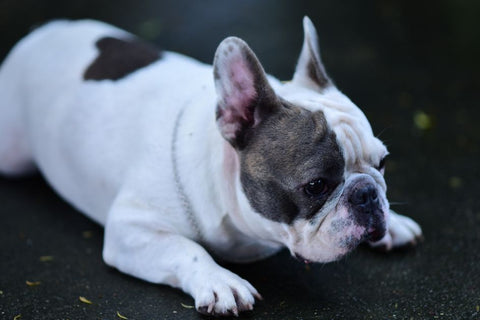
dog gear
Summer Dog Safety
Jul 04, 2026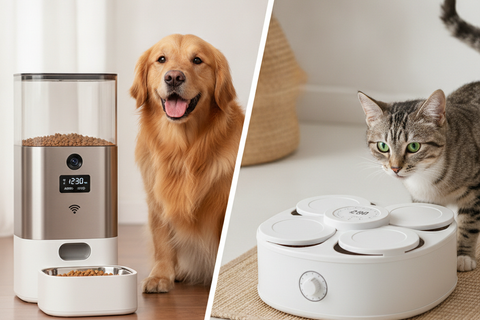
automatic pet feeder
Smart Automatic Pet Feeder vs. Timed Feeder: Which is Best for Your Pet?
Jul 04, 2026
dog gear
Summer Walks: Give Your Dog Freedom (Safely!)
Jul 04, 2026
dog gear
Summer Frisbee Fun: A Dog's Guide to Outdoor Play
Jul 03, 2026
pet care gear
Summer Scratch Solutions
Jul 03, 2026
dog gear
Unleash Their Inner Olympian: DIY Dog Agility for Happy Paws
Jul 03, 2026
dog safety at night
Reflective Dog Leashes & Collars: Enhance Nighttime Safety
Jul 03, 2026
chews that
Problem solved: Chews that stand up to your power chewer
Jul 03, 2026
dog gear
Potty Training a Puppy? Why Litter Boxes Are a Bad Idea
Jul 02, 2026
pet care gear
Summer Road Trips: Protect Your Car Seats
Jul 02, 2026
color what
Dog Pee Color: What It's Telling You (And What to Do)
Jul 02, 2026
dog gear
Summer Shedding: Stop the Dog Hair Avalanche!
Jul 02, 2026
automatic ball launcher for dogs
Choosing the Right Automatic Ball Launcher for Dogs: Endless Playtime
Jul 02, 2026
clipping dog
Clipping Dog Nails: Why It's Hard & What Truly Helps
Jul 02, 2026
dog gear
Dog Parkour? Elevate Their Chill
Jul 01, 2026
board dogs
Best Cat Scratching Post & Board for Cats: 2026 Guide
Jul 01, 2026
aggressive chewers
Top 5 Indestructible Dog Toys for Power Chewers: Built to Last
Jul 01, 2026