
dog gear
dog health
inner athlete
Unleash Their Inner Athlete: Backyard Dog Agility Secrets

⚡ Quick Answer
Backyard dog agility training enhances physical fitness, strengthens cognitive abilities, and provides essential dog enrichment, crucial for breeds like Border Collies and Australian Shepherds. Start with foundational skills using low-impact equipment, ensuring obstacles are stable enough to support dogs up to 100 lbs / 45 kg, and progress gradually to prevent injury. Explore quality, safe equipment at FurryFable's dog toys collection.
Backyard dog agility training involves using specialized obstacles like jumps, tunnels, and weave poles in a home environment to develop a dog's coordination, speed, and obedience. It builds confidence and strengthens the bond between dog and handler through structured play and positive reinforcement. For breeds like German Shorthaired Pointers or Weimaraners, this type of activity provides the high-intensity exercise they require, reducing the likelihood of boredom and related behavioral issues.
Quick Specs
| Parameter Category | Technical Specification and Safety Thresholds |
|---|---|
| Breed and Weight Fit | Suitable for dogs 15-100 lbs / 7-45 kg. Small breeds require lower jump heights (4-8 inches), large breeds up to 24 inches. |
| Target Architecture | Modular, adjustable obstacles. Jumps with breakaway bars, tunnels with secure anchors, weave poles with stable bases. |
| Material Hardness | PVC tubing (Shore D 60-70), weather-resistant wood (e.g., pine with protective coating), durable polyester fabric (600-900 denier). |
| Fabric or Build Reinforcement | Double-stitched tunnel seams, reinforced grommets, anti-slip surfaces on contact obstacles (e.g., seesaws, A-frames). |
| Chemical Safety | Non-toxic, lead-free paints/stains, phthalate-free PVC, mildew-resistant fabrics. |
| Price Spectrum | $30 to $200+ per individual obstacle, or $150 to $500+ for starter kits. |
The Importance of Structure and Safety in Backyard Dog Agility Training
Many dog owners attempt to engage their dogs in active play, but without proper structure, this often devolves into chaotic chasing or repetitive ball throwing. While these activities offer some physical exertion, they rarely provide the mental stimulation or precise coordination required for breeds like Border Collies, who thrive on complex tasks. Without controlled environments and appropriate equipment, dogs can sustain injuries such as sprains, strains, or even fractures, especially when performing high-impact maneuvers on uneven surfaces or with unstable obstacles. For a breed like a Jack Russell Terrier, known for its explosive energy, uncontrolled jumps can lead to joint stress over time. A structured dog backyard agility training program addresses these issues by introducing obstacles incrementally and teaching specific handling techniques. This not only prevents injuries by ensuring correct form but also builds a dog's confidence and problem-solving skills. The goal is not just physical exercise, but a comprehensive workout for both mind and body.📐 The Physics of Impact: Force and Pressure on Joints
Understanding the forces exerted on a dog's joints during agility activities is critical for injury prevention. The pressure exerted on a paw or joint upon landing is directly proportional to the force applied and inversely proportional to the contact area.
P = F / A
Where P is pressure, F is force (mass × acceleration due to gravity), and A is the contact area. A dog landing with all four paws distributes force better than landing on two, and a softer, more forgiving surface increases the contact area slightly, reducing peak pressure.
| Variable | Definition | Risky Scenario (Hard Surface, 2 Paws) | Safe Scenario (Grass, 4 Paws) |
|---|---|---|---|
| Mass (m) | Dog's weight | 60 lbs / 27.2 kg (e.g., Standard Poodle) | 60 lbs / 27.2 kg |
| Force (F) | m × g (9.8 m/s²) | 266.6 N (assuming static force) | 266.6 N |
| Contact Area (A) | Surface area of paws | ~10 in² / 64.5 cm² (2 paws on concrete) | ~40 in² / 258 cm² (4 paws on grass) |
| Pressure (P) | F / A | ~4.1 N/cm² (~0.6 PSI) | ~1.0 N/cm² (~0.15 PSI) |
A 60 lb dog landing on a hard surface with two paws generates approximately 4.1 N/cm² of pressure, which is over 4 times more pressure than landing on grass with all four paws. This increased pressure significantly elevates the risk of joint trauma and repetitive strain injuries.
Choosing the Right Equipment for Your Backyard Agility Course
Selecting appropriate agility equipment is paramount for safety and effectiveness. Generic or poorly constructed items can pose serious injury risks, particularly for active breeds like German Shepherds or Rottweilers, who possess significant mass and powerful movements. Avoid flimsy plastic obstacles that can tip easily or splinter. Instead, prioritize materials known for stability and durability. For jumps, look for PVC or aluminum frames with breakaway bars. Breakaway bars, attached with lightweight clips, detach if a dog hits them, preventing entanglement or harsh impact. Height adjustability is crucial, allowing you to gradually increase the challenge as your dog progresses. For a standard Labrador Retriever, initial jump heights might be 8-12 inches, increasing to 20-24 inches as they gain proficiency. Tunnels should be made from heavy-duty, reinforced polyester fabric, typically 600-900 denier. Ensure they have secure anchors or sandbags to prevent rolling or collapsing, which can cause fear or injury. The interior diameter should be at least 24 inches for medium to large dogs, allowing comfortable passage. For smaller breeds like Shetland Sheepdogs, a 20-inch diameter is sufficient. Weave poles require a stable base that prevents them from wobbling or falling over. Individual poles should be spaced 20-24 inches apart, allowing for correct body mechanics. Many initial training sets feature flexible, spring-loaded poles that are more forgiving for beginners. Contact obstacles, such as the seesaw, demand robust construction and anti-slip surfaces. The FurryFable Dog Agility Seesaw - 71" Weather-Resistant Wood, for example, is built with a solid wooden plank, 71 inches long and 12 inches wide, featuring a textured, non-slip surface. It supports up to 150 lbs / 68 kg, crucial for larger breeds like Great Danes, and ensures a controlled pivot. This prevents slips and provides a clear audible "thump" when the seesaw touches the ground, signaling the dog to hold their contact position.Why Ragnor Evaluated These Agility Picks for FurryFable
My selection criteria for agility equipment prioritize safety, durability, and functional design tailored to a dog's physical capabilities and learning process. I understand the specific needs of breeds ranging from agile Border Collies to powerful Rottweilers. Equipment must withstand repeated use, varying weather conditions, and the impact of dogs up to 100 lbs / 45 kg. I specifically look for features that minimize injury risk: breakaway jump bars, stable tunnel anchors, and non-slip contact surfaces. Adjustable heights and configurations are also essential, allowing for progressive training and accommodating different dog sizes. Furthermore, the materials must be non-toxic and weather-resistant, ensuring longevity and safety in an outdoor environment. For example, the FurryFable Dog Agility Seesaw - 71" Weather-Resistant Wood meets these stringent requirements. It features a solid, pressure-treated pine construction, measuring 71 inches (180 cm) in length, 12 inches (30 cm) in width, and 1.5 inches (3.8 cm) thick, capable of supporting dogs up to 150 lbs / 68 kg. The wood is sealed with a non-toxic, weather-resistant stain to prevent rot and splintering from UV exposure and moisture. Its pivot mechanism is designed for smooth, controlled movement, and the surface incorporates a textured, non-slip grit coating, preventing paw slippage even in damp conditions. This rigorous construction is critical for maintaining stability and preventing joint stress during the descent phase, particularly for heavier breeds. Another key selection is the FurryFable Automatic Dog Ball Launcher. While not a traditional agility obstacle, it serves as an excellent tool for building drive, focus, and controlled retrieves, which are foundational to agility. This launcher offers three adjustable distance settings (10 ft, 20 ft, 30 ft) and includes six non-abrasive tennis balls, 2.5 inches in diameter. Its ABS plastic housing is impact-resistant, and the internal launch mechanism is rated for over 10,000 launches, ensuring reliability. For breeds like Beagles, who often lose focus easily, using this launcher to practice controlled retrieves before and after agility runs can significantly enhance their engagement and stamina. The consistent launch trajectory helps dogs anticipate and develop precise muscle memory for fetching, improving their overall athleticism.Structuring Your Agility Training Sessions
Effective training sessions are short, positive, and consistent. Begin with a warm-up, such as a brisk walk or light fetch, for 5-10 minutes to prepare muscles and joints. This is particularly important for breeds prone to orthopedic issues, such as Golden Retrievers. Introduce one obstacle at a time. For jumps, start with the bar on the ground, luring your dog over it. Use a clear verbal cue like "Jump!" and reward immediately with a high-value treat and praise. Gradually raise the bar in 2-inch increments, ensuring your dog clears it comfortably. If they knock the bar, lower it again. For tunnels, start with a short, straight tunnel. Lure your dog through, initially with help from an assistant at the other end. As confidence builds, you can introduce bends and longer tunnels. Always ensure the tunnel is securely anchored to prevent movement. Weave poles are often the most challenging obstacle. Begin with six poles, spaced 24 inches apart. Use a "channel" method, where you create a narrow path through the poles with two parallel fences, guiding your dog through. Once they understand the weaving motion, gradually remove the guides. Consistency is key here; short, frequent sessions yield better results than long, infrequent ones. Keep sessions brief, typically 10-15 minutes, especially for younger dogs or those new to agility. End on a positive note, even if it means repeating an easy obstacle your dog excels at. This maintains their enthusiasm and motivation. Incorporate plenty of praise and rewards throughout the session.💡 Ragnor's Trainer Pro-Tip
"Implement 'The Sequential Lure-and-Release' method for weave poles. Stand at the entry, lure your dog through the first two poles with a treat at nose level, then toss the treat ahead to the exit. This creates forward momentum and a clear path, leveraging their prey drive and natural desire to chase, solidifying the weaving pattern faster than static luring."
, Ragnor, Pet Trainer & Animal Behaviorist, FurryFable
Progressing and Maintaining Your Agility Journey
Once your dog is proficient with individual obstacles, begin combining them into short sequences. Start with two obstacles, then three, gradually building up to a full course. Focus on smooth transitions and clear communication. Your body language and verbal cues are crucial in guiding your dog through the course. Regular practice is vital for maintaining skills and physical condition. Even 2-3 short sessions per week can make a significant difference. Remember to vary your courses to keep things interesting and prevent boredom. This also encourages adaptability and problem-solving. Monitor your dog for signs of fatigue or discomfort. Excessive panting, lagging, or reluctance to perform an obstacle can indicate they need a break. Always provide fresh water, especially during warmer weather. For breeds like Boxers, who are prone to overheating, consider training during cooler parts of the day. Backyard agility is an excellent form of dog enrichment, fostering a strong bond and a well-exercised, mentally stimulated dog. It’s an investment in their overall health and happiness, transforming excess energy into focused, joyful activity. For all your dog's agility and play needs, explore the curated selection of quality products at FurryFable's dog toys collection.Frequently Asked Questions
What age should a dog start agility training?
Most dogs can begin basic agility foundations, like walking over low obstacles or through short tunnels, around 6-12 months of age. High-impact activities, such as jumping at full height or weaving, should be delayed until bones and growth plates are fully developed, typically after 12-18 months for medium to large breeds. Premature high-impact training can lead to orthopedic issues like hip dysplasia in predisposed breeds such as German Shepherds. Focus on body awareness and confidence building initially.
How much space do I need for a backyard agility course?
A functional backyard agility course for a medium-sized dog like a Border Collie requires a minimum of 30 feet by 30 feet (9 meters by 9 meters) of clear, level space. This allows for adequate distance between obstacles and room for handler movement. For smaller dogs, a slightly smaller area might suffice, but larger breeds like Golden Retrievers benefit from more expansive layouts to accommodate their stride and turning radius. Consider modular equipment that can be rearranged to maximize limited space, found in our training gear collection.
What are the most essential agility obstacles to start with?
To begin, focus on foundational obstacles: a single jump with adjustable height, a short, straight tunnel (approximately 10-15 feet long), and 6-8 weave poles. These three types of obstacles cover basic skills like propulsion, confidence in enclosed spaces, and precise body control. Avoid complex or high-impact obstacles like A-frames or dog walks until your dog masters these basics and develops sufficient coordination and muscle strength. You can find these foundational items in FurryFable's dog toys collection.
How often should I train my dog in agility?
For optimal progress and to prevent burnout or injury, train your dog in agility 2-4 times per week. Sessions should be short, lasting no more than 10-20 minutes, depending on your dog's age, fitness level, and attention span. Consistent, brief sessions are more effective than infrequent, long ones. Always incorporate warm-up and cool-down periods, and ensure adequate rest days between sessions.
Can all dog breeds do agility training?
While most dogs can benefit from some form of agility training, certain breeds are naturally better suited due to their physical structure and temperament. Herding breeds (Border Collies, Australian Shepherds), sporting breeds (Labrador Retrievers, Golden Retrievers), and terriers often excel. Brachycephalic breeds (Pugs, Bulldogs) may struggle with intense exercise due to respiratory limitations, while giant breeds (Great Danes, Mastiffs) require careful consideration of joint impact due to their mass. Adapt obstacle heights and intensity to suit your dog's specific physical capabilities and health. Always consult your veterinarian before starting a new exercise regimen for breeds with known health predispositions.
FurryFable Recommendations
 FurryFable Dog Agility Seesaw - 71" Weather-Resistant Wood
 FurryFable Interactive Dog Puzzle Toy | Adjustable Levels
 FurryFable Automatic Dog Ball Launcher | Fetch for Small & Medium Dogs
★★★★★ 4.88 (32)
Save 34%$99.50 Shop Now
✓ Free USA Shipping✓ Fast Delivery✓ Secure Checkout✓ 100% Satisfaction
R
Ragnor
Pet Trainer & Animal Behaviorist
Ragnor is a certified pet trainer and animal behaviorist with over 10 years of experience helping dog and cat owners across North America find the right gear for their pets' specific breed needs and health conditions. Every recommendation on FurryFable is selected for safety, fit, and breed compatibility.
You Might Also Like
calming vest
Best Dog Anxiety Vest for Dogs: 2026 Guide
Sep 17, 2026
dog gear
Best Dog Puzzle Toy for Dogs: 2026 Guide
Sep 12, 2026
destroys toys
Why Your Dog Destroys Toys — & How to Finally Stop It
Sep 05, 2026
autumn puppy
Autumn Puppy Potty Training
Sep 05, 2026
collar leash
Best Dog Collar & Leash Set for Dogs: 2026 Guide
Sep 04, 2026
autumn dog
Autumn Dog Nail Care: Ditching the Drama & Embracing Healthy Paws
Sep 04, 2026
autumn dog
Autumn Dog Beds: Why Your Pup Still Gets Hot & How to Fix It
Sep 03, 2026
freedom fumble
Retractable Leashes: Freedom or Fumble?
Sep 03, 2026
bird gear
Best Chicken Coop Swing & Toy for Dogs: 2026 Guide
Sep 02, 2026
autumn paw
Autumn Paw Patrol: Stop Litter Tracks for Good
Sep 02, 2026
arms automatic
Tired Arms? Automatic Toys for Small Dogs That Actually Work
Sep 01, 2026
agility seesaw
Best Dog Agility Seesaw for Dogs: 2026 Guide
Aug 10, 2026
cat play
Dog-Proof Cat Play: Harmony in Your Shared Spaces
Aug 10, 2026
dog gear
Summer Dog Travel: for Stress-Free Adventures
Aug 10, 2026
anxious dog
Anxious Dog? : A Calming Bed That Actually Works
Jul 08, 2026
automatic cat feeder
Smart Automatic Pet Feeder vs. Gravity Feeder: Which is Best for Your Pet's Routine?
Jul 08, 2026
dog gear
Hiking with Your Dog: The Long Leash Dilemma Solved
Jul 08, 2026
mess solved
Paw Mess Solved
Jul 07, 2026
dog gear
Dog Eats Too Fast? Ragnor's Fix for Gulping & Bloat
Jul 07, 2026
beyond fetch
Summer Dog Games: Beyond Fetch
Jul 07, 2026
breathable dog car seat
Stay Cool on the Road: Top 5 Cooling Dog Car Seat Covers for Summer Adventures
Jul 07, 2026
invaders keep
Yard Invaders? How to Keep Stray Dogs Away (Kindly)
Jul 07, 2026
avoid drama
Clipping Dog Nails: Avoid the Drama & Do It Right
Jul 06, 2026
brachycephalic dog gear
Best No-Pull Harness for French Bulldogs: Comfort, Control & Style
Jul 06, 2026
bored dog
Bored Dog? Unleash Happiness with Vertical Play
Jul 06, 2026
clothes jackets
Best Dog Clothes & Jackets for Dogs: 2026 Guide
Jul 06, 2026
pet care gear
Best Portable Pet Water Bottle for Dogs: 2026 Guide
Jul 05, 2026
foes scratch
Furniture Foes: for Scratch-Proof Paws
Jul 05, 2026
best dog toys
The Ultimate Guide: Choosing Indestructible Dog Toys for Aggressive Chewers
Jul 05, 2026
dog gear
Unleash Their Inner Olympian: Home Agility for Any Dog
Jul 05, 2026
dog gear
Lost Dog Panic? GPS Trackers Actually Work. Here's How.
Jul 05, 2026
anxiety regular
Dog Anxiety: Why Regular Beds Aren't Enough
Jul 04, 2026
dog gear
Summer Dog Safety
Jul 04, 2026
automatic pet feeder
Smart Automatic Pet Feeder vs. Timed Feeder: Which is Best for Your Pet?
Jul 04, 2026
dog gear
Summer Walks: Give Your Dog Freedom (Safely!)
Jul 04, 2026
dog gear
Summer Frisbee Fun: A Dog's Guide to Outdoor Play
Jul 03, 2026
pet care gear
Summer Scratch Solutions
Jul 03, 2026
dog gear
Unleash Their Inner Olympian: DIY Dog Agility for Happy Paws
Jul 03, 2026
dog safety at night
Reflective Dog Leashes & Collars: Enhance Nighttime Safety
Jul 03, 2026
chews that
Problem solved: Chews that stand up to your power chewer
Jul 03, 2026
dog gear
Potty Training a Puppy? Why Litter Boxes Are a Bad Idea
Jul 02, 2026
pet care gear
Summer Road Trips: Protect Your Car Seats
Jul 02, 2026
color what
Dog Pee Color: What It's Telling You (And What to Do)
Jul 02, 2026
dog gear
Summer Shedding: Stop the Dog Hair Avalanche!
Jul 02, 2026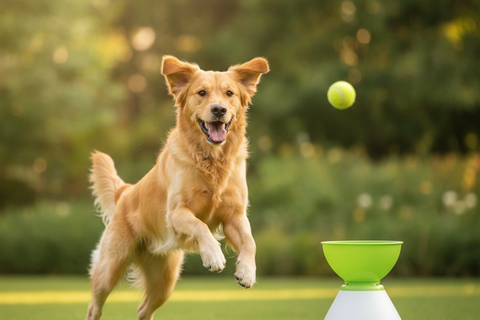
automatic ball launcher for dogs
Choosing the Right Automatic Ball Launcher for Dogs: Endless Playtime
Jul 02, 2026
clipping dog
Clipping Dog Nails: Why It's Hard & What Truly Helps
Jul 02, 2026
dog gear
Dog Parkour? Elevate Their Chill
Jul 01, 2026
board dogs
Best Cat Scratching Post & Board for Cats: 2026 Guide
Jul 01, 2026
aggressive chewers
Top 5 Indestructible Dog Toys for Power Chewers: Built to Last
Jul 01, 2026