

Calming Your Anxious Canine or Feline: A Comprehensive Guide for US & Canadian Pet Parents
In homes across the US and Canada, our beloved dogs and cats are cherished members of the family. Yet, like humans, many experience anxiety, a condition that can significantly impact their well-being and your household's harmony. Recognizing and addressing pet anxiety is crucial for fostering a happy, healthy environment. At Furry Fable, we understand the unique bond you share with your furry companions and are dedicated to providing insights and solutions to help them thrive.
Understanding Pet Anxiety: Signs & Causes
The first step to helping an anxious pet is understanding what anxiety looks like and what might be triggering it. While every pet is an individual, certain signs and causes are common across species.
Recognizing the Signs of Anxiety
- For Dogs:
- Pacing or restlessness
- Excessive barking, whining, or howling
- Destructive chewing or digging
- Excessive licking or self-grooming
- Trembling or shivering, even when not cold
- Hiding or cowering
- House soiling (urination or defecation indoors)
- Aggression (growling, snapping, biting)
- Loss of appetite or excessive eating
- Reluctance to interact
- Compulsive behaviors like tail chasing
- Escaping enclosures
- Excessive panting
- Dilated pupils
- Ears flattened or pinned back
- Tense body posture
- Yawning or lip-licking when not tired or hungry
- Seeking excessive attention or clinging
- Shaking off when not wet
- Pinning ears back
- Lowered body posture
- Avoiding eye contact
- Tucked tail
- Increased shedding
- Diarrhea or vomiting
- Refusal to eat
- Hypersalivation
- Lack of responsiveness to cues
- For Cats:
- Hiding excessively
- Changes in litter box habits (urinating or defecating outside the box)
- Over-grooming (leading to bald spots or skin irritation)
- Increased vocalization (excessive meowing, crying, hissing)
- Changes in appetite (eating more or less)
- Aggression towards people or other pets
- Restlessness or agitation
- Destructive scratching
- Piloerection (hacker hair, especially on the back)
- Flattened ears or twitching tail
- Dilated pupils
- Withdrawal from social interaction
- Reluctance to play
- Swatting or biting when approached
- Urinating outside the litter box
- Spraying urine on vertical surfaces
- Diarrhea or vomiting
- Excessive drooling
- Lethargy
- Restlessness
- Compulsive behaviors like fabric sucking
- Excessive kneading
- Tail tucking
- Refusal to use the litter box
- Reluctance to eat
- Changes in sleep patterns
Common Causes of Anxiety
- Separation Anxiety: Affecting both dogs and cats, this occurs when pets become distressed when left alone.
- Noise Phobias: Loud noises like thunderstorms, fireworks, or construction can trigger intense fear.
- Environmental Changes: Moving to a new home, the introduction of a new pet or family member, or even rearranging furniture can be unsettling.
- Past Trauma or Negative Experiences: Rescue pets, especially, may carry anxiety from previous experiences.
- Aging and Medical Conditions: Pain, loss of senses, or cognitive dysfunction syndrome can increase anxiety in older pets.
- Lack of Socialization: Pets not properly socialized during their critical developmental periods may become fearful of new people, animals, or environments.
- Genetics: Some breeds or individual animals may be predisposed to anxiety.
- Lack of Enrichment: Boredom or insufficient mental and physical stimulation can lead to anxious behaviors.
Creating a Calm Environment
A safe, predictable environment is fundamental to reducing your pet's anxiety. Consider these strategies:
- Safe Spaces: Provide a dedicated, comfortable retreat where your pet can feel secure. This could be a cozy bed, a quiet crate for dogs, or a high perch or cubby for cats.
- Routine: Pets thrive on predictability. Establish a consistent schedule for feeding, walks, playtime, and sleep to help them feel more secure.
- Scent & Sound: Consider using pet-specific calming diffusers, classical music, or white noise machines to create a soothing atmosphere and mask startling sounds.
- Enrichment: Mental stimulation is vital. Provide a variety of pet toys, puzzle feeders, and opportunities for exploration. For cats, consider interactive toys that mimic prey behavior, such as those discussed in Are Interactive Bird Toys Safe For Indoor Cats? What Experts Say.
Holistic & Behavioral Strategies
Beyond environmental adjustments, several approaches can help manage and reduce pet anxiety.
- Exercise & Play: Regular physical activity is a powerful stress reliever for dogs. Daily walks, runs, and active play can burn off excess energy and promote relaxation. For dogs, a comfortable harness and leash are essential for safe and enjoyable outdoor adventures. Cats also benefit from interactive play sessions that mimic hunting, helping them release pent-up energy and frustration.
- Positive Reinforcement Training: Training not only teaches good manners but also builds confidence and strengthens your bond with your pet. Focus on positive reinforcement methods, rewarding calm behavior and achievements.
- Desensitization & Counter-Conditioning: For specific fears (like noise phobias), gradual exposure paired with positive experiences can help. For example, playing low-volume recordings of thunderstorms while offering treats can help your pet associate the sound with something pleasant.
- Calming Supplements: A range of natural calming supplements, often containing ingredients like L-Theanine, Chamomile, or Hemp-derived compounds, are available. Always consult your veterinarian before introducing any new supplements.
- Massage & Touch: Gentle petting, massage, or even TTouch techniques can have a calming effect on some pets, helping to relax tense muscles and reduce stress.
For more expert tips on easing general anxiety in both dogs and cats, you might find additional valuable information in our article, Calm Paws, Happy Home: Expert Tips for Easing Dog and Cat Anxiety.
Addressing Specific Anxiety Types
Separation Anxiety
This common form of anxiety manifests when pets are left alone. Strategies include:
- Gradual Departures: Practice leaving your pet alone for very short periods, gradually increasing the time.
- Ignore Greetings & Departures: Make your comings and goings low-key to reduce the emotional intensity associated with them.
- Distraction: Provide a puzzle toy or long-lasting chew to occupy your pet as you leave.
- Comfort Items: Leave an old t-shirt with your scent or a comforting blanket.
If your dog struggles with separation anxiety, particularly in the post-pandemic era, our detailed guide on Mental Health for Dogs: How to Reduce Separation Anxiety Post-Pandemic offers further specialized advice.
Noise Phobias
Pets fearful of loud noises often benefit from a designated "safe space" during noisy events. Create a cozy den, play white noise or classical music, and consider anxiety wraps or thunder shirts that provide gentle, constant pressure.
Travel Anxiety
For pets anxious about car rides or carriers, gradually acclimate them. Start by simply having the carrier out or sitting in the car with them, offering treats and praise. Slowly introduce short, positive trips, building up duration over time.
When to Consult a Professional
While many anxiety issues can be managed at home, it's vital to know when to seek professional help:
- Veterinarian: Always consult your vet first to rule out any underlying medical conditions that could be causing or exacerbating anxiety. They can also discuss prescription medications or refer you to specialists.
- Certified Pet Behaviorist or Trainer: For severe or complex anxiety, a certified professional can develop a tailored behavior modification plan using humane, science-based techniques.
Calming an anxious pet is a journey that requires patience, understanding, and consistency. By implementing a combination of environmental adjustments, behavioral strategies, and professional guidance when needed, you can significantly improve your pet's quality of life and strengthen your special bond. Explore our wide range of pet products designed to support your furry friend's comfort and happiness.
FurryFable Recommendations
 FurryFable Calming Dog Anxiety Vest – Stress & Fear Relief
✓ Free USA Shipping✓ Fast Delivery✓ Secure Checkout✓ 100% Satisfaction
You Might Also Like

calming vest
Best Dog Anxiety Vest for Dogs: 2026 Guide
Sep 17, 2026
dog gear
Best Dog Puzzle Toy for Dogs: 2026 Guide
Sep 12, 2026
destroys toys
Why Your Dog Destroys Toys — & How to Finally Stop It
Sep 05, 2026
autumn puppy
Autumn Puppy Potty Training
Sep 05, 2026
collar leash
Best Dog Collar & Leash Set for Dogs: 2026 Guide
Sep 04, 2026
autumn dog
Autumn Dog Nail Care: Ditching the Drama & Embracing Healthy Paws
Sep 04, 2026
autumn dog
Autumn Dog Beds: Why Your Pup Still Gets Hot & How to Fix It
Sep 03, 2026
freedom fumble
Retractable Leashes: Freedom or Fumble?
Sep 03, 2026
bird gear
Best Chicken Coop Swing & Toy for Dogs: 2026 Guide
Sep 02, 2026
autumn paw
Autumn Paw Patrol: Stop Litter Tracks for Good
Sep 02, 2026
arms automatic
Tired Arms? Automatic Toys for Small Dogs That Actually Work
Sep 01, 2026
dog gear
Unleash Their Inner Athlete: Backyard Dog Agility Secrets
Sep 01, 2026
agility seesaw
Best Dog Agility Seesaw for Dogs: 2026 Guide
Aug 10, 2026
cat play
Dog-Proof Cat Play: Harmony in Your Shared Spaces
Aug 10, 2026
dog gear
Summer Dog Travel: for Stress-Free Adventures
Aug 10, 2026
anxious dog
Anxious Dog? : A Calming Bed That Actually Works
Jul 08, 2026
automatic cat feeder
Smart Automatic Pet Feeder vs. Gravity Feeder: Which is Best for Your Pet's Routine?
Jul 08, 2026
dog gear
Hiking with Your Dog: The Long Leash Dilemma Solved
Jul 08, 2026
mess solved
Paw Mess Solved
Jul 07, 2026
dog gear
Dog Eats Too Fast? Ragnor's Fix for Gulping & Bloat
Jul 07, 2026
beyond fetch
Summer Dog Games: Beyond Fetch
Jul 07, 2026
breathable dog car seat
Stay Cool on the Road: Top 5 Cooling Dog Car Seat Covers for Summer Adventures
Jul 07, 2026
invaders keep
Yard Invaders? How to Keep Stray Dogs Away (Kindly)
Jul 07, 2026
avoid drama
Clipping Dog Nails: Avoid the Drama & Do It Right
Jul 06, 2026
brachycephalic dog gear
Best No-Pull Harness for French Bulldogs: Comfort, Control & Style
Jul 06, 2026
bored dog
Bored Dog? Unleash Happiness with Vertical Play
Jul 06, 2026
clothes jackets
Best Dog Clothes & Jackets for Dogs: 2026 Guide
Jul 06, 2026
pet care gear
Best Portable Pet Water Bottle for Dogs: 2026 Guide
Jul 05, 2026
foes scratch
Furniture Foes: for Scratch-Proof Paws
Jul 05, 2026
best dog toys
The Ultimate Guide: Choosing Indestructible Dog Toys for Aggressive Chewers
Jul 05, 2026
dog gear
Unleash Their Inner Olympian: Home Agility for Any Dog
Jul 05, 2026
dog gear
Lost Dog Panic? GPS Trackers Actually Work. Here's How.
Jul 05, 2026
anxiety regular
Dog Anxiety: Why Regular Beds Aren't Enough
Jul 04, 2026
dog gear
Summer Dog Safety
Jul 04, 2026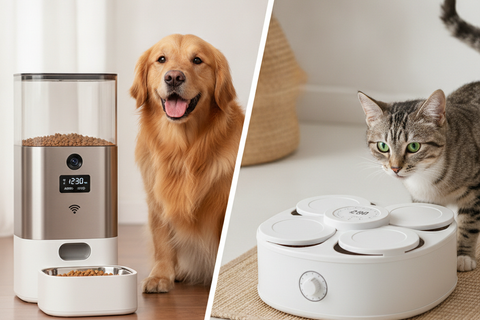
automatic pet feeder
Smart Automatic Pet Feeder vs. Timed Feeder: Which is Best for Your Pet?
Jul 04, 2026
dog gear
Summer Walks: Give Your Dog Freedom (Safely!)
Jul 04, 2026
dog gear
Summer Frisbee Fun: A Dog's Guide to Outdoor Play
Jul 03, 2026
pet care gear
Summer Scratch Solutions
Jul 03, 2026
dog gear
Unleash Their Inner Olympian: DIY Dog Agility for Happy Paws
Jul 03, 2026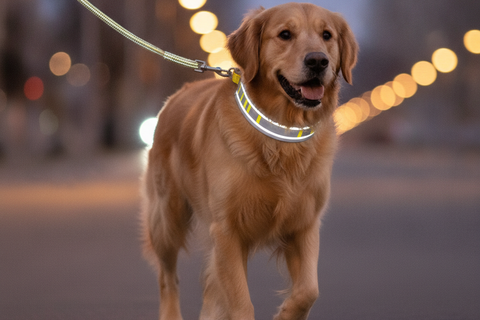
dog safety at night
Reflective Dog Leashes & Collars: Enhance Nighttime Safety
Jul 03, 2026
chews that
Problem solved: Chews that stand up to your power chewer
Jul 03, 2026
dog gear
Potty Training a Puppy? Why Litter Boxes Are a Bad Idea
Jul 02, 2026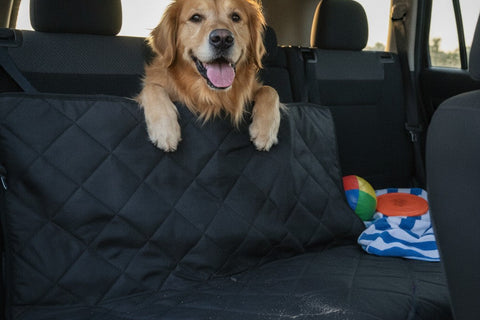
pet care gear
Summer Road Trips: Protect Your Car Seats
Jul 02, 2026
color what
Dog Pee Color: What It's Telling You (And What to Do)
Jul 02, 2026
dog gear
Summer Shedding: Stop the Dog Hair Avalanche!
Jul 02, 2026
automatic ball launcher for dogs
Choosing the Right Automatic Ball Launcher for Dogs: Endless Playtime
Jul 02, 2026
clipping dog
Clipping Dog Nails: Why It's Hard & What Truly Helps
Jul 02, 2026
dog gear
Dog Parkour? Elevate Their Chill
Jul 01, 2026
board dogs
Best Cat Scratching Post & Board for Cats: 2026 Guide
Jul 01, 2026
aggressive chewers
Top 5 Indestructible Dog Toys for Power Chewers: Built to Last
Jul 01, 2026