

Witnessing your beloved dog experience anxiety can be heartbreaking. From trembling during thunderstorms to destructive chewing when left alone, stress manifests in many ways, leaving pet parents searching for effective solutions. Among the myriad of calming aids available, anxiety vests have risen in popularity, promising a drug-free approach to soothe canine nerves. But do anxiety vests for dogs work as effectively as claimed, or are they just another fad?
Quick Answer: Do Anxiety Vests Really Work?
Yes, for many dogs, anxiety vests can be an effective tool to reduce stress and promote a sense of calm. These vests work on the principle of constant, gentle pressure, similar to swaddling an infant, which can have a soothing effect on the nervous system. While not a universal cure and best used as part of a comprehensive anxiety management plan, their efficacy is supported by anecdotal evidence from countless pet parents and some preliminary studies, making them a valuable option for managing various forms of canine anxiety.
Understanding Canine Anxiety: More Than Just "Bad Behavior"
Anxiety in dogs is a complex emotional state that can stem from various triggers, often misunderstood as simple disobedience. Recognizing the signs and understanding the underlying causes is the first step toward effective management.
H4: What is Dog Anxiety?
Canine anxiety is a natural response to perceived threats, but when it becomes excessive, chronic, or disproportionate to the situation, it can significantly impact a dog's quality of life. It’s a state of apprehension, nervousness, or fear, often accompanied by physical and behavioral symptoms.
H4: Common Causes and Triggers of Dog Anxiety
Several factors can contribute to a dog's anxiety:
- Separation Anxiety: Fear of being left alone, leading to destructive behaviors, excessive barking, or house soiling.
- Noise Phobias: Intense fear of loud noises like thunderstorms, fireworks, vacuums, or construction.
- Travel Anxiety: Stress associated with car rides, new environments, or confinement during travel. For tips on making journeys smoother, explore our guide to Road Trip Ready: The Best Dog Car Seat Covers for Clean & Safe Travel.
- Social Anxiety: Fear or discomfort around unfamiliar people or other animals.
- Generalized Anxiety: Chronic anxiety without a specific trigger, often due to past trauma or genetics.
- Aging-Related Anxiety: Cognitive decline in senior dogs can lead to confusion, disorientation, and increased anxiety.
H4: Recognizing the Signs of a Stressed Dog
Anxious dogs often display a range of symptoms, which can vary in intensity:
- Behavioral: Destructive chewing, excessive barking or whining, pacing, house soiling, hiding, aggression, compulsive licking.
- Physical: Trembling, panting, drooling, yawning, lip licking, tucked tail, flattened ears, dilated pupils, shedding.
- Vocalizations: Persistent barking, howling, or whimpering beyond normal communication.
If you observe these signs, it's crucial to address them proactively rather than dismissing them as "naughty" behavior. Early intervention can prevent anxiety from escalating.
The Science Behind Anxiety Vests: How Do They Work?
Anxiety vests, often referred to as calming wraps or thunder shirts, employ a simple yet powerful principle: constant, gentle pressure. This technique is not new; it's a concept rooted in both human and animal psychology.
H4: The Principle of Constant, Gentle Pressure
The core mechanism of an anxiety vest is to apply consistent, mild pressure around a dog's torso. This pressure is believed to mimic the feeling of a comforting hug or swaddling. In humans, deep pressure stimulation has been shown to activate the parasympathetic nervous system, which is responsible for the "rest and digest" response, counteracting the "fight or flight" response of the sympathetic nervous system.
For dogs, this deep pressure contact can lead to a similar calming effect. It may reduce the release of stress hormones like cortisol and increase the release of feel-good hormones such as oxytocin and endorphins, promoting a sense of security and well-being. This is why many pet parents report positive outcomes when using an anxiety vest for pet anxiety relief.
H4: The Role of the Nervous System
The gentle pressure from the vest acts as a sensory input that can help to override or distract from overwhelming external stimuli. By engaging the somatosensory system, the vest provides a comforting sensation that can ground an anxious dog, allowing them to focus less on their triggers and more on the soothing pressure. This physiological response is key to understanding why many pet parents claim anxiety vests for dogs work effectively for their companions.
Do Anxiety Vests for Dogs Work? The Evidence & Effectiveness
The effectiveness of anxiety vests is a topic of ongoing discussion among veterinarians and pet behaviorists. While scientific studies are still evolving, a significant body of anecdotal evidence and preliminary research suggests they can be a valuable tool.
H4: Anecdotal Success Stories from Pet Parents
Thousands of pet parents worldwide swear by anxiety vests. Stories abound of dogs transforming from trembling wrecks during fireworks to calmly resting, or from destructive chewers to relaxed companions when left alone. These personal accounts, while not scientific data, highlight the profound positive impact these vests can have on individual dogs' lives, making them a popular choice for calming solutions for stressed dogs.
H4: What the Research Says (and Doesn't Say)
Early studies, such as one published in the Journal of Veterinary Behavior, have shown promising results, indicating that pressure wraps can reduce heart rate and other physiological signs of stress in some dogs. However, research is still limited, and more large-scale, placebo-controlled studies are needed to fully understand their efficacy across different breeds, anxiety types, and intensities.
It's important to note that effectiveness can vary. What works wonders for one dog might have little effect on another. The vest's success often depends on the individual dog's personality, the type and severity of their anxiety, and how the vest is introduced and used.
H4: Individual Differences in Response
Just like humans, dogs respond differently to various calming techniques. Factors influencing a vest's effectiveness include:
- Severity of Anxiety: Dogs with mild to moderate anxiety might see more immediate and profound results.
- Type of Anxiety: Vests tend to be most effective for situational anxieties like noise phobias or travel stress, rather than chronic, generalized anxiety.
- Dog's Temperament: Some dogs are naturally more receptive to tactile comfort.
- Proper Introduction: A positive introduction to the vest is crucial to avoid associating it with negative experiences.
Always consult your veterinarian or a certified professional dog trainer if your dog's anxiety is severe or persistent. They can help diagnose the root cause and recommend the most appropriate course of action, which may include medication or behavioral therapy in conjunction with an anxiety vest. This is not a substitute for professional veterinary advice.
When to Consider an Anxiety Vest for Your Dog
Anxiety vests are particularly useful for specific situations where your dog's stress levels tend to spike. They are often most effective for situational anxieties rather than chronic, generalized anxiety.
H4: Situations Where Anxiety Vests Can Be Beneficial
- Thunderstorms and Fireworks: These are classic triggers for noise-phobic dogs. The vest can provide comfort during loud events, helping to mitigate the "thunder shirt effectiveness" for many.
- Travel and Car Rides: Dogs prone to motion sickness or general stress during car travel may benefit. Coupled with proper training and a secure travel setup, like those discussed in our guide on dog car seat covers, vests can make journeys much smoother.
- Vet Visits or Grooming Appointments: Unfamiliar environments and handling can be stressful. A vest can help a dog feel more secure.
- Separation Anxiety (Mild to Moderate): For dogs with mild separation anxiety, a vest can provide a sense of security when left alone, reducing destructive behaviors or excessive barking.
- New Environments or Social Gatherings: When introducing a dog to a new home, people, or other pets, a vest can help them feel more grounded.
- Training and Rehabilitation: For dogs undergoing behavior modification, a vest can help them remain calmer and more receptive to learning during sessions.
It's important to remember that a vest is a tool, not a magic bullet. It works best when integrated into a broader strategy for managing your dog's anxiety.
Choosing the Right Anxiety Vest: Fit, Features, and Materials
Selecting the correct anxiety vest is crucial for both comfort and effectiveness. A poorly fitting vest can be uncomfortable or, worse, ineffective.
H4: Key Features to Look For
- Adjustability: Look for vests with adjustable straps (velcro or buckles) to ensure a snug, yet comfortable fit.
- Material: Soft, breathable, and lightweight fabrics are ideal, especially if your dog will wear it for extended periods. Fleece, cotton blends, or mesh are common. Consider temperature regulation, especially if your dog tends to overheat; our guide on keeping your dog cool offers further insights.
- Ease of Use: Simple designs that are easy to put on and take off will make the process less stressful for both you and your dog.
- Durability: A high-quality vest will withstand regular use and washing.
FurryFable offers a range of pet apparel, including options that prioritize comfort and safety, which are essential when choosing an anxiety vest for dogs.
H4: Ensuring a Proper Fit for Maximum Effectiveness
A proper fit is paramount for the vest to apply consistent, gentle pressure. Here’s how to ensure it:
- Measure Your Dog: Use a soft tape measure to get accurate chest girth (around the widest part of the rib cage) and neck circumference.
- Consult Sizing Charts: Always refer to the manufacturer's specific sizing chart. Breeds vary, and sizes are not universal.
- Snug, Not Tight: The vest should fit snugly, like a hug, but not restrict movement, breathing, or circulation. You should be able to slide two fingers comfortably under the straps.
- Observe Movement: After putting it on, watch your dog walk, sit, and lie down. Ensure they can move freely and comfortably.
A well-fitted vest is key to its efficacy as a comfort solution for anxious dogs.
Introducing the Anxiety Vest to Your Dog: A Step-by-Step Guide
A positive introduction is vital to ensure your dog associates the vest with comfort, not fear or punishment. Avoid forcing the vest on them.
- Make it a Positive Experience: Let your dog sniff the vest. Offer treats and praise.
- Short, Supervised Sessions: Start by putting the vest on for just 5-10 minutes in a calm environment. Distract them with a favorite toy or a gentle massage.
- Gradual Increase: Slowly increase the duration of wear. Always supervise them initially to ensure they are comfortable and not trying to chew it off.
- Positive Association: Only put the vest on when your dog is calm. Avoid putting it on immediately before a known stressor (e.g., a thunderstorm) until they are fully comfortable with it.
- Remove Positively: Take the vest off while still offering praise and a treat.
Consistency and patience are key. This gradual approach helps build a positive association, making the vest a source of comfort rather than another stressor.
Beyond the Vest: A Holistic Approach to Calming Solutions
While anxiety vests are a fantastic tool, they are most effective when part of a multi-modal approach to managing canine anxiety. A holistic strategy addresses various aspects of your dog's well-being.
H4: Behavioral Modification and Training
Working with a certified professional dog trainer or veterinary behaviorist can provide tailored strategies:
- Desensitization: Gradually exposing your dog to their triggers at a low intensity, slowly increasing exposure as they remain calm.
- Counter-Conditioning: Changing your dog's emotional response to a trigger by associating it with something positive (e.g., treats during a thunderstorm).
- Obedience Training: Basic obedience can build confidence and provide a sense of structure, which can reduce anxiety. A well-fitting harness and leash can be crucial for comfortable training sessions.
H4: Environmental Enrichment and Safe Spaces
Creating a stimulating yet secure environment is crucial:
- Designated Safe Space: A crate (if crate-trained), a quiet room, or a comfortable bed where your dog can retreat when feeling overwhelmed.
- Mental Stimulation: Puzzle toys, snuffle mats, and interactive feeders can redirect anxious energy and provide mental exercise. Explore our collection of dog toys for engaging options.
- Physical Exercise: Regular walks and playtime help burn off excess energy and release endorphins, reducing overall stress. Consider an appropriate harness for comfortable walks.
- Chew Toys: For dogs with destructive tendencies due to anxiety, providing durable chew toys can offer a safe outlet. Our guide to indestructible dog chew toys can help you find the perfect match.
H4: Pheromones, Supplements, and Dietary Considerations
Certain products can complement behavioral strategies:
- Adaptil (DAP): Dog Appeasing Pheromone diffusers or collars mimic the calming pheromone released by a mother dog.
- Calming Supplements: Ingredients like L-theanine, tryptophan, and CBD (ensure veterinary approval for dosage and quality) can help promote relaxation.
- Prescription Medications: For severe anxiety, a veterinarian may prescribe anti-anxiety medications. This should always be a last resort and managed under strict veterinary guidance.
Always consult your veterinarian before introducing any new supplements or medications to your dog's routine.
Comparison Table: Popular Anxiety Vest Features
When considering an anxiety vest, different brands offer varying features and designs. Here's a general comparison of common attributes you'll find:
| Feature/Aspect | Thundershirt (Example) | Wrap-Style Vests (General) | Vest-Style Vests (General) |
|---|---|---|---|
| Mechanism | Patented design for consistent, gentle pressure around torso. | Adjustable wraps apply pressure around chest and shoulders. | Full-body coverage with adjustable straps, often targeting more pressure points. |
| Fit & Adjustability | Velcro closures for a snug, customizable fit. Generally easy to put on. | Multiple straps and buckles for precise adjustments. Can be more complex to fit initially. | Often has fewer adjustment points but designed for broader coverage. |
| Material | Soft, breathable, durable fabric (often polyester/spandex blend). | Varies greatly; cotton, fleece, polyester blends. Focus on breathability. | Often thicker, sometimes with mesh panels for ventilation. |
| Target Anxiety | Noise phobias, separation anxiety, travel, vet visits. | Similar to Thundershirt, often effective for situational anxiety. | Can be used for broader anxiety, sometimes offering a more "enclosed" feeling. |
| Cost Range | Mid to high range. | Low to mid range. | Mid to high range. |
| Ease of Cleaning | Machine washable, air dry recommended. | Varies by material; generally machine washable. | Machine washable, may require more careful drying. |
Frequently Asked Questions
Frequently Asked Questions
Q: How long can a dog wear an anxiety vest?
A: Most veterinarians and manufacturers recommend wearing an anxiety vest for no more than 8-12 hours at a time, especially initially. It's important to give your dog breaks to prevent skin irritation and to ensure they don't become overly reliant on the vest. Always supervise your dog when they are wearing it.
Q: Can anxiety vests be used for all types of dog anxiety?
A: Anxiety vests are generally most effective for situational anxieties such as noise phobias (thunderstorms, fireworks), travel anxiety, or mild separation anxiety. For severe or generalized anxiety, they are best used as part of a comprehensive treatment plan that may include behavioral therapy, environmental modifications, and potentially medication under veterinary supervision.
Q: Are there any side effects to using an anxiety vest?
A: Side effects are rare but can include skin irritation if the vest is too tight or worn for too long without breaks. Some dogs may initially resist wearing it, which can be overcome with positive reinforcement during introduction. Always ensure a proper fit and observe your dog for any signs of discomfort.
Q: What if my dog doesn't respond to an anxiety vest?
A: If your dog doesn't show improvement with an anxiety vest, it doesn't mean their anxiety is untreatable. Every dog is unique, and what works for one may not work for another. Consider exploring other calming solutions like behavioral training, pheromone diffusers, calming supplements, or consulting a veterinary behaviorist for a tailored approach.
Q: Can I use an anxiety vest on a puppy?
A: Yes, anxiety vests can be used on puppies, especially if they show signs of anxiety early on. Introducing the vest positively during puppyhood can help them develop a positive association with it. Always ensure the vest fits properly and does not restrict their growth or movement, and use it under supervision.
Conclusion: A Valuable Tool in Your Calming Arsenal
Do anxiety vests for dogs work? For many pet parents, the answer is a resounding yes. These innovative calming solutions for stressed dogs offer a drug-free, non-invasive way to provide comfort and security to anxious canines. While not a standalone cure, when used correctly and as part of a comprehensive approach that includes positive reinforcement, behavioral training, and a supportive environment, an anxiety vest can significantly improve your dog's quality of life.
At FurryFable.com, we understand the deep bond you share with your pet and are committed to offering products that enhance their well-being. Explore our curated selection of Comfort & Anxiety Solutions today and discover the perfect tools to help your furry friend find their calm amidst life's stressors. Give your dog the gift of tranquility and peace of mind.
FurryFable Recommendations
 FurryFable Calming Dog Anxiety Vest – Stress & Fear Relief
✓ Free USA Shipping✓ Fast Delivery✓ Secure Checkout✓ 100% Satisfaction
You Might Also Like

calming vest
Best Dog Anxiety Vest for Dogs: 2026 Guide
Sep 17, 2026
dog gear
Best Dog Puzzle Toy for Dogs: 2026 Guide
Sep 12, 2026
destroys toys
Why Your Dog Destroys Toys — & How to Finally Stop It
Sep 05, 2026
autumn puppy
Autumn Puppy Potty Training
Sep 05, 2026
collar leash
Best Dog Collar & Leash Set for Dogs: 2026 Guide
Sep 04, 2026
autumn dog
Autumn Dog Nail Care: Ditching the Drama & Embracing Healthy Paws
Sep 04, 2026
autumn dog
Autumn Dog Beds: Why Your Pup Still Gets Hot & How to Fix It
Sep 03, 2026
freedom fumble
Retractable Leashes: Freedom or Fumble?
Sep 03, 2026
bird gear
Best Chicken Coop Swing & Toy for Dogs: 2026 Guide
Sep 02, 2026
autumn paw
Autumn Paw Patrol: Stop Litter Tracks for Good
Sep 02, 2026
arms automatic
Tired Arms? Automatic Toys for Small Dogs That Actually Work
Sep 01, 2026
dog gear
Unleash Their Inner Athlete: Backyard Dog Agility Secrets
Sep 01, 2026
agility seesaw
Best Dog Agility Seesaw for Dogs: 2026 Guide
Aug 10, 2026
cat play
Dog-Proof Cat Play: Harmony in Your Shared Spaces
Aug 10, 2026
dog gear
Summer Dog Travel: for Stress-Free Adventures
Aug 10, 2026
anxious dog
Anxious Dog? : A Calming Bed That Actually Works
Jul 08, 2026
automatic cat feeder
Smart Automatic Pet Feeder vs. Gravity Feeder: Which is Best for Your Pet's Routine?
Jul 08, 2026
dog gear
Hiking with Your Dog: The Long Leash Dilemma Solved
Jul 08, 2026
mess solved
Paw Mess Solved
Jul 07, 2026
dog gear
Dog Eats Too Fast? Ragnor's Fix for Gulping & Bloat
Jul 07, 2026
beyond fetch
Summer Dog Games: Beyond Fetch
Jul 07, 2026
breathable dog car seat
Stay Cool on the Road: Top 5 Cooling Dog Car Seat Covers for Summer Adventures
Jul 07, 2026
invaders keep
Yard Invaders? How to Keep Stray Dogs Away (Kindly)
Jul 07, 2026
avoid drama
Clipping Dog Nails: Avoid the Drama & Do It Right
Jul 06, 2026
brachycephalic dog gear
Best No-Pull Harness for French Bulldogs: Comfort, Control & Style
Jul 06, 2026
bored dog
Bored Dog? Unleash Happiness with Vertical Play
Jul 06, 2026
clothes jackets
Best Dog Clothes & Jackets for Dogs: 2026 Guide
Jul 06, 2026
pet care gear
Best Portable Pet Water Bottle for Dogs: 2026 Guide
Jul 05, 2026
foes scratch
Furniture Foes: for Scratch-Proof Paws
Jul 05, 2026
best dog toys
The Ultimate Guide: Choosing Indestructible Dog Toys for Aggressive Chewers
Jul 05, 2026
dog gear
Unleash Their Inner Olympian: Home Agility for Any Dog
Jul 05, 2026
dog gear
Lost Dog Panic? GPS Trackers Actually Work. Here's How.
Jul 05, 2026
anxiety regular
Dog Anxiety: Why Regular Beds Aren't Enough
Jul 04, 2026
dog gear
Summer Dog Safety
Jul 04, 2026
automatic pet feeder
Smart Automatic Pet Feeder vs. Timed Feeder: Which is Best for Your Pet?
Jul 04, 2026
dog gear
Summer Walks: Give Your Dog Freedom (Safely!)
Jul 04, 2026
dog gear
Summer Frisbee Fun: A Dog's Guide to Outdoor Play
Jul 03, 2026
pet care gear
Summer Scratch Solutions
Jul 03, 2026
dog gear
Unleash Their Inner Olympian: DIY Dog Agility for Happy Paws
Jul 03, 2026
dog safety at night
Reflective Dog Leashes & Collars: Enhance Nighttime Safety
Jul 03, 2026
chews that
Problem solved: Chews that stand up to your power chewer
Jul 03, 2026
dog gear
Potty Training a Puppy? Why Litter Boxes Are a Bad Idea
Jul 02, 2026
pet care gear
Summer Road Trips: Protect Your Car Seats
Jul 02, 2026
color what
Dog Pee Color: What It's Telling You (And What to Do)
Jul 02, 2026
dog gear
Summer Shedding: Stop the Dog Hair Avalanche!
Jul 02, 2026
automatic ball launcher for dogs
Choosing the Right Automatic Ball Launcher for Dogs: Endless Playtime
Jul 02, 2026
clipping dog
Clipping Dog Nails: Why It's Hard & What Truly Helps
Jul 02, 2026
dog gear
Dog Parkour? Elevate Their Chill
Jul 01, 2026
board dogs
Best Cat Scratching Post & Board for Cats: 2026 Guide
Jul 01, 2026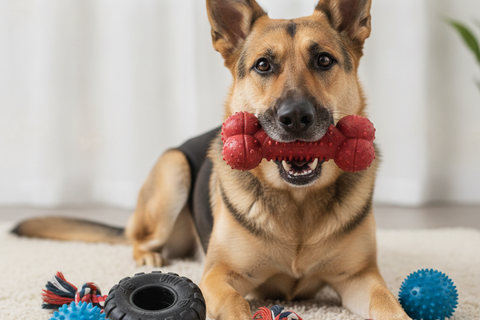
aggressive chewers
Top 5 Indestructible Dog Toys for Power Chewers: Built to Last
Jul 01, 2026