
bird
furryfable
pet
Your First Feathered Friend: A No-Stress Setup Checklist

Bringing a new bird home is an exciting time, but the sheer volume of information on proper care can feel overwhelming. Many new bird owners struggle with knowing exactly what supplies are essential and how to create a safe, stimulating environment from day one. Incorrect cage size, improper perches, or an inadequate diet can lead to stress, behavioral issues, and even health problems for your new feathered companion.
To set up for your first pet bird, prioritize a spacious cage with appropriate bar spacing for the species, natural wood perches of varying diameters, stainless steel food and water dishes, a species-specific diet (pellets, seeds, fresh produce), and a variety of stimulating toys. Ensure the cage is placed in a draft-free, well-lit area away from direct sunlight and household toxins.
The Essential Pet Bird Setup Guide for Beginners
The foundation of a happy, healthy bird begins with its environment. Choosing the right cage and accessories is not just about aesthetics; it directly impacts your bird's physical and psychological well-being. A common mistake is selecting a cage that is too small, which can lead to feather picking, aggression, and inactivity. For a single parakeet, for example, aim for a cage no smaller than 18 inches wide, 18 inches deep, and 18 inches high. Larger birds like cockatiels require significantly more space, with a minimum of 24x24x24 inches. Always consider the wingspan of your bird when selecting a cage; it should be able to fully extend its wings without touching the cage bars or toys.
Cage Selection: Size, Bar Spacing, and Material
When selecting a cage, bar spacing is critical. For smaller birds like finches and canaries, bar spacing should be no more than 1/2 inch to prevent escape or injury. For medium-sized birds like cockatiels and conures, 1/2 to 3/4 inch is appropriate. Larger parrots will require wider spacing, up to 1 inch. Avoid cages with zinc-coated bars, as zinc poisoning is a serious and often fatal condition in birds. Stainless steel or powder-coated wrought iron are the safest and most durable options. Look for cages with horizontal bars, as they provide climbing opportunities, which are crucial for a bird's physical activity and mental stimulation. A pull-out tray at the bottom makes cleaning significantly easier, reducing the risk of bacterial growth.
Perches: Variety is Key for Foot Health
Many new bird owners use only the dowel perches that come with the cage, which is a significant oversight. Constant pressure on the same part of a bird's foot can lead to bumblefoot (pododermatitis), a painful and potentially debilitating condition. Provide perches of varying diameters and textures to allow your bird to exercise different foot muscles and prevent pressure sores. Natural branches from bird-safe trees like apple, willow, or manzanita are ideal. Avoid sandpaper perches, which can abrade footpads. Include at least three perches, placed at different heights, ensuring that droppings do not fall into food or water bowls. FurryFable offers a variety of natural wood perches within our bird supplies collection.
Food and Water: Stainless Steel is Superior
Plastic food and water dishes can harbor bacteria and are easily chewed. Stainless steel bowls are non-porous, easy to clean, and durable, making them the best choice for your bird's health. Provide at least two food bowls (one for pellets/seeds, one for fresh produce) and one water bowl. Water should be changed daily, and bowls cleaned thoroughly to prevent bacterial growth. Consider a pet water bottle for some species, though open bowls are generally preferred for ease of cleaning and natural drinking behavior.
Diet: Beyond Seeds
A common misconception is that birds thrive on a seed-only diet. This is far from the truth and can lead to nutritional deficiencies, obesity, and liver disease. A high-quality pelleted diet should form the basis of your bird's nutrition, supplemented with fresh vegetables, fruits, and a small amount of seeds as treats. Research your specific bird species' dietary needs, as these can vary significantly. For example, some birds require more fat in their diet, while others are prone to iron storage disease. Consult with an avian veterinarian for personalized dietary recommendations. The ASPCA provides excellent resources on species-specific diets.
Enrichment: Toys for a Healthy Mind
Birds are intelligent creatures that require constant mental stimulation to prevent boredom and destructive behaviors. Provide a variety of toys that encourage foraging, chewing, climbing, and problem-solving. Rotate toys regularly to keep your bird engaged. Foraging toys are particularly beneficial, as they mimic natural behaviors and prevent your bird from becoming overweight. The FurryFable Premium Chicken Swing Set – Coop Perch & Ladder, while designed for chickens, demonstrates the type of enriching structures that can provide climbing and perching opportunities, and similar principles apply to smaller bird toys. Consider toys from our pet toys collection that are specifically designed for birds, ensuring they are made from bird-safe materials and do not contain small parts that could be ingested.
Location, Location, Location
The placement of your bird's cage is crucial. Avoid drafty areas, direct sunlight, or locations near windows that can experience extreme temperature fluctuations. The kitchen is also a poor choice due to fumes from non-stick cookware (PTFE), which can be fatal to birds. Place the cage in a busy area of your home where your bird can feel like part of the family, but also where it can get adequate rest. A consistent light cycle is vital; birds need 10-12 hours of uninterrupted sleep each night. Covering the cage at night can help facilitate this.
Why We Chose These for FurryFable
At FurryFable, our selection criteria for bird products prioritize safety, durability, and enrichment. We understand the specific challenges new bird owners face, from preventing bumblefoot with varied perches to ensuring proper nutrition with appropriate bowls. Our commitment to high-quality materials means you won't find zinc-coated cages or flimsy plastic dishes in our bird supplies. We focus on products that promote natural behaviors, reduce stress, and contribute to the long-term health and happiness of your feathered friend. For example, our "Hanging Outdoor Bird Bath & Feeder | Garden Water Bowl" is made from durable, easy-to-clean materials, ensuring fresh water and food access while minimizing bacterial growth.
FAQ
What is the ideal cage size for a single parakeet?
For a single parakeet, a cage that is at least 18 inches wide, 18 inches deep, and 18 inches high is recommended to allow for adequate movement and wing extension.
How often should I clean my bird's cage?
Daily spot cleaning of droppings and food debris is essential. A full cage cleaning, including scrubbing bars and changing substrate, should be done weekly to prevent bacterial buildup. Food and water bowls must be cleaned daily.
What types of perches are best for preventing bumblefoot?
Provide a variety of natural wood perches of different diameters and textures, such as apple, willow, or manzanita branches. Avoid dowel rods and sandpaper perches exclusively.
Can I feed my bird only seeds?
No, a seed-only diet is nutritionally deficient and can lead to serious health problems like obesity and liver disease. A high-quality pelleted diet, supplemented with fresh fruits and vegetables, should be the primary food source.
Where should I place my bird's cage in my home?
Place the cage in a draft-free, well-lit area away from direct sunlight and kitchen fumes. It should be in a central part of your home where your bird can interact with the family, but also get uninterrupted sleep.
Setting up your bird's environment correctly from the start prevents many common problems and ensures a thriving, joyful companion. Explore FurryFable's extensive collection of bird supplies to find everything you need for a stress-free setup.
FurryFable Recommendations
 Hanging Outdoor Bird Bath & Feeder | Garden Water Bowl
✓ Free USA Shipping✓ Fast Delivery✓ Secure Checkout✓ 100% Satisfaction
Ragnor
Pet Trainer & Animal Behaviorist
If you found this helpful, also read: Smart Automatic Pet Feeder.
If you found this helpful, also read: Smart Automatic Pet Feeders.
If you found this helpful, also read: pet travel gear.
You Might Also Like

calming vest
Best Dog Anxiety Vest for Dogs: 2026 Guide
Sep 17, 2026
dog gear
Best Dog Puzzle Toy for Dogs: 2026 Guide
Sep 12, 2026
destroys toys
Why Your Dog Destroys Toys — & How to Finally Stop It
Sep 05, 2026
autumn puppy
Autumn Puppy Potty Training
Sep 05, 2026
collar leash
Best Dog Collar & Leash Set for Dogs: 2026 Guide
Sep 04, 2026
autumn dog
Autumn Dog Nail Care: Ditching the Drama & Embracing Healthy Paws
Sep 04, 2026
autumn dog
Autumn Dog Beds: Why Your Pup Still Gets Hot & How to Fix It
Sep 03, 2026
freedom fumble
Retractable Leashes: Freedom or Fumble?
Sep 03, 2026
bird gear
Best Chicken Coop Swing & Toy for Dogs: 2026 Guide
Sep 02, 2026
autumn paw
Autumn Paw Patrol: Stop Litter Tracks for Good
Sep 02, 2026
arms automatic
Tired Arms? Automatic Toys for Small Dogs That Actually Work
Sep 01, 2026
dog gear
Unleash Their Inner Athlete: Backyard Dog Agility Secrets
Sep 01, 2026
agility seesaw
Best Dog Agility Seesaw for Dogs: 2026 Guide
Aug 10, 2026
cat play
Dog-Proof Cat Play: Harmony in Your Shared Spaces
Aug 10, 2026
dog gear
Summer Dog Travel: for Stress-Free Adventures
Aug 10, 2026
anxious dog
Anxious Dog? : A Calming Bed That Actually Works
Jul 08, 2026
automatic cat feeder
Smart Automatic Pet Feeder vs. Gravity Feeder: Which is Best for Your Pet's Routine?
Jul 08, 2026
dog gear
Hiking with Your Dog: The Long Leash Dilemma Solved
Jul 08, 2026
mess solved
Paw Mess Solved
Jul 07, 2026
dog gear
Dog Eats Too Fast? Ragnor's Fix for Gulping & Bloat
Jul 07, 2026
beyond fetch
Summer Dog Games: Beyond Fetch
Jul 07, 2026
breathable dog car seat
Stay Cool on the Road: Top 5 Cooling Dog Car Seat Covers for Summer Adventures
Jul 07, 2026
invaders keep
Yard Invaders? How to Keep Stray Dogs Away (Kindly)
Jul 07, 2026
avoid drama
Clipping Dog Nails: Avoid the Drama & Do It Right
Jul 06, 2026
brachycephalic dog gear
Best No-Pull Harness for French Bulldogs: Comfort, Control & Style
Jul 06, 2026
bored dog
Bored Dog? Unleash Happiness with Vertical Play
Jul 06, 2026
clothes jackets
Best Dog Clothes & Jackets for Dogs: 2026 Guide
Jul 06, 2026
pet care gear
Best Portable Pet Water Bottle for Dogs: 2026 Guide
Jul 05, 2026
foes scratch
Furniture Foes: for Scratch-Proof Paws
Jul 05, 2026
best dog toys
The Ultimate Guide: Choosing Indestructible Dog Toys for Aggressive Chewers
Jul 05, 2026
dog gear
Unleash Their Inner Olympian: Home Agility for Any Dog
Jul 05, 2026
dog gear
Lost Dog Panic? GPS Trackers Actually Work. Here's How.
Jul 05, 2026
anxiety regular
Dog Anxiety: Why Regular Beds Aren't Enough
Jul 04, 2026
dog gear
Summer Dog Safety
Jul 04, 2026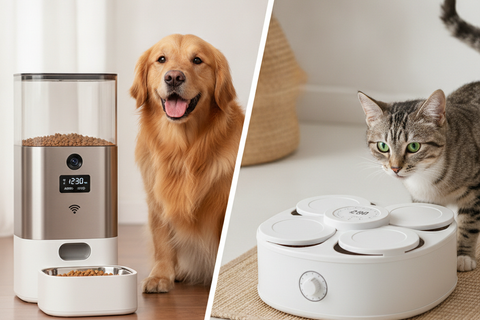
automatic pet feeder
Smart Automatic Pet Feeder vs. Timed Feeder: Which is Best for Your Pet?
Jul 04, 2026
dog gear
Summer Walks: Give Your Dog Freedom (Safely!)
Jul 04, 2026
dog gear
Summer Frisbee Fun: A Dog's Guide to Outdoor Play
Jul 03, 2026
pet care gear
Summer Scratch Solutions
Jul 03, 2026
dog gear
Unleash Their Inner Olympian: DIY Dog Agility for Happy Paws
Jul 03, 2026
dog safety at night
Reflective Dog Leashes & Collars: Enhance Nighttime Safety
Jul 03, 2026
chews that
Problem solved: Chews that stand up to your power chewer
Jul 03, 2026
dog gear
Potty Training a Puppy? Why Litter Boxes Are a Bad Idea
Jul 02, 2026
pet care gear
Summer Road Trips: Protect Your Car Seats
Jul 02, 2026
color what
Dog Pee Color: What It's Telling You (And What to Do)
Jul 02, 2026
dog gear
Summer Shedding: Stop the Dog Hair Avalanche!
Jul 02, 2026
automatic ball launcher for dogs
Choosing the Right Automatic Ball Launcher for Dogs: Endless Playtime
Jul 02, 2026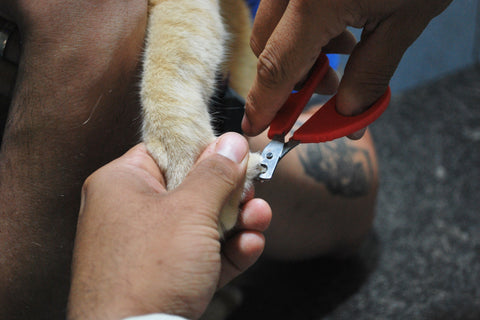
clipping dog
Clipping Dog Nails: Why It's Hard & What Truly Helps
Jul 02, 2026
dog gear
Dog Parkour? Elevate Their Chill
Jul 01, 2026
board dogs
Best Cat Scratching Post & Board for Cats: 2026 Guide
Jul 01, 2026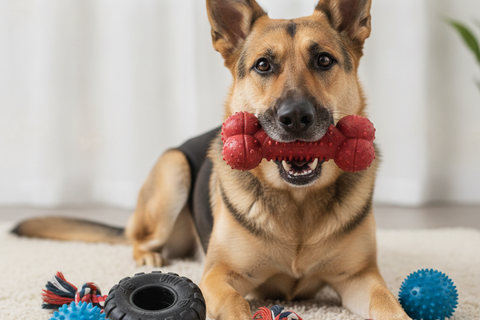
aggressive chewers
Top 5 Indestructible Dog Toys for Power Chewers: Built to Last
Jul 01, 2026