
automatic
cat
dog
Smart Feeder or Bust? What Dogs (and You) Actually Need

The daily scramble to feed your dog can feel like a race against the clock. Between early morning meetings, unexpected late nights at the office, or even just the unpredictable nature of life, maintaining a rigid feeding schedule and precise portion control often proves challenging for dog owners. This challenge is magnified for breeds like the Labrador Retriever, known for their enthusiastic appetites and a genetic predisposition to weight gain. Inconsistent meal times and overfeeding contribute to significant health concerns, creating a genuine dilemma for owners striving to provide the best care. The quest for a reliable feeding solution often leads to considering an automatic pet feeder buying guide, weighing the benefits against traditional methods.
Quick Answer: Smart Feeder or Bust?
An automatic pet feeder is not a universal solution, but it is far from a bust for most dogs and owners. For Labrador Retrievers and similar breeds prone to obesity or rapid eating, a high-quality smart feeder offers invaluable tools for consistent portion control and scheduled meals, mitigating health risks. However, for dogs with complex medical diets, severe resource guarding, or those requiring frequent, supervised meals (like very young puppies), traditional hand-feeding or puzzle toys may be more appropriate. The decision hinges on your dog's specific behavioral and health needs, alongside your lifestyle demands.
The Critical Need for Feeding Precision in Labrador Retrievers
Labrador Retrievers are particularly susceptible to weight-related health issues, a fact rooted in their genetics. Approximately 25% of Labrador Retrievers carry a POMC gene mutation that causes them to feel perpetually hungrier and burn about 25% fewer calories at rest. This genetic trait means precise portion control isn't just a recommendation; it's a non-negotiable aspect of their care to prevent obesity. Uncontrolled access to food or inconsistent meal sizes can quickly lead to excess weight, placing strain on their joints and organs.
Beyond weight management, how a Labrador eats is as crucial as what they eat. Many Labradors are rapid eaters, gulping down their meals in minutes. This fast consumption significantly increases the risk of gastric dilatation-volvulus (GDV), commonly known as bloat. GDV is a life-threatening condition where the stomach fills with gas and can twist, cutting off blood supply and requiring immediate veterinary intervention. Slowing down meal consumption helps reduce the amount of air ingested, thereby lowering this critical risk. Offering smaller, more frequent meals throughout the day can also reduce the overall stomach volume at any given time, further mitigating bloat risk.
The long-term health implications of obesity for Labrador Retrievers are severe. An overweight Labrador is at a significantly higher risk of developing conditions such as osteoarthritis, cardiovascular disease, and canine diabetes mellitus. Diabetes, in particular, is closely linked to excess body fat, as obesity causes insulin resistance, making it harder for the body to regulate blood sugar levels. Proactive management of their diet and feeding habits is paramount to their longevity and quality of life.
The Benefits of a Smart Feeder for Specific Canine Needs
For owners of Labrador Retrievers, an automatic pet feeder can be a powerful tool in managing their specific dietary challenges. These devices provide unparalleled consistency, delivering exact portions at programmed times, day in and day out. This eliminates the guesswork and human error that can lead to overfeeding, particularly for a breed so driven by food.
- Precision Portioning: Smart feeders allow you to set precise meal sizes, often down to a few grams or ounces. This is vital for Labradors, helping to maintain a healthy weight and combat their genetic predisposition to obesity.
- Consistent Scheduling: Dogs thrive on routine. Scheduled meals, even when you're not home, reduce anxiety around food and can help regulate digestion. For Labradors prone to hunger between meals due to their POMC gene mutation, more frequent, smaller meals dispensed by a feeder can provide better satiety without increasing overall caloric intake.
- Slow-Feeding Capabilities: Many modern automatic feeders incorporate features to slow down rapid eating, such as internal baffles or smaller dispensing openings. This is a critical advantage for breeds at risk of GDV, forcing them to eat at a more measured pace and ingest less air.
- Remote Management: App-controlled feeders offer the flexibility to adjust schedules or dispense extra portions remotely, ideal for owners with unpredictable work hours or those who travel occasionally.
What to Prioritize in an Automatic Pet Feeder Buying Guide
When selecting an automatic pet feeder, focus on features that directly address your dog's health and your lifestyle needs. A generic feeder simply won't suffice for the specific requirements of a Labrador Retriever.
Capacity and Durability
For larger breeds like Labradors, a feeder with ample capacity is essential. The FurryFable Smart Automatic Pet Food Dispenser - 4.6L, for instance, can hold enough kibble to last several days for a large dog, reducing the frequency of refills. Look for feeders constructed from BPA-free plastics or stainless steel, which are easier to clean and resist bacterial growth. Avoid feeders with flimsy components that an enthusiastic Labrador might easily break or chew through, potentially accessing unauthorized food.
Programmable Features and Flexibility
Opt for a feeder that allows for multiple meal times per day (e.g., up to 4-6 meals). This enables you to divide your Labrador's daily caloric intake into smaller, more digestible portions, which is beneficial for weight management and reducing bloat risk. Look for intuitive programming interfaces, whether physical buttons or a smartphone app. An app-controlled feeder offers greater convenience and real-time monitoring of food levels and dispensing history.
Anti-Jamming and Reliability
A feeder is only helpful if it dispenses food reliably. An anti-jamming mechanism is crucial to prevent kibble from getting stuck, ensuring your dog receives their scheduled meals. Battery backup is also non-negotiable. Power outages happen, and a feeder that defaults to battery power prevents missed meals, which can be particularly stressful for dogs accustomed to a strict routine.
Slow-Feeding Design and Voice Recording
Prioritize feeders with built-in slow-feeding features if your Labrador is a rapid eater. These designs typically involve internal barriers that force the dog to eat around obstacles, significantly extending meal times. Additionally, a voice recording feature can be incredibly reassuring for dogs, allowing you to record a short message that plays at mealtime, associating the feeder with your presence and reducing potential anxiety.
When a Smart Feeder Isn't the Optimal Choice
While highly beneficial for many, smart feeders are not a one-size-fits-all solution. There are specific scenarios where direct human involvement in feeding remains superior:
- Complex Medical Diets: Dogs requiring specific food textures, liquid medications mixed into meals, or very precise hand-fed portions for health conditions may not be suited for an automatic feeder.
- Severe Resource Guarding: If your dog exhibits aggressive tendencies around food bowls, introducing an automatic feeder could exacerbate the issue if not managed carefully. These situations require professional behavioral intervention and often supervised feeding.
- Very Young Puppies: Puppies require frequent, small, and often supervised meals to monitor their intake, ensure proper digestion, and build positive associations with human interaction during feeding. An automatic feeder may not provide the necessary oversight. For young pups, interactive toys from our dog toys collection can provide mental stimulation without relying on an automatic feeder for primary nutrition.
Beyond the Bowl: Ensuring Consistent Hydration
While focusing on an automatic pet feeder buying guide, do not overlook the equally vital aspect of hydration. Consistent access to fresh, clean water is paramount for all dogs, especially active breeds or those prone to urinary tract issues. Water fountains offer a continuous supply of filtered water, encouraging dogs to drink more frequently than stagnant bowl water. The FurryFable Square Pet Water Fountain | Silent & Multi-Layer Filter is an excellent example, providing multi-layer filtration and quiet operation, making it appealing even to sensitive dogs. Proper hydration supports kidney function, aids digestion, and helps prevent dehydration, which can be particularly dangerous during warmer months. Consider pairing your smart feeder with a reliable water fountain from our pet water bottle collection.
Why We Chose These for FurryFable
At FurryFable, our selection criteria for automatic feeders and water fountains are rooted in genuine pet welfare and owner practicality. We prioritize products that offer robust construction, precise engineering, and features that directly address common canine health and behavioral challenges. For feeders, this means emphasizing reliable dispensing mechanisms, flexible programming, and capacities suitable for various breed sizes, like the 4.6L capacity of the FurryFable Smart Automatic Pet Food Dispenser. We look for models with anti-jamming technology and battery backup to ensure uninterrupted feeding. For water fountains, silent operation and multi-layer filtration, as seen in the FurryFable Square Pet Water Fountain, are key to encouraging hydration and maintaining water purity. Every product is evaluated for ease of cleaning, material safety (BPA-free), and its ability to integrate seamlessly into a busy owner's life while enhancing their dog's well-being. Our focus is on providing solutions that genuinely improve the lives of dogs, particularly those with specific needs like Labradors, by promoting consistent nutrition and hydration.
Frequently Asked Questions About Automatic Pet Feeders
Can an automatic feeder help my Labrador Retriever lose weight?
Yes, an automatic feeder can be highly effective for weight loss in Labrador Retrievers by ensuring consistent, precise portion control and scheduled meals. It eliminates accidental overfeeding and allows for dividing daily food into smaller, more frequent portions, which can help manage hunger for breeds with a genetic predisposition to feel perpetually hungry.
Are smart feeders safe for dogs prone to bloat (GDV)?
Many smart feeders incorporate slow-feeding designs, which can help reduce the risk of bloat by forcing your dog to eat at a slower pace and ingest less air. However, it is essential to choose a feeder with these specific features and still monitor your dog, especially after meals, for any signs of GDV.
How do I transition my dog to an automatic feeder?
Introduce the automatic feeder gradually. Start by placing it next to their regular bowl. Once your dog is comfortable, begin dispensing one meal a day from the feeder while still using the old bowl for others. Slowly increase the feeder's use until your dog is fully transitioned. A voice recording feature on the feeder can also aid in this transition.
What capacity feeder should I get for a large breed like a German Shepherd?
For large breeds such as German Shepherds, a feeder with a minimum capacity of 4-6 liters is recommended to ensure it holds enough food for several days, like the FurryFable Smart Automatic Pet Food Dispenser - 4.6L. This prevents frequent refills and provides convenience, especially if you are away for a weekend. You can find more gear for large breeds in our Best Dog Backpacks for German Shepherds & Other Large Breeds guide.
Can automatic feeders help with separation anxiety related to meal times?
For some dogs, the consistent routine provided by an automatic feeder can reduce anxiety related to inconsistent meal times. The voice recorder feature can also offer reassurance. However, if your dog has severe separation anxiety, an automatic feeder is a tool, not a cure, and should be part of a broader behavioral modification plan. Our guide on Do Anxiety Vests Really Work? Calming Solutions for Stressed Dogs might offer additional insights.
Equipping yourself with the right tools is essential for maintaining your dog's health and happiness. Explore our range of high-quality pet water bottles and feeders to find the perfect solution for your dog's needs today. Shop the FurryFable Pet Water Bottle Collection now!
FurryFable Picks: Top automatic pet feeder buying guides
 FurryFable Smart Automatic Pet Food Dispenser - 4.6L
 FurryFable Square Pet Water Fountain | Silent & Multi-Layer Filter
 FurryFable Silent Circular Pet Water Fountain | Filtered & Clean
Ragnor
Pet Trainer & Animal Behaviorist
FurryFable Recommendations
 FurryFable Automatic Pet Water & Food Dispenser for Cats & Dogs
★★★★★ 5 (28)
Save 34%$37.23 Shop Now
 FurryFable Gravity Automatic Pet Feeder & Water Dispenser
✓ Free USA Shipping✓ Fast Delivery✓ Secure Checkout✓ 100% Satisfaction
You Might Also Like

calming vest
Best Dog Anxiety Vest for Dogs: 2026 Guide
Sep 17, 2026
dog gear
Best Dog Puzzle Toy for Dogs: 2026 Guide
Sep 12, 2026
destroys toys
Why Your Dog Destroys Toys — & How to Finally Stop It
Sep 05, 2026
autumn puppy
Autumn Puppy Potty Training
Sep 05, 2026
collar leash
Best Dog Collar & Leash Set for Dogs: 2026 Guide
Sep 04, 2026
autumn dog
Autumn Dog Nail Care: Ditching the Drama & Embracing Healthy Paws
Sep 04, 2026
autumn dog
Autumn Dog Beds: Why Your Pup Still Gets Hot & How to Fix It
Sep 03, 2026
freedom fumble
Retractable Leashes: Freedom or Fumble?
Sep 03, 2026
bird gear
Best Chicken Coop Swing & Toy for Dogs: 2026 Guide
Sep 02, 2026
autumn paw
Autumn Paw Patrol: Stop Litter Tracks for Good
Sep 02, 2026
arms automatic
Tired Arms? Automatic Toys for Small Dogs That Actually Work
Sep 01, 2026
dog gear
Unleash Their Inner Athlete: Backyard Dog Agility Secrets
Sep 01, 2026
agility seesaw
Best Dog Agility Seesaw for Dogs: 2026 Guide
Aug 10, 2026
cat play
Dog-Proof Cat Play: Harmony in Your Shared Spaces
Aug 10, 2026
dog gear
Summer Dog Travel: for Stress-Free Adventures
Aug 10, 2026
anxious dog
Anxious Dog? : A Calming Bed That Actually Works
Jul 08, 2026
automatic cat feeder
Smart Automatic Pet Feeder vs. Gravity Feeder: Which is Best for Your Pet's Routine?
Jul 08, 2026
dog gear
Hiking with Your Dog: The Long Leash Dilemma Solved
Jul 08, 2026
mess solved
Paw Mess Solved
Jul 07, 2026
dog gear
Dog Eats Too Fast? Ragnor's Fix for Gulping & Bloat
Jul 07, 2026
beyond fetch
Summer Dog Games: Beyond Fetch
Jul 07, 2026
breathable dog car seat
Stay Cool on the Road: Top 5 Cooling Dog Car Seat Covers for Summer Adventures
Jul 07, 2026
invaders keep
Yard Invaders? How to Keep Stray Dogs Away (Kindly)
Jul 07, 2026
avoid drama
Clipping Dog Nails: Avoid the Drama & Do It Right
Jul 06, 2026
brachycephalic dog gear
Best No-Pull Harness for French Bulldogs: Comfort, Control & Style
Jul 06, 2026
bored dog
Bored Dog? Unleash Happiness with Vertical Play
Jul 06, 2026
clothes jackets
Best Dog Clothes & Jackets for Dogs: 2026 Guide
Jul 06, 2026
pet care gear
Best Portable Pet Water Bottle for Dogs: 2026 Guide
Jul 05, 2026
foes scratch
Furniture Foes: for Scratch-Proof Paws
Jul 05, 2026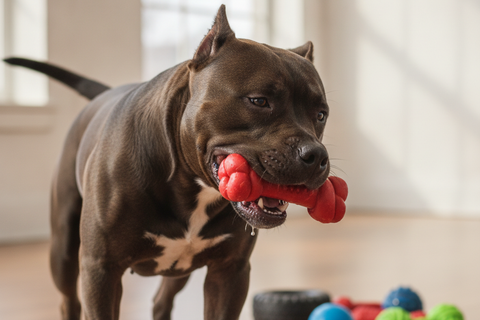
best dog toys
The Ultimate Guide: Choosing Indestructible Dog Toys for Aggressive Chewers
Jul 05, 2026
dog gear
Unleash Their Inner Olympian: Home Agility for Any Dog
Jul 05, 2026
dog gear
Lost Dog Panic? GPS Trackers Actually Work. Here's How.
Jul 05, 2026
anxiety regular
Dog Anxiety: Why Regular Beds Aren't Enough
Jul 04, 2026
dog gear
Summer Dog Safety
Jul 04, 2026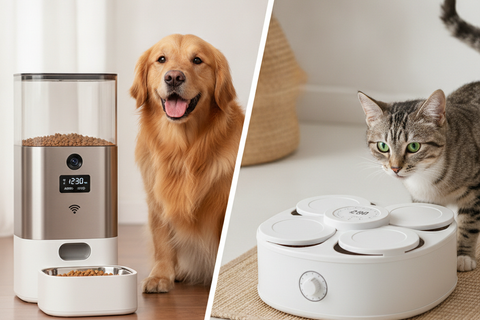
automatic pet feeder
Smart Automatic Pet Feeder vs. Timed Feeder: Which is Best for Your Pet?
Jul 04, 2026
dog gear
Summer Walks: Give Your Dog Freedom (Safely!)
Jul 04, 2026
dog gear
Summer Frisbee Fun: A Dog's Guide to Outdoor Play
Jul 03, 2026
pet care gear
Summer Scratch Solutions
Jul 03, 2026
dog gear
Unleash Their Inner Olympian: DIY Dog Agility for Happy Paws
Jul 03, 2026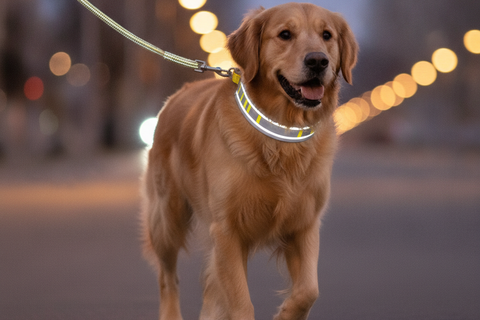
dog safety at night
Reflective Dog Leashes & Collars: Enhance Nighttime Safety
Jul 03, 2026
chews that
Problem solved: Chews that stand up to your power chewer
Jul 03, 2026
dog gear
Potty Training a Puppy? Why Litter Boxes Are a Bad Idea
Jul 02, 2026
pet care gear
Summer Road Trips: Protect Your Car Seats
Jul 02, 2026
color what
Dog Pee Color: What It's Telling You (And What to Do)
Jul 02, 2026
dog gear
Summer Shedding: Stop the Dog Hair Avalanche!
Jul 02, 2026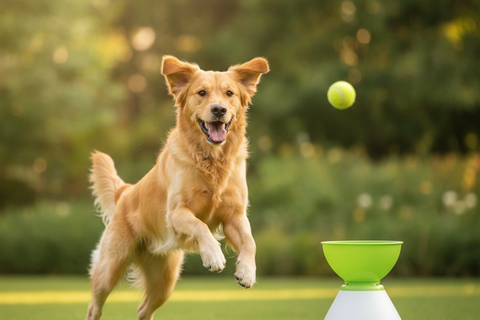
automatic ball launcher for dogs
Choosing the Right Automatic Ball Launcher for Dogs: Endless Playtime
Jul 02, 2026
clipping dog
Clipping Dog Nails: Why It's Hard & What Truly Helps
Jul 02, 2026
dog gear
Dog Parkour? Elevate Their Chill
Jul 01, 2026
board dogs
Best Cat Scratching Post & Board for Cats: 2026 Guide
Jul 01, 2026
aggressive chewers
Top 5 Indestructible Dog Toys for Power Chewers: Built to Last
Jul 01, 2026