
best
dog
furryfable
Best Dog Anxiety Vest for Boxers: 2026 Guide

As a devoted Boxer parent, you know your playful, energetic companion brings immense joy and boundless enthusiasm into your home. Their loyalty, comedic antics, and deep affection for their families are legendary. However, even the most robust and seemingly fearless Boxers can experience anxiety. Whether it's the rumble of a thunderstorm, the crackle of fireworks, the stress of a vet visit, or the quiet ache of separation, these moments can leave your beloved large breed dog feeling distressed. Finding the right calming solution is paramount, and often, the search begins with identifying the best dog anxiety vest for Boxer breeds.
In this comprehensive 2026 guide, we at FurryFable.com will delve deep into the world of dog anxiety vests, specifically tailored for the unique needs of your Boxer. We'll explore how these innovative garments work, what features are non-negotiable for a Boxer's build and temperament, and provide practical advice to help you choose a solution that brings comfort and peace to your cherished companion. From their muscular physique to their brachycephalic breathing considerations, every aspect of your Boxer’s well-being will be addressed to ensure you make the most informed decision.
Quick Answer:
The best dog anxiety vest for a Boxer combines a snug, adjustable fit that applies gentle, consistent pressure across their torso, durable and breathable fabric suitable for their active nature and brachycephalic breathing, and a design that allows for full range of motion. Look for vests with strong, soft fasteners and a wide size range to accommodate their muscular build, ensuring comfort without restricting their playful spirit or aggravating potential heat sensitivity.
Understanding Boxer Anxiety: More Than Just a "Tough Dog"
Boxers are known for their courage and playful demeanor, often described as "the Peter Pan of the dog world" because of their perpetual puppy-like energy. However, beneath that boisterous exterior can lie a sensitive soul prone to various forms of anxiety. Understanding these triggers is the first step in providing effective relief.
Common Anxiety Triggers for Boxers:
- Separation Anxiety: Boxers are incredibly bonded to their families. Their "shadow" tendencies mean they thrive on companionship. Being left alone, even for short periods, can trigger intense separation anxiety, leading to destructive chewing, excessive barking, or house-soiling. This is especially true for high-energy dogs who need consistent mental and physical stimulation.
- Noise Phobias: Thunderstorms, fireworks, construction noises, or even loud domestic sounds can be terrifying for many Boxers. Their keen hearing can amplify these sounds, turning a normal event into a traumatic experience.
- Travel Anxiety: While some Boxers love car rides, others find them stressful. Motion sickness, unfamiliar environments, or the feeling of confinement can induce anxiety. For those who struggle, pairing an anxiety vest with other tools like a comfortable dog car seat cover can make a significant difference.
- Environmental Changes: Moving to a new home, introducing a new pet (even a cat, though we have great cat toys for integration!), or changes in routine can disrupt a Boxer's sense of security.
- Vet Visits or Grooming: Unfamiliar smells, sounds, and handling can be overwhelming for any dog, including your Boxer.
- Social Anxiety: While generally friendly, some Boxers might develop anxiety around unfamiliar dogs or people, especially if not properly socialized from a young age.
Recognizing the signs of anxiety in your Boxer is crucial. These can range from subtle cues like lip-licking, yawning, or averted gaze, to more overt behaviors like panting, pacing, whining, trembling, excessive drooling, destructive behavior, or even aggression. If you notice persistent or severe anxiety, always consult your veterinarian to rule out any underlying medical conditions and discuss a comprehensive management plan. The American Veterinary Medical Association (AVMA) emphasizes a multi-modal approach to anxiety, which often includes behavioral modification, medication, and calming tools like anxiety vests.
How Dog Anxiety Vests Work for Your Boxer
Anxiety vests operate on a principle similar to swaddling an infant or applying deep pressure therapy to humans. The vest applies gentle, constant pressure to your dog's torso, mimicking a comforting hug. This pressure stimulates the release of calming hormones like oxytocin and endorphins, while potentially reducing levels of stress hormones like cortisol. The result is a reduction in heart rate, a decrease in panting, and an overall sense of security and relaxation.
For a high-energy, muscular breed like the Boxer, this constant, gentle pressure can be particularly effective. It provides a non-invasive, drug-free way to help them cope with stressful situations. Unlike a regular harness (though we have a complete guide to harnesses), an anxiety vest is designed specifically for its therapeutic pressure, not for leash attachment (though some have D-rings for convenience).
Key Features to Look For in a Boxer Anxiety Vest
When selecting the best dog anxiety vest for your Boxer, their unique physical and behavioral traits must be at the forefront of your decision-making process. A vest designed for a smaller, less active breed simply won't cut it.
Sizing and Fit: Precision for a Powerful Build
This is arguably the most critical factor for Boxers. They are a large breed with a deep chest, broad shoulders, and a lean, muscular build. A vest that’s too tight will restrict movement and breathing, especially for a brachycephalic dog, while one that’s too loose won’t provide the necessary calming pressure.
- Accurate Measurements: Always measure your Boxer's chest girth (behind the front legs) and neck circumference. Compare these measurements to the manufacturer's specific sizing chart. Don’t guess or rely on general breed size categories.
- Adjustability: Look for vests with multiple points of adjustment, typically with strong hook-and-loop fasteners or buckles. This allows you to achieve that "snug but not tight" fit across their chest and back, crucial for maintaining consistent pressure as recommended by veterinary behaviorists.
- Full Range of Motion: Your Boxer is a high-energy dog that loves to run, jump, and play. The vest should never impede their natural movement or gait. Ensure it doesn't rub or chafe their armpits or neck.
Material: Breathability and Durability for an Active, Brachycephalic Breed
Boxers, being brachycephalic (short-nosed), are more prone to overheating than other breeds. Their high energy levels also mean they generate a lot of body heat. The material of the anxiety vest is therefore paramount.
- Breathable Fabrics: Opt for lightweight, breathable materials like mesh, soft cotton blends, or moisture-wicking fabrics. This is especially important if your Boxer will be wearing the vest for extended periods or in warmer climates. Avoid heavy, insulated materials unless specifically for cold weather use and short durations. Remember our guide on keeping your dog cool – material choice is key!
- Durability: Boxers are strong and active. The vest needs to withstand their playful antics, potential scratching, and repeated washing. Look for strong stitching, robust fasteners, and tear-resistant fabrics.
- Comfort: The fabric should be soft against your Boxer’s skin to prevent irritation or chafing, particularly in sensitive areas.
Design and Construction: Safety and Practicality
- Easy On/Off: A vest that’s difficult to put on or take off will add to your Boxer's stress, defeating its purpose. Look for simple designs with minimal fuss.
- Secure Fasteners: High-quality hook-and-loop closures (Velcro) or buckles that won't come undone easily are essential, especially for a strong dog.
- Washability: Accidents happen, and vests can get dirty. Ensure the vest is machine washable for easy cleaning.
- Minimal Bulk: While providing pressure, the vest shouldn't be overly bulky, which could restrict movement or cause overheating.
- Compatibility with Other Gear: If your Boxer wears a harness for walks, consider how the vest will integrate. Some vests are designed to be worn under a harness, or have an integrated D-ring, though the primary purpose of an anxiety vest is comfort, not leash attachment. For a proper fit for a harness, refer to our French Bulldog harness guide, which offers insights into brachycephalic breed harness needs.
Brand Reputation and Reviews
Always consider products from reputable brands known for pet safety and quality. Read reviews from other large breed owners, especially Boxer parents, to get real-world insights into fit, durability, and effectiveness. FurryFable.com vets all products in our Comfort & Luxury Anxiety Solutions collection for these very standards.
Comparison Table: What to Look For in a Dog Anxiety Vest for Boxers
| Feature | Why it's Crucial for Boxers | Ideal Characteristics |
|---|---|---|
| Sizing & Fit | Boxers have deep chests, broad shoulders, and muscular builds. An improper fit negates effectiveness and causes discomfort. | Wide size range, highly adjustable (multiple hook-and-loop or buckle points), allows full range of motion, no chafing at armpits. |
| Material | Brachycephalic and high-energy, Boxers are prone to overheating. Durability is key for active dogs. | Lightweight, breathable (mesh, soft cotton blends, moisture-wicking), durable, soft to the touch, machine washable. |
| Pressure Application | The core function of an anxiety vest. Needs consistent, gentle pressure across the torso. | Evenly distributed pressure, snug but not tight, wraps securely around the chest and back. |
| Ease of Use | Stress-free application is vital for an anxious dog. | Simple design, easy to put on and take off, secure and reliable fasteners (strong hook-and-loop, buckles). |
| Durability | Boxers are strong and active; the vest must withstand wear and tear. | Strong stitching, robust fasteners, tear-resistant fabric, holds up to frequent washing. |
| Design & Comfort | Should not restrict breathing or movement, especially for a brachycephalic breed. | Non-restrictive around neck and limbs, minimal bulk, comfortable against skin, does not interfere with urination/defecation. |
When to Use an Anxiety Vest for Your Boxer
Anxiety vests are a versatile tool in managing your Boxer's stress. Here are common scenarios where they can be particularly beneficial:
- Thunderstorms and Fireworks: These are classic triggers. Put the vest on your Boxer before the storm or fireworks begin, if possible, to allow the calming effect to take hold. Combine with a safe, quiet space.
- Travel: Whether it's a short car ride to the vet or a longer journey, an anxiety vest can make the experience less stressful. Pair it with familiar blankets or toys from our dog toys collection.
- Vet Visits or Grooming Appointments: The vest can help your Boxer feel more secure in unfamiliar environments with new smells and handling.
- Separation Anxiety: For mild to moderate separation anxiety, wearing the vest when you leave can provide comfort. It should be part of a broader training plan, potentially including enrichment from our pet toys collection.
- Social Gatherings: If your Boxer gets overwhelmed by visitors or crowded places, the vest can help them feel more grounded.
- Training Situations: For Boxers who get easily overstimulated during training, an anxiety vest might help them focus better. Check out our training gear for more helpful tools.
It's important to introduce the vest positively. Let your Boxer sniff it, offer treats, and praise them for wearing it. Start with short periods and gradually increase the duration. Never force your Boxer to wear the vest if they show extreme discomfort, and always supervise them, especially during initial wear.
Fitting Your Boxer's Anxiety Vest: A Step-by-Step Guide
A properly fitted vest is essential for its effectiveness and your Boxer's comfort. Follow these steps:
- Measure Accurately: Before purchasing, use a soft measuring tape to measure your Boxer's chest girth (circumference around the widest part of their chest, just behind the front legs) and neck circumference. Note these measurements and compare them to the specific sizing chart of the vest you intend to buy. When in doubt, size up if your Boxer is between sizes, but ensure it's still adjustable enough for a snug fit.
- Introduce Positively: Let your Boxer sniff the vest. Offer treats and praise. Place it on them gently, making it a positive experience.
- Secure the Vest: Wrap the vest around your Boxer's torso. Most vests have a main body that covers the back and chest, with straps that secure underneath. Fasten the hook-and-loop closures or buckles.
- Check the Fit: You should be able to comfortably slide two fingers underneath the vest at any point. It should be snug, applying gentle pressure, but not tight. Ensure it doesn't restrict their neck, shoulders, or breathing. For brachycephalic breeds like Boxers, ensuring no pressure on the throat or neck is particularly vital.
- Observe Movement: Watch your Boxer walk, sit, and lie down. The vest should not impede their natural movement or cause any rubbing or chafing, especially around the armpits or belly.
- Initial Wear: Start with short periods (5-10 minutes) in a calm environment. Offer praise and treats. Gradually increase the wear time.
- Supervise: Always supervise your Boxer when they are wearing an anxiety vest, especially when they are new to it. While designed for safety, every dog reacts differently.
Remember, the goal is comfort and calm, not constraint. If your Boxer seems distressed by the vest itself, re-check the fit, or consult your vet or a professional dog trainer for advice.
Beyond the Vest: Holistic Approaches to Boxer Anxiety
While an anxiety vest can be a powerful tool, it's often most effective when used as part of a broader strategy to manage your Boxer's anxiety. The AKC (American Kennel Club) and ASPCA (American Society for the Prevention of Cruelty to Animals) both advocate for a multi-faceted approach.
Consistent Exercise and Mental Stimulation: Essential for High-Energy Boxers
Boxers are high-energy dogs that require significant physical activity. A tired Boxer is often a calm Boxer.
- Daily Workouts: Aim for at least 60-90 minutes of vigorous exercise daily, split into multiple sessions. This could include brisk walks, runs, fetch, or playtime in a securely fenced yard. For longer adventures, consider our dog backpacks to add a little extra challenge!
- Mental Enrichment: Boxers are intelligent and thrive on mental challenges. Puzzle toys, interactive feeders, scent work, and obedience training (using positive reinforcement) can help channel their energy and reduce anxiety. Explore our dog toys for mentally stimulating options.
- Training: Consistent obedience training builds confidence and strengthens your bond. A well-trained Boxer is generally a more secure Boxer.
Safe Spaces and Routine
Provide your Boxer with a designated "safe space" where they can retreat when feeling overwhelmed. This might be a crate covered with a blanket, a cozy bed in a quiet room, or a specific corner of the house. Maintaining a predictable daily routine for feeding, walks, and playtime also provides a sense of security.
Professional Guidance
If your Boxer's anxiety is severe, persistent, or impacting their quality of life, professional help is invaluable.
- Veterinarian: Always consult your vet first to rule out any medical causes for anxiety. They can also recommend appropriate behavioral specialists or discuss medication options if necessary.
- Certified Professional Dog Trainer or Behaviorist: A certified professional dog trainer or veterinary behaviorist can help you identify specific triggers and develop a tailored behavior modification plan using positive reinforcement techniques.
Remember, managing anxiety is a journey, not a quick fix. Patience, consistency, and a combination of tools and techniques will yield the best results for your Boxer.
Conclusion: Finding Peace for Your Playful Boxer
Your Boxer is more than just a pet; they're a cherished member of your family, deserving of comfort and peace. While their playful spirit and unwavering loyalty are hallmarks of the breed, their susceptibility to anxiety is a reality many Boxer owners face. By understanding their unique needs – from their muscular build requiring precise sizing to their brachycephalic nature demanding breathable materials – you can confidently select the best dog anxiety vest for your Boxer.
A well-chosen anxiety vest, combined with a holistic approach to their well-being, can be a game-changer, helping your Boxer navigate stressful situations with greater calm and confidence. At FurryFable.com, we are committed to providing premium pet products that enhance the lives of pets and their families. Explore our curated selection of calming solutions designed with your Boxer's comfort in mind.
Ready to help your Boxer find their calm? Discover our full range of innovative and comfortable solutions today!
Shop FurryFable's Comfort & Luxury Anxiety Solutions Now!
Frequently Asked Questions About Boxer Anxiety Vests
Do anxiety vests really work for Boxers?
Yes, for many Boxers, anxiety vests can be highly effective. They work by applying gentle, constant pressure to the dog's torso, which mimics a comforting hug. This deep pressure touch helps to calm the nervous system, reducing stress hormones and increasing feel-good hormones like oxytocin. While not a cure-all, they can significantly alleviate symptoms for Boxers experiencing fear from thunderstorms, separation anxiety, travel stress, or vet visits. For a deeper dive, read our article: Do Anxiety Vests Really Work?
What size anxiety vest should I get for my Boxer?
Sizing is critical for Boxers due to their muscular build and deep chest. Always measure your Boxer's chest girth (the widest part behind their front legs) and neck circumference. Compare these measurements directly to the specific manufacturer's sizing chart, as sizes can vary between brands. You want a snug fit that applies even pressure but does not restrict movement or breathing, especially important for brachycephalic Boxers. If your Boxer is between sizes, it's often best to size up and ensure the vest has ample adjustability.
Can my Boxer wear an anxiety vest all day?
It's generally not recommended for a Boxer to wear an anxiety vest all day. Anxiety vests are typically designed for situational use during periods of stress or for short durations during training. Prolonged wear, especially for a brachycephalic, high-energy breed, can lead to overheating, skin irritation, or simply reduce the vest's effectiveness over time if worn constantly. Always supervise your Boxer while they are wearing the vest and remove it once the stressful situation has passed or if they show signs of discomfort.
What material is best for a Boxer anxiety vest to prevent overheating?
For Boxers, who are prone to overheating due to their brachycephalic nature and high energy, lightweight and breathable materials are essential. Look for vests made from mesh, soft cotton blends, or moisture-wicking fabrics. These materials allow for better air circulation and help dissipate body heat. Avoid heavy fleece or thick, insulated fabrics, particularly in warmer weather. Ensuring good ventilation is key to keeping your Boxer comfortable and safe while wearing the vest.
Can an anxiety vest replace training for my Boxer's anxiety?
No, an anxiety vest should not replace proper training and behavioral modification for your Boxer's anxiety. While an anxiety vest can be a highly effective tool for managing symptoms and providing immediate comfort, it's best used as part of a comprehensive strategy. Addressing the root cause of anxiety through positive reinforcement training, desensitization, counter-conditioning, and providing adequate exercise and mental stimulation is crucial for long-term success. Always consult with your veterinarian or a certified professional dog trainer for a tailored plan to manage your Boxer's anxiety.
FurryFable Recommendations
 FurryFable Calming Dog Anxiety Vest – Stress & Fear Relief
✓ Free USA Shipping✓ Fast Delivery✓ Secure Checkout✓ 100% Satisfaction
You Might Also Like
calming vest
Best Dog Anxiety Vest for Dogs: 2026 Guide
Sep 17, 2026
dog gear
Best Dog Puzzle Toy for Dogs: 2026 Guide
Sep 12, 2026
destroys toys
Why Your Dog Destroys Toys — & How to Finally Stop It
Sep 05, 2026
autumn puppy
Autumn Puppy Potty Training
Sep 05, 2026
collar leash
Best Dog Collar & Leash Set for Dogs: 2026 Guide
Sep 04, 2026
autumn dog
Autumn Dog Nail Care: Ditching the Drama & Embracing Healthy Paws
Sep 04, 2026
autumn dog
Autumn Dog Beds: Why Your Pup Still Gets Hot & How to Fix It
Sep 03, 2026
freedom fumble
Retractable Leashes: Freedom or Fumble?
Sep 03, 2026
bird gear
Best Chicken Coop Swing & Toy for Dogs: 2026 Guide
Sep 02, 2026
autumn paw
Autumn Paw Patrol: Stop Litter Tracks for Good
Sep 02, 2026
arms automatic
Tired Arms? Automatic Toys for Small Dogs That Actually Work
Sep 01, 2026
dog gear
Unleash Their Inner Athlete: Backyard Dog Agility Secrets
Sep 01, 2026
agility seesaw
Best Dog Agility Seesaw for Dogs: 2026 Guide
Aug 10, 2026
cat play
Dog-Proof Cat Play: Harmony in Your Shared Spaces
Aug 10, 2026
dog gear
Summer Dog Travel: for Stress-Free Adventures
Aug 10, 2026
anxious dog
Anxious Dog? : A Calming Bed That Actually Works
Jul 08, 2026
automatic cat feeder
Smart Automatic Pet Feeder vs. Gravity Feeder: Which is Best for Your Pet's Routine?
Jul 08, 2026
dog gear
Hiking with Your Dog: The Long Leash Dilemma Solved
Jul 08, 2026
mess solved
Paw Mess Solved
Jul 07, 2026
dog gear
Dog Eats Too Fast? Ragnor's Fix for Gulping & Bloat
Jul 07, 2026
beyond fetch
Summer Dog Games: Beyond Fetch
Jul 07, 2026
breathable dog car seat
Stay Cool on the Road: Top 5 Cooling Dog Car Seat Covers for Summer Adventures
Jul 07, 2026
invaders keep
Yard Invaders? How to Keep Stray Dogs Away (Kindly)
Jul 07, 2026
avoid drama
Clipping Dog Nails: Avoid the Drama & Do It Right
Jul 06, 2026
brachycephalic dog gear
Best No-Pull Harness for French Bulldogs: Comfort, Control & Style
Jul 06, 2026
bored dog
Bored Dog? Unleash Happiness with Vertical Play
Jul 06, 2026
clothes jackets
Best Dog Clothes & Jackets for Dogs: 2026 Guide
Jul 06, 2026
pet care gear
Best Portable Pet Water Bottle for Dogs: 2026 Guide
Jul 05, 2026
foes scratch
Furniture Foes: for Scratch-Proof Paws
Jul 05, 2026
best dog toys
The Ultimate Guide: Choosing Indestructible Dog Toys for Aggressive Chewers
Jul 05, 2026
dog gear
Unleash Their Inner Olympian: Home Agility for Any Dog
Jul 05, 2026
dog gear
Lost Dog Panic? GPS Trackers Actually Work. Here's How.
Jul 05, 2026
anxiety regular
Dog Anxiety: Why Regular Beds Aren't Enough
Jul 04, 2026
dog gear
Summer Dog Safety
Jul 04, 2026
automatic pet feeder
Smart Automatic Pet Feeder vs. Timed Feeder: Which is Best for Your Pet?
Jul 04, 2026
dog gear
Summer Walks: Give Your Dog Freedom (Safely!)
Jul 04, 2026
dog gear
Summer Frisbee Fun: A Dog's Guide to Outdoor Play
Jul 03, 2026
pet care gear
Summer Scratch Solutions
Jul 03, 2026
dog gear
Unleash Their Inner Olympian: DIY Dog Agility for Happy Paws
Jul 03, 2026
dog safety at night
Reflective Dog Leashes & Collars: Enhance Nighttime Safety
Jul 03, 2026
chews that
Problem solved: Chews that stand up to your power chewer
Jul 03, 2026
dog gear
Potty Training a Puppy? Why Litter Boxes Are a Bad Idea
Jul 02, 2026
pet care gear
Summer Road Trips: Protect Your Car Seats
Jul 02, 2026
color what
Dog Pee Color: What It's Telling You (And What to Do)
Jul 02, 2026
dog gear
Summer Shedding: Stop the Dog Hair Avalanche!
Jul 02, 2026
automatic ball launcher for dogs
Choosing the Right Automatic Ball Launcher for Dogs: Endless Playtime
Jul 02, 2026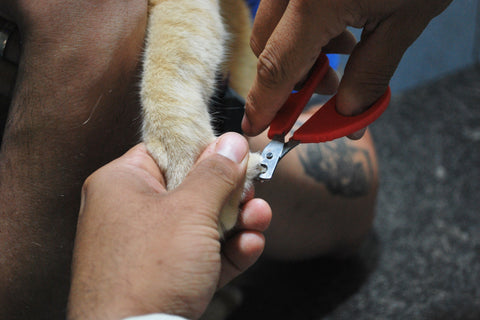
clipping dog
Clipping Dog Nails: Why It's Hard & What Truly Helps
Jul 02, 2026
dog gear
Dog Parkour? Elevate Their Chill
Jul 01, 2026
board dogs
Best Cat Scratching Post & Board for Cats: 2026 Guide
Jul 01, 2026
aggressive chewers
Top 5 Indestructible Dog Toys for Power Chewers: Built to Last
Jul 01, 2026