
box woes
cat gear
cat health
Cat Litter Box Woes? Ragnor's Pick for a Happier Home

A cat eliminating outside the litter box is not a behavioral problem, it is a communication problem. Your cat is telling you something is wrong with their current setup. Often, the issue stems directly from the litter box itself. An improperly sized, designed, or maintained litter box can lead to stress, discomfort, and accidents. Finding the right cat litter box is crucial for preventing these issues and ensuring a harmonious home environment.
For a happier home and a comfortable cat, select a litter box that is at least 1.5 times the length of your cat from nose to tail base, with sufficient width for turning, and an entry height appropriate for their mobility. Consider open-top designs for most cats and covered options only if space or privacy is a primary concern, ensuring adequate ventilation. Prioritize non-toxic, easy-to-clean materials like high-grade polypropylene.
Quick Specs
| Parameter Category | Technical Specification and Safety Thresholds |
|---|---|
| Breed and Weight Fit | Suitable for all domestic cat breeds, from 5 lb kittens to 25 lb Maine Coons. Minimum box interior length of 20 inches for average adult cats. |
| Target Architecture | Open-top, rectangular design with smooth interior surfaces. Entry height 3-5 inches for adult cats, 2 inches for kittens or senior cats. |
| Material Hardness | Rigid, high-density polypropylene (PP) or ABS plastic, Shore D hardness typically 60-70. Avoid soft, porous plastics. |
| Fabric or Build Reinforcement | Seamless molded body for maximum hygiene and structural integrity. Reinforced edges on top-entry models to prevent collapse. |
| Chemical Safety | Non-toxic, BPA-free, phthalate-free, and lead-free materials. Resistant to common cleaning agents without degradation. |
| Price Spectrum | $20 to $100 per litter box, depending on size, features, and material quality. |
The Critical Dimensions of a Cat Litter Box
Many cat owners underestimate the importance of litter box size. A common mistake is buying a box that is too small, forcing the cat to feel cramped or uncomfortable. This leads to them eliminating over the side or avoiding the box entirely. A cat litter box buying guide must emphasize dimensions. The general rule is that the litter box should be at least 1.5 times the length of your cat, measured from their nose to the base of their tail. For an average adult cat, this often means a box with interior dimensions of at least 20 inches long and 15 inches wide. Larger breeds, like Maine Coons or Ragdolls, may require boxes 24 inches or longer to accommodate their full length and allow for comfortable turning.
The depth of the litter box walls is also important. Walls should be high enough to contain litter scatter, typically 6-8 inches for most adult cats. However, for kittens, senior cats, or those with orthopedic issues like arthritis, a lower entry point of 2-4 inches is essential to ensure easy access. Stepping over a high wall can cause pain or discomfort, deterring use.
Open-Top Versus Covered Litter Boxes
While covered litter boxes appear to offer aesthetic benefits and odor control for humans, they often create a stressful environment for cats. Cats are naturally vulnerable when eliminating and prefer an open view of their surroundings to detect potential threats. Covered boxes restrict this visibility, making them feel trapped. They also trap odors and ammonia, which can be highly irritating to a cat's sensitive respiratory system. The confined space can also limit air circulation, exacerbating odor issues and making the box less appealing.
Ragnor advises choosing an open-top litter box whenever possible. This provides better ventilation, reduces trapped odors, and allows your cat to feel secure. If a covered box is unavoidable due to space constraints or specific human preferences, select one with ample internal volume and ensure it is cleaned even more frequently to mitigate odor buildup. Consider models with integrated ventilation systems if available, but an open-top box remains the optimal choice for feline well-being.
Material and Cleaning Considerations
The material of the litter box significantly impacts hygiene and longevity. Smooth, non-porous plastics like high-density polypropylene (PP) or ABS are ideal. These materials resist scratching and prevent the absorption of odors and bacteria. Avoid boxes made from softer plastics or those with textured interiors, as these can harbor waste and become difficult to clean effectively. Even with regular scooping, litter boxes should be fully emptied and scrubbed with mild, unscented soap and water at least once a week. Bleach or harsh chemical cleaners should be avoided as their strong scents can deter cats.
To maintain a pristine environment, incorporating a specialized tracking solution is essential. The FurryFable Honeycomb Cat Litter Mat | Double-Layer, Waterproof, Non-Slip is engineered from a dual-layer, high-density EVA foam composite featuring a soft Shore A 45 hardness rating that is comfortable on sensitive feline paws. Its 0.4-inch deep honeycomb grid matrix actively captures up to 70% of stray granules straight from your cat's paws, while the heat-sealed waterproof bottom liner completely blocks liquid accidents from reaching your floorboards.
Another stellar choice for sensitive or senior cats is the FurryFable Soft Double-Layer Cat Litter Mat | Washable & Anti-Tracking. This mat utilizes a tight, anti-fray woven mesh architecture with a total thickness of 8mm, providing cushioned orthotic support for older arthritic cats as they exit the box. Its non-slip, rubberized backing keeps the mat anchored on slick hardwood or tile surfaces during vigorous scratching cycles.
Why We Chose These for FurryFable
My selection criteria for cat litter box solutions at FurryFable emphasize feline comfort, owner convenience, and product durability. Each item Ragnor evaluated for our cat litter collection adheres to strict standards. We prioritize non-toxic materials, ensuring no harmful chemicals leach into the litter or affect your cat's health. Ease of cleaning is paramount, as frequent box maintenance directly impacts a cat's willingness to use it. Products with seamless, smooth interiors are preferred to prevent bacterial buildup and simplify scrubbing.
Size and accessibility are non-negotiable. Every litter box selected accommodates an average adult cat's length and width, with considerations for lower entry points for senior cats or kittens. For instance, our portable options, like the FurryFable Portable Travel Cat Litter Box, are constructed from 600D Oxford fabric with a waterproof PVC lining, ensuring durability and preventing leaks even during travel. Its dimensions, 15.7 inches long, 11.8 inches wide, and 5.9 inches high when open, provide adequate space for most cats on the go, while its foldable design reduces its packed size to 8 inches by 6 inches by 2 inches for easy storage. This specific design ensures that even during temporary changes in environment, your cat's essential needs for a comfortable and private space are met.
Placement and Number of Litter Boxes
The general rule for litter boxes is one per cat, plus one extra. So, for two cats, you should have three litter boxes. Place them in quiet, easily accessible locations away from food and water bowls. Avoid high-traffic areas, noisy appliances, or locations that might startle your cat. Dispersing litter boxes throughout your home, rather than clustering them, provides options and reduces competition among multiple cats.
By understanding these crucial factors in a cat litter box buying guide, you can make informed decisions that promote your cat's health and happiness. Investing in the right litter box is an investment in a cleaner, more peaceful home.
Explore FurryFable's full selection of cat litter boxes and accessories to find the ideal solution for your household.
Frequently Asked Questions
How many litter boxes does my cat need?
The standard recommendation is one litter box per cat, plus one additional box. For example, if you have two cats, you should provide three litter boxes. This reduces competition and ensures that there is always a clean, accessible option for each cat.
What size litter box is best for an adult cat?
An adult cat needs a litter box that is at least 1.5 times their body length, measured from nose to the base of the tail, and wide enough for them to turn around comfortably. For an average cat, this translates to interior dimensions of approximately 20 inches long by 15 inches wide. For larger breeds, opt for boxes 24 inches or longer. You can explore our structurally rated options directly in the official FurryFable Cat Litter Boxes and Accessories Collection.
Should I choose an open-top or covered litter box?
Ragnor recommends open-top litter boxes for most cats. They provide better ventilation, reduce odor buildup, and allow cats to feel more secure by maintaining visibility of their surroundings. Covered boxes can trap odors and make cats feel vulnerable, potentially leading to aversion.
How often should I clean the litter box?
Litter boxes should be scooped at least once daily, and ideally twice a day. The entire box should be emptied, washed with mild, unscented soap and water, and refilled with fresh litter at least once a week. This prevents odor accumulation and bacterial growth, making the box more appealing to your cat.
What materials are safest for a litter box?
Look for litter boxes made from smooth, non-porous materials like high-density polypropylene (PP) or ABS plastic. These materials are less likely to scratch, resist odor absorption, and are easier to clean and sanitize. Ensure the materials are non-toxic, BPA-free, and phthalate-free for your cat's safety.
FurryFable Recommendations
 FurryFable Honeycomb Cat Litter Mat | Double-Layer, Waterproof, Non-Slip
★★★★★ 4.98 (42)
Save 34%$21.20 Shop Now
 FurryFable Portable Travel Cat Litter Box | Foldable & Easy Storage
★★★★★ 4.83 (6)
Save 29%$42.26 Shop Now
 FurryFable Soft Double-Layer Cat Litter Mat | Washable & Anti-Tracking
★★★★★ 5 (10)
Save 30%$25.28 Shop Now
✓ Free USA Shipping✓ Fast Delivery✓ Secure Checkout✓ 100% Satisfaction
R
Ragnor
Pet Trainer & Animal Behaviorist

Ragnor is a certified pet trainer and animal behaviorist with over 10 years of experience helping dog and cat owners across North America find the right gear for their pets' specific breed needs and health conditions. Every recommendation on FurryFable is selected for safety, fit, and breed compatibility.
If you found this helpful, also read: covered vs open litter box.
If you found this helpful, also read: choosing the right litter mat.
If you found this helpful, also read: engaging interactive cat toys.
You Might Also Like

calming vest
Best Dog Anxiety Vest for Dogs: 2026 Guide
Sep 17, 2026
dog gear
Best Dog Puzzle Toy for Dogs: 2026 Guide
Sep 12, 2026
destroys toys
Why Your Dog Destroys Toys — & How to Finally Stop It
Sep 05, 2026
autumn puppy
Autumn Puppy Potty Training
Sep 05, 2026
collar leash
Best Dog Collar & Leash Set for Dogs: 2026 Guide
Sep 04, 2026
autumn dog
Autumn Dog Nail Care: Ditching the Drama & Embracing Healthy Paws
Sep 04, 2026
autumn dog
Autumn Dog Beds: Why Your Pup Still Gets Hot & How to Fix It
Sep 03, 2026
freedom fumble
Retractable Leashes: Freedom or Fumble?
Sep 03, 2026
bird gear
Best Chicken Coop Swing & Toy for Dogs: 2026 Guide
Sep 02, 2026
autumn paw
Autumn Paw Patrol: Stop Litter Tracks for Good
Sep 02, 2026
arms automatic
Tired Arms? Automatic Toys for Small Dogs That Actually Work
Sep 01, 2026
dog gear
Unleash Their Inner Athlete: Backyard Dog Agility Secrets
Sep 01, 2026
agility seesaw
Best Dog Agility Seesaw for Dogs: 2026 Guide
Aug 10, 2026
cat play
Dog-Proof Cat Play: Harmony in Your Shared Spaces
Aug 10, 2026
dog gear
Summer Dog Travel: for Stress-Free Adventures
Aug 10, 2026
anxious dog
Anxious Dog? : A Calming Bed That Actually Works
Jul 08, 2026
automatic cat feeder
Smart Automatic Pet Feeder vs. Gravity Feeder: Which is Best for Your Pet's Routine?
Jul 08, 2026
dog gear
Hiking with Your Dog: The Long Leash Dilemma Solved
Jul 08, 2026
mess solved
Paw Mess Solved
Jul 07, 2026
dog gear
Dog Eats Too Fast? Ragnor's Fix for Gulping & Bloat
Jul 07, 2026
beyond fetch
Summer Dog Games: Beyond Fetch
Jul 07, 2026
breathable dog car seat
Stay Cool on the Road: Top 5 Cooling Dog Car Seat Covers for Summer Adventures
Jul 07, 2026
invaders keep
Yard Invaders? How to Keep Stray Dogs Away (Kindly)
Jul 07, 2026
avoid drama
Clipping Dog Nails: Avoid the Drama & Do It Right
Jul 06, 2026
brachycephalic dog gear
Best No-Pull Harness for French Bulldogs: Comfort, Control & Style
Jul 06, 2026
bored dog
Bored Dog? Unleash Happiness with Vertical Play
Jul 06, 2026
clothes jackets
Best Dog Clothes & Jackets for Dogs: 2026 Guide
Jul 06, 2026
pet care gear
Best Portable Pet Water Bottle for Dogs: 2026 Guide
Jul 05, 2026
foes scratch
Furniture Foes: for Scratch-Proof Paws
Jul 05, 2026
best dog toys
The Ultimate Guide: Choosing Indestructible Dog Toys for Aggressive Chewers
Jul 05, 2026
dog gear
Unleash Their Inner Olympian: Home Agility for Any Dog
Jul 05, 2026
dog gear
Lost Dog Panic? GPS Trackers Actually Work. Here's How.
Jul 05, 2026
anxiety regular
Dog Anxiety: Why Regular Beds Aren't Enough
Jul 04, 2026
dog gear
Summer Dog Safety
Jul 04, 2026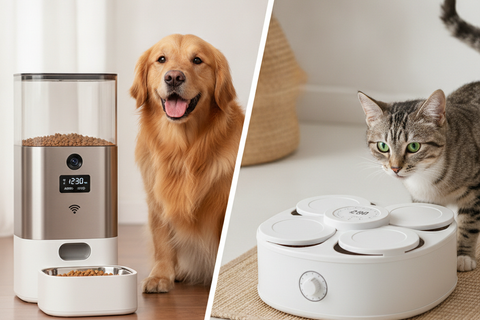
automatic pet feeder
Smart Automatic Pet Feeder vs. Timed Feeder: Which is Best for Your Pet?
Jul 04, 2026
dog gear
Summer Walks: Give Your Dog Freedom (Safely!)
Jul 04, 2026
dog gear
Summer Frisbee Fun: A Dog's Guide to Outdoor Play
Jul 03, 2026
pet care gear
Summer Scratch Solutions
Jul 03, 2026
dog gear
Unleash Their Inner Olympian: DIY Dog Agility for Happy Paws
Jul 03, 2026
dog safety at night
Reflective Dog Leashes & Collars: Enhance Nighttime Safety
Jul 03, 2026
chews that
Problem solved: Chews that stand up to your power chewer
Jul 03, 2026
dog gear
Potty Training a Puppy? Why Litter Boxes Are a Bad Idea
Jul 02, 2026
pet care gear
Summer Road Trips: Protect Your Car Seats
Jul 02, 2026
color what
Dog Pee Color: What It's Telling You (And What to Do)
Jul 02, 2026
dog gear
Summer Shedding: Stop the Dog Hair Avalanche!
Jul 02, 2026
automatic ball launcher for dogs
Choosing the Right Automatic Ball Launcher for Dogs: Endless Playtime
Jul 02, 2026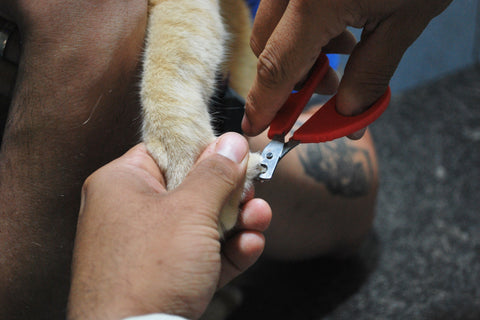
clipping dog
Clipping Dog Nails: Why It's Hard & What Truly Helps
Jul 02, 2026
dog gear
Dog Parkour? Elevate Their Chill
Jul 01, 2026
board dogs
Best Cat Scratching Post & Board for Cats: 2026 Guide
Jul 01, 2026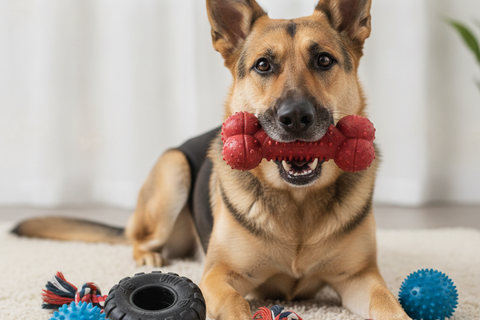
aggressive chewers
Top 5 Indestructible Dog Toys for Power Chewers: Built to Last
Jul 01, 2026