
dog
furryfable
pet care
Clippers: Blade Sizes Explained for a Perfect Dog Groom

When approaching a dog's grooming, many owners find themselves overwhelmed by the sheer variety of dog clipper blade sizes. Selecting the wrong blade can lead to an uneven cut, skin irritation, or a style that doesn't suit your specific dog's coat type and needs. Understanding the nuances of each blade size is crucial for achieving a comfortable and aesthetically pleasing groom.
For a Golden Retriever's sanitary trim, a #10 blade is generally recommended. It provides a close, clean cut of approximately 1/16 inch, which helps maintain hygiene in sensitive areas without cutting too close to the skin.
Yes, a #4F blade, which leaves about 3/8 inch of hair, can be used on a Poodle for a shorter, yet still soft, body cut. For a Poodle's curly coat, this length offers a practical and stylish option that is easier to maintain than longer show cuts.
Blades with an "F" (like #4F, #7F) are "finish" blades, meaning they have a full row of teeth and provide a smooth, even finish. Blades without an "F" are typically "skip tooth" blades, which have alternating long and short teeth. Skip tooth blades are good for thick or matted coats, but require more careful handling to avoid nicking the skin.
For a matted Cocker Spaniel, it's often best to start with a longer skip tooth blade, such as a #5F or #7F, to carefully work through the matting. In severe cases, a #10 blade may be necessary for very tight mats in less visible areas, but always prioritize the dog's comfort and skin integrity. Cocker Spaniels have ear leathers that can reach the tip of their nose, and the hair on them can tangle easily, requiring careful attention to blade choice.
A #40 blade cuts hair to a very short 0.3mm (approximately 1/80 inch) and is generally reserved for surgical preparation by veterinarians or for extremely delicate work on paw pads, as it leaves the skin nearly bald. It is not recommended for general body grooming due to the high risk of skin irritation and clipper burn.
Selecting the correct dog clipper blade sizes is a fundamental skill for any dog owner undertaking at-home grooming. Understanding the nuances of each blade, combined with proper grooming techniques, ensures a comfortable and effective experience for your dog. For all your grooming needs, from clippers to brushes, explore the full range of high-quality products at FurryFable.com/collections/pet-grooming.
 FurryFable Self-Cleaning Pet Hair Remover Brush & Lint Roller
$15.00 Shop Now
 FurryFable Quiet Professional Pet Hair Clipper for Dogs & Cats
$41.00 Shop Now
Quick Answer: Understanding Dog Clipper Blade Sizes
The numerical designation on a dog clipper blade indicates the final hair length. Generally, a higher blade number results in a shorter cut. For instance, a #10 blade leaves approximately 1/16 inch of hair, suitable for sanitary trims, while a #4 blade leaves about 3/8 inch, ideal for a medium-length coat. Always consider your dog's coat type, the desired style, and sensitive areas when choosing a blade, and remember that attachment combs can extend cutting lengths significantly.Decoding Dog Clipper Blade Sizes
The system for dog clipper blade sizes can seem counterintuitive at first: a higher number means a shorter cut. This is a critical piece of information when planning any grooming session. Blades are typically categorized by a number followed by an "F" for "finish" or "skip tooth" (no letter, or "ST"). Finish blades provide a smooth, even cut, while skip tooth blades have wider gaps between teeth, which can be useful for thick or matted coats, though they require more caution to prevent skin nicks. For breeds like the double-coated Siberian Husky or Golden Retriever, using certain clipper blades can damage their protective undercoat, leading to improper regrowth and compromised insulation. For these breeds, deshedding tools are often preferred over clippers for body work. However, for breeds with continuously growing hair, such as Poodles or Shih Tzus, clippers are essential for maintaining coat health and preventing matting.Common Blade Sizes and Their Applications
- #10 Blade: This blade cuts hair to a very short 1/16 inch. It's indispensable for sanitary trims around the hindquarters, belly, and paw pads. For breeds like Cocker Spaniels, a #10 blade is also suitable for clearing hair from the ear canal opening to promote airflow and reduce the risk of ear infections. Dobermans, while generally short-coated, may benefit from a #10 for precise trims on their paw pads or for any minor matting that could occur in finer hair areas.
- #7F Blade: Leaving approximately 1/8 inch of hair, a #7F blade is often used for a shorter body cut on breeds like Terriers or Poodles, offering a neat, tidy appearance. For a working Labrador Retriever that spends time in brush, this length can help minimize burrs and debris accumulation without compromising their natural coat protection.
- #5F Blade: This blade leaves about 1/4 inch of hair, providing a slightly longer, yet still manageable, cut. It's a good choice for many medium-coated breeds where a shorter, easy-to-maintain style is desired, such as a "puppy cut" on a Maltese or Shih Tzu.
- #4F Blade: Cutting to 3/8 inch, the #4F blade is a popular choice for a medium-length body trim on many breeds, including Golden Retrievers, when a shorter style is needed. It offers a balanced look that retains some coat length while still being practical for active dogs.
- Attachment Combs: These plastic or metal combs snap onto a #10, #15, or #30 blade, allowing for significantly longer cuts, often ranging from 1/2 inch to over an inch. For a fluffy Samoyed, using an attachment comb over a #30 blade can achieve a longer, sculpted look while still providing an even trim.
Why We Chose These for FurryFable
At FurryFable.com, our selection of grooming tools, including our pet grooming collection, prioritizes safety, durability, and effectiveness. We understand that improper tools can lead to discomfort for your dog, such as clipper burn or an uneven finish. For instance, our "FurryFable Quiet Professional Pet Hair Clipper for Dogs & Cats" is chosen for its low noise operation, which is crucial for breeds prone to anxiety during grooming, like many smaller terriers or even a sensitive Doberman, given that Dobermans have a 5.8% rate of dilated cardiomyopathy, and minimizing stress is always a health consideration. The quiet motor reduces stress, allowing for a calmer grooming experience. We also feature products like the "Pet dog nail clippers" which are designed for precision, preventing painful quick cuts that can deter future grooming cooperation. Our products are selected to work efficiently with various coat types and blade sizes, ensuring a smooth and safe grooming process for every dog.Maintaining Your Blades
Proper blade maintenance extends the life of your tools and ensures a consistent, safe cut. Always clean blades after each use, removing hair and debris. Oiling blades regularly prevents rust and keeps them running smoothly and coolly, as ceramic blades, while staying cooler than steel, still benefit from proper care. Overheating blades can cause discomfort to your dog's skin, so having multiple blades or taking breaks to allow them to cool is recommended, especially during longer grooming sessions for breeds with dense coats.FAQ
What is the best dog clipper blade size for a sanitary trim on a Golden Retriever?
For a Golden Retriever's sanitary trim, a #10 blade is generally recommended. It provides a close, clean cut of approximately 1/16 inch, which helps maintain hygiene in sensitive areas without cutting too close to the skin.
Can I use a #4F blade on a Poodle for a short cut?
Yes, a #4F blade, which leaves about 3/8 inch of hair, can be used on a Poodle for a shorter, yet still soft, body cut. For a Poodle's curly coat, this length offers a practical and stylish option that is easier to maintain than longer show cuts.
Why do some dog clipper blades have an "F" and others don't?
Blades with an "F" (like #4F, #7F) are "finish" blades, meaning they have a full row of teeth and provide a smooth, even finish. Blades without an "F" are typically "skip tooth" blades, which have alternating long and short teeth. Skip tooth blades are good for thick or matted coats, but require more careful handling to avoid nicking the skin.
What blade should I use for a matted Cocker Spaniel?
For a matted Cocker Spaniel, it's often best to start with a longer skip tooth blade, such as a #5F or #7F, to carefully work through the matting. In severe cases, a #10 blade may be necessary for very tight mats in less visible areas, but always prioritize the dog's comfort and skin integrity. Cocker Spaniels have ear leathers that can reach the tip of their nose, and the hair on them can tangle easily, requiring careful attention to blade choice.
Is it ever appropriate to use a #40 blade on a dog?
A #40 blade cuts hair to a very short 0.3mm (approximately 1/80 inch) and is generally reserved for surgical preparation by veterinarians or for extremely delicate work on paw pads, as it leaves the skin nearly bald. It is not recommended for general body grooming due to the high risk of skin irritation and clipper burn.
Selecting the correct dog clipper blade sizes is a fundamental skill for any dog owner undertaking at-home grooming. Understanding the nuances of each blade, combined with proper grooming techniques, ensures a comfortable and effective experience for your dog. For all your grooming needs, from clippers to brushes, explore the full range of high-quality products at FurryFable.com/collections/pet-grooming.
FurryFable Picks: Top dog clipper blade sizes guides
 FurryFable Mega Pet Hair Lint Roller Set | Sticky Sheets for Home
 Pet dog nail clippers
Ragnor
Pet Trainer & Animal Behaviorist
FurryFable Recommendations
 FurryFable Double-Sided Electrostatic Pet Hair Remover
FurryFable Self-Cleaning Pet Hair Remover Brush & Lint Roller
FurryFable Double-Sided Electrostatic Pet Hair Remover
FurryFable Self-Cleaning Pet Hair Remover Brush & Lint Roller
★★★★★ 4.9 (10)
Save 32%$15.00 Shop Now
FurryFable Quiet Professional Pet Hair Clipper for Dogs & Cats
★★★★★ 4.86 (7)
Save 32%$41.00 Shop Now
✓ Free USA Shipping✓ Fast Delivery✓ Secure Checkout✓ 100% Satisfaction
If you found this helpful, also read: trimming dog nails at home.
If you found this helpful, also read: desired style and sensitive areas.
You Might Also Like

calming vest
Best Dog Anxiety Vest for Dogs: 2026 Guide
Sep 17, 2026
dog gear
Best Dog Puzzle Toy for Dogs: 2026 Guide
Sep 12, 2026
destroys toys
Why Your Dog Destroys Toys — & How to Finally Stop It
Sep 05, 2026
autumn puppy
Autumn Puppy Potty Training
Sep 05, 2026
collar leash
Best Dog Collar & Leash Set for Dogs: 2026 Guide
Sep 04, 2026
autumn dog
Autumn Dog Nail Care: Ditching the Drama & Embracing Healthy Paws
Sep 04, 2026
autumn dog
Autumn Dog Beds: Why Your Pup Still Gets Hot & How to Fix It
Sep 03, 2026
freedom fumble
Retractable Leashes: Freedom or Fumble?
Sep 03, 2026
bird gear
Best Chicken Coop Swing & Toy for Dogs: 2026 Guide
Sep 02, 2026
autumn paw
Autumn Paw Patrol: Stop Litter Tracks for Good
Sep 02, 2026
arms automatic
Tired Arms? Automatic Toys for Small Dogs That Actually Work
Sep 01, 2026
dog gear
Unleash Their Inner Athlete: Backyard Dog Agility Secrets
Sep 01, 2026
agility seesaw
Best Dog Agility Seesaw for Dogs: 2026 Guide
Aug 10, 2026
cat play
Dog-Proof Cat Play: Harmony in Your Shared Spaces
Aug 10, 2026
dog gear
Summer Dog Travel: for Stress-Free Adventures
Aug 10, 2026
anxious dog
Anxious Dog? : A Calming Bed That Actually Works
Jul 08, 2026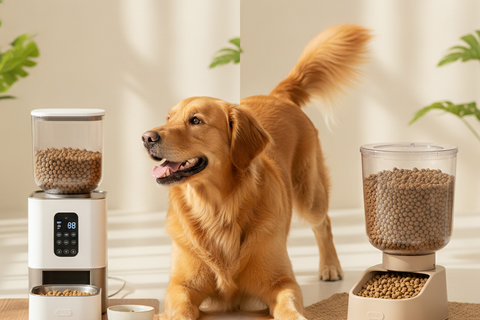
automatic cat feeder
Smart Automatic Pet Feeder vs. Gravity Feeder: Which is Best for Your Pet's Routine?
Jul 08, 2026
dog gear
Hiking with Your Dog: The Long Leash Dilemma Solved
Jul 08, 2026
mess solved
Paw Mess Solved
Jul 07, 2026
dog gear
Dog Eats Too Fast? Ragnor's Fix for Gulping & Bloat
Jul 07, 2026
beyond fetch
Summer Dog Games: Beyond Fetch
Jul 07, 2026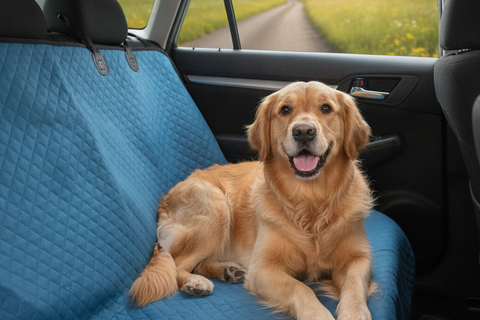
breathable dog car seat
Stay Cool on the Road: Top 5 Cooling Dog Car Seat Covers for Summer Adventures
Jul 07, 2026
invaders keep
Yard Invaders? How to Keep Stray Dogs Away (Kindly)
Jul 07, 2026
avoid drama
Clipping Dog Nails: Avoid the Drama & Do It Right
Jul 06, 2026
brachycephalic dog gear
Best No-Pull Harness for French Bulldogs: Comfort, Control & Style
Jul 06, 2026
bored dog
Bored Dog? Unleash Happiness with Vertical Play
Jul 06, 2026
clothes jackets
Best Dog Clothes & Jackets for Dogs: 2026 Guide
Jul 06, 2026
pet care gear
Best Portable Pet Water Bottle for Dogs: 2026 Guide
Jul 05, 2026
foes scratch
Furniture Foes: for Scratch-Proof Paws
Jul 05, 2026
best dog toys
The Ultimate Guide: Choosing Indestructible Dog Toys for Aggressive Chewers
Jul 05, 2026
dog gear
Unleash Their Inner Olympian: Home Agility for Any Dog
Jul 05, 2026
dog gear
Lost Dog Panic? GPS Trackers Actually Work. Here's How.
Jul 05, 2026
anxiety regular
Dog Anxiety: Why Regular Beds Aren't Enough
Jul 04, 2026
dog gear
Summer Dog Safety
Jul 04, 2026
automatic pet feeder
Smart Automatic Pet Feeder vs. Timed Feeder: Which is Best for Your Pet?
Jul 04, 2026
dog gear
Summer Walks: Give Your Dog Freedom (Safely!)
Jul 04, 2026
dog gear
Summer Frisbee Fun: A Dog's Guide to Outdoor Play
Jul 03, 2026
pet care gear
Summer Scratch Solutions
Jul 03, 2026
dog gear
Unleash Their Inner Olympian: DIY Dog Agility for Happy Paws
Jul 03, 2026
dog safety at night
Reflective Dog Leashes & Collars: Enhance Nighttime Safety
Jul 03, 2026
chews that
Problem solved: Chews that stand up to your power chewer
Jul 03, 2026
dog gear
Potty Training a Puppy? Why Litter Boxes Are a Bad Idea
Jul 02, 2026
pet care gear
Summer Road Trips: Protect Your Car Seats
Jul 02, 2026
color what
Dog Pee Color: What It's Telling You (And What to Do)
Jul 02, 2026
dog gear
Summer Shedding: Stop the Dog Hair Avalanche!
Jul 02, 2026
automatic ball launcher for dogs
Choosing the Right Automatic Ball Launcher for Dogs: Endless Playtime
Jul 02, 2026
clipping dog
Clipping Dog Nails: Why It's Hard & What Truly Helps
Jul 02, 2026
dog gear
Dog Parkour? Elevate Their Chill
Jul 01, 2026
board dogs
Best Cat Scratching Post & Board for Cats: 2026 Guide
Jul 01, 2026
aggressive chewers
Top 5 Indestructible Dog Toys for Power Chewers: Built to Last
Jul 01, 2026