
cat sleep
dog sleep
pet health
Environmental Triggers for Poor Pet Sleep

Environmental Triggers for Poor Pet Sleep: Optimizing Your Pet's Restful Haven
For premium pet parents, understanding every facet of their cherished companion's well-being is paramount. Just as with humans, quality sleep is a cornerstone of pet health, directly influencing mood, cognitive function, immune response, and overall longevity. As Senior Pet Industry Researchers at FurryFable.com, we recognize the growing emphasis on proactive pet wellness and the critical role the pet sleep environment plays in achieving truly restorative rest for both dogs and cats.
Industry trends for 2026 indicate a robust and evolving pet care market, with significant investment in health, nutrition, and lifestyle products. The American Pet Products Association (APPA) consistently highlights the increasing humanization of pets, leading to a willingness among owners to invest in high-quality solutions that enhance their pets' quality of life. Similarly, the American Kennel Club (AKC) underscores the importance of breed-specific care and creating optimal living conditions to support canine health and behavior. These sentiments reinforce the necessity for a deep dive into environmental factors that can inadvertently disrupt our pets' precious sleep.
The Evolving Landscape of Pet Wellness and Sleep
The pet wellness sector is moving beyond basic care, embracing a holistic view that integrates diet, exercise, mental stimulation, and crucially, sleep. Premium pet parents are actively seeking data-driven insights and sophisticated products to ensure their pets thrive. Poor sleep, often stemming from subtle environmental triggers, can manifest as behavioral issues, decreased energy, or even exacerbate underlying health conditions. Identifying and mitigating these triggers within the pet sleep environment is a proactive step towards comprehensive pet health.
Temperature and Humidity: The Unseen Disruptors
One of the most frequently overlooked environmental factors affecting pet sleep is ambient temperature and humidity. Dogs and cats, with their varying fur coats and physiological makeups, have specific comfort zones. A room that is too hot can lead to restlessness, panting, and dehydration, while one that is too cold can cause shivering and discomfort, especially for older, short-haired, or very young pets. The ideal temperature range for most pets generally mirrors that for humans, typically between 68-72°F (20-22°C), though individual needs may vary.
High humidity can exacerbate heat discomfort by preventing efficient evaporative cooling, particularly for brachycephalic (short-nosed) breeds. Conversely, excessively dry air can irritate respiratory passages. Premium pet parents should monitor bedroom temperatures, consider climate control solutions, and even explore specialized pet apparels, such as cooling vests or cozy sweaters, to help regulate their pet's body temperature for optimal comfort.
Light Pollution: More Than Just a Nuisance
The natural circadian rhythm of both dogs and cats relies on light-dark cycles. Exposure to artificial light, particularly blue light emitted from screens or bright indoor lighting, can suppress melatonin production, a hormone essential for regulating sleep. Even subtle night lights or streetlights streaming through a window can disrupt a pet's natural sleep-wake cycle.
For a truly restful pet sleep environment, ensure the sleeping area is as dark as possible. Consider blackout curtains or repositioning your pet's bed away from direct light sources. This commitment to darkness allows their bodies to naturally transition into a state of deep, restorative sleep.
Auditory Disturbances: The Sounds of Sleeplessness
Pets have far more sensitive hearing than humans, making them highly susceptible to auditory disruptions. Sudden loud noises, such as traffic, construction, fireworks, thunderstorms, or even a television left on overnight, can easily rouse a sleeping pet or prevent them from falling asleep entirely. Constant background noise, while less jarring, can still contribute to a state of hyper-vigilance, preventing deep sleep.
Creating a quiet sanctuary is crucial. This might involve placing your pet's bed in a calmer part of the house, using sound-absorbing materials, or introducing white noise or calming music at a low volume to mask external sounds. For outdoor adventures and ensuring proper daily exercise, which indirectly contributes to better sleep, make sure you have reliable harness and leash options.
The Physical Pet Sleep Environment: Beyond Just a Bed
The physical comfort and security of a pet's sleeping area are paramount. A worn-out, unsupportive bed, or one that is too small, can lead to orthopedic discomfort, especially in older pets or those with joint issues. The placement of the bed is equally important; a spot in a high-traffic area, or one that feels exposed, can create anxiety and prevent deep sleep.
Invest in high-quality, orthopedic pet beds appropriate for your pet's size and age. Position the bed in a quiet, safe, and easily accessible location where your pet feels secure and undisturbed. Regular cleaning of the bedding is also vital to remove allergens and maintain freshness, contributing to a truly inviting pet sleep environment.
Odor and Air Quality: Subtle Yet Significant Factors
Pets rely heavily on their sense of smell, and strong or unfamiliar odors can be highly stimulating or even stressful. Harsh chemical cleaners, strong air fresheners, or even new furniture odors can create an unsettling environment. Poor air quality, due to allergens, dust, or lack of ventilation, can also lead to respiratory discomfort and restless nights.
Ensure the sleeping area is well-ventilated and free from strong artificial scents. Opt for pet-safe, natural cleaning products. Regular cleaning to minimize dust and dander, potentially using an air purifier, can significantly enhance the air quality in your pet's resting space. Providing access to fresh water throughout the day, perhaps with a convenient pet water bottle during walks, also contributes to overall health and comfort, indirectly aiding sleep.
Creating an Optimal Pet Sleep Environment: A Proactive Approach
For premium pet parents, optimizing the pet sleep environment is an integral part of a holistic wellness strategy. It involves more than just buying a comfortable bed; it requires thoughtful consideration of every sensory input and comfort factor. By proactively managing temperature, light, sound, odors, and providing a secure physical space, you are investing directly in your pet's health and happiness.
Remember that adequate daytime stimulation, including engaging play with appropriate pet toys, and consistent exercise routines (facilitated by quality harnesses and leashes), are also crucial for encouraging restful sleep at night. Regular veterinary check-ups are also essential to rule out any underlying medical conditions that might be affecting sleep.
The insights from organizations like the AKC and APPA consistently point towards an educated and highly engaged pet parent community. As this trend continues through 2026, understanding and mitigating environmental triggers for poor pet sleep will remain a key area for enhancing the lives of our beloved canine and feline companions.
FurryFable Recommendations
 FurryFable Leak-Proof 2-in-1 Dog Travel Water & Food Bottle
 FurryFable Automatic Pet Water & Food Dispenser for Cats & Dogs
★★★★★ 5 (28)
Save 34%$37.23 Shop Now
 FurryFable No-Drip Dog Water Bottle for Crates & Kennels
✓ Free USA Shipping✓ Fast Delivery✓ Secure Checkout✓ 100% Satisfaction
You Might Also Like
calming vest
Best Dog Anxiety Vest for Dogs: 2026 Guide
Sep 17, 2026
dog gear
Best Dog Puzzle Toy for Dogs: 2026 Guide
Sep 12, 2026
destroys toys
Why Your Dog Destroys Toys — & How to Finally Stop It
Sep 05, 2026
autumn puppy
Autumn Puppy Potty Training
Sep 05, 2026
collar leash
Best Dog Collar & Leash Set for Dogs: 2026 Guide
Sep 04, 2026
autumn dog
Autumn Dog Nail Care: Ditching the Drama & Embracing Healthy Paws
Sep 04, 2026
autumn dog
Autumn Dog Beds: Why Your Pup Still Gets Hot & How to Fix It
Sep 03, 2026
freedom fumble
Retractable Leashes: Freedom or Fumble?
Sep 03, 2026
bird gear
Best Chicken Coop Swing & Toy for Dogs: 2026 Guide
Sep 02, 2026
autumn paw
Autumn Paw Patrol: Stop Litter Tracks for Good
Sep 02, 2026
arms automatic
Tired Arms? Automatic Toys for Small Dogs That Actually Work
Sep 01, 2026
dog gear
Unleash Their Inner Athlete: Backyard Dog Agility Secrets
Sep 01, 2026
agility seesaw
Best Dog Agility Seesaw for Dogs: 2026 Guide
Aug 10, 2026
cat play
Dog-Proof Cat Play: Harmony in Your Shared Spaces
Aug 10, 2026
dog gear
Summer Dog Travel: for Stress-Free Adventures
Aug 10, 2026
anxious dog
Anxious Dog? : A Calming Bed That Actually Works
Jul 08, 2026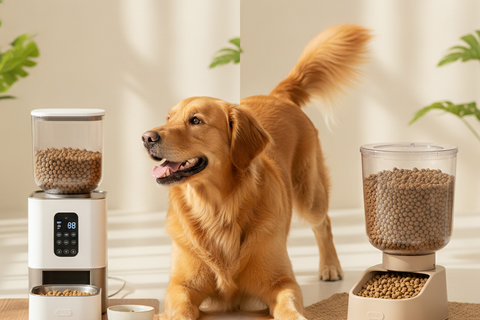
automatic cat feeder
Smart Automatic Pet Feeder vs. Gravity Feeder: Which is Best for Your Pet's Routine?
Jul 08, 2026
dog gear
Hiking with Your Dog: The Long Leash Dilemma Solved
Jul 08, 2026
mess solved
Paw Mess Solved
Jul 07, 2026
dog gear
Dog Eats Too Fast? Ragnor's Fix for Gulping & Bloat
Jul 07, 2026
beyond fetch
Summer Dog Games: Beyond Fetch
Jul 07, 2026
breathable dog car seat
Stay Cool on the Road: Top 5 Cooling Dog Car Seat Covers for Summer Adventures
Jul 07, 2026
invaders keep
Yard Invaders? How to Keep Stray Dogs Away (Kindly)
Jul 07, 2026
avoid drama
Clipping Dog Nails: Avoid the Drama & Do It Right
Jul 06, 2026
brachycephalic dog gear
Best No-Pull Harness for French Bulldogs: Comfort, Control & Style
Jul 06, 2026
bored dog
Bored Dog? Unleash Happiness with Vertical Play
Jul 06, 2026
clothes jackets
Best Dog Clothes & Jackets for Dogs: 2026 Guide
Jul 06, 2026
pet care gear
Best Portable Pet Water Bottle for Dogs: 2026 Guide
Jul 05, 2026
foes scratch
Furniture Foes: for Scratch-Proof Paws
Jul 05, 2026
best dog toys
The Ultimate Guide: Choosing Indestructible Dog Toys for Aggressive Chewers
Jul 05, 2026
dog gear
Unleash Their Inner Olympian: Home Agility for Any Dog
Jul 05, 2026
dog gear
Lost Dog Panic? GPS Trackers Actually Work. Here's How.
Jul 05, 2026
anxiety regular
Dog Anxiety: Why Regular Beds Aren't Enough
Jul 04, 2026
dog gear
Summer Dog Safety
Jul 04, 2026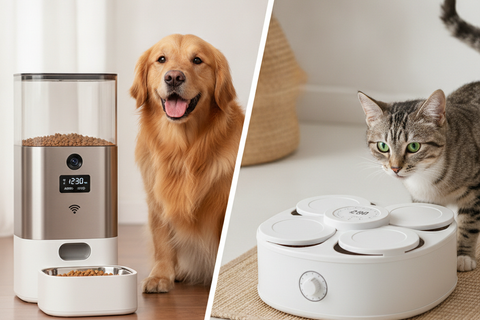
automatic pet feeder
Smart Automatic Pet Feeder vs. Timed Feeder: Which is Best for Your Pet?
Jul 04, 2026
dog gear
Summer Walks: Give Your Dog Freedom (Safely!)
Jul 04, 2026
dog gear
Summer Frisbee Fun: A Dog's Guide to Outdoor Play
Jul 03, 2026
pet care gear
Summer Scratch Solutions
Jul 03, 2026
dog gear
Unleash Their Inner Olympian: DIY Dog Agility for Happy Paws
Jul 03, 2026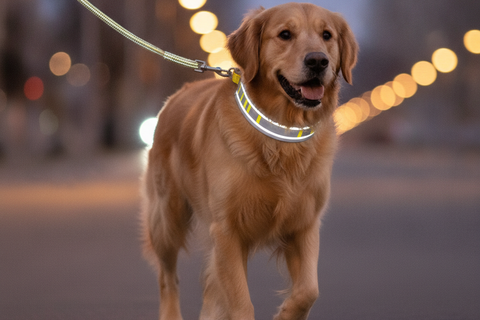
dog safety at night
Reflective Dog Leashes & Collars: Enhance Nighttime Safety
Jul 03, 2026
chews that
Problem solved: Chews that stand up to your power chewer
Jul 03, 2026
dog gear
Potty Training a Puppy? Why Litter Boxes Are a Bad Idea
Jul 02, 2026
pet care gear
Summer Road Trips: Protect Your Car Seats
Jul 02, 2026
color what
Dog Pee Color: What It's Telling You (And What to Do)
Jul 02, 2026
dog gear
Summer Shedding: Stop the Dog Hair Avalanche!
Jul 02, 2026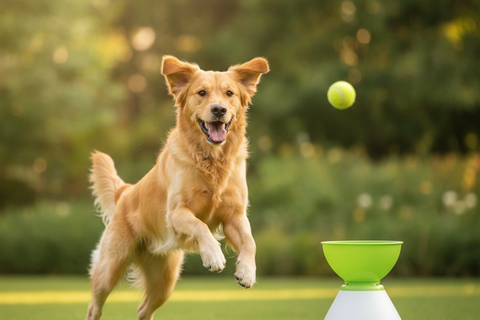
automatic ball launcher for dogs
Choosing the Right Automatic Ball Launcher for Dogs: Endless Playtime
Jul 02, 2026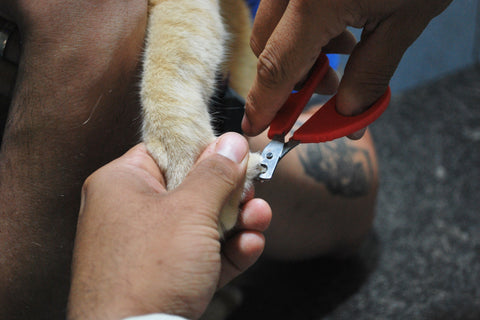
clipping dog
Clipping Dog Nails: Why It's Hard & What Truly Helps
Jul 02, 2026
dog gear
Dog Parkour? Elevate Their Chill
Jul 01, 2026
board dogs
Best Cat Scratching Post & Board for Cats: 2026 Guide
Jul 01, 2026
aggressive chewers
Top 5 Indestructible Dog Toys for Power Chewers: Built to Last
Jul 01, 2026