
canine comfort
dog muzzle size chart
muzzle guide
Muzzle Sizing Guide: Safety Without the Stress

```html
Muzzle Sizing Guide: Safety Without the Stress – Finding the Perfect Fit for Your Canine Companion - FurryFable.com
Muzzle Sizing Guide: Safety Without the Stress – Finding the Perfect Fit for Your Canine Companion
At FurryFable.com, we understand that responsible pet parenting means prioritizing the safety, comfort, and well-being of your beloved canine. While often misunderstood, a properly fitted dog muzzle is a vital tool for proactive pet care, rather than a punitive measure. This comprehensive guide, crafted for discerning premium pet parents in the USA and Canada, will navigate the intricacies of selecting the correct muzzle size, ensuring both your dog's safety and peace of mind.
The Evolving Landscape of Pet Safety and Wellness
The pet industry continues its robust growth, with a clear trend towards proactive pet wellness and personalized care. The American Pet Products Association (APPA) consistently highlights increasing consumer spending on pet health and safety solutions, reflecting a commitment to longer, healthier lives for our companions. Similarly, the American Kennel Club (AKC) champions responsible dog ownership, emphasizing training, socialization, and appropriate safety measures for all situations. As we look towards 2026, the market is increasingly valuing products that support preventive care and stress reduction, areas where a correctly sized muzzle plays a significant, albeit often overlooked, role.
Why a Muzzle Might Be Necessary (and Not a Punishment)
Understanding the situations where a muzzle can be beneficial is key to destigmatizing its use. Far from being a sign of a "bad" dog, a muzzle can be a responsible choice for various scenarios, promoting safety for both your pet and those around them:
- Veterinary Visits: Even the most docile dog can react unpredictably when in pain or stress during an examination or procedure.
- Grooming Sessions: Unfamiliar sensations like nail trims or haircuts can be unsettling, leading to defensive nipping.
- Training & Rehabilitation: For dogs with behavioral challenges (e.g., reactivity towards other dogs or people), a muzzle provides a safety net during counter-conditioning or desensitization training.
- Public Safety & Legislation: Some public spaces or travel regulations may require muzzles. For dogs prone to scavenging, it prevents ingestion of harmful substances.
- Injury Prevention: If your dog has a painful injury, a muzzle can prevent them from exacerbating it by licking or biting.
Understanding the "dog muzzle size chart": Crucial for Comfort and Efficacy
The cornerstone of responsible muzzle use is an impeccable fit. Just like a bespoke collar or a perfectly tailored harness, a muzzle must be measured with precision. An ill-fitting muzzle is not only ineffective but can cause significant discomfort, stress, and even physical harm to your dog. This is where understanding and utilizing a reliable dog muzzle size chart becomes paramount.
The Dangers of an Ill-Fitting Muzzle
Choosing the wrong size can lead to serious consequences:
- Chafing and Skin Irritation: Too tight, and the material can rub and cause sores, especially around the snout and behind the ears.
- Impaired Breathing and Panting: If too restrictive, it can prevent your dog from panting effectively, leading to overheating, particularly in warmer climates or during exercise.
- Inability to Drink or Eat: A muzzle that prevents your dog from taking in water is a serious welfare concern for even short durations.
- Restricted Vomiting: In emergencies, a muzzle must not prevent your dog from vomiting, which could lead to choking.
- Increased Stress and Anxiety: Discomfort exacerbates negative associations with the muzzle.
- Ineffectiveness: If too loose, a dog may easily remove it, defeating its purpose.
Key Measurements for Your Dog's Muzzle
Before consulting any dog muzzle size chart, accurate measurements of your dog are essential. Use a soft tailor’s tape measure for the best results, and make the experience positive with treats and praise.
- Snout Length: Measure from the tip of your dog's nose to the "stop" (the indentation between their eyes). This determines the muzzle's length.
- Snout Circumference: Measure around the widest part of your dog's snout, typically just below the eyes. This is arguably the most critical measurement, as it dictates space for panting. You should ideally be able to fit two fingers comfortably under the tape.
- Head Circumference (for Basket Muzzles): For muzzles with overhead straps, measure around your dog's head, just behind their ears, where the strap would sit.
- Neck Circumference (less common, but check specific brands): Some muzzle designs may require a neck measurement.
Always aim for a measurement that allows for slight slack, especially for circumference, to ensure panting ability. Remember to reward your dog generously throughout the measuring process to build positive associations.
Types of Muzzles and When to Choose Them
Different situations call for different muzzle designs. Understanding the pros and cons of each type is crucial for making an informed choice for your premium pet.
Basket Muzzles (e.g., Baskerville-style)
Constructed from durable plastic, wire, or sometimes soft silicone, basket muzzles are designed for longer durations. They allow your dog to pant freely, drink water, and even receive small treats, making them ideal for training, extended wear in public, or preventing scavenging. They provide a physical barrier without restricting vital bodily functions. For dogs prone to anxiety during walks, coupling a well-fitted basket muzzle with a sturdy harness and leash can provide an added layer of security and control.
Soft Muzzles (e.g., Nylon/Fabric)
These muzzles typically restrain the dog's mouth tightly, preventing them from opening their jaws. They are suitable for very short-term use, such as during a quick veterinary injection or grooming procedure, but critically, they impede panting and drinking. Soft muzzles should never be used for prolonged periods, during exercise, or in warm weather, as they pose a significant risk of overheating and distress.
Specialty Muzzles (e.g., Brachycephalic Breeds)
Breeds with flat faces, such as Pugs, Bulldogs, and Boxers, require specially designed muzzles that accommodate their unique facial structure. These muzzles often feature an open front or modified shape to ensure adequate airflow and prevent obstruction of their short snouts. Always seek out brands that offer specific brachycephalic options if you have one of these beloved breeds.
Navigating the "dog muzzle size chart" – A Step-by-Step Guide
Once you have your dog’s measurements, comparing them to a manufacturer's dog muzzle size chart is the next step. Remember that sizing can vary significantly between brands, so always refer to the specific chart provided by the muzzle manufacturer.
- Measure Accurately: Re-verify your dog's snout length and circumference. These are your primary figures.
- Consult the Manufacturer's Chart: Every reputable muzzle brand will provide its own detailed size chart, often with breed suggestions (which are guidelines, not absolutes).
- Match and Cross-Reference: Find the size range that comfortably accommodates both your dog's snout length and circumference. Prioritize circumference to ensure adequate panting space.
- Allow for Panting Space: A crucial tip for basket muzzles: ensure there's at least 0.5-1 inch (1.25-2.5 cm) of space between the end of your dog's nose and the front of the muzzle, and enough width for their mouth to open for full panting.
- Check the Fit: When the muzzle arrives, put it on your dog. It should be snug enough that it cannot be easily pawed off, but not so tight that it pinches or restricts movement. Ensure all straps are secure and comfortable.
It’s often a process of trial and error to find the perfect fit. Don't be discouraged if the first one isn't quite right. Your dog’s comfort is the ultimate priority.
Beyond Sizing: Responsible Muzzle Use and Positive Association
A perfectly sized muzzle is merely the first step. For a positive and stress-free experience, proactive training is essential, reflecting the premium pet wellness trends highlighted by industry leaders.
Training for Acceptance
- Gradual Introduction: Start by merely showing the muzzle and offering high-value treats.
- Positive Reinforcement: Let your dog sniff, then briefly touch their nose to it, immediately followed by a treat. Gradually increase the duration it's on their face, always rewarding.
- Associate with Positives: Only put the muzzle on for enjoyable activities like walks (using a secure harness and leash) or treat time. Never use it as punishment.
- Enrichment and Distraction: During initial training sessions, engaging your dog with stimulating enrichment toys can help distract them and build positive associations.
Complementary Safety Measures
A muzzle is one tool in a comprehensive safety strategy. For premium pet parents, integrating it with other high-quality products enhances overall well-being:
- For active dogs, ensure hydration during muzzle wear (if suitable for the muzzle type) with a convenient portable pet water bottle.
- Consider how the muzzle straps interact with your dog’s fur and skin; sometimes, gentle comfort-focused apparel can prevent chafing in sensitive areas, though this is less common.
At FurryFable.com, we champion the highest standards of pet care. By carefully measuring your dog, consulting reliable dog muzzle size charts, and prioritizing positive training, you transform a potentially stressful necessity into a proactive measure for safety and peace of mind. Investing in the right tools and knowledge is an investment in your dog’s happy and healthy life.
```FurryFable Recommendations
 FurryFable Dog Muzzle | Adjustable, Breathable & Soft
 FurryFable Calming Dog Anxiety Vest – Stress & Fear Relief
✓ Free USA Shipping✓ Fast Delivery✓ Secure Checkout✓ 100% Satisfaction
If you found this helpful, also read: muzzle train a dog.
You Might Also Like

calming vest
Best Dog Anxiety Vest for Dogs: 2026 Guide
Sep 17, 2026
dog gear
Best Dog Puzzle Toy for Dogs: 2026 Guide
Sep 12, 2026
destroys toys
Why Your Dog Destroys Toys — & How to Finally Stop It
Sep 05, 2026
autumn puppy
Autumn Puppy Potty Training
Sep 05, 2026
collar leash
Best Dog Collar & Leash Set for Dogs: 2026 Guide
Sep 04, 2026
autumn dog
Autumn Dog Nail Care: Ditching the Drama & Embracing Healthy Paws
Sep 04, 2026
autumn dog
Autumn Dog Beds: Why Your Pup Still Gets Hot & How to Fix It
Sep 03, 2026
freedom fumble
Retractable Leashes: Freedom or Fumble?
Sep 03, 2026
bird gear
Best Chicken Coop Swing & Toy for Dogs: 2026 Guide
Sep 02, 2026
autumn paw
Autumn Paw Patrol: Stop Litter Tracks for Good
Sep 02, 2026
arms automatic
Tired Arms? Automatic Toys for Small Dogs That Actually Work
Sep 01, 2026
dog gear
Unleash Their Inner Athlete: Backyard Dog Agility Secrets
Sep 01, 2026
agility seesaw
Best Dog Agility Seesaw for Dogs: 2026 Guide
Aug 10, 2026
cat play
Dog-Proof Cat Play: Harmony in Your Shared Spaces
Aug 10, 2026
dog gear
Summer Dog Travel: for Stress-Free Adventures
Aug 10, 2026
anxious dog
Anxious Dog? : A Calming Bed That Actually Works
Jul 08, 2026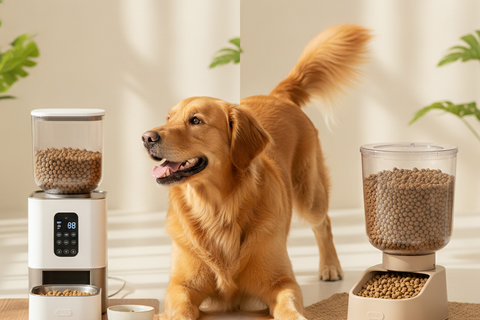
automatic cat feeder
Smart Automatic Pet Feeder vs. Gravity Feeder: Which is Best for Your Pet's Routine?
Jul 08, 2026
dog gear
Hiking with Your Dog: The Long Leash Dilemma Solved
Jul 08, 2026
mess solved
Paw Mess Solved
Jul 07, 2026
dog gear
Dog Eats Too Fast? Ragnor's Fix for Gulping & Bloat
Jul 07, 2026
beyond fetch
Summer Dog Games: Beyond Fetch
Jul 07, 2026
breathable dog car seat
Stay Cool on the Road: Top 5 Cooling Dog Car Seat Covers for Summer Adventures
Jul 07, 2026
invaders keep
Yard Invaders? How to Keep Stray Dogs Away (Kindly)
Jul 07, 2026
avoid drama
Clipping Dog Nails: Avoid the Drama & Do It Right
Jul 06, 2026
brachycephalic dog gear
Best No-Pull Harness for French Bulldogs: Comfort, Control & Style
Jul 06, 2026
bored dog
Bored Dog? Unleash Happiness with Vertical Play
Jul 06, 2026
clothes jackets
Best Dog Clothes & Jackets for Dogs: 2026 Guide
Jul 06, 2026
pet care gear
Best Portable Pet Water Bottle for Dogs: 2026 Guide
Jul 05, 2026
foes scratch
Furniture Foes: for Scratch-Proof Paws
Jul 05, 2026
best dog toys
The Ultimate Guide: Choosing Indestructible Dog Toys for Aggressive Chewers
Jul 05, 2026
dog gear
Unleash Their Inner Olympian: Home Agility for Any Dog
Jul 05, 2026
dog gear
Lost Dog Panic? GPS Trackers Actually Work. Here's How.
Jul 05, 2026
anxiety regular
Dog Anxiety: Why Regular Beds Aren't Enough
Jul 04, 2026
dog gear
Summer Dog Safety
Jul 04, 2026
automatic pet feeder
Smart Automatic Pet Feeder vs. Timed Feeder: Which is Best for Your Pet?
Jul 04, 2026
dog gear
Summer Walks: Give Your Dog Freedom (Safely!)
Jul 04, 2026
dog gear
Summer Frisbee Fun: A Dog's Guide to Outdoor Play
Jul 03, 2026
pet care gear
Summer Scratch Solutions
Jul 03, 2026
dog gear
Unleash Their Inner Olympian: DIY Dog Agility for Happy Paws
Jul 03, 2026
dog safety at night
Reflective Dog Leashes & Collars: Enhance Nighttime Safety
Jul 03, 2026
chews that
Problem solved: Chews that stand up to your power chewer
Jul 03, 2026
dog gear
Potty Training a Puppy? Why Litter Boxes Are a Bad Idea
Jul 02, 2026
pet care gear
Summer Road Trips: Protect Your Car Seats
Jul 02, 2026
color what
Dog Pee Color: What It's Telling You (And What to Do)
Jul 02, 2026
dog gear
Summer Shedding: Stop the Dog Hair Avalanche!
Jul 02, 2026
automatic ball launcher for dogs
Choosing the Right Automatic Ball Launcher for Dogs: Endless Playtime
Jul 02, 2026
clipping dog
Clipping Dog Nails: Why It's Hard & What Truly Helps
Jul 02, 2026
dog gear
Dog Parkour? Elevate Their Chill
Jul 01, 2026
board dogs
Best Cat Scratching Post & Board for Cats: 2026 Guide
Jul 01, 2026
aggressive chewers
Top 5 Indestructible Dog Toys for Power Chewers: Built to Last
Jul 01, 2026