
cat
dog
furryfable
Pet Travel Gear: Everything You Need for Trips with Dogs...

Planning a summer road trip with your canine companion brings excitement, but the open road also presents unique challenges. Without the right provisions and safety measures, a relaxing journey can quickly turn stressful for both you and your dog. From unexpected bathroom breaks to sudden stops, proper pet travel gear guide selection is critical for mitigating risks and ensuring comfort. You need solutions that address safety, hydration, and comfort, specifically tailored to the rigors of vehicle travel.
For a safe and comfortable summer road trip with your dog, prioritize crash-tested safety restraints like car seat belts or travel crates, ensure constant hydration with portable water bottles and bowls, and provide comfort items such as cooling mats or travel beds. Essential gear includes a secure harness, a hands-free leash, first-aid kit, and enough food and medications for the duration of your trip.
Quick Specs
| Parameter Category | Technical Specification and Safety Thresholds |
|---|---|
| Breed and Weight Fit | Universal fit for dogs 10 lbs to 150 lbs, adjustable sizing for chest girth 16-40 inches. |
| Target Architecture | Crash-tested pet car seat belts, collapsible travel bowls, reinforced fabric crates. |
| Material Hardness | Nylon webbing rated for 250-500 lbs tensile strength, food-grade silicone (60A Shore A scale) for bowls. |
| Fabric or Build Reinforcement | Double-stitched stress points, ballistic nylon exteriors, reinforced steel frame in crates. |
| Chemical Safety | Non-toxic, food-grade, BPA-free, phthalate-free materials for all food and water contact items. |
| Price Spectrum | $10 to $150 per item, depending on product category and features. |
The Critical Need for Proper Travel Safety
Many owners underestimate the dangers of an unrestrained dog in a vehicle. A sudden stop at 30 mph can turn a 60-pound Labrador into a 2,700-pound projectile, according to pet travel safety cars data. This poses a severe risk to both the dog and human occupants. Beyond collision forces, an unrestrained dog can distract the driver, leading to accidents. Therefore, the primary focus of any pet travel gear guide must be safety restraints.
Car Seat Belts vs. Travel Crates: Which is Better?
Both car seat belts and travel crates offer safety, but they serve different needs and offer varying levels of protection. The choice depends on your dog's size, temperament, and the type of vehicle you drive.
Car Seat Belts and Harnesses
Problem: Standard harnesses are designed for walking, not crash protection. They often have weak attachment points or materials that fail under impact. A dog can still move around, chew through straps, or get tangled.
Solution: Invest in a crash-tested car seat belt system that attaches to your vehicle's seat belt buckles or LATCH system. These typically feature a padded, broad-chested harness that distributes force across the dog's strongest skeletal points. For example, the FurryFable Adjustable Dog Car Seat Belt - Pet Safety Restraint is engineered using 1-inch wide, high-density premium nylon webbing rated for a 500 lbs tensile strength threshold. It features a corrosion-resistant zinc alloy swivel snap that prevents twisting and a universal 0.83-inch solid steel buckle that fits seamlessly into most standard vehicle configurations. This structural architecture prevents the dog from becoming a dangerous projectile during a sudden brake deflection while allowing comfortable, restricted movement. Avoid seat belts that only attach to a collar, as these can cause severe neck injuries during sudden stops.

Considerations: For breeds like Greyhounds or Whippets, which have delicate necks and deep chests, ensuring the harness fits snugly without chafing is critical. Measure chest girth accurately to prevent escape or discomfort. Ensure the length of the tether allows the dog to sit or lie down comfortably but not reach the driver's seat or jump out an open window.
Travel Crates
Problem: Many soft-sided or wire crates are not designed for vehicle impact. They can collapse, splinter, or deform, offering minimal protection. During a collision, a flimsy crate can become another dangerous projectile.
Solution: Opt for a crash-tested travel crate, typically made from high-grade aluminum or reinforced plastic. These crates are designed to absorb impact and maintain structural integrity. They often feature specific tie-down points to secure them to cargo hooks in your vehicle. For a large breed like a German Shepherd, a crate must be spacious enough for them to stand, turn around, and lie down naturally, but not so large that they can be thrown around inside it during a sudden stop. Look for seamless molded bodies or robust welded construction that can withstand significant force redirection. A crate's secure placement in the cargo area or backseat is paramount, ensuring it cannot shift or tip.
Considerations: Crates can take up significant space. Ensure your vehicle has adequate room. Also, acclimate your dog to the crate long before the trip. A stressed dog in a crate can become a danger to themselves. For breeds prone to anxiety, consider a crate cover to provide a den-like environment, reducing visual stimuli.
Hydration and Nutrition on the Go
Summer heat exacerbates the risk of dehydration, especially for brachycephalic breeds like Bulldogs or Pugs, which struggle with thermoregulation. Consistent access to water is non-negotiable.
Portable Water Solutions
Problem: Stopping frequently for water can be inconvenient, and sharing human water bottles is unhygienic and inefficient for dogs. Dogs need a proper drinking vessel to hydrate effectively.
Solution: A portable dog water bottle with an integrated bowl is essential. These typically hold 12-20 oz of water and feature a dispenser that fills a small cup or trough for the dog to drink from. The FurryFable Portable Pet Water Bottle is Ragnor's pick, offering a 19 oz fluid capacity and a dual-layer, leak-proof design secured by a food-grade 60A Shore A silicone sealing ring. The impact-resistant ABS drinking trough is 2.5 inches wide, perfectly configured to match the deep muzzle sizes of breeds like Boxers, while the integrated filtration core utilizes activated carbon to filter out impurities on the fly. Collapsible silicone bowls are also excellent for quick stops, folding flat to save space. Ensure all materials are BPA-free and food-grade to avoid chemical leaching.
Considerations: Always carry more water than you think you'll need. For long trips, consider a larger 32-64 oz insulated water jug specifically for your dog. Monitor your dog for signs of dehydration: sunken eyes, lethargy, or dry gums. Offer water every 2-3 hours, especially in warm climates.
Travel Food Storage
Problem: Carrying open bags of kibble or bulky containers is messy and can attract pests. Improper food storage can lead to spoilage or contamination.
Solution: Use airtight, stackable food containers or travel bags designed for pet food. These protect against moisture and pests, keeping food fresh. Measure out daily portions into separate baggies to simplify feeding. For dogs with specific dietary needs or allergies, bringing their usual food is critical to avoid digestive upset. Do not rely on finding their specific brand at every stop. Pack enough food for the entire trip, plus an extra 2-3 days' worth in case of delays.
Considerations: Pack a collapsible travel bowl for food, separate from their water bowl. Remember any medications your dog takes, clearly labeled and stored safely. For breeds prone to bloat, like Great Danes or Standard Poodles, avoid feeding immediately before or after strenuous activity or a long car ride. Instead, offer smaller meals during rest stops.
Comfort and Emergency Preparedness
Even with safety measures, long car rides can be stressful. Providing comfort and being prepared for emergencies can significantly improve the experience.
Comfort Items
Problem: Hard car surfaces or unfamiliar environments can cause discomfort and anxiety, leading to restlessness or motion sickness.
Solution: Bring your dog's favorite blanket, bed, or a cooling mat. A cooling mat, often gel-filled, can be invaluable for breeds with thick coats, like Siberian Huskies or Newfoundlands, preventing overheating in a parked car during rest stops. For anxious dogs, a familiar scent from home can provide reassurance. Consider a comfort and anxiety solution like a calming chew toy or a pheromone collar, but always test these before the trip.
Considerations: Ensure comfort items do not interfere with safety restraints. If using a travel bed, make sure it fits securely in the designated travel space. For dogs prone to motion sickness, consult your vet about anti-nausea medications and avoid feeding large meals just before travel.
First-Aid Kit and Documentation
Problem: Accidents or minor injuries can happen anywhere. Without a basic first-aid kit, you might be unprepared for common issues like cuts, paw pad injuries, or allergic reactions.
Solution: A well-stocked pet first-aid kit is non-negotiable. It should include antiseptic wipes, gauze, adhesive tape, blunt-tipped scissors, tweezers, hydrogen peroxide (for inducing vomiting under vet guidance), pain relief (vet-prescribed), and any regular medications. Additionally, carry your dog's vaccination records, microchip information, and your vet's contact details. Having a recent photo of your dog is also wise in case they get lost. A reflective leash and collar are also crucial for safety during evening walks at rest stops. Consider the FurryFable Reflective Dog Leash for enhanced visibility.
Considerations: Know how to use each item in your first-aid kit. Refresh items past their expiration dates. Research emergency vet clinics along your route, especially if traveling through remote areas.
Why Ragnor Curated These for FurryFable
When selecting products for FurryFable's pet outdoor supplies collection, Ragnor evaluates gear based on rigorous criteria that go beyond basic functionality. We prioritize crash-tested certifications for safety restraints, ensuring they meet established safety standards for vehicular travel. Materials are scrutinized for durability, tensile strength, and chemical safety, with a preference for food-grade, BPA-free components for anything that contacts food or water. Design features that enhance comfort, ease of use, and breed-specific needs are also paramount. For instance, harnesses are selected for broad chest plates and multiple adjustment points to prevent pressure on the trachea or joints. Portable water solutions are chosen for their leak-proof design and ease of cleaning, ensuring hygiene on the road. Every item is selected to address specific pain points owners encounter during travel, providing reliable, high-performance solutions.
Frequently Asked Questions
What is the safest way for my Golden Retriever to travel in the car?
For a Golden Retriever, the safest method is a crash-tested travel crate secured in the cargo area or a crash-tested car safety harness attached to the vehicle's seat belt. Golden Retrievers are prone to hip and elbow dysplasia, so ensure their travel setup provides ample support and prevents jarring movements. A well-fitted harness with a broad chest plate distributes impact force more evenly than a collar.
How often should I stop for bathroom breaks with my Border Collie on a long trip?
Border Collies, being active and intelligent, benefit from more frequent stops. Aim for a break every 2-3 hours. These stops should include opportunities for bathroom breaks and a short walk to stretch their legs and engage their minds. Use a hands-free leash during stops to keep your dog close while managing other items.
What should I do if my dog gets car sick during the summer road trip?
If your dog experiences car sickness, ensure they travel on an empty stomach or with a very light meal several hours before departure. Keep the car cool and well-ventilated. Face your dog forward if possible, as this can reduce motion sickness. Consult your veterinarian for prescription anti-nausea medication if the problem persists, especially for longer journeys.
Are cooling mats effective for dogs like Siberian Huskies in a hot car?
Yes, cooling mats can be highly effective for breeds with dense double coats like Siberian Huskies, helping to regulate their body temperature during rest stops or in a parked car. Choose a gel-filled mat that activates with pressure, providing a consistent cool surface without requiring refrigeration or water. Always ensure proper ventilation and never leave a dog unattended in a hot car.
What kind of toys should I pack for my dog during travel to keep them entertained?
Pack durable, interactive toys that can withstand chewing and keep your dog engaged without requiring constant supervision. Puzzle toys that dispense treats slowly can provide mental stimulation, while a favorite chew toy can help reduce anxiety. Avoid squeaky toys that might distract the driver. Consider options from FurryFable's dog toys collection that are designed for extended engagement.
Preparing for a summer road trip with your dog means prioritizing their safety, comfort, and well-being above all else. By investing in the right pet travel gear, you ensure a smoother, more enjoyable journey for everyone. From crash-tested restraints to portable hydration solutions, every piece of gear plays a vital role. Explore FurryFable's full range of pet outdoor supplies to equip your next adventure with confidence.
FurryFable Recommendations
 FurryFable Adjustable Dog Car Seat Belt - Pet Safety Restraint
★★★★★ 4.96 (26)
Save 32%$11.00 Shop Now
✓ Free USA Shipping✓ Fast Delivery✓ Secure Checkout✓ 100% Satisfaction
R
Ragnor
Pet Trainer & Animal Behaviorist
Ragnor is a certified pet trainer and animal behaviorist with over 10 years of experience helping dog and cat owners across North America find the right gear for their pets' specific breed needs and health conditions. Every recommendation on FurryFable is selected for safety, fit, and breed compatibility.
You Might Also Like

calming vest
Best Dog Anxiety Vest for Dogs: 2026 Guide
Sep 17, 2026
dog gear
Best Dog Puzzle Toy for Dogs: 2026 Guide
Sep 12, 2026
destroys toys
Why Your Dog Destroys Toys — & How to Finally Stop It
Sep 05, 2026
autumn puppy
Autumn Puppy Potty Training
Sep 05, 2026
collar leash
Best Dog Collar & Leash Set for Dogs: 2026 Guide
Sep 04, 2026
autumn dog
Autumn Dog Nail Care: Ditching the Drama & Embracing Healthy Paws
Sep 04, 2026
autumn dog
Autumn Dog Beds: Why Your Pup Still Gets Hot & How to Fix It
Sep 03, 2026
freedom fumble
Retractable Leashes: Freedom or Fumble?
Sep 03, 2026
bird gear
Best Chicken Coop Swing & Toy for Dogs: 2026 Guide
Sep 02, 2026
autumn paw
Autumn Paw Patrol: Stop Litter Tracks for Good
Sep 02, 2026
arms automatic
Tired Arms? Automatic Toys for Small Dogs That Actually Work
Sep 01, 2026
dog gear
Unleash Their Inner Athlete: Backyard Dog Agility Secrets
Sep 01, 2026
agility seesaw
Best Dog Agility Seesaw for Dogs: 2026 Guide
Aug 10, 2026
cat play
Dog-Proof Cat Play: Harmony in Your Shared Spaces
Aug 10, 2026
dog gear
Summer Dog Travel: for Stress-Free Adventures
Aug 10, 2026
anxious dog
Anxious Dog? : A Calming Bed That Actually Works
Jul 08, 2026
automatic cat feeder
Smart Automatic Pet Feeder vs. Gravity Feeder: Which is Best for Your Pet's Routine?
Jul 08, 2026
dog gear
Hiking with Your Dog: The Long Leash Dilemma Solved
Jul 08, 2026
mess solved
Paw Mess Solved
Jul 07, 2026
dog gear
Dog Eats Too Fast? Ragnor's Fix for Gulping & Bloat
Jul 07, 2026
beyond fetch
Summer Dog Games: Beyond Fetch
Jul 07, 2026
breathable dog car seat
Stay Cool on the Road: Top 5 Cooling Dog Car Seat Covers for Summer Adventures
Jul 07, 2026
invaders keep
Yard Invaders? How to Keep Stray Dogs Away (Kindly)
Jul 07, 2026
avoid drama
Clipping Dog Nails: Avoid the Drama & Do It Right
Jul 06, 2026
brachycephalic dog gear
Best No-Pull Harness for French Bulldogs: Comfort, Control & Style
Jul 06, 2026
bored dog
Bored Dog? Unleash Happiness with Vertical Play
Jul 06, 2026
clothes jackets
Best Dog Clothes & Jackets for Dogs: 2026 Guide
Jul 06, 2026
pet care gear
Best Portable Pet Water Bottle for Dogs: 2026 Guide
Jul 05, 2026
foes scratch
Furniture Foes: for Scratch-Proof Paws
Jul 05, 2026
best dog toys
The Ultimate Guide: Choosing Indestructible Dog Toys for Aggressive Chewers
Jul 05, 2026
dog gear
Unleash Their Inner Olympian: Home Agility for Any Dog
Jul 05, 2026
dog gear
Lost Dog Panic? GPS Trackers Actually Work. Here's How.
Jul 05, 2026
anxiety regular
Dog Anxiety: Why Regular Beds Aren't Enough
Jul 04, 2026
dog gear
Summer Dog Safety
Jul 04, 2026
automatic pet feeder
Smart Automatic Pet Feeder vs. Timed Feeder: Which is Best for Your Pet?
Jul 04, 2026
dog gear
Summer Walks: Give Your Dog Freedom (Safely!)
Jul 04, 2026
dog gear
Summer Frisbee Fun: A Dog's Guide to Outdoor Play
Jul 03, 2026
pet care gear
Summer Scratch Solutions
Jul 03, 2026
dog gear
Unleash Their Inner Olympian: DIY Dog Agility for Happy Paws
Jul 03, 2026
dog safety at night
Reflective Dog Leashes & Collars: Enhance Nighttime Safety
Jul 03, 2026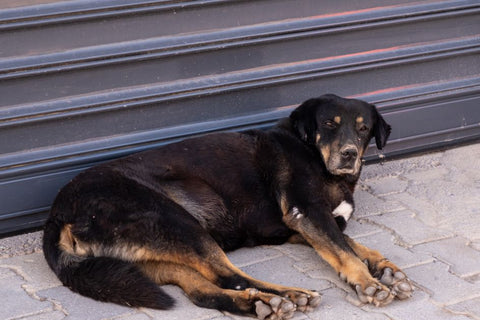
chews that
Problem solved: Chews that stand up to your power chewer
Jul 03, 2026
dog gear
Potty Training a Puppy? Why Litter Boxes Are a Bad Idea
Jul 02, 2026
pet care gear
Summer Road Trips: Protect Your Car Seats
Jul 02, 2026
color what
Dog Pee Color: What It's Telling You (And What to Do)
Jul 02, 2026
dog gear
Summer Shedding: Stop the Dog Hair Avalanche!
Jul 02, 2026
automatic ball launcher for dogs
Choosing the Right Automatic Ball Launcher for Dogs: Endless Playtime
Jul 02, 2026
clipping dog
Clipping Dog Nails: Why It's Hard & What Truly Helps
Jul 02, 2026
dog gear
Dog Parkour? Elevate Their Chill
Jul 01, 2026
board dogs
Best Cat Scratching Post & Board for Cats: 2026 Guide
Jul 01, 2026
aggressive chewers
Top 5 Indestructible Dog Toys for Power Chewers: Built to Last
Jul 01, 2026