
canine mental health
pet industry trends
premium pet care
Anxiety in Service Dogs: The Hidden Statistics

Anxiety in Service Dogs: The Hidden Statistics
Service dogs are extraordinary animals, providing invaluable assistance and companionship to individuals with disabilities across the USA and Canada. They navigate complex environments, perform critical tasks, and offer unwavering support. However, beneath their stoic and dedicated exterior, a significant challenge often remains unseen: service dog anxiety. For premium pet parents, understanding this nuanced issue is crucial for ensuring the long-term well-being and effectiveness of these incredible animals.
Understanding Service Dog Anxiety: More Than Just Stress
Anxiety in service dogs manifests similarly to anxiety in pet dogs, but often with additional layers of complexity due to their specialized roles. It can range from mild apprehension to severe panic disorders, impacting their ability to perform tasks, their overall health, and their quality of life. Common signs include excessive panting, pacing, shedding, vocalization (whining, barking), destructive behaviors, digestive upset, refusal to work, or even aggression in severe cases.
The "hidden" aspect of these statistics stems from several factors. Service dog teams often strive for an image of unwavering competence, leading some handlers to mask or downplay signs of distress. Furthermore, the demanding public environments and the high stakes of their work can make early detection and intervention challenging. As the American Kennel Club (AKC) frequently emphasizes the importance of a dog's overall health and temperament for any role, their sentiments extend to the rigorous mental and physical demands placed on service animals.
Pet Industry Trends Towards 2026: A Focus on Canine Wellness
While specific statistical data for service dog anxiety in 2026 is still emerging, general pet industry trends provide a clear trajectory. The American Pet Products Association (APPA) consistently highlights a significant shift towards proactive and holistic pet wellness. This trend, projected to strengthen into 2026 and beyond, emphasizes mental health, preventative care, and specialized nutrition for companion animals, including working dogs.
The premium pet segment, which FurryFable.com serves, is at the forefront of this movement. Owners are increasingly seeking out high-quality resources, advanced veterinary care, specialized trainers, and premium products designed to enhance their pets' physical and psychological well-being. This includes a growing awareness and acceptance of canine behavioral health issues, paving the way for more open discussions about service dog anxiety.
Key Trends Influencing Awareness and Management:
- Increased Veterinary Specialization: A rise in veterinary behaviorists and practitioners focusing on canine mental health.
- Advanced Nutritional Solutions: Development of premium pet foods and supplements with ingredients aimed at reducing stress and supporting neurological health.
- Wearable Technology: Growth in pet wearables that monitor heart rate, activity levels, and sleep patterns, potentially offering early indicators of stress.
- Proactive Training Methodologies: Emphasis on positive reinforcement, resilience training, and stress reduction techniques from puppyhood.
- Pet Insurance Coverage: Expansion of pet insurance policies to cover behavioral therapies and medications for anxiety.
These trends, driven by informed pet parents and a more sophisticated understanding of animal welfare, indicate that while direct 2026 statistics may not be public yet, the industry is unequivocally moving towards better recognition and management of conditions like service dog anxiety.
Factors Contributing to Service Dog Anxiety
Several elements can contribute to anxiety in service dogs:
- Genetics and Breed Predisposition: Some breeds or individual lines may be more genetically predisposed to anxiety. Reputable breeders, often endorsed by AKC standards, strive to minimize these traits.
- Demanding Work Environments: Constant exposure to novel sights, sounds, smells, and interactions in public can be overwhelming, even for highly trained dogs.
- Handler Stress: Service dogs are highly attuned to their handlers' emotions. A handler's stress or anxiety can inadvertently affect the dog.
- Inadequate Socialization or Training: While service dogs undergo extensive training, gaps in early socialization or exposure to certain stimuli can create vulnerabilities.
- Lack of Downtime: Service dogs need dedicated periods of rest, play, and "being a dog" away from their duties. Without this, burnout and stress can accumulate.
Supporting Your Service Dog: Proactive Strategies for Premium Pet Parents
For discerning pet parents, proactive management is key to mitigating and addressing service dog anxiety. The goal is to create a balanced life that honors their working role while prioritizing their emotional and physical well-being.
1. Consistent Training and Enrichment
Ongoing, positive reinforcement training reinforces good habits and builds confidence. Incorporate regular mental stimulation through puzzle feeders and interactive pet toys. These activities not only provide entertainment but also help to alleviate stress by engaging their minds in a non-work capacity.
2. Prioritizing Physical Comfort and Safety
Ensure your service dog has a comfortable, secure harness and leash that doesn't cause discomfort or restriction during work. A well-fitting harness prevents chafing and provides a sense of security. Additionally, consider pet apparels designed for comfort or to provide a calming effect, such as anxiety vests, during potentially stressful situations.
3. Optimal Hydration and Nutrition
Proper hydration is vital, especially for dogs working in varied environments. Always have fresh water available, using a portable pet water bottle for outings. A premium, balanced diet, potentially supplemented with vet-approved anxiety-reducing ingredients, can support neurological health and overall resilience.
4. Scheduled Downtime and Relaxation
Just like humans, service dogs need "off-duty" time. Designate periods where they can simply be a dog, playing in a safe environment, enjoying quiet time, or engaging in non-work-related activities. This mental break is critical for preventing burnout and reducing cumulative stress.
5. Professional Guidance
Work closely with your veterinarian and, if necessary, a certified veterinary behaviorist or a professional service dog trainer specializing in behavioral issues. They can help diagnose anxiety, rule out underlying medical conditions, and develop a tailored management plan that may include environmental modifications, behavioral modification techniques, and, in some cases, medication.
Addressing service dog anxiety is not just about the dog; it's about preserving the integrity of the service dog team and enhancing the quality of life for both handler and dog. By staying informed of pet industry trends and adopting proactive, compassionate strategies, premium pet parents can continue to champion the well-being of these remarkable animals.
FurryFable Recommendations
 FurryFable Calming Dog Anxiety Vest – Stress & Fear Relief
✓ Free USA Shipping✓ Fast Delivery✓ Secure Checkout✓ 100% Satisfaction
If you found this helpful, also read: genetic predisposition to anxiety.
If you found this helpful, also read: toys for dogs with separation anxiety.
If you found this helpful, also read: mental stimulation from puzzle toys.
You Might Also Like

calming vest
Best Dog Anxiety Vest for Dogs: 2026 Guide
Sep 17, 2026
dog gear
Best Dog Puzzle Toy for Dogs: 2026 Guide
Sep 12, 2026
destroys toys
Why Your Dog Destroys Toys — & How to Finally Stop It
Sep 05, 2026
autumn puppy
Autumn Puppy Potty Training
Sep 05, 2026
collar leash
Best Dog Collar & Leash Set for Dogs: 2026 Guide
Sep 04, 2026
autumn dog
Autumn Dog Nail Care: Ditching the Drama & Embracing Healthy Paws
Sep 04, 2026
autumn dog
Autumn Dog Beds: Why Your Pup Still Gets Hot & How to Fix It
Sep 03, 2026
freedom fumble
Retractable Leashes: Freedom or Fumble?
Sep 03, 2026
bird gear
Best Chicken Coop Swing & Toy for Dogs: 2026 Guide
Sep 02, 2026
autumn paw
Autumn Paw Patrol: Stop Litter Tracks for Good
Sep 02, 2026
arms automatic
Tired Arms? Automatic Toys for Small Dogs That Actually Work
Sep 01, 2026
dog gear
Unleash Their Inner Athlete: Backyard Dog Agility Secrets
Sep 01, 2026
agility seesaw
Best Dog Agility Seesaw for Dogs: 2026 Guide
Aug 10, 2026
cat play
Dog-Proof Cat Play: Harmony in Your Shared Spaces
Aug 10, 2026
dog gear
Summer Dog Travel: for Stress-Free Adventures
Aug 10, 2026
anxious dog
Anxious Dog? : A Calming Bed That Actually Works
Jul 08, 2026
automatic cat feeder
Smart Automatic Pet Feeder vs. Gravity Feeder: Which is Best for Your Pet's Routine?
Jul 08, 2026
dog gear
Hiking with Your Dog: The Long Leash Dilemma Solved
Jul 08, 2026
mess solved
Paw Mess Solved
Jul 07, 2026
dog gear
Dog Eats Too Fast? Ragnor's Fix for Gulping & Bloat
Jul 07, 2026
beyond fetch
Summer Dog Games: Beyond Fetch
Jul 07, 2026
breathable dog car seat
Stay Cool on the Road: Top 5 Cooling Dog Car Seat Covers for Summer Adventures
Jul 07, 2026
invaders keep
Yard Invaders? How to Keep Stray Dogs Away (Kindly)
Jul 07, 2026
avoid drama
Clipping Dog Nails: Avoid the Drama & Do It Right
Jul 06, 2026
brachycephalic dog gear
Best No-Pull Harness for French Bulldogs: Comfort, Control & Style
Jul 06, 2026
bored dog
Bored Dog? Unleash Happiness with Vertical Play
Jul 06, 2026
clothes jackets
Best Dog Clothes & Jackets for Dogs: 2026 Guide
Jul 06, 2026
pet care gear
Best Portable Pet Water Bottle for Dogs: 2026 Guide
Jul 05, 2026
foes scratch
Furniture Foes: for Scratch-Proof Paws
Jul 05, 2026
best dog toys
The Ultimate Guide: Choosing Indestructible Dog Toys for Aggressive Chewers
Jul 05, 2026
dog gear
Unleash Their Inner Olympian: Home Agility for Any Dog
Jul 05, 2026
dog gear
Lost Dog Panic? GPS Trackers Actually Work. Here's How.
Jul 05, 2026
anxiety regular
Dog Anxiety: Why Regular Beds Aren't Enough
Jul 04, 2026
dog gear
Summer Dog Safety
Jul 04, 2026
automatic pet feeder
Smart Automatic Pet Feeder vs. Timed Feeder: Which is Best for Your Pet?
Jul 04, 2026
dog gear
Summer Walks: Give Your Dog Freedom (Safely!)
Jul 04, 2026
dog gear
Summer Frisbee Fun: A Dog's Guide to Outdoor Play
Jul 03, 2026
pet care gear
Summer Scratch Solutions
Jul 03, 2026
dog gear
Unleash Their Inner Olympian: DIY Dog Agility for Happy Paws
Jul 03, 2026
dog safety at night
Reflective Dog Leashes & Collars: Enhance Nighttime Safety
Jul 03, 2026
chews that
Problem solved: Chews that stand up to your power chewer
Jul 03, 2026
dog gear
Potty Training a Puppy? Why Litter Boxes Are a Bad Idea
Jul 02, 2026
pet care gear
Summer Road Trips: Protect Your Car Seats
Jul 02, 2026
color what
Dog Pee Color: What It's Telling You (And What to Do)
Jul 02, 2026
dog gear
Summer Shedding: Stop the Dog Hair Avalanche!
Jul 02, 2026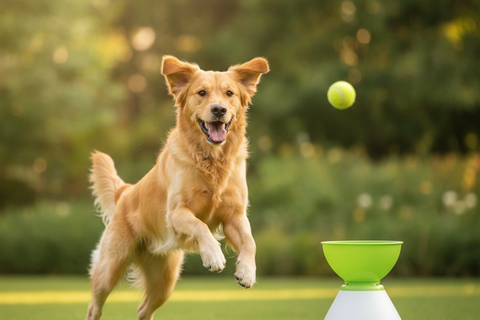
automatic ball launcher for dogs
Choosing the Right Automatic Ball Launcher for Dogs: Endless Playtime
Jul 02, 2026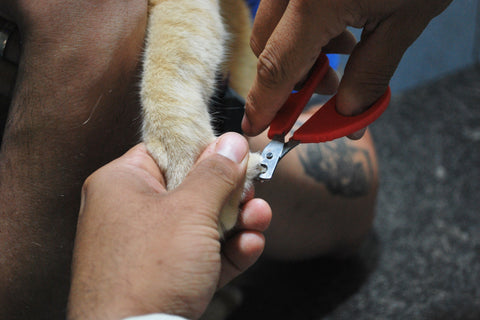
clipping dog
Clipping Dog Nails: Why It's Hard & What Truly Helps
Jul 02, 2026
dog gear
Dog Parkour? Elevate Their Chill
Jul 01, 2026
board dogs
Best Cat Scratching Post & Board for Cats: 2026 Guide
Jul 01, 2026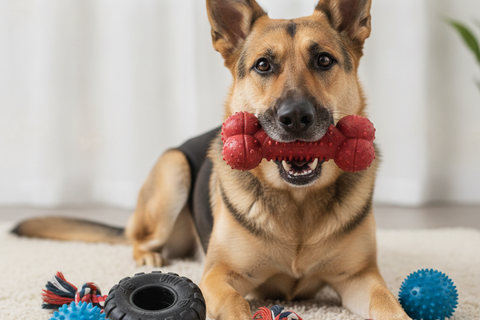
aggressive chewers
Top 5 Indestructible Dog Toys for Power Chewers: Built to Last
Jul 01, 2026