
cat
dog
furryfable
Pet Water Fountains: Complete Guide for Cats and Dogs

The quiet lapping sound from a traditional water bowl often belies a hidden problem: stagnant water. For many pet owners, providing fresh water means a daily ritual of rinsing and refilling, yet even then, the water can quickly become a breeding ground for bacteria and biofilm. This isn't just an aesthetic concern; it's a significant health consideration, particularly for cats and certain dog breeds. Cats, by nature, are often reluctant drinkers, a trait linked to their desert ancestors. This low thirst drive, combined with still, unappealing water, contributes to a higher incidence of Feline Lower Urinary Tract Disease (FLUTD), affecting up to 3% of cats annually. For dogs, especially larger breeds or those with pre-existing kidney conditions, consistent access to clean, flowing water is equally vital to support renal function and overall hydration. This often overlooked challenge of encouraging adequate hydration is precisely where a well-chosen pet water fountain guide becomes indispensable.
A high-quality pet water fountain provides a continuous supply of filtered, aerated water, significantly enhancing hydration for both cats and dogs. It addresses pets' natural preference for moving water, minimizes bacterial growth, and encourages increased fluid intake, which is crucial for preventing urinary tract issues and supporting kidney health. Key considerations for selecting the best pet water fountain include material (stainless steel, ceramic, BPA-free plastic), capacity tailored to pet size and household, filtration type, and noise level.
Why Still Water Bowls Fall Short for Feline and Canine Health
Consider the natural instincts of a Bengal cat or a Siberian Husky. Both are drawn to moving water sources in the wild, instinctively understanding that flowing water is typically fresher and safer. A static bowl, on the other hand, quickly accumulates dust, hair, and food particles. Within hours, a bacterial film, known as biofilm, begins to form on the surface and sides of the bowl. This biofilm can harbor pathogens and significantly deter a sensitive Maine Coon from drinking, or make the water unappetizing for a discerning Golden Retriever. Chronic dehydration, even mild, can lead to serious health issues over time. For cats, insufficient water intake is a primary contributing factor to the development of painful urolithiasis (urinary stones). Similarly, dogs, particularly breeds like Miniature Schnauzers or Dalmatians, which are predisposed to bladder stones, require ample hydration to help flush their urinary systems and dilute mineral concentrations. A pet water fountain guide helps mitigate these risks by offering a consistent, appealing water source.
The Hydration Advantage: How Pet Water Fountains Work
Pet water fountains operate on a simple yet effective principle: they circulate water, keeping it moving and aerated, much like a natural stream. This constant movement discourages bacterial growth and prevents the formation of stagnant pools. Most fountains incorporate a multi-stage filtration system, typically including a carbon filter to remove chlorine and odors, and a foam filter to trap hair and debris. This ensures the water remains clean, fresh, and palatable. For a Persian cat, whose flattened face can make drinking from a deep bowl challenging, the flowing stream from a fountain can be far more accessible. For a large breed like a German Shepherd, a high-capacity fountain ensures a continuous supply of clean water, even during long days at home.
Choosing the Right Material: Plastic, Stainless Steel, or Ceramic?
The material of your pet water fountain is a critical decision. Plastic fountains are generally the most affordable and lightweight, but they can be prone to scratching, which creates microscopic crevices where bacteria can thrive. They also have a higher risk of developing a slime layer if not cleaned meticulously daily. Stainless steel fountains, such as the FurryFable Square Pet Water Fountain | Silent & Multi-Layer Filter, are durable, hygienic, and easy to clean. They are non-porous, resisting bacterial buildup and scratches, making them an excellent choice for any pet, especially those with chin acne or allergies. Ceramic fountains offer a heavy, stable option, ideal for rambunctious breeds like Boxers who might push lighter fountains around. While attractive, ceramic can chip or break if dropped and tends to be heavier to move for cleaning. Ultimately, stainless steel is often recommended by veterinarians for its superior hygiene and longevity.
Capacity and Flow: Meeting Your Pet's Specific Needs
The capacity of a pet water fountain should align with your pet's size and the number of animals in your household. A single Siamese cat might do well with a 1.5-liter fountain, while a multi-dog household with a Labrador Retriever and a Great Dane will require a fountain with a capacity of 5 liters or more to avoid frequent refills. Flow rate and stream type also matter. Some fountains offer a bubbling top, while others provide a free-falling stream. Cats, in particular, often show a preference for a specific type of flow; some enjoy a gentle bubble, others are fascinated by a cascading stream. Observe your cat's drinking habits from a faucet to gauge their preference. For an elderly dog with mobility issues, a fountain with a lower, easily accessible basin is preferable, preventing strain on joints. Consider also how often your pet drinks; a high-energy Australian Shepherd on a raw diet may consume more water than a more sedentary Shih Tzu.
Filtration and Maintenance: The Key to Long-Term Health
The effectiveness of a pet water fountain hinges on its filtration system and consistent maintenance. Most fountains utilize a combination of mechanical and chemical filtration. Mechanical filters (often foam or mesh) trap larger particles like hair, food, and debris. Carbon filters remove impurities, odors, and tastes, ensuring the water remains fresh and appealing. It is crucial to replace these filters according to the manufacturer's recommendations, typically every 2-4 weeks. Neglecting filter changes can render the fountain less effective and can lead to the very issues it's designed to prevent. Daily rinsing and weekly deep cleaning with pet-safe soap are non-negotiable. For instance, the FurryFable Silent Circular Pet Water Fountain | Filtered & Clean features a multi-layer filtration system that requires regular attention to maintain optimal water quality. Proper cleaning prevents biofilm accumulation, which can contribute to dental issues and urinary tract infections in susceptible breeds.
Why We Chose These For FurryFable
At FurryFable, our selection process for pet products is rigorous, focusing on safety, durability, and genuine pet welfare. For our water fountains, we prioritize designs that incorporate medical-grade stainless steel or BPA-free, food-grade plastics to ensure no harmful chemicals leach into your pet's water. We look for robust, multi-stage filtration systems that effectively remove impurities and odors, providing genuinely clean water. Silent pump operation is another key criterion; a noisy fountain can deter sensitive pets, particularly timid cats or dogs wary of new sounds. Ease of cleaning and maintenance is also paramount. Products like the FurryFable Square Pet Water Fountain | Silent & Multi-Layer Filter and the FurryFable Silent Circular Pet Water Fountain | Filtered & Clean are selected because they disassemble easily for thorough cleaning, ensuring you can maintain optimal hygiene. We also consider thoughtful features like low-water indicators and anti-spill designs, which are especially helpful for busy households or dogs known for enthusiastic drinking. We believe in providing solutions that genuinely improve the lives of pets, from ensuring proper hydration to offering the right harness for their adventures or durable chew toys that stand up to power chewers.
Fountain Placement and Encouragement
Strategic placement of your pet's water fountain can significantly impact its usage. Place it in a quiet, accessible area away from food bowls and litter boxes. Some cats prefer their water source to be in a completely different room from their food. For dogs, especially those prone to resource guarding, multiple water stations might be beneficial. If your pet is hesitant, try placing their old water bowl next to the new fountain initially, gradually moving the bowl further away. Adding a few drops of salmon oil or a pet-safe broth to the fountain water for the first few days can also entice hesitant drinkers. Patience is key; most pets will adapt within a few days to a week. Remember, encouraging your pet to drink more is one of the simplest yet most effective ways to support their long-term health, just as important as choosing quality training gear or reliable safety equipment.
Frequently Asked Questions About Pet Water Fountains
How much water should a Persian cat drink daily from a fountain?
A Persian cat should aim to drink approximately 3.5 to 4.5 ounces of water per 5 pounds of body weight daily. For a 10-pound Persian, this would be 7 to 9 ounces. A fountain can significantly help them reach this goal by providing fresh, appealing water.
Are stainless steel fountains better for Bulldogs than plastic?
Yes, stainless steel fountains are generally superior for Bulldogs. Their sturdy build prevents tipping, and the non-porous surface is more hygienic, reducing the risk of bacterial accumulation that could contribute to chin acne, a common issue for breeds with facial folds. Additionally, stainless steel is more durable for a robust breed.
What capacity fountain is suitable for a multi-dog household with a Labrador Retriever and a Beagle?
For a multi-dog household with a Labrador Retriever and a Beagle, a fountain with a minimum capacity of 3-5 liters (approximately 100-170 ounces) is recommended. This ensures a consistent water supply throughout the day, even with two active dogs, and reduces the frequency of refills. Consider a fountain designed for multiple pets, which often feature larger drinking surfaces.
How often should I clean a pet water fountain for a cat with a history of FLUTD?
For a cat with a history of Feline Lower Urinary Tract Disease (FLUTD), daily rinsing of the fountain components and a thorough weekly cleaning with a pet-safe detergent are essential. Filter changes should adhere strictly to manufacturer guidelines, typically every 2-4 weeks, to maintain optimal water quality and reduce the risk of bacterial contamination that could exacerbate urinary issues.
Can a pet water fountain help encourage a senior dog with arthritis to drink more?
Yes, a pet water fountain can often encourage a senior dog with arthritis to drink more. The appealing sound and movement of water can entice them, and many fountains offer a raised drinking surface, reducing the need for the dog to bend down excessively, which can be painful for arthritic joints. Ensure the fountain is easily accessible and stable.
Investing in a quality pet water fountain is a proactive step toward ensuring your pet's long-term health and vitality. Explore the range of advanced hydration solutions available at FurryFable and discover the perfect fountain for your home. Visit our Pet Water Bottle Collection today to find the ideal choice for your cherished companion.
FurryFable Picks: Top pet water fountain guides
 FurryFable Smart Automatic Pet Food Dispenser - 4.6L
 FurryFable Square Pet Water Fountain | Silent & Multi-Layer Filter
 FurryFable Silent Circular Pet Water Fountain | Filtered & Clean
Ragnor
Pet Trainer & Animal Behaviorist
FurryFable Recommendations
 FurryFable Smart UV Pet Water Dispenser - 3.5L Stainless Steel
★★★★★ 4.96 (23)
Save 34%$71.00 Shop Now
 FurryFable Water Drop Automatic Pet Water Dispenser | Travel-Friendly
★★★★★ 5 (5)
Save 29%$42.26 Shop Now
 Stylish Pet Water Dispenser | Multi-Filter & Large Capacity
✓ Free USA Shipping✓ Fast Delivery✓ Secure Checkout✓ 100% Satisfaction
You Might Also Like

calming vest
Best Dog Anxiety Vest for Dogs: 2026 Guide
Sep 17, 2026
dog gear
Best Dog Puzzle Toy for Dogs: 2026 Guide
Sep 12, 2026
destroys toys
Why Your Dog Destroys Toys — & How to Finally Stop It
Sep 05, 2026
autumn puppy
Autumn Puppy Potty Training
Sep 05, 2026
collar leash
Best Dog Collar & Leash Set for Dogs: 2026 Guide
Sep 04, 2026
autumn dog
Autumn Dog Nail Care: Ditching the Drama & Embracing Healthy Paws
Sep 04, 2026
autumn dog
Autumn Dog Beds: Why Your Pup Still Gets Hot & How to Fix It
Sep 03, 2026
freedom fumble
Retractable Leashes: Freedom or Fumble?
Sep 03, 2026
bird gear
Best Chicken Coop Swing & Toy for Dogs: 2026 Guide
Sep 02, 2026
autumn paw
Autumn Paw Patrol: Stop Litter Tracks for Good
Sep 02, 2026
arms automatic
Tired Arms? Automatic Toys for Small Dogs That Actually Work
Sep 01, 2026
dog gear
Unleash Their Inner Athlete: Backyard Dog Agility Secrets
Sep 01, 2026
agility seesaw
Best Dog Agility Seesaw for Dogs: 2026 Guide
Aug 10, 2026
cat play
Dog-Proof Cat Play: Harmony in Your Shared Spaces
Aug 10, 2026
dog gear
Summer Dog Travel: for Stress-Free Adventures
Aug 10, 2026
anxious dog
Anxious Dog? : A Calming Bed That Actually Works
Jul 08, 2026
automatic cat feeder
Smart Automatic Pet Feeder vs. Gravity Feeder: Which is Best for Your Pet's Routine?
Jul 08, 2026
dog gear
Hiking with Your Dog: The Long Leash Dilemma Solved
Jul 08, 2026
mess solved
Paw Mess Solved
Jul 07, 2026
dog gear
Dog Eats Too Fast? Ragnor's Fix for Gulping & Bloat
Jul 07, 2026
beyond fetch
Summer Dog Games: Beyond Fetch
Jul 07, 2026
breathable dog car seat
Stay Cool on the Road: Top 5 Cooling Dog Car Seat Covers for Summer Adventures
Jul 07, 2026
invaders keep
Yard Invaders? How to Keep Stray Dogs Away (Kindly)
Jul 07, 2026
avoid drama
Clipping Dog Nails: Avoid the Drama & Do It Right
Jul 06, 2026
brachycephalic dog gear
Best No-Pull Harness for French Bulldogs: Comfort, Control & Style
Jul 06, 2026
bored dog
Bored Dog? Unleash Happiness with Vertical Play
Jul 06, 2026
clothes jackets
Best Dog Clothes & Jackets for Dogs: 2026 Guide
Jul 06, 2026
pet care gear
Best Portable Pet Water Bottle for Dogs: 2026 Guide
Jul 05, 2026
foes scratch
Furniture Foes: for Scratch-Proof Paws
Jul 05, 2026
best dog toys
The Ultimate Guide: Choosing Indestructible Dog Toys for Aggressive Chewers
Jul 05, 2026
dog gear
Unleash Their Inner Olympian: Home Agility for Any Dog
Jul 05, 2026
dog gear
Lost Dog Panic? GPS Trackers Actually Work. Here's How.
Jul 05, 2026
anxiety regular
Dog Anxiety: Why Regular Beds Aren't Enough
Jul 04, 2026
dog gear
Summer Dog Safety
Jul 04, 2026
automatic pet feeder
Smart Automatic Pet Feeder vs. Timed Feeder: Which is Best for Your Pet?
Jul 04, 2026
dog gear
Summer Walks: Give Your Dog Freedom (Safely!)
Jul 04, 2026
dog gear
Summer Frisbee Fun: A Dog's Guide to Outdoor Play
Jul 03, 2026
pet care gear
Summer Scratch Solutions
Jul 03, 2026
dog gear
Unleash Their Inner Olympian: DIY Dog Agility for Happy Paws
Jul 03, 2026
dog safety at night
Reflective Dog Leashes & Collars: Enhance Nighttime Safety
Jul 03, 2026
chews that
Problem solved: Chews that stand up to your power chewer
Jul 03, 2026
dog gear
Potty Training a Puppy? Why Litter Boxes Are a Bad Idea
Jul 02, 2026
pet care gear
Summer Road Trips: Protect Your Car Seats
Jul 02, 2026
color what
Dog Pee Color: What It's Telling You (And What to Do)
Jul 02, 2026
dog gear
Summer Shedding: Stop the Dog Hair Avalanche!
Jul 02, 2026
automatic ball launcher for dogs
Choosing the Right Automatic Ball Launcher for Dogs: Endless Playtime
Jul 02, 2026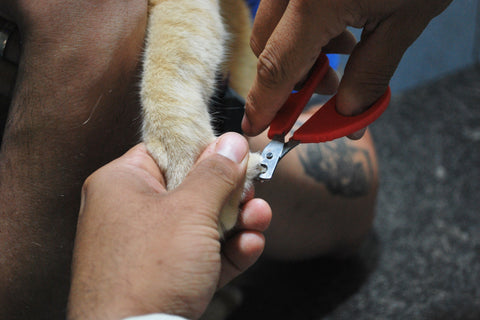
clipping dog
Clipping Dog Nails: Why It's Hard & What Truly Helps
Jul 02, 2026
dog gear
Dog Parkour? Elevate Their Chill
Jul 01, 2026
board dogs
Best Cat Scratching Post & Board for Cats: 2026 Guide
Jul 01, 2026
aggressive chewers
Top 5 Indestructible Dog Toys for Power Chewers: Built to Last
Jul 01, 2026